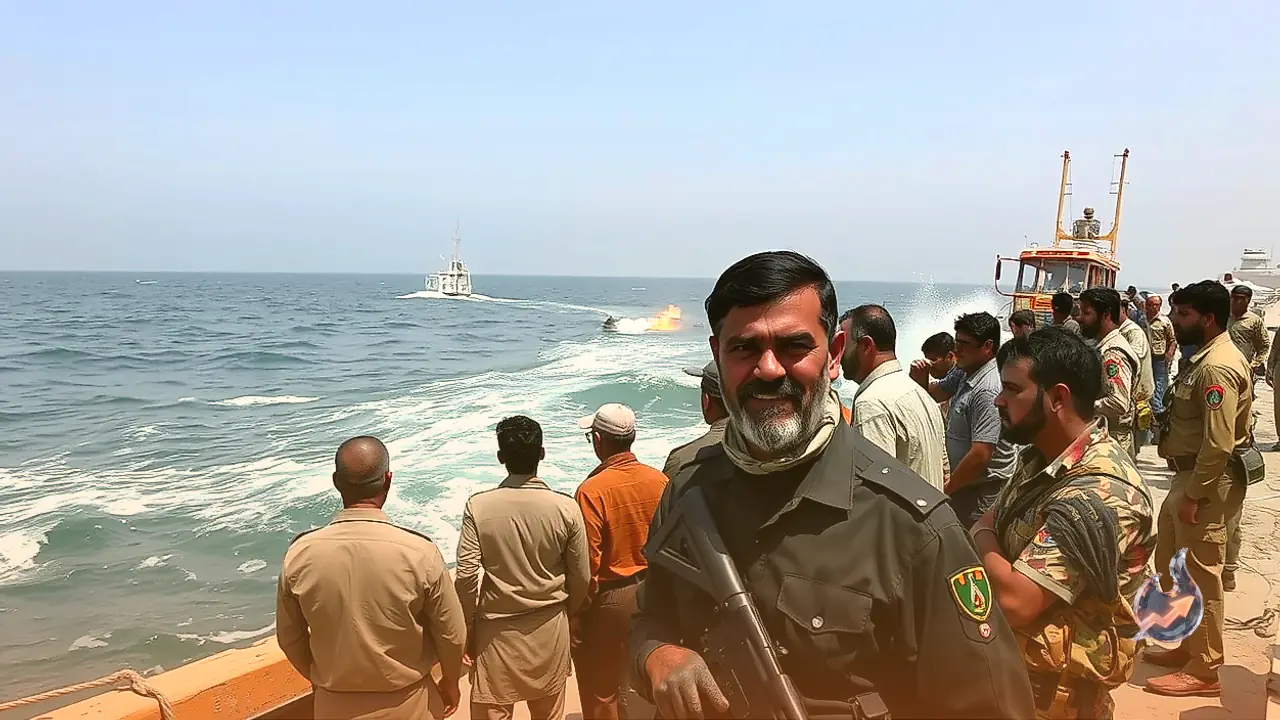





















Political friction in Pakistan reached a boiling point immediately following the declaration of an emergency and governor's rule in Khyber Pakhtunkhwa province. Federal authorities launched a sweeping crackdown against key figures of jailed former prime minister Imran Khan's party, Pakistan Tehreek-e-Insaf, placing former chief minister Ali Amin Gandapur under house arrest and taking other senior leaders into custody. The sudden enforcement measures have significantly deepened the confrontation between Prime Minister Shehbaz Sharif's administration and the opposition party.
Detention of Key Leaders and House Arrest Orders
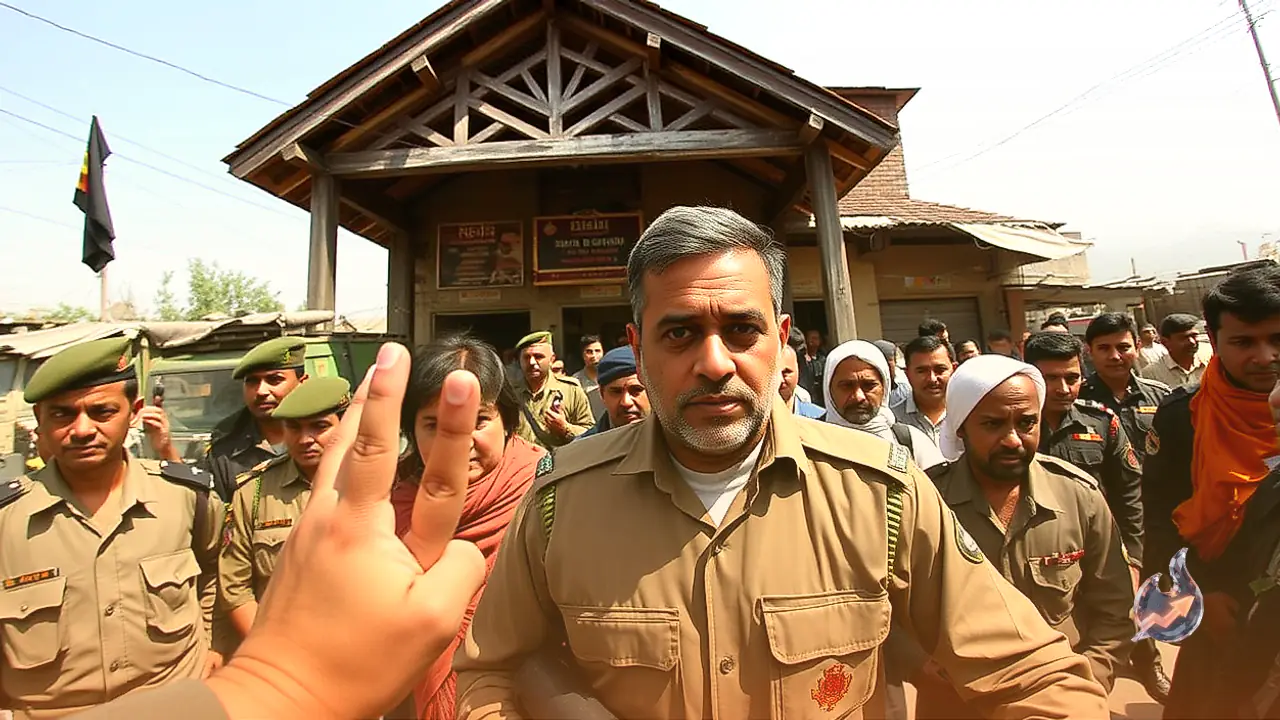
Within hours of the emergency decree, law enforcement moved against the provincial leadership. Former chief minister Sohail Afridi and PTI provincial president Junaid Akbar were detained by authorities, while Ali Amin Gandapur was restricted to his residence. PTI leadership condemned the crackdown as a direct intimidation tactic aimed at coercing party figures, maintaining that government actions will not halt their ongoing political resistance. Faced with persistent street demonstrations organized by Khan's supporters, the central government formally sanctioned the mobilization of military personnel and assets across the province.
Militancy Allegations and Disputes Over Mineral Wealth
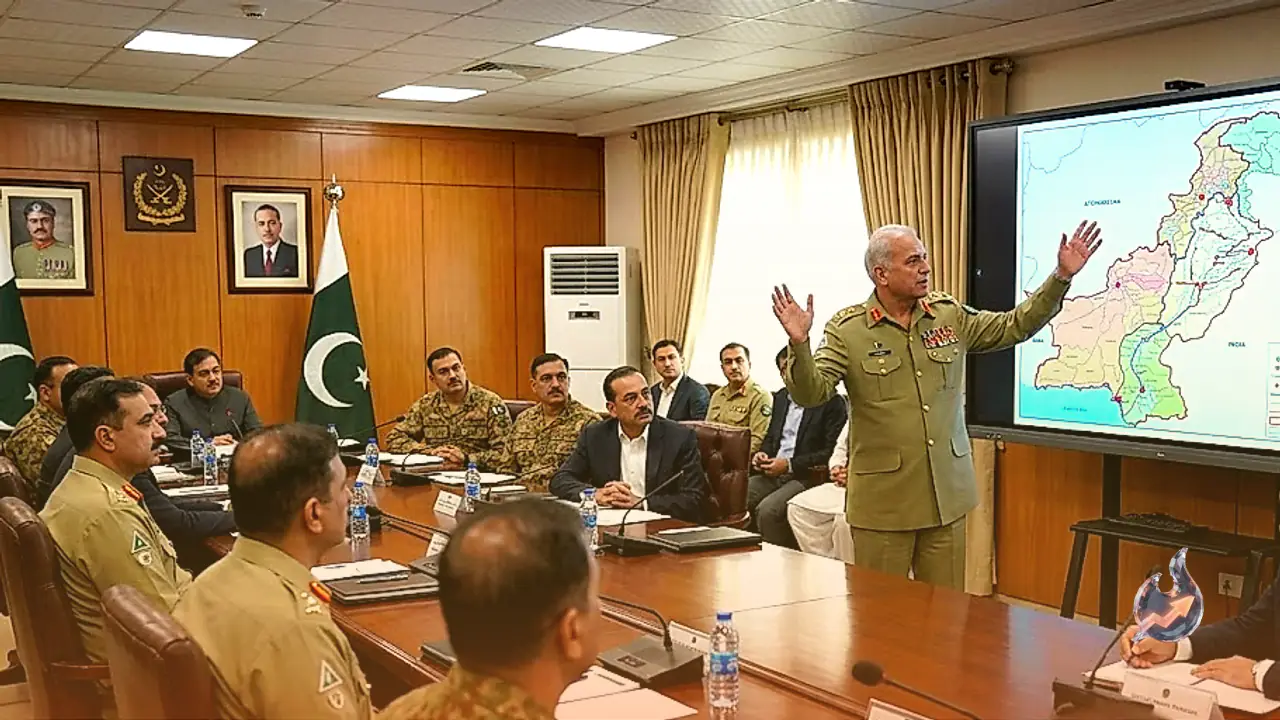
The federal government justified the imposition of emergency powers by pointing to the provincial administration's alleged failure to contain escalating militant violence in the region, a charge that PTI officials strongly dispute. Underlying this confrontation is an intense dispute between the provincial government and Chief of Army Staff Asim Munir. A primary flashpoint involves regulatory control over Khyber Pakhtunkhwa's valuable mining sector and mineral reserves. The military establishment has sought greater jurisdiction over provincial natural resources, a move that Chief Minister Sohail Afridi and the PTI administration resisted by challenging direct military interference in mineral wealth governance. With governor's rule now firmly established, military oversight across administrative affairs is anticipated to rise substantially.
Indefinite Military Mandate and Operational Directives
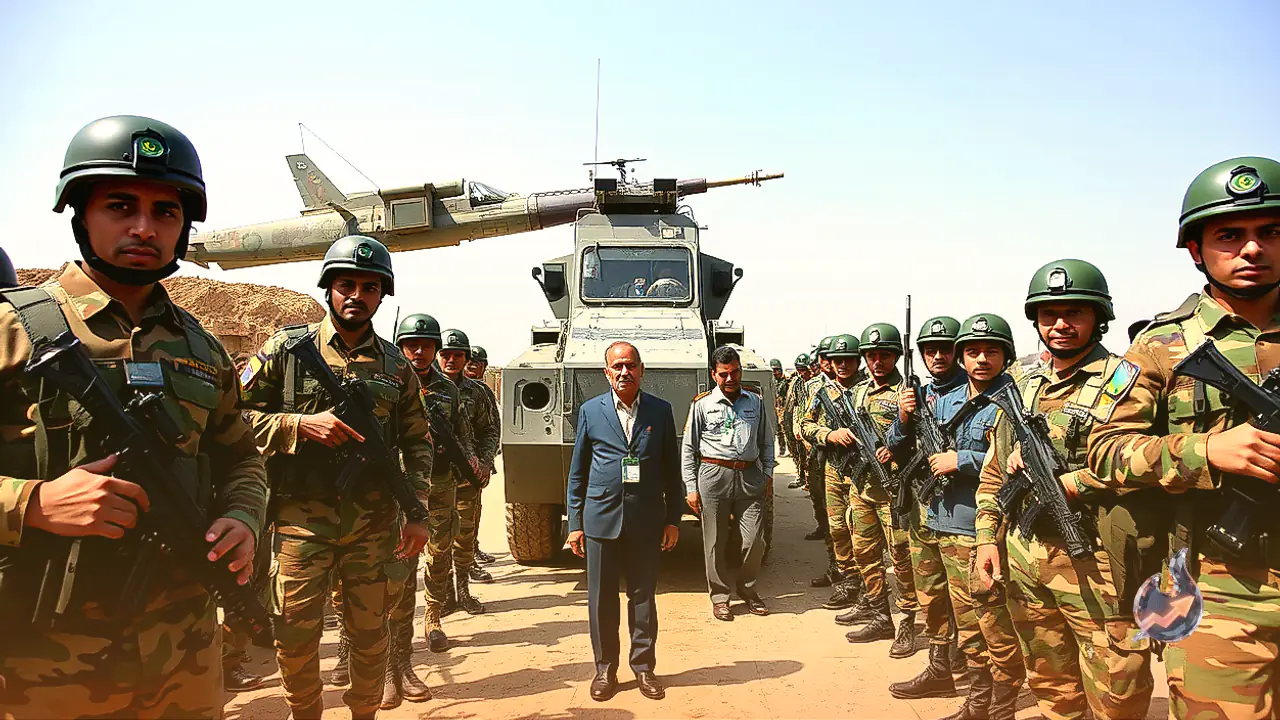
Islamabad has confirmed that the armed forces will remain deployed throughout the entire duration of the emergency status. The stated mandate tasks military units with preserving public safety, guarding critical infrastructure, and protecting government installations. In practice, the deployment serves to curb political mobilizations and protests orchestrated by Imran Khan's loyalists.
Determinations regarding the scale of military mobilization, troop counts, and logistics will rest with the governor of Khyber Pakhtunkhwa. The governor has been instructed to consult directly with the Military Operations Directorate at Army General Headquarters to finalize these operational arrangements. This security framework derives from the formal declaration of emergency and governor's rule issued on October 11, 2026, which is slated for publication in the official gazette of Pakistan. The military's heightened operational presence is poised to redefine the administrative landscape and alter relations between the province and the central government.