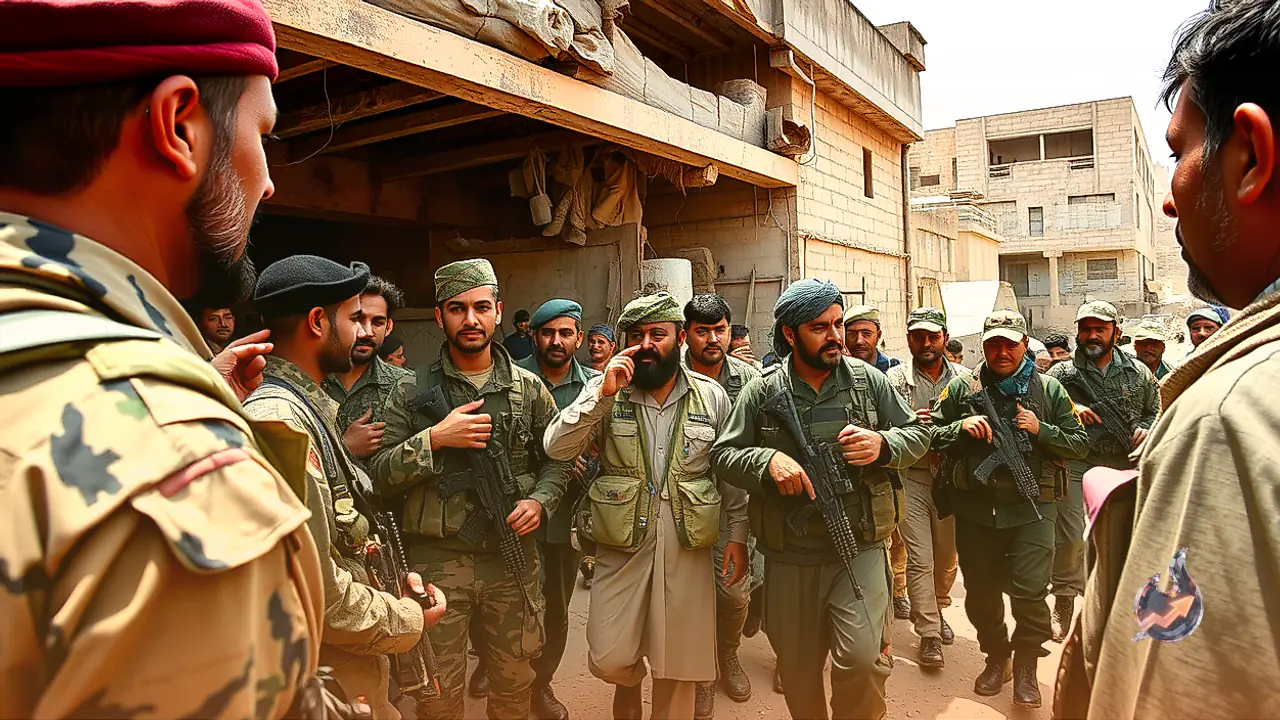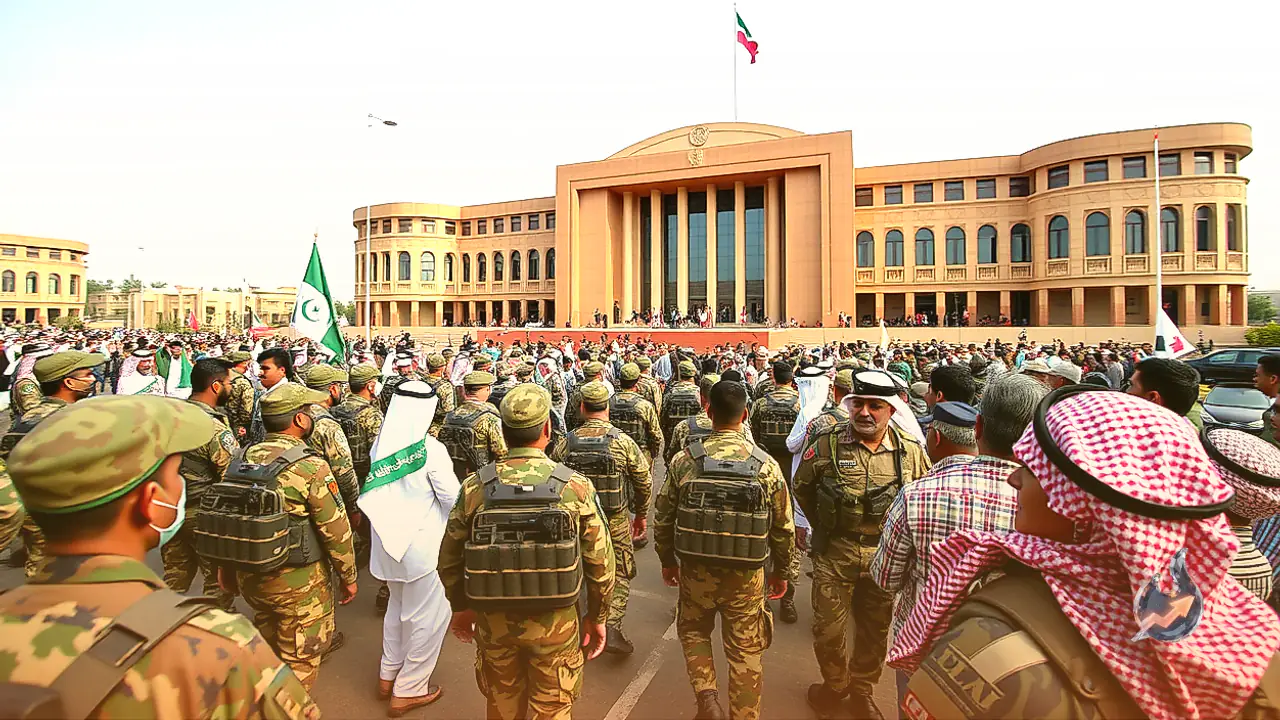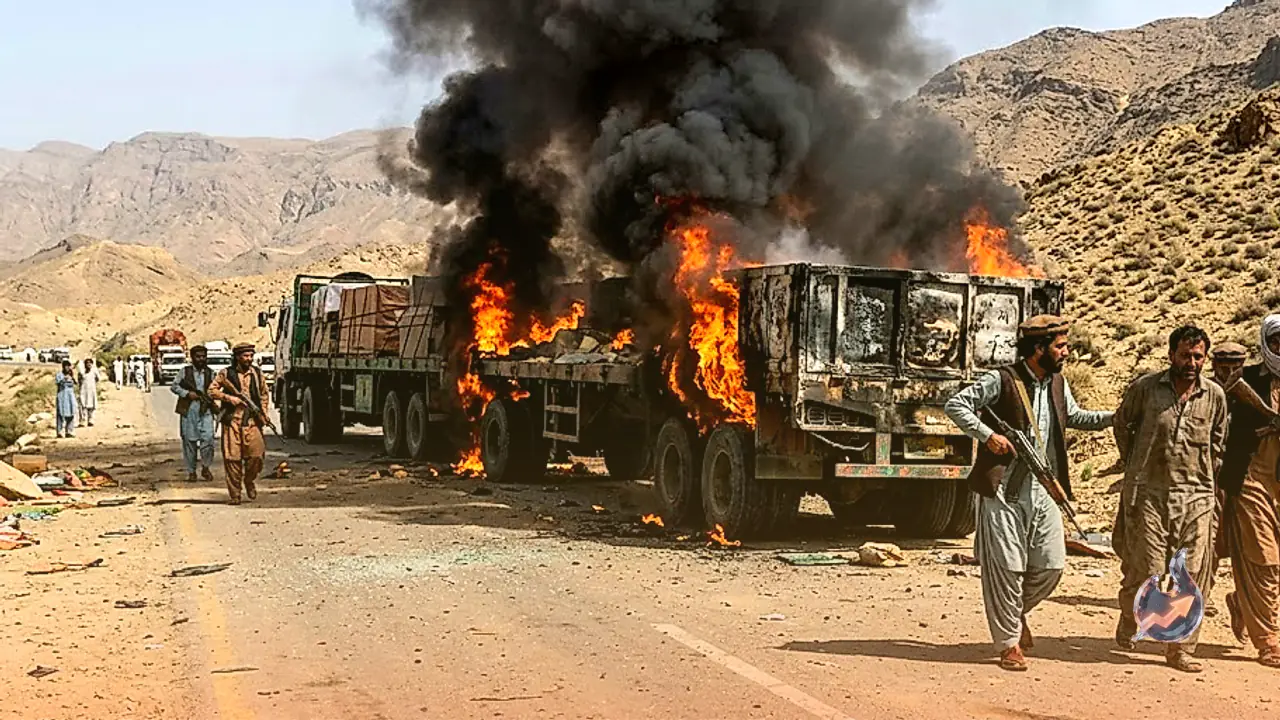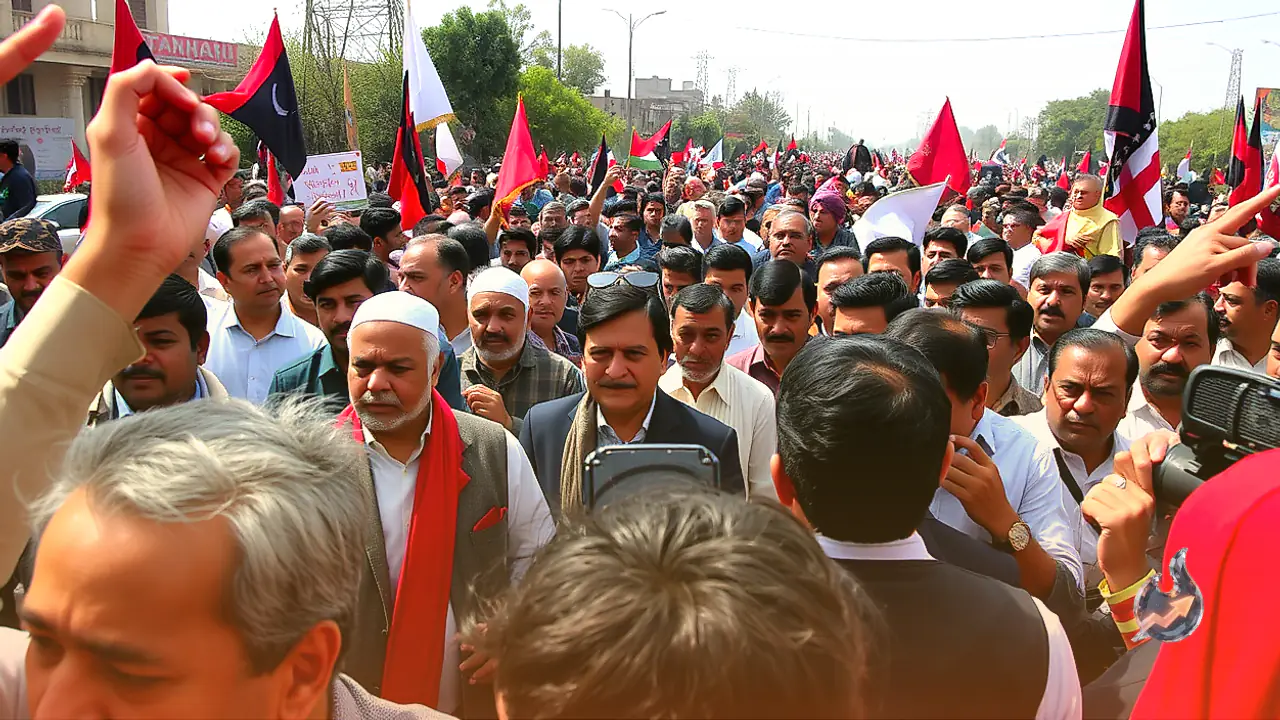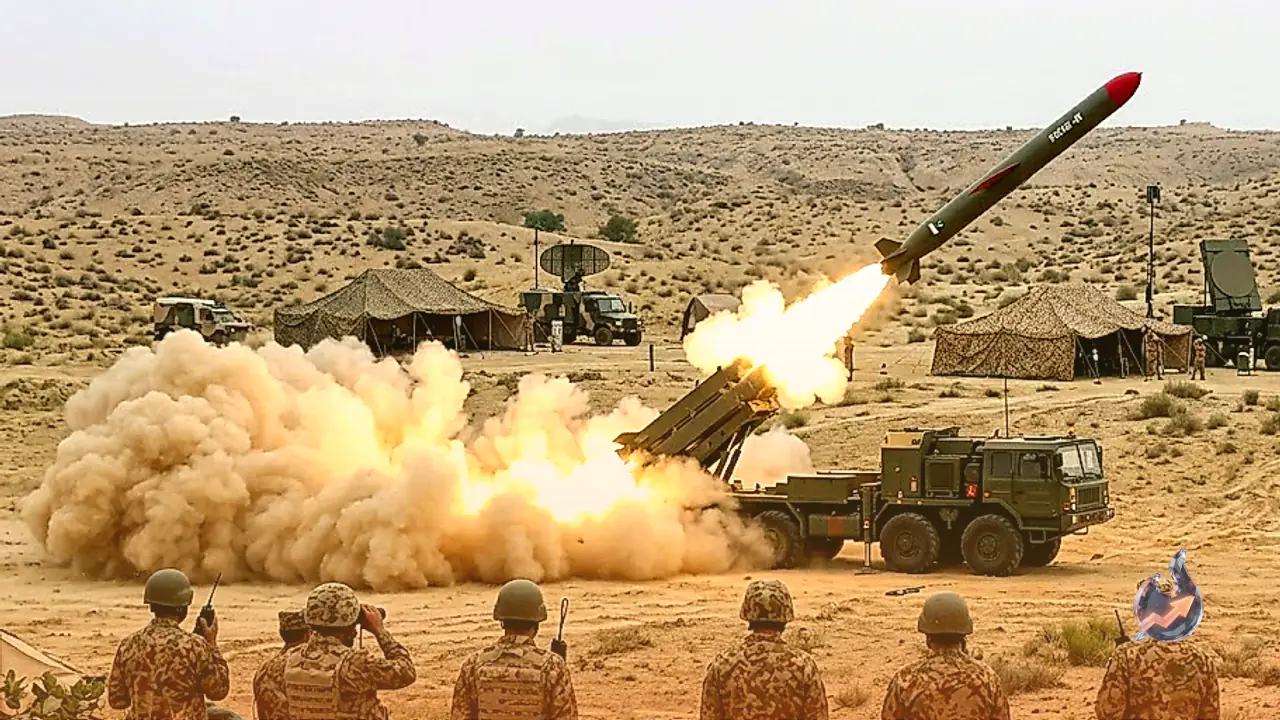
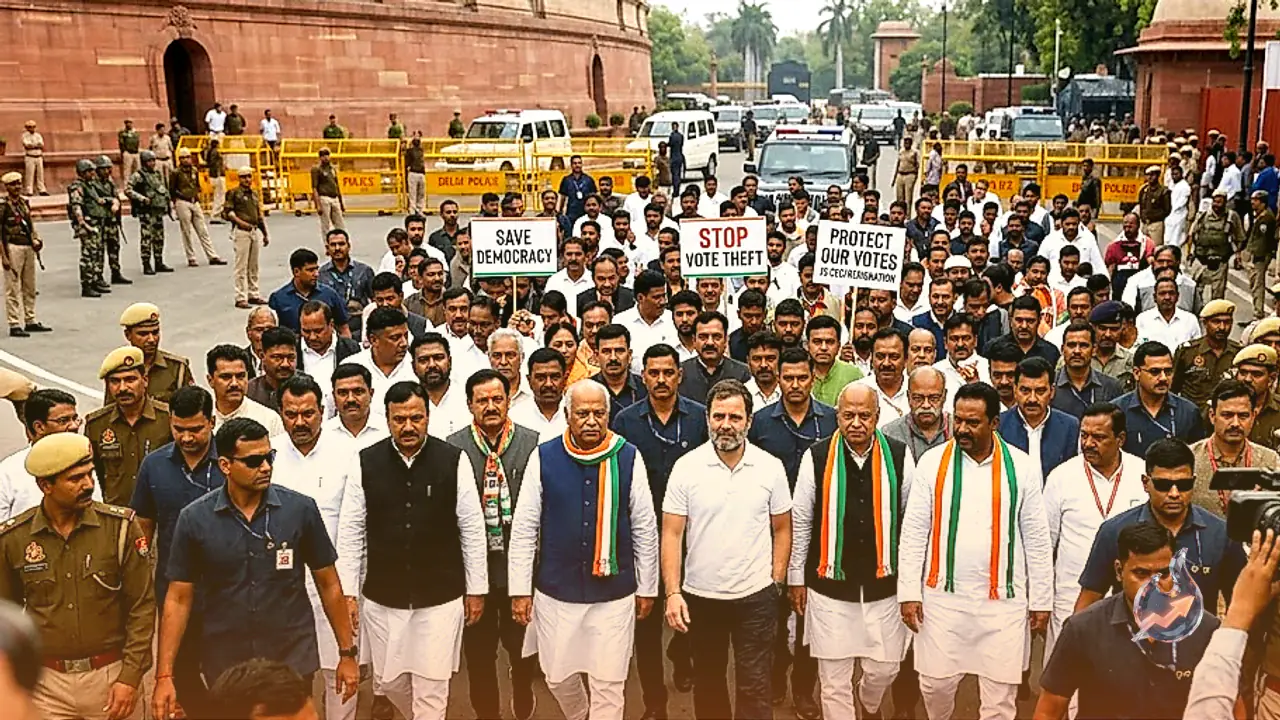





















A fundamental redistribution of authority is unfolding across Pakistan as the military leadership increasingly steers landmark domestic reorganizations and overseas security commitments. Field Marshal Asim Munir has taken center stage in reshaping the nation's political architecture, sparking intense scrutiny regarding the role left for elected governance. The emergence of blueprints to fragment the country's historic provinces, combined with independent deployments to the Middle East without parliamentary endorsement, highlights how conventional institutional checks are being recalibrated under unified military command.
A Radical Blueprint to Carve Four Historic Provinces
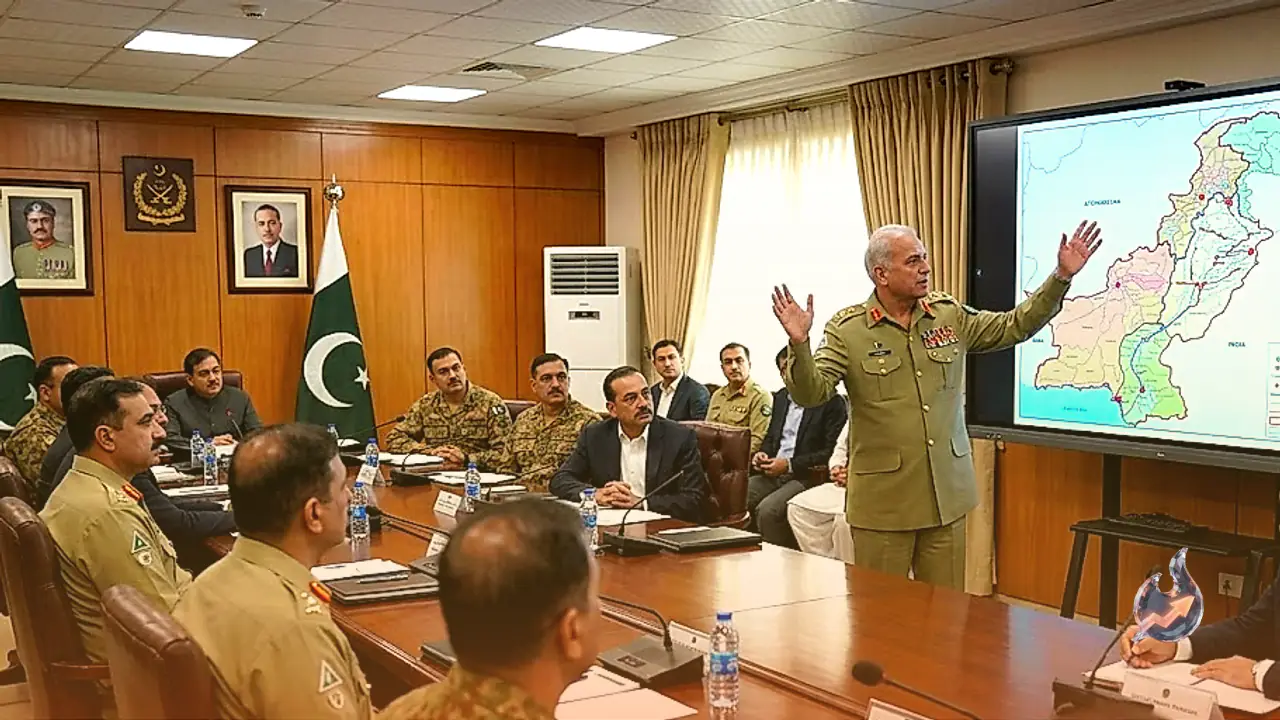
Under the administrative proposals currently being explored, Pakistan's four foundational provinces of Punjab, Sindh, Khyber Pakhtunkhwa, and Balochistan could be divided into smaller territories. The conceptual options range from establishing 12 to 15 brand new provinces to undertaking a sweeping decentralization into as many as 160 distinct local administrative units. While formal executive ratification has not yet been enacted, the mere advancement of such extensive reorganizations reveals an ambition to fundamentally alter how territory is administered.
Proponents of this restructuring argue that governing regions with extreme population densities and massive geographical footprints has grown increasingly unfeasible. Punjab alone accommodates an estimated 12.8 crore citizens, presenting severe bureaucratic hurdles when delivering essential state services from a single provincial center. Conversely, Balochistan spans the largest territorial landmass in the country but holds an estimated population of only 1.5 crore, making logistics and administrative access across vast distances exceptionally demanding.
Weakening Regional Political Strongholds and Center-State Dynamic
Beyond the logistical justifications, dividing the provinces carries profound political ramifications for the nation's traditional ruling factions. Regional power bases have historically defined Pakistani politics: the Pakistan Muslim League-Nawaz (PML-N) draws its primary electoral durability from Punjab, while the Pakistan Peoples Party (PPP) maintains a deeply entrenched stronghold throughout Sindh. Partitioning these extensive provinces would dilute their unified voting weight and significantly weaken the leverage provincial capitals hold when negotiating against federal authorities in Islamabad.
Troop Commitments to Saudi Arabia Bypassing Parliamentary Consensus
Military autonomy has extended equally into foreign policy and strategic defense deployments abroad. In response to mounting escalations and targeted strikes by Houthi rebels operating from Yemen, Pakistan agreed to station additional military personnel in Saudi Arabia. This mobilization follows the activation of a tripartite security accord established among Saudi Arabia, Pakistan, and Turkiye to coordinate regional defense responses.
Crucially, this foreign military deployment occurred without a debate or vote in the national parliament, and without formal deliberations before the cabinet headed by Shehbaz Sharif. The decision underscores a decisive pivot away from legislative oversight on matters of armed intervention outside national borders.
The Sharp Contrast with the 2015 Neutrality Stance
The recent troop deployment stands in striking contradiction to Pakistan's response during regional hostilities a decade ago. In 2015, Saudi Arabia formally requested combat troops, fighter jets, and naval vessels from Pakistan to support its campaign during the Yemen conflict. At that time, Pakistan's parliament convened and explicitly chose neutrality, resolving to avoid involvement in the cross-border confrontation. The military leadership of that period adhered strictly to the legislature's mandate. South Asia analyst Michael Kugelman observed that while the parliament once possessed the authority to veto foreign military expeditions and have the armed forces comply, that balance of institutional authority has transformed fundamentally.
Constitutional Amendments and Institutional Immunity
The consolidation of executive authority traces directly back to sweeping constitutional revisions enacted in November 2025. Those legislative alterations created a consolidated command structure covering the army, navy, and air force under Munir's direction. The amendments extended his tenure until 2030, granted him the rank of field marshal for life, and instituted complete lifetime legal immunity shielding him from any criminal prosecution. Critics emphasize that insulating the top command from civic accountability significantly erodes democratic safeguards and weakens parliamentary oversight across all tiers of governance.