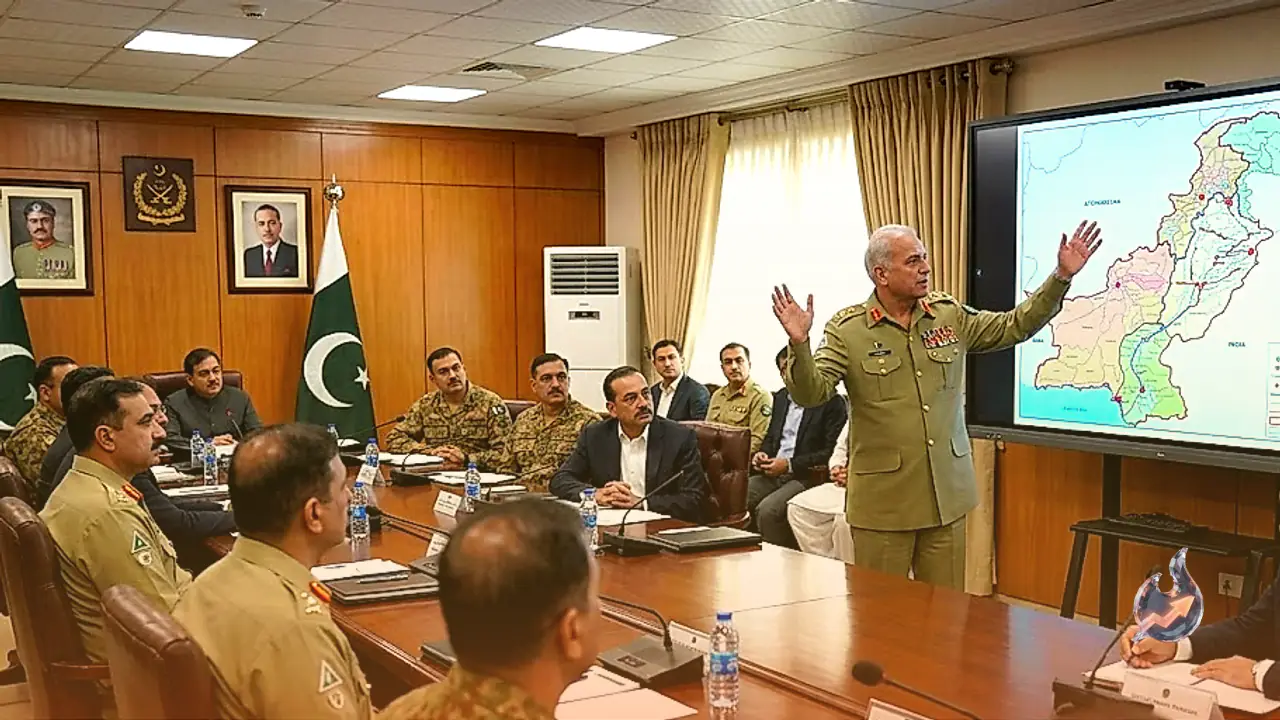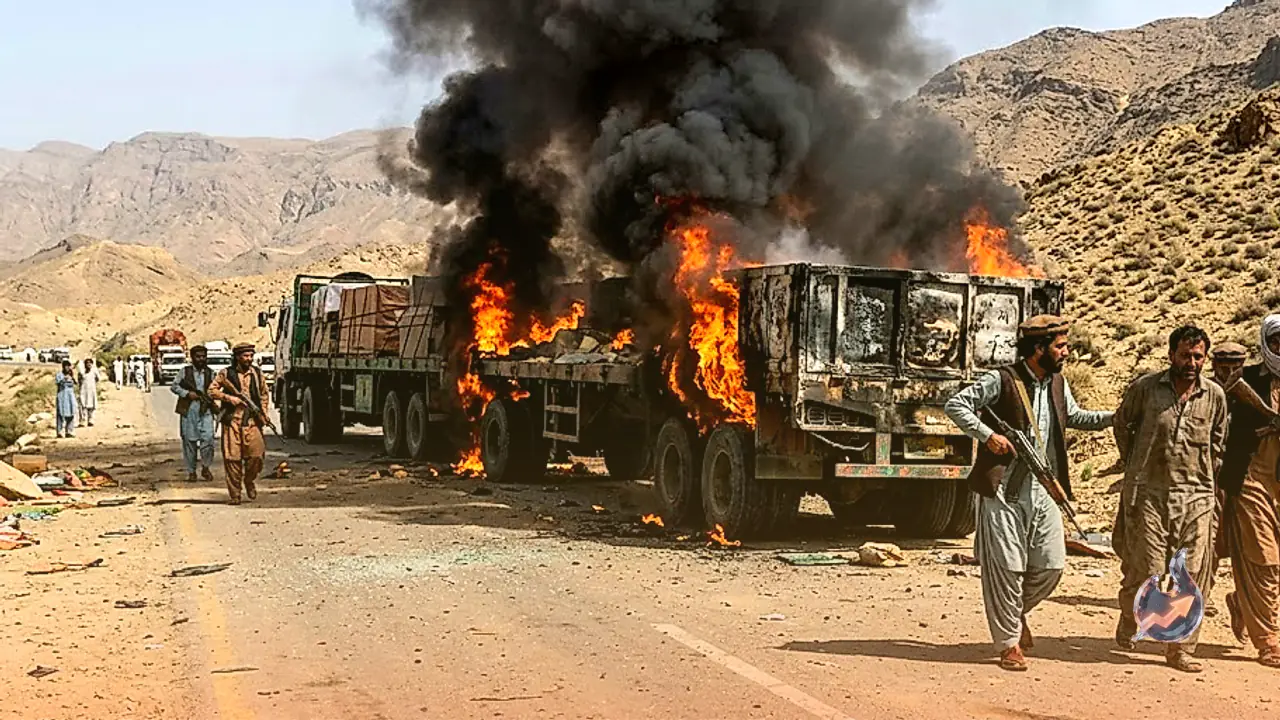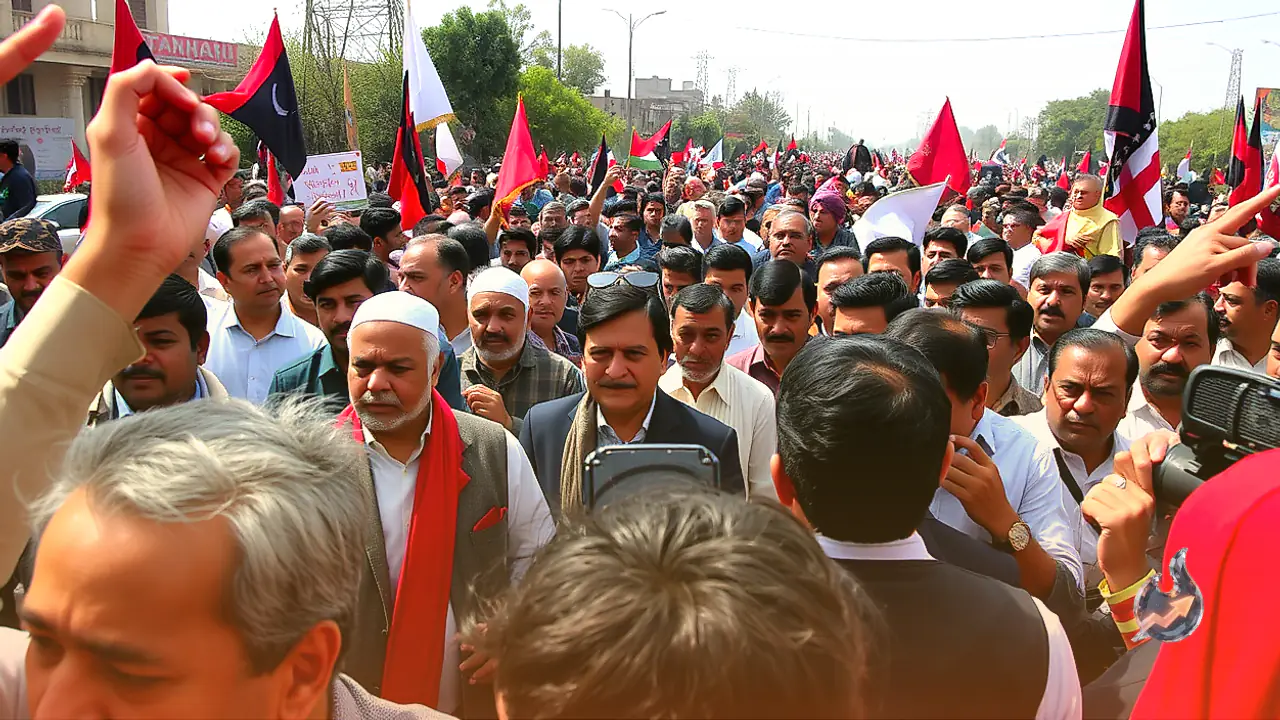






















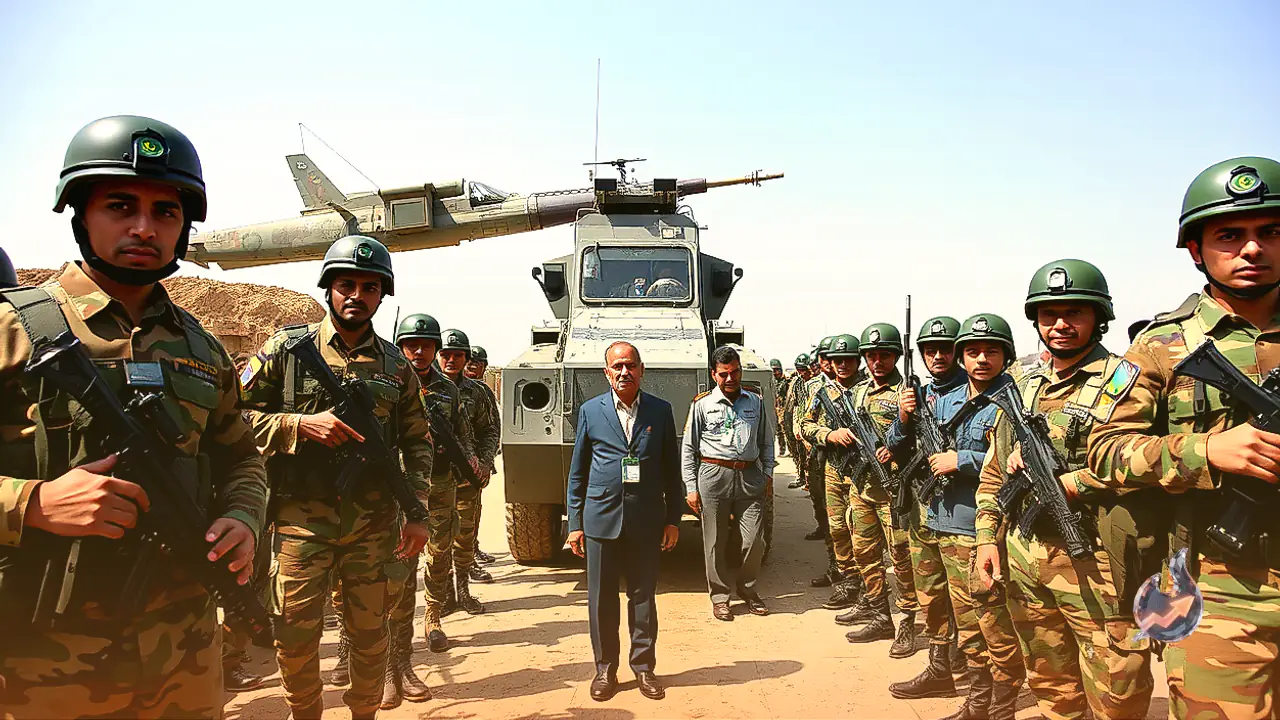

Centuries ago, King Philip of Macedon laid the foundation for the classic strategy of dividing territories to entrench central authority. Throughout history, authoritarian rulers have repeatedly turned to this playbook whenever they sought to solidify absolute control over their domains. In Pakistan, a similar dynamic is unfolding under the stewardship of Field Marshal Asim Munir. With Prime Minister Shehbaz Sharif and the national parliament largely bypassed on key strategic determinations, the military command has consolidated day-to-day authority. The latest blueprint emerging from Rawalpindi aims to dismantle the foundational federal map of the country by breaking up its four historic provinces.
Formally, President Asif Ali Zardari and Prime Minister Shehbaz Sharif occupy the highest constitutional offices in the state. Yet their executive standing has been reduced to symbolic protocol, as critical statecraft and governance policies are steered from behind the scenes by Asim Munir. Operating with unencumbered executive sway, the army chief is now preparing an administrative initiative that seeks to dissolve the four provinces that have defined Pakistan since its partition and formation in 1947.
A Radical Plan to Replace Four Provinces with up to 160 Administrative Units
The restructuring proposal under review involves liquidating the existing four provincial administrations and replacing them with 12 to 15 newly created states. Under an even more granular model, the plan envisions splintering the entire nation into as many as 160 smaller, significantly weakened administrative units. Crucial specifics regarding the day-to-day command of these proposed jurisdictions have not yet been made public. It remains unconfirmed whether these micro-units would be run by locally elected district councils, provincial assemblies, or unelected administrators appointed directly by the federal authority under Munir.
The underlying distribution of power resulting from such a fragmented map leaves little ambiguity about who stands to gain. Observers view this move as a controversial mechanism designed to facilitate an institutional power grab. By dissolving large provinces into numerous small entities, the military establishment would neutralize the ability of regional governments to organize coherent resistance against centralized dictates from the capital.
Demographic Imbalances and Chronic Governance Breakdowns
From an administrative perspective, proponents of the overhaul point to profound structural disparities among the current provincial divisions. Punjab stands as the country's most populous territory, housing 12.8 crore citizens and accounting for slightly more than half of the national population. In contrast, Balochistan, the least populated province despite its vast landmass, contains only 1.5 crore residents, representing roughly 6 percent of Pakistan's total headcount.
Governance delivery in Punjab remains far below acceptable standards, suffering from systemic breakdowns that extend well beyond routine corruption. Residents in rural districts often endure multi-hour journeys simply to access basic government offices and essential civic amenities. The deficit in foundational infrastructure is so acute that fewer than a quarter of all Punjabis have access to safe, piped drinking water within their homes.
Economic Distress, Military Commercial Interests, and the Freud Dilemma
Field Marshal Munir has maintained that the existing provinces are simply too unwieldy to govern effectively, arguing that their excessive size directly fuels the country's socioeconomic distress. The broader economic crisis in Pakistan is undeniable: the national economic growth rate has tumbled to less than half that of neighboring India, domestic inflation persists in double digits, and sovereign debt servicing obligations have escalated to unsustainable levels. Nevertheless, the underlying drivers of this decay are far more institutional than territorial.
A substantial share of Pakistan's economic stagnation stems directly from the military institution itself. Funded by ordinary taxpayers, the military leadership maintains an expansive lifestyle, controls vast tracts of prime commercial land, and manages an extensive corporate empire that routinely sidelines private sector competitors. Historically, Pakistan has spent roughly 20 percent of its sovereign existence under direct military dictatorships, while elected civilian governments during the remaining decades operated under constant intimidation by the armed forces. Furthermore, maintaining adversarial hostility toward India has served the institutional interests of the military budget, securing fiscal priority and social prestige at the direct expense of national prosperity.
Invoking the framework of twentieth-century thinker and neurologist Sigmund Freud, the Pakistani military embodies the exact problem it professes to solve—a classic dynamic of Freudian psychoanalysis. While Pakistan's administrative apparatus undeniably requires modernization, two fundamental concerns suggest caution regarding the army's restructuring proposals.
First, in a society characterized by fragile democratic plurality, large provinces have traditionally functioned as essential institutional counterweights against authoritarian overreach by the federal center. Punjab and Sindh, centered around Karachi, have served as resilient political bastions for the PML(N) and the PPP respectively. Even under past military dictatorships, these provinces preserved alternative bases of political legitimacy. The new proposal specifically targets this balance, seeking to dismantle the regional political dynasties of the Bhutto and Sharif families.
Second, this administrative overhaul is being directed personally by Field Marshal Munir, who has shown relentless resolve in keeping power concentrated under military oversight. By neutralizing both the PML(N) and the PPP, whose compromised national leaders currently occupy the prime ministerial and presidential offices, the military leadership seeks to eliminate any meaningful political challenge to its centralized rule.