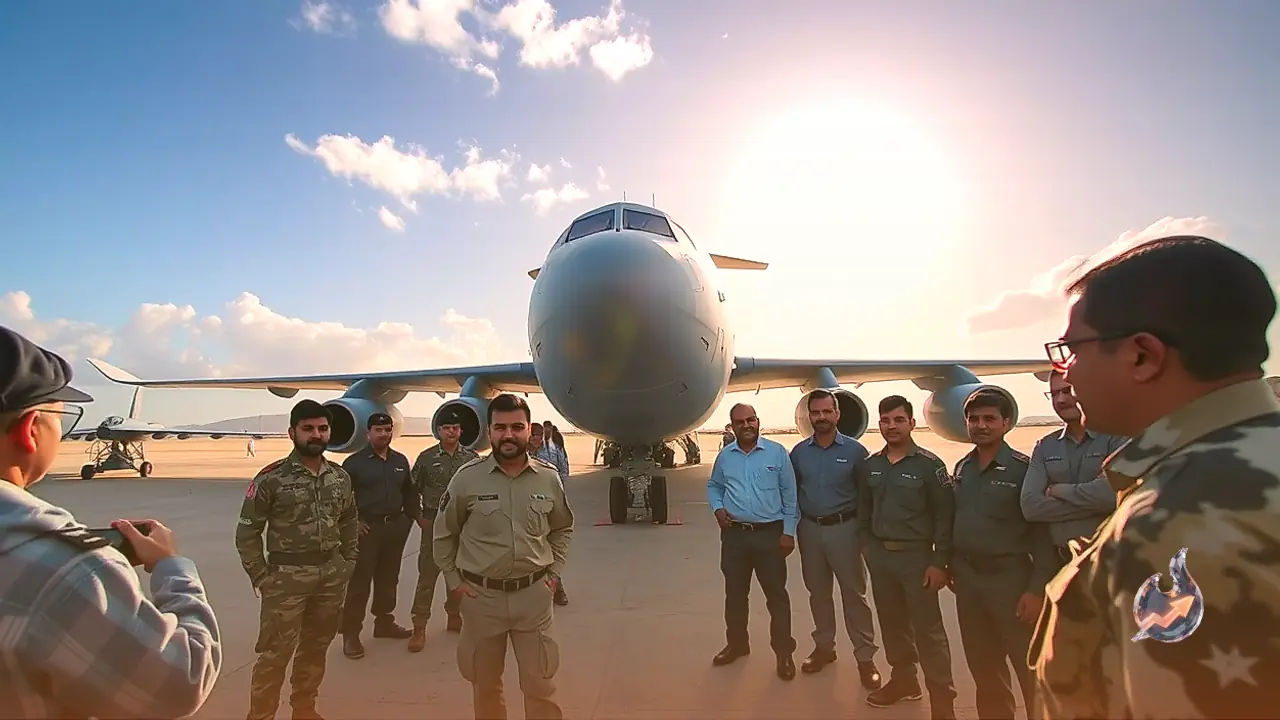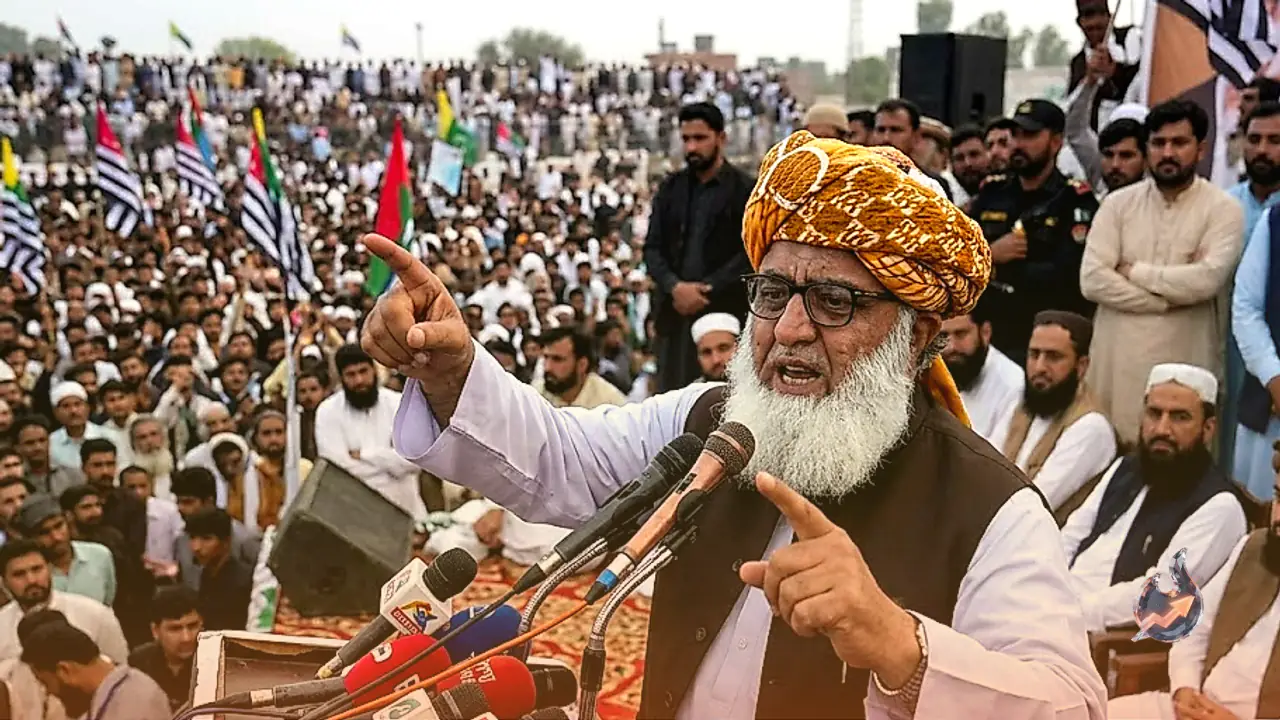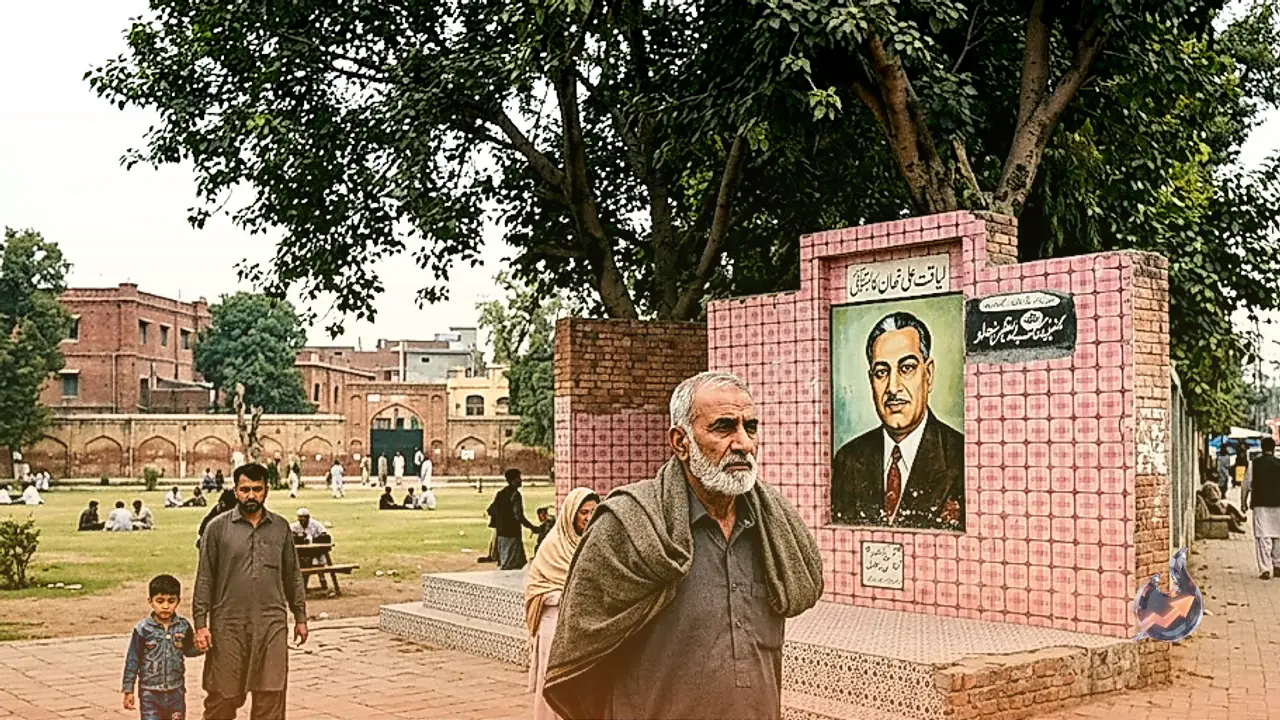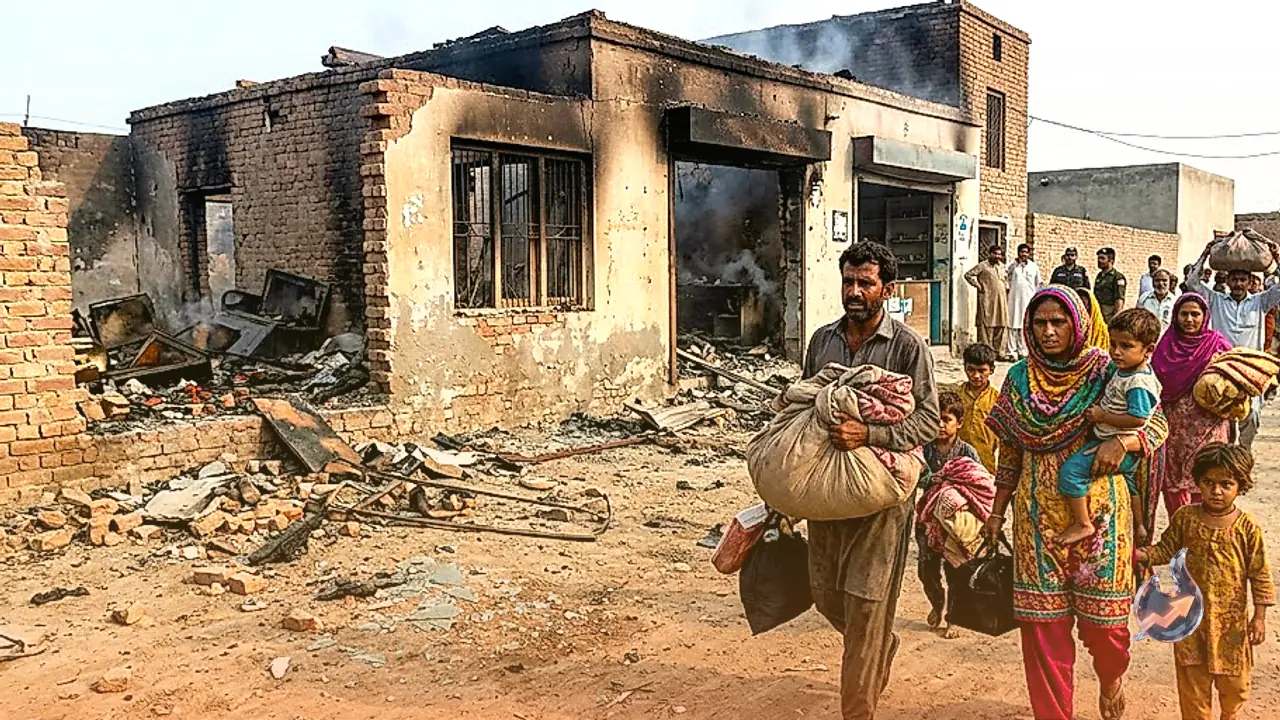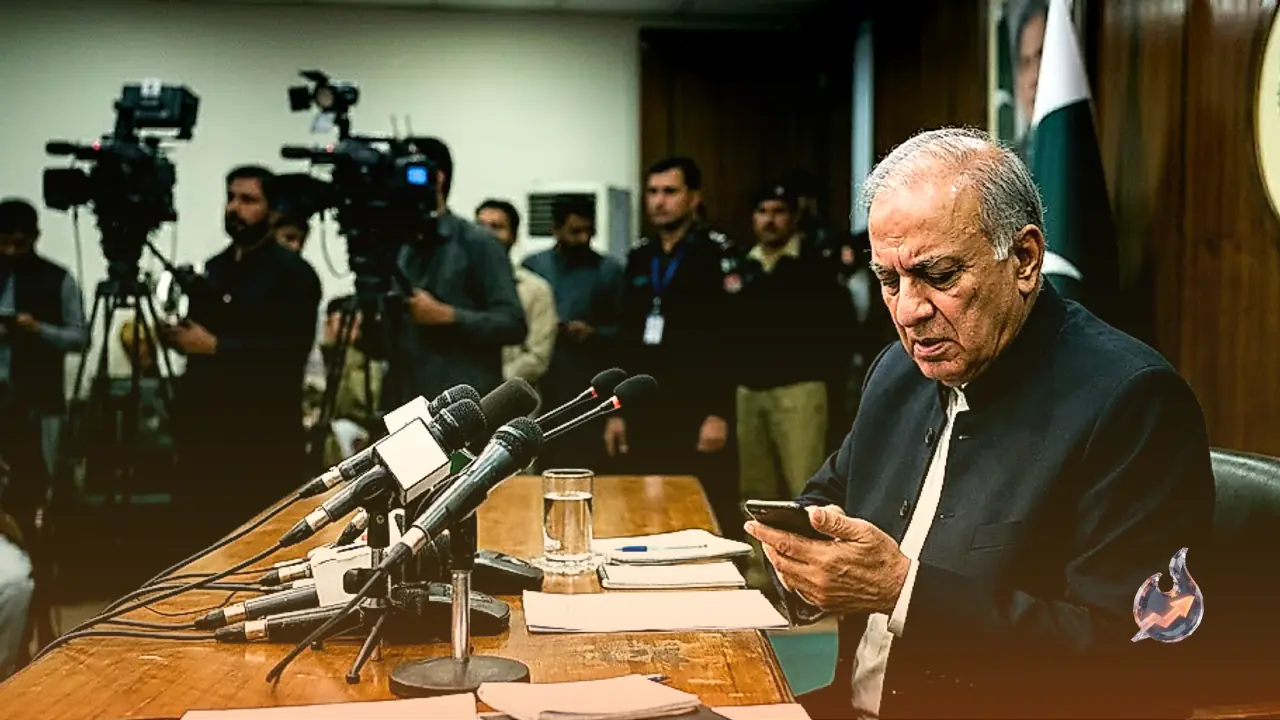
























The Pakistani government is formulating plans to execute significant administrative and constitutional restructuring in Pakistan-occupied Kashmir (PoK) and Gilgit-Baltistan. According to top official sources in Islamabad, high-level discussions are currently underway to grant these two territories an interim province-like constitutional recognition. This strategic shift could potentially be enacted through the widely discussed 28th Constitutional Amendment or introduced via separate legislative measures in the parliament.
Proposed Amendments to Article 1(2) of the Constitution
Under the existing legal framework, although PoK and Gilgit-Baltistan remain under Islamabad's direct governance, they are not formally cataloged alongside Pakistan's four main provinces, namely Punjab, Sindh, Balochistan, and Khyber Pakhtunkhwa. Consequently, these territories operate under a distinct constitutional entity separate from the rest of the nation. Article 1(2) of the Pakistani Constitution specifically outlines the boundaries and territories recognized as part of the country. Officials indicate that potential modifications to this specific provision are being deliberated. However, it remains undecided whether Article 1(2) will be altered directly or incorporated as part of the broader 28th Constitutional Amendment package.
Monitoring Sino-Indian Border Negotiations
A pivotal geopolitical factor driving Islamabad's consideration is its close monitoring of external diplomatic shifts. Pakistan is keeping a watchful eye on ongoing border discussions and gradual normalization of bilateral ties between India and China. Drawing parallels to India's 2019 constitutional overhaul that revoked Article 370 in Jammu and Kashmir, Pakistan appears to be seeking a calibrated legal adjustment to secure its territorial posture in the changing regional climate.
Interim Status while Maintaining Official Stand
The current proposal aims to bestow PoK and Gilgit-Baltistan with interim rights and structural organization akin to regular Pakistani provinces. Concurrently, Pakistani authorities intend to preserve their longstanding official diplomatic stance regarding the broader Kashmir dispute. Through this proposed legal transformation, Islamabad seeks to solidify its administrative grip while attempting to counterbalance evolving geopolitical dynamics across the region.