

















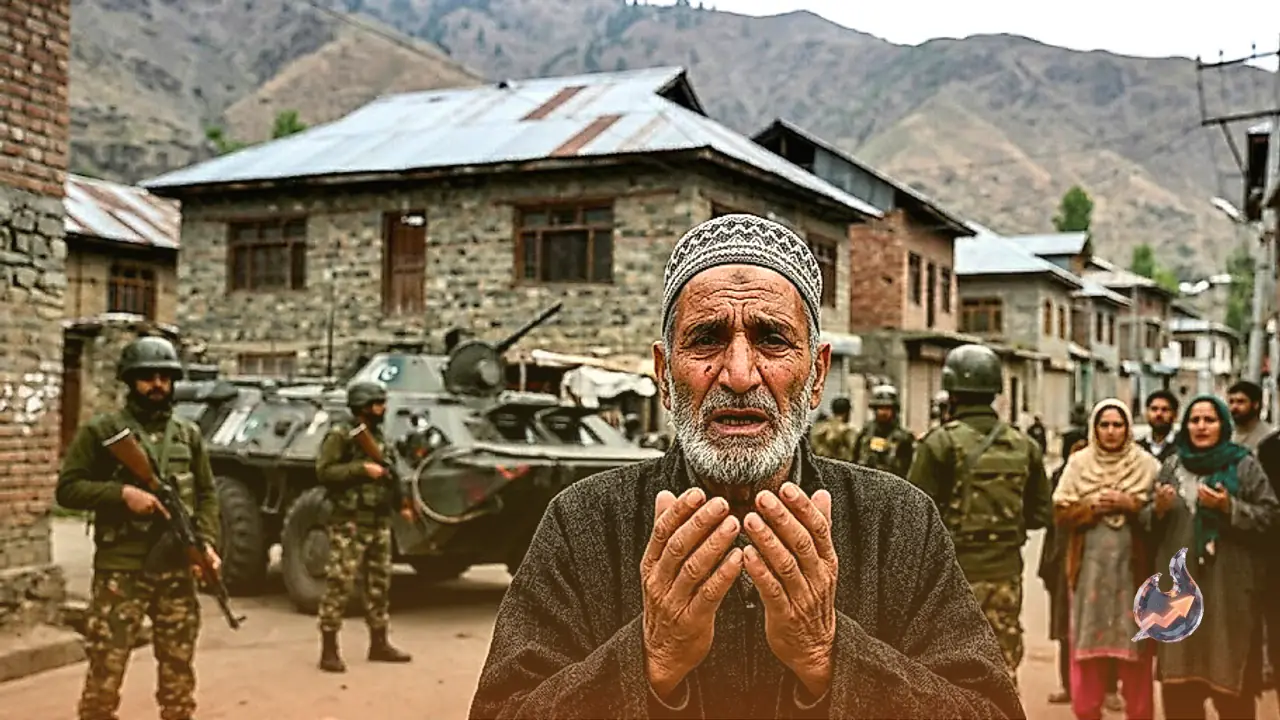

Widespread civilian unrest and heavy security force crackdowns have marred the ongoing election process in Pakistan-occupied Kashmir, which commenced on July 26, 2026. Over an intense two-day period on July 27 and July 28, violent clashes and armed interventions led to the deaths of at least 40 civilians across Rawalakot, Mirpur, and adjacent districts. Numerous others sustained severe injuries, while a large number of demonstrators were taken into custody without formal legal proceedings. The rapid deterioration of law and order has prompted human rights groups and distressed local residents to seek urgent international assistance, with some appealing directly to the Indian Army for relief.
UKPNP Raises Alarm Over Rising Casualties and Mass Arrests
The United Kashmir People's National Party (UKPNP) has levelled serious accusations against Pakistani security forces, documenting aggressive force used against civilian demonstrators in Rawalakot, Mirpur, and nearby locations on July 27 and July 28. According to statement details from UKPNP, approximately 40 people lost their lives during these two days, alongside widespread detentions conducted without legal authorization. Furthermore, the organization asserted that over 100 individuals have died across Pakistan-occupied Kashmir in related incidents since June 5.
Highlighting the severity of human rights violations, UKPNP appealed to the United Nations, the European Union, and the broader international community to intervene. The party urged global bodies to initiate an impartial investigation into the security force actions and to exert diplomatic pressure on Pakistan to uphold basic civilian protections.
Amnesty International Demands Independent Inquiry and Telecom Restoration
Global watchdog Amnesty International expressed grave concern regarding the reports emanating from Rawalakot and surrounding regions. Isabel Lassée, Acting Deputy Regional Director for South Asia at Amnesty International, stated that the unfolding events and reports of excessive force in Rawalakot are deeply troubling.
Amnesty International urged authorities to establish a transparent and independent probe into the violence. Additionally, the organization called for the immediate restoration of suspended telecommunication and internet services across the impacted territories to allow for open communication and public safety verification.
JAAC Condemnation and Public Appeals to the Indian Army
Sardar Aman Khan, a prominent leader of the Joint Awami Action Committee (JAAC), forcefully condemned the security operations, asserting that the fatal shooting of unarmed protesters over the past two days constitutes a targeted civilian massacre rather than routine law enforcement. He demanded that international organizations break their silence and pursue accountability for the victims' families.
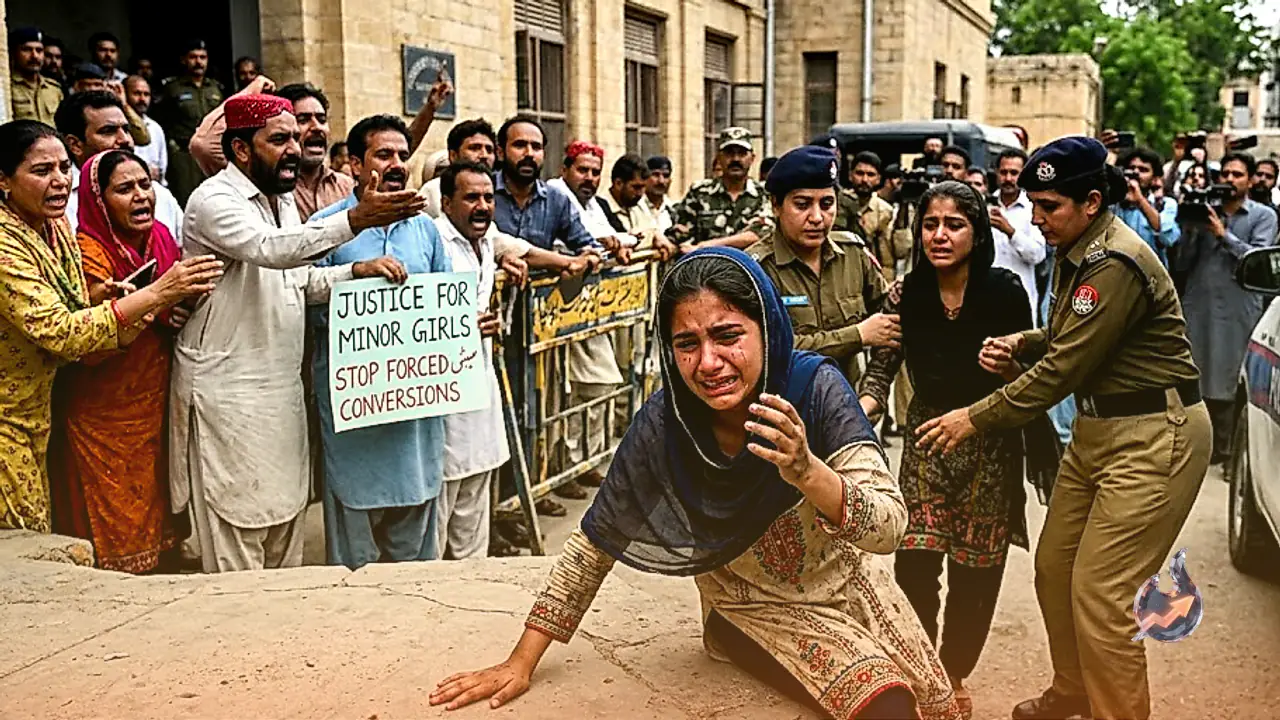
Meanwhile, online videos circulated widely on social media platforms showcasing local residents pleading for intervention. In a video shared by Shalinder Wangu on July 29, 2026, a Kashmiri woman from Pakistan-occupied Kashmir is seen tearfully requesting help from the Indian Army. Local voices describe an environment dominated by military suppression, expressing fear as violence grips the region.