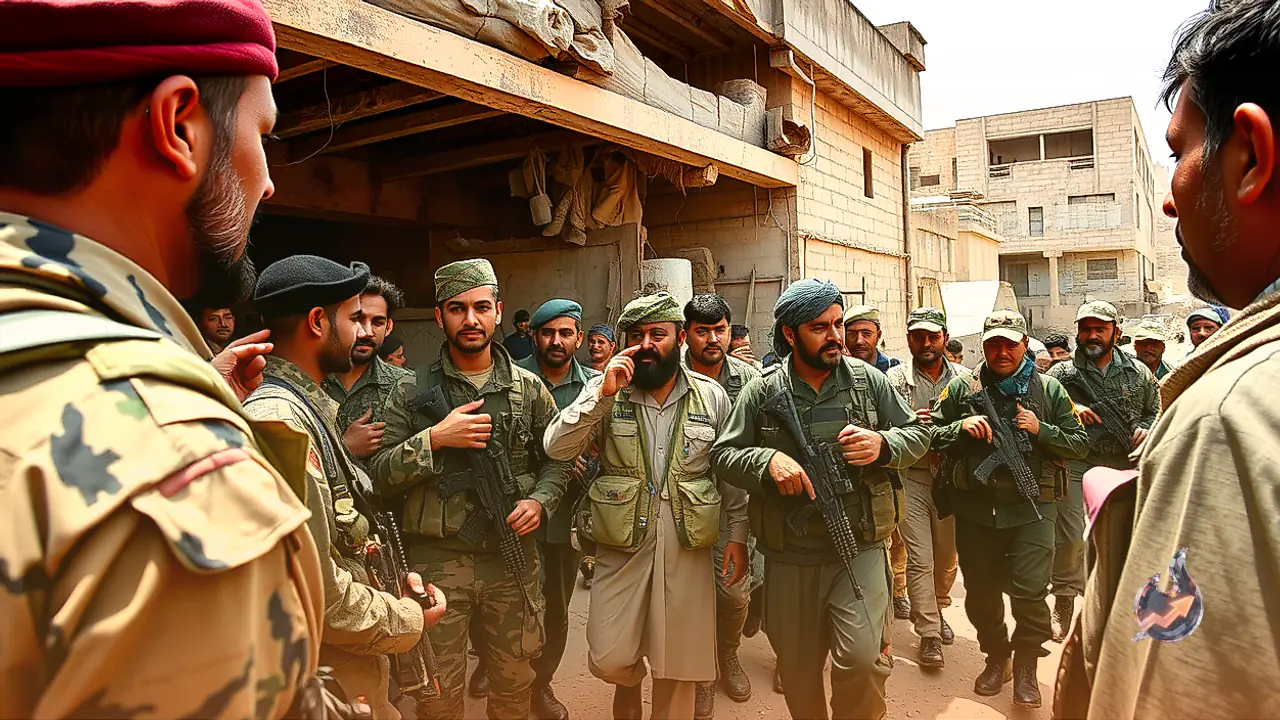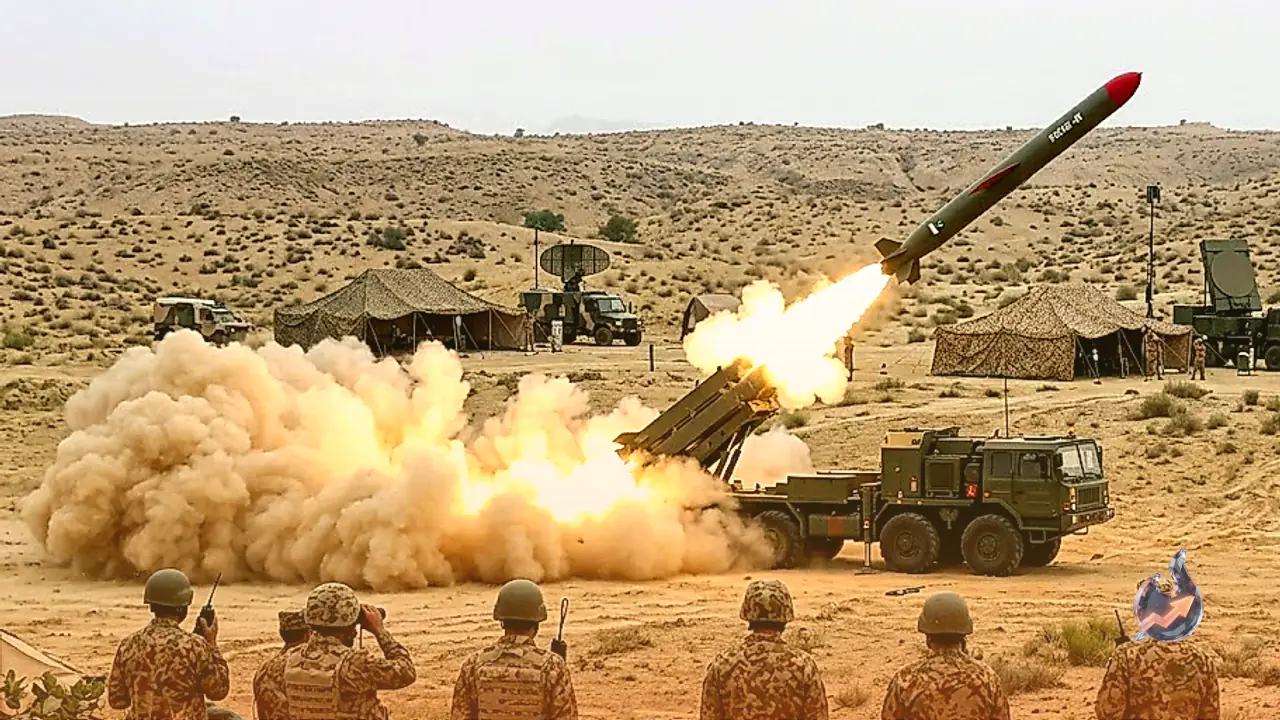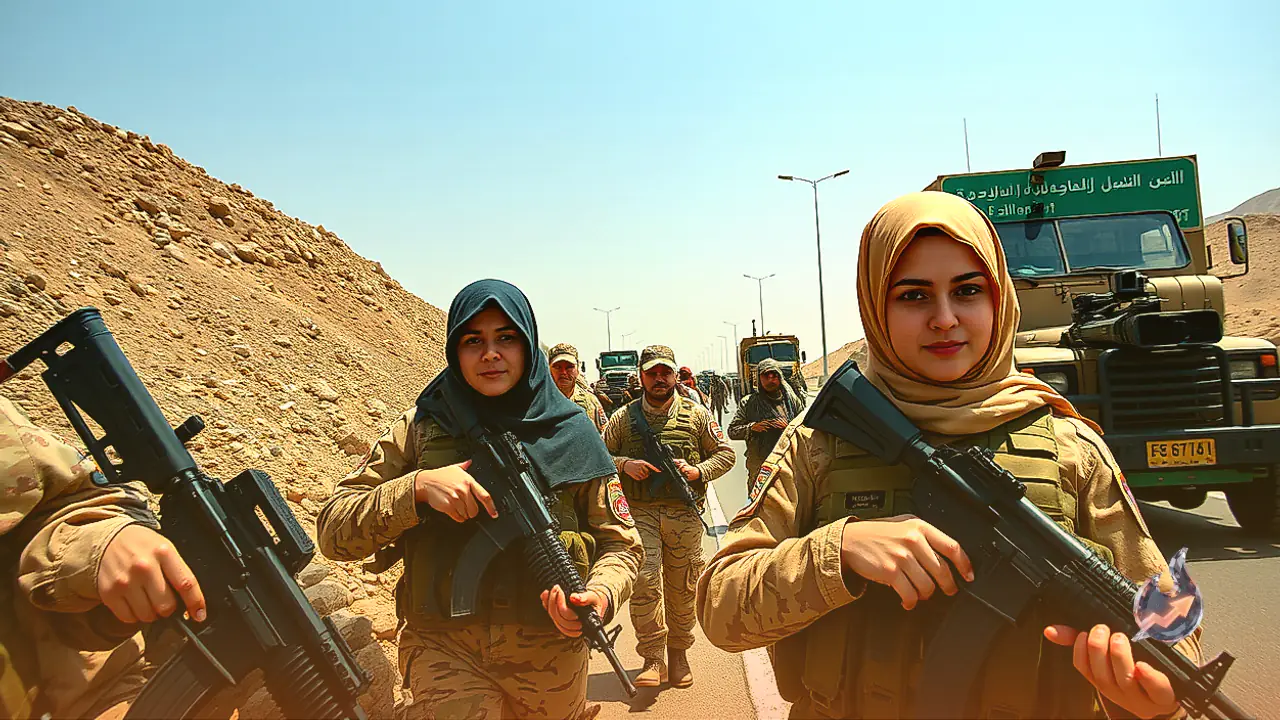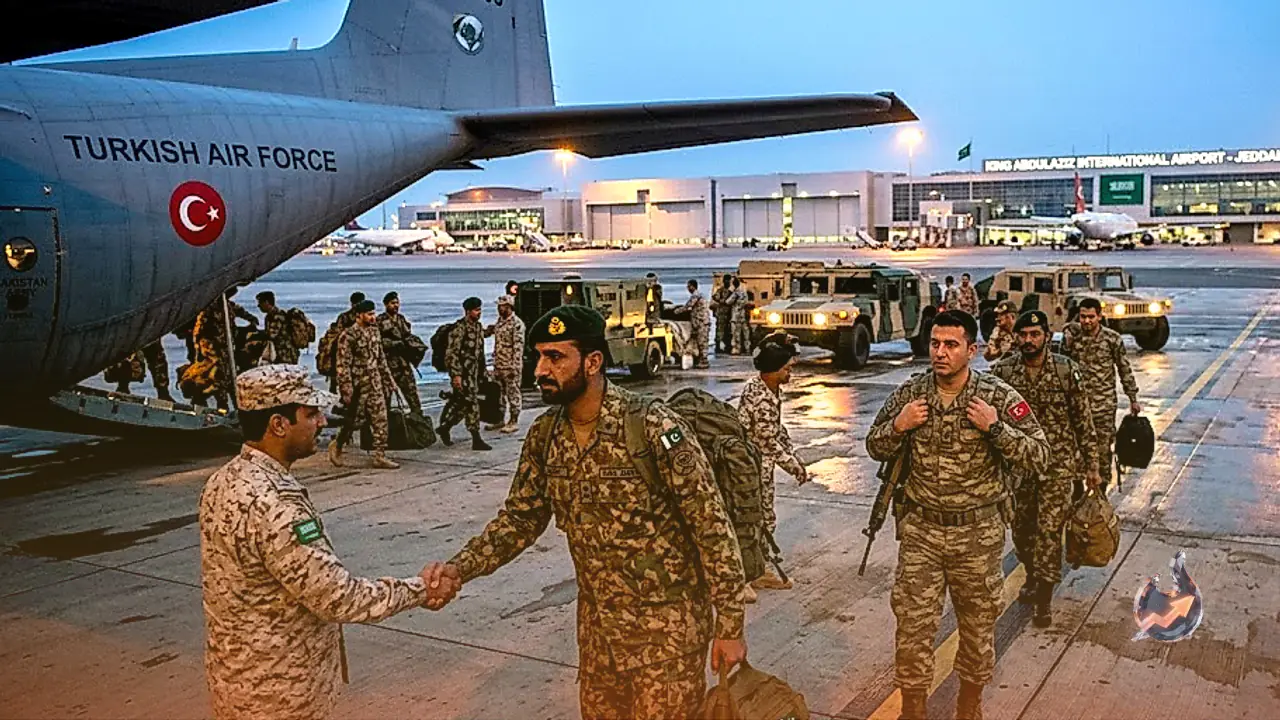



















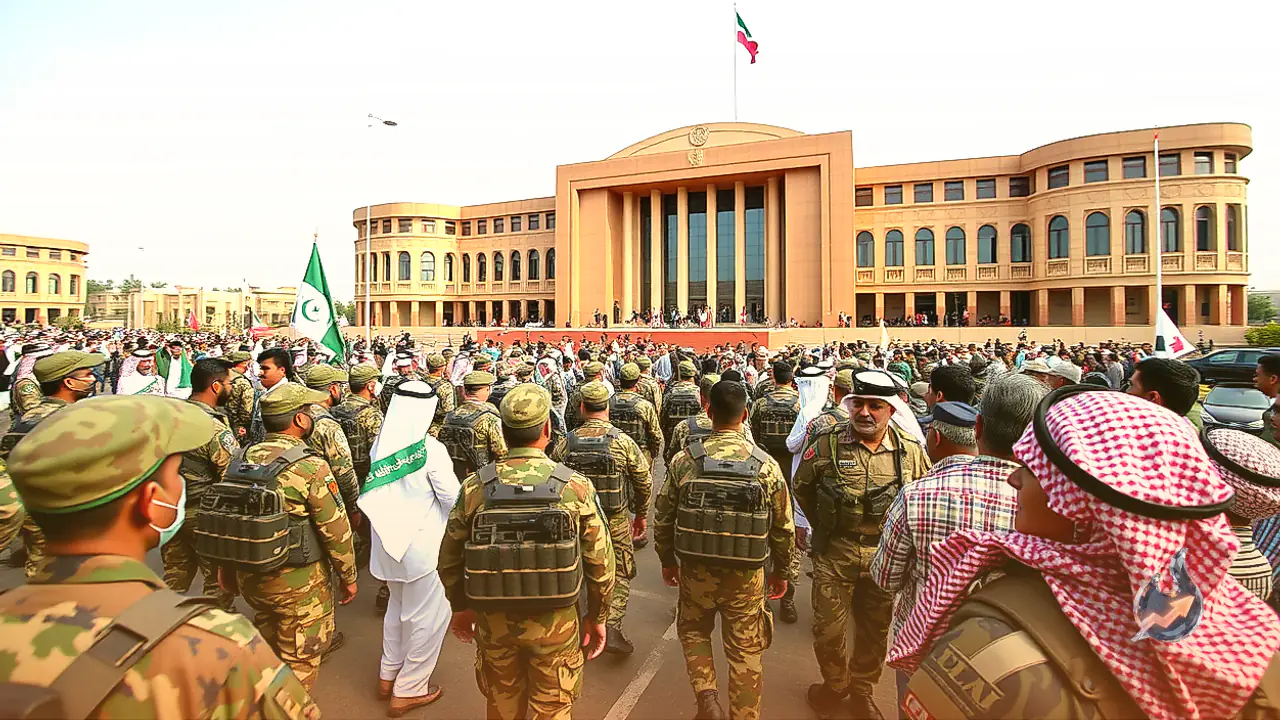

Pakistan's military leadership has taken full charge of key foreign policy and security directives, leaving the country's elected legislature entirely out of critical strategic choices. Under Field Marshal Asim Munir, the armed forces have approved the deployment of thousands of troops to Saudi Arabia without presenting the plan before parliament for discussion or approval. The move, executed under the tripartite Mecca Defense Pact, highlights the extent to which the military high command now overshadows civilian governance structures in Islamabad, sparking domestic debate over constitutional accountability and external security risks.
The Mecca Defense Pact and Rapid Overseas Deployment
The operational framework traces back to August, when Saudi Arabia, Turkey, and Pakistan finalized the Mecca Defense Pact. The agreement was enacted in response to recurring military strikes launched against Saudi targets by Iran-backed Houthi fighters operating from Yemen. Following persistent strikes on key installations, an emergency summit was convened in Riyadh, attended in person by Asim Munir.
At the conclusion of the Riyadh talks, the three partner nations announced an immediate rollout of allocated military forces to fulfill mutual defense commitments. In this entire decision-making loop, Pakistan's parliament and civilian leadership played no noticeable role. Military headquarters drove the deployment strategy directly, committing Pakistani personnel to active regional security duties without legislative scrutiny.
A Decade Apart: Contrasting 2015 With 2026
The current mobilization marks a sharp departure from historic precedents. Back in 2015, when Saudi authorities requested Pakistani military assistance to counter Houthi insurgents in Yemen, the government of then-Prime Minister Nawaz Sharif placed the request directly before parliament. Following extensive debate, lawmakers held a vote and unanimously resolved to maintain strict neutrality in the conflict, a resolution that the military institution respected at the time.
South Asia analyst Michael Kugelman observed that there was once a period when Pakistan's parliament voted against sending troops abroad and the military accepted that outcome, but the institutional dynamics have now shifted completely. When questioned on whether parliamentary or cabinet authorization had been secured for the current deployment, Pakistan's Ministry of Information offered an evasive response, stating merely that necessary official processes had been completed and declining further comment under the pretext of operational secrecy.
Constitutional Architecture and Munir's Expanded Authority
While critics argue that bypassing lawmakers undermines democratic governance, the legal framework of Pakistan offers specific context. Article 243 of the Constitution of Pakistan vests the command and control of the armed forces in the federal government, leaving the President as a ceremonial head. The constitution does not contain an explicit requirement mandating a parliamentary vote every time troops are deployed abroad or bilateral defense treaties are enacted.
The parliamentary vote seen in 2015 functioned as a political consensus-building exercise rather than a binding constitutional compulsion. Over the past year, extensive constitutional amendments significantly reinforced Munir's statutory footing. The legal changes established him as Supreme Commander of the armed forces through 2030, granted him the lifetime rank of Field Marshal, and provided total immunity from criminal prosecution. With civil-military lines increasingly blurred, formal cabinet sign-offs are treated as sufficient legal clearance, bypassing parliamentary review entirely.
Domestic Political Friction and Expanding Military Control
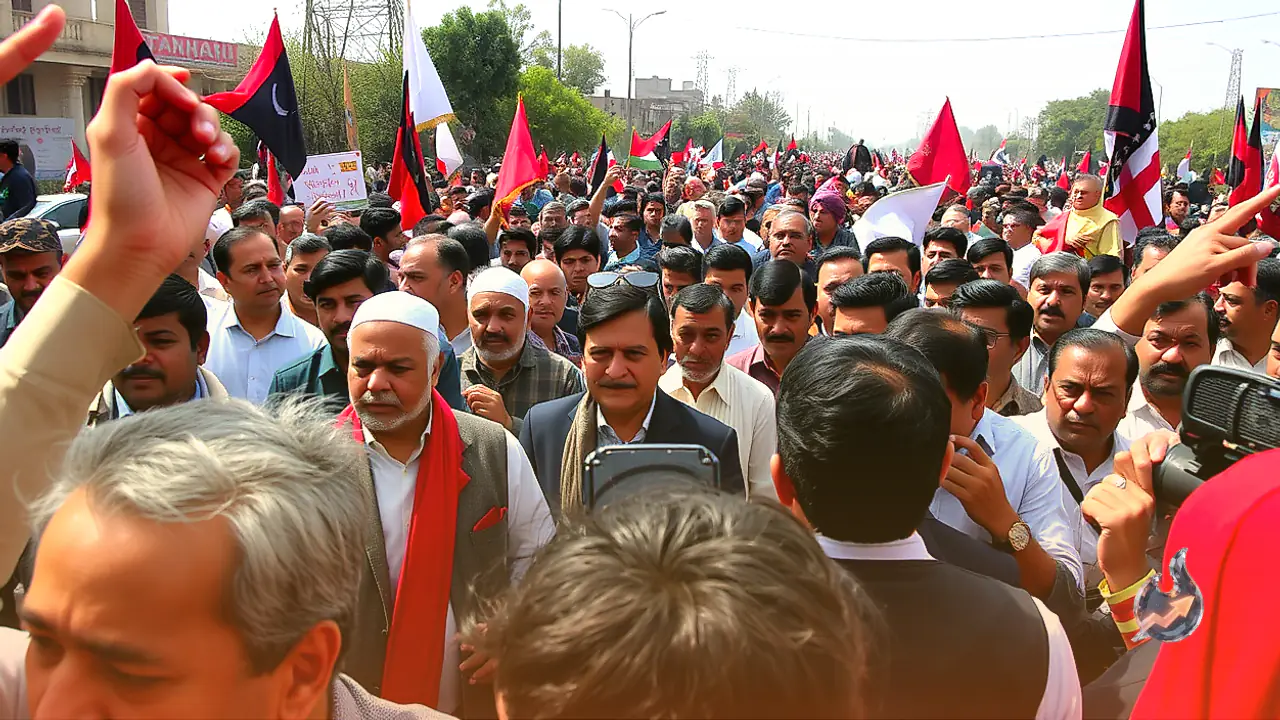
This foreign deployment unfolds alongside acute political instability within Pakistan. Pakistan Tehreek-e-Insaf, the political party led by imprisoned former Prime Minister Imran Khan, is organizing a massive protest march toward Islamabad, publicly accusing the military establishment of subverting democracy and running the country unchecked. Prime Minister Shehbaz Sharif has maintained silence over the decision to sideline parliament, while PTI spokesperson Zulfi Bukhari criticized the lack of political consultation on such an impactful national issue.
Andreas Krieg, an associate professor at King's College London, pointed out that foreign governments increasingly view Pakistan's military as the primary power center and engage with it directly. International partners treat the army as an indispensable actor, which further consolidates its domestic authority. Krieg cautioned that political systems operating without constitutional checks often move swiftly to enter international pacts, but struggle to rectify outcomes when those engagements extract severe strategic costs.
Regional Fallout and the Iran-Houthi Dilemma
The most delicate implication of this military deployment lies in its potential to disrupt Pakistan's regional balance. The Houthi movement receives direct backing from Tehran, while Islamabad has long sought to position itself as a diplomatic intermediary during periods of tension between the United States and Iran. Committing Pakistani personnel to direct defensive duties against Houthi forces threatens to strain diplomatic relations with Iran.
Houthi fighters have intensified strikes on Saudi maritime vessels and oil infrastructure since July. Recent accusations also point to a strike on an electrical power station supplying the Prophet's Mosque in Medina. Placing Pakistani armed units in the crosshairs of these confrontations risks exposing them directly to Iran-aligned factions, potentially drawing Pakistan deeper into a volatile Middle Eastern quagmire.