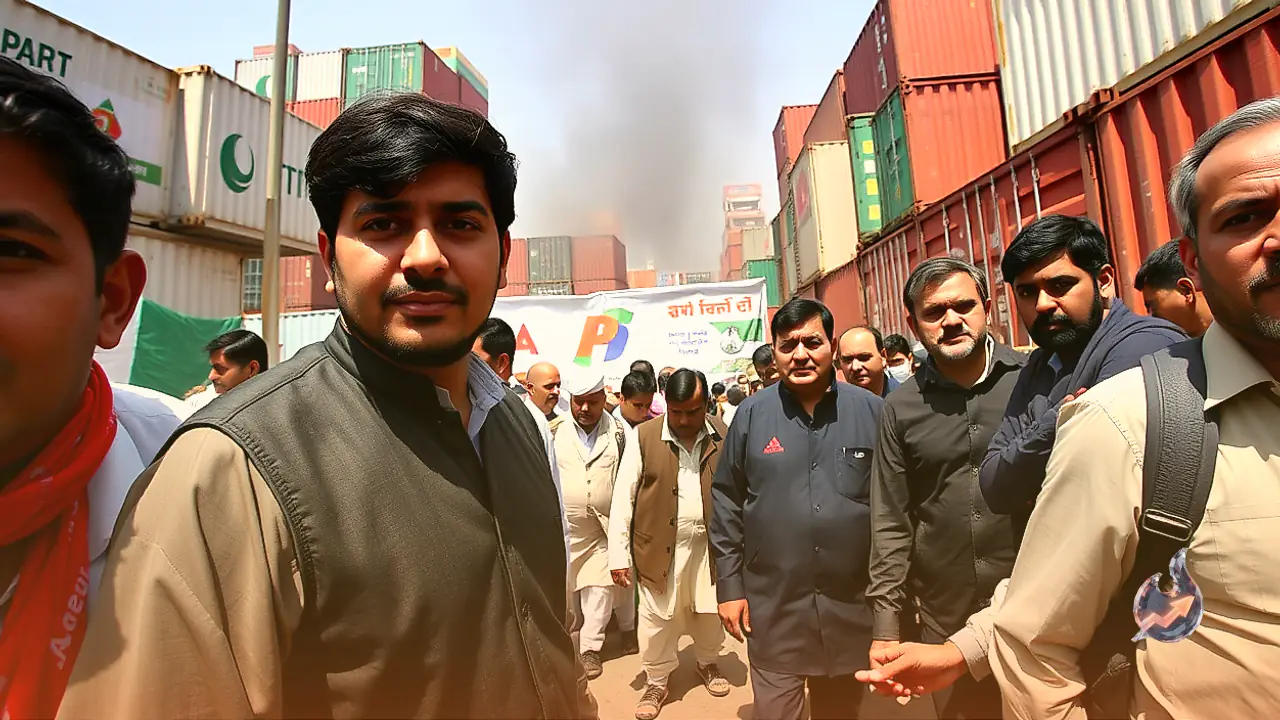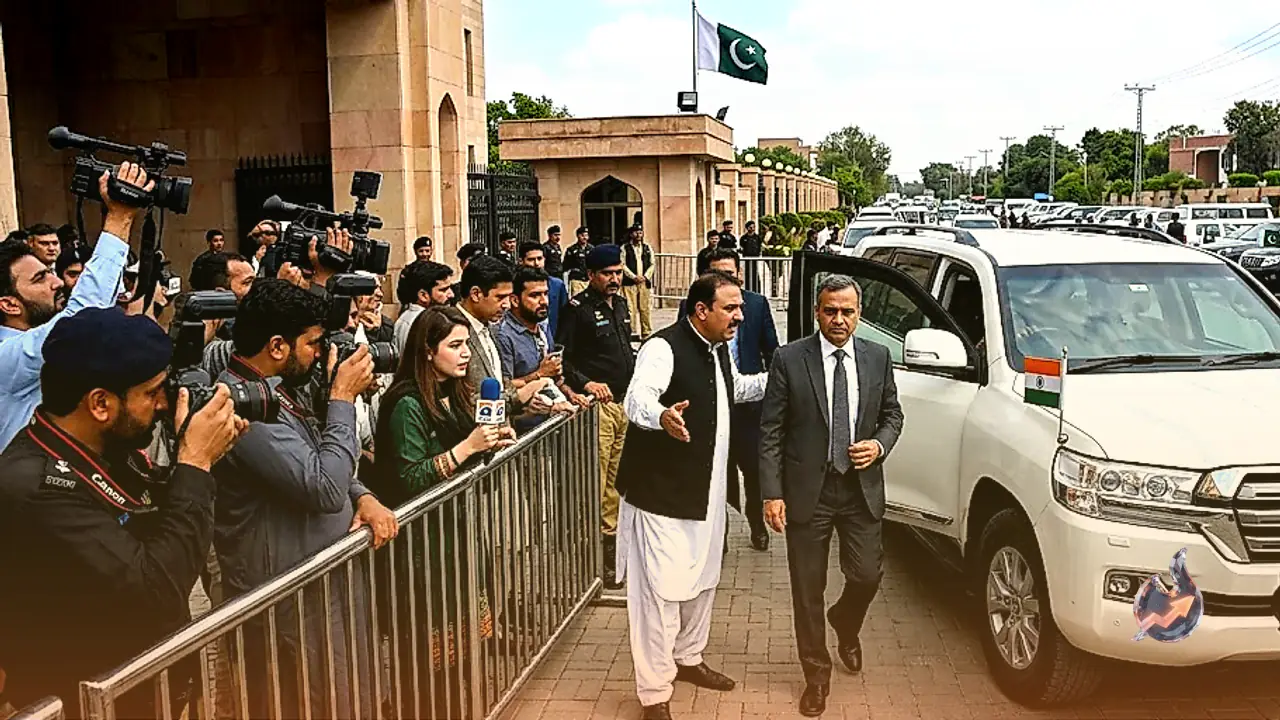

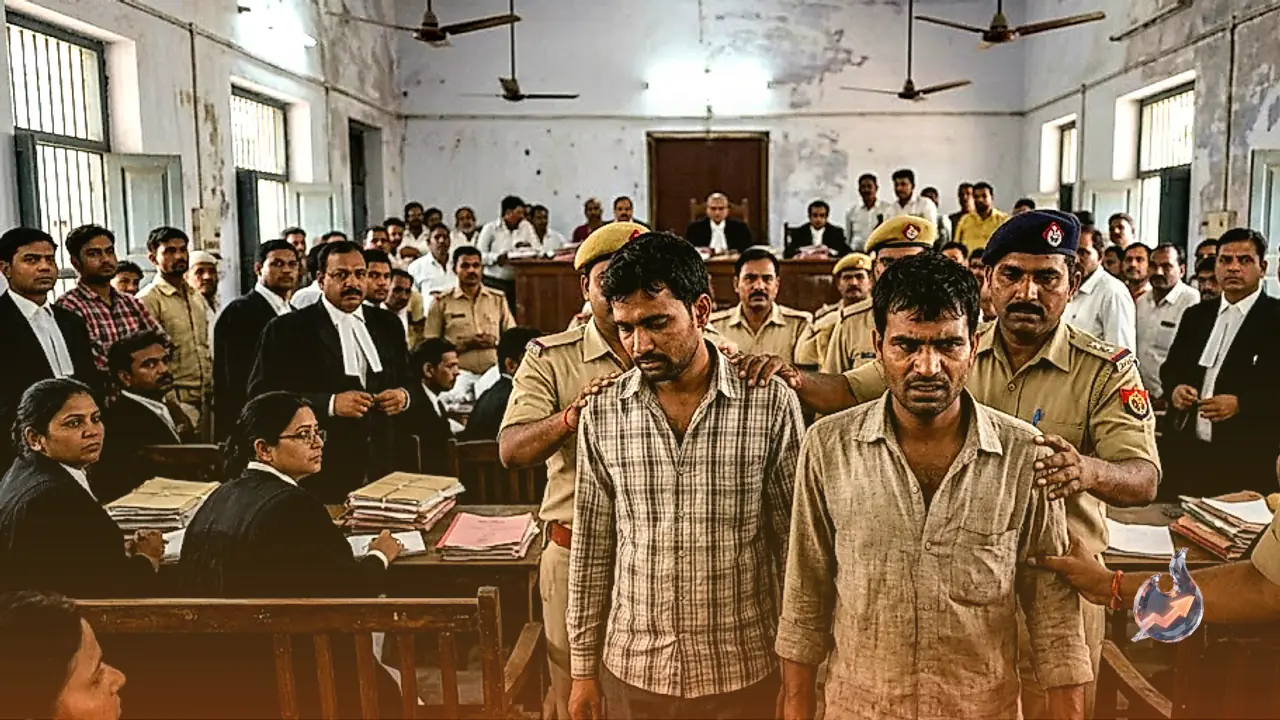















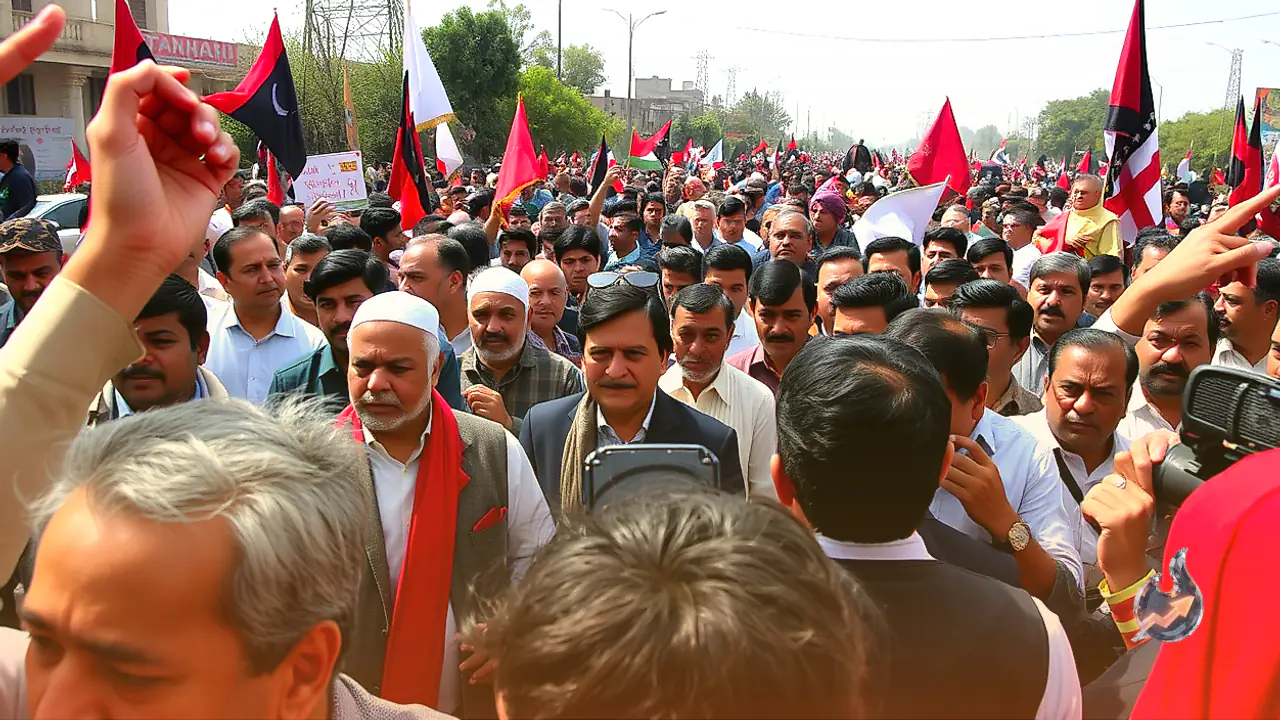

A fresh wave of intense political confrontation has gripped Pakistan, stretching from parliamentary corridors to major thoroughfares. The aggressive protest marches and rallies organized by Imran Khan's party, Pakistan Tehreek-e-Insaf (PTI), have confronted Prime Minister Shehbaz Sharif's administration with severe governance and security headaches. As demonstrations gather momentum, the broader opposition is increasingly coordinating its stance against the ruling setup, demanding an end to coercive administrative tactics.
Fazlur Rehman Challenges State Crackdown
A crucial turning point in the unfolding standoff emerged when Jamiat Ulema-e-Islam-Fazl (JUI-F) chief Maulana Fazlur Rehman publicly rebuked the federal administration. Rehman unequivocally declared that the state cannot strip citizens or political movements of their fundamental democratic entitlement to peaceful assembly and protest. Emphasizing the urgent necessity of negotiation, he urged the Shehbaz government to discard hardline postures in favor of political dialogue and structured consensus.
Appealing for de-escalation between the ruling coalition and opposition ranks, Rehman underlined that protracted political and security disputes can never be resolved through raw military coercion or administrative violence. His sharp intervention landed precisely as PTI intensified street mobilization against the government. Observers note that the present friction has transcended regular partisan rivalry, directly disrupting the stability of state institutions and core administrative functioning.
The Leverage of Street Politics and Long Marches
The tactical deployment of mass long marches to corner sitting regimes is a deeply rooted feature of Pakistani political history. Over decades, public demonstrations marching upon the federal capital have repeatedly tilted institutional balances, yet the current agitation carries heightened consequences. For PTI, the ongoing long march represents much more than a routine crowd gathering; it functions as an aggressive strategy to box in the ruling alliance and compel acceptance of its political demands.
This aggressive street mobilization presents the government with an acute dilemma regarding law enforcement. On one hand, maintaining public order, traffic flow, and civilian safety inside Islamabad and surrounding urban centers is an inescapable responsibility. On the other hand, the opposition frames state countermeasures as attacks on basic civil liberties and constitutional rights. Should authorities employ heavy-handed policing and force to seal routes, the opposition immediately weaponizes state repression narratives. Conversely, permitting unhindered protest access risks bringing commercial and administrative operations in the capital to a complete standstill.
Prospects for Opposition Unity and All Parties Conference
Another profound consequence of the long march is the burgeoning coordination among disparate opposition factions. PTI figures have extended an official invitation to Maulana Fazlur Rehman to participate in a proposed All Parties Conference (APC). Should this joint convention materialize and yield an agreed-upon minimum common agenda, the administrative and political pressure on the Sharif government will multiply drastically.
Nevertheless, historical precedents show that Pakistan's opposition front rarely maintains seamless unity. Conflicting electoral interests, diverging ideological platforms, and leadership rivalries routinely undermine collective initiatives. Underscoring this cautious reality, Fazlur Rehman confirmed that JUI-F will undertake thorough internal deliberations before deciding whether to formally attend the APC.
Economic Strain and Vulnerable Security Fronts
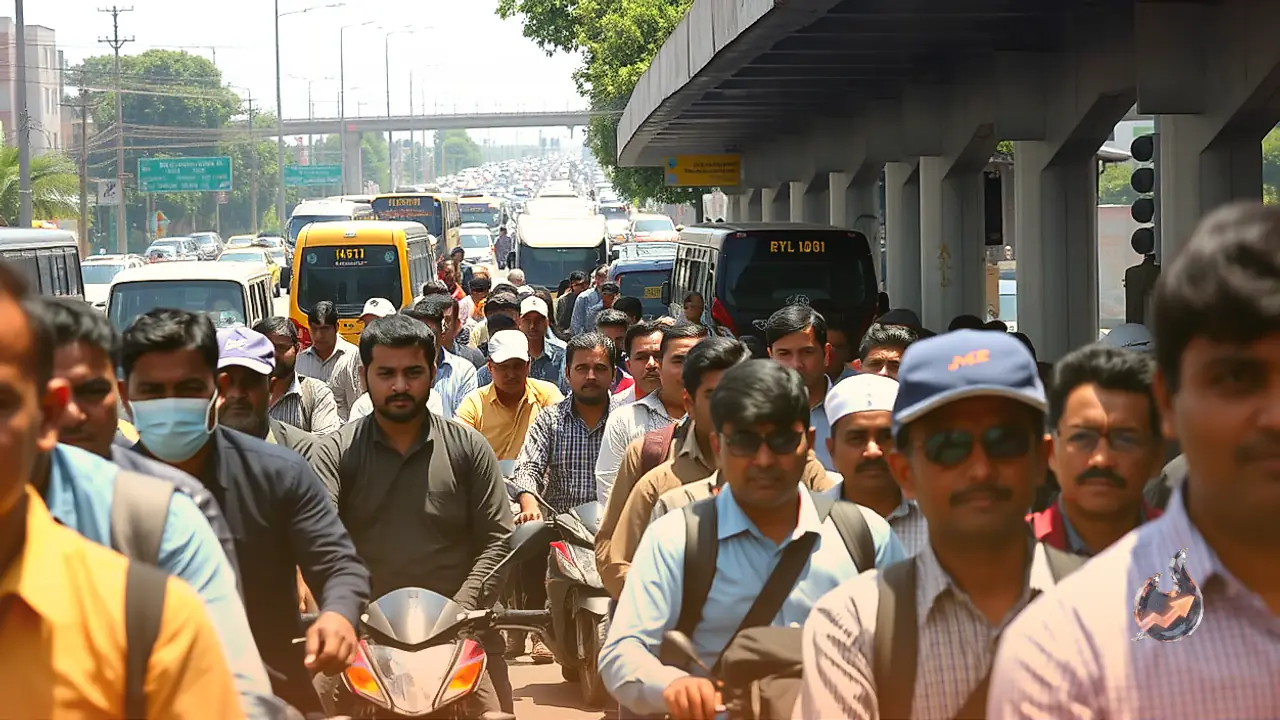
The ripple effects of continuous political friction extend far beyond parliamentary skirmishes. Persistent agitation invariably disrupts public transport, logistical corridors, market operations, and day-to-day civilian life across major districts. With Pakistan already burdened by fragile macroeconomic indicators, prolonged instability directly undermines business sentiment and scares away vital commercial investment.
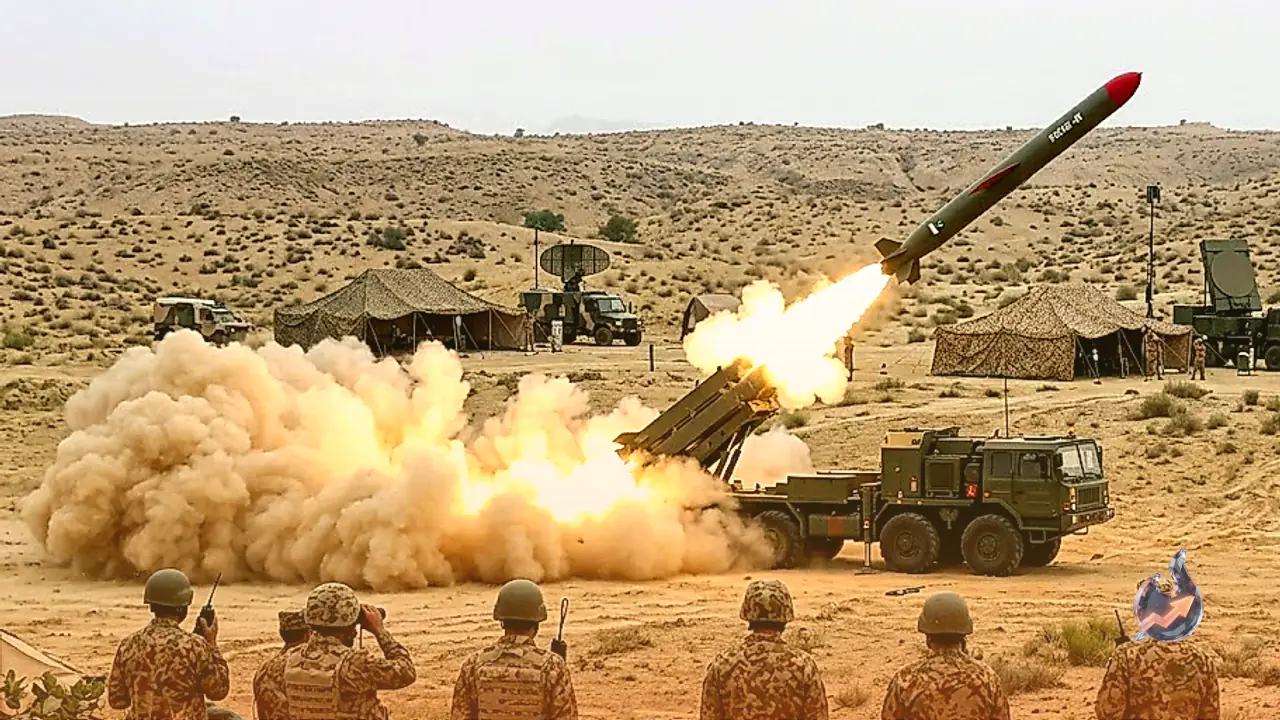
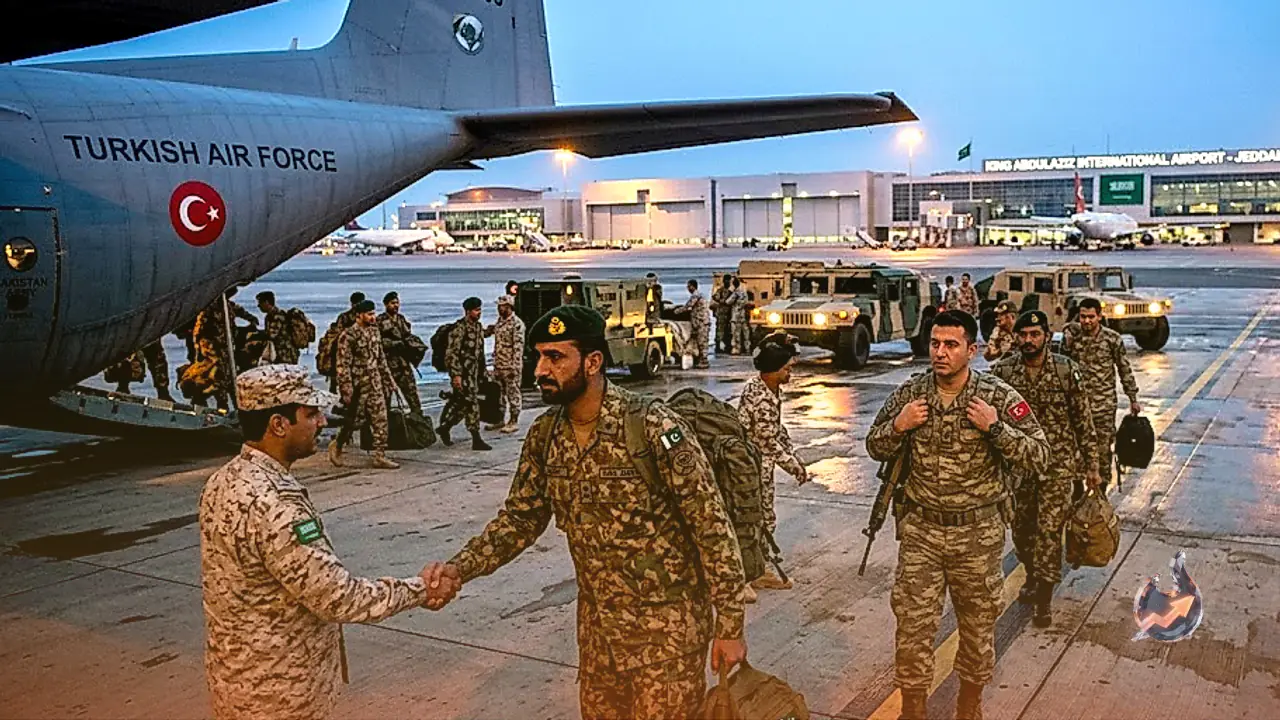
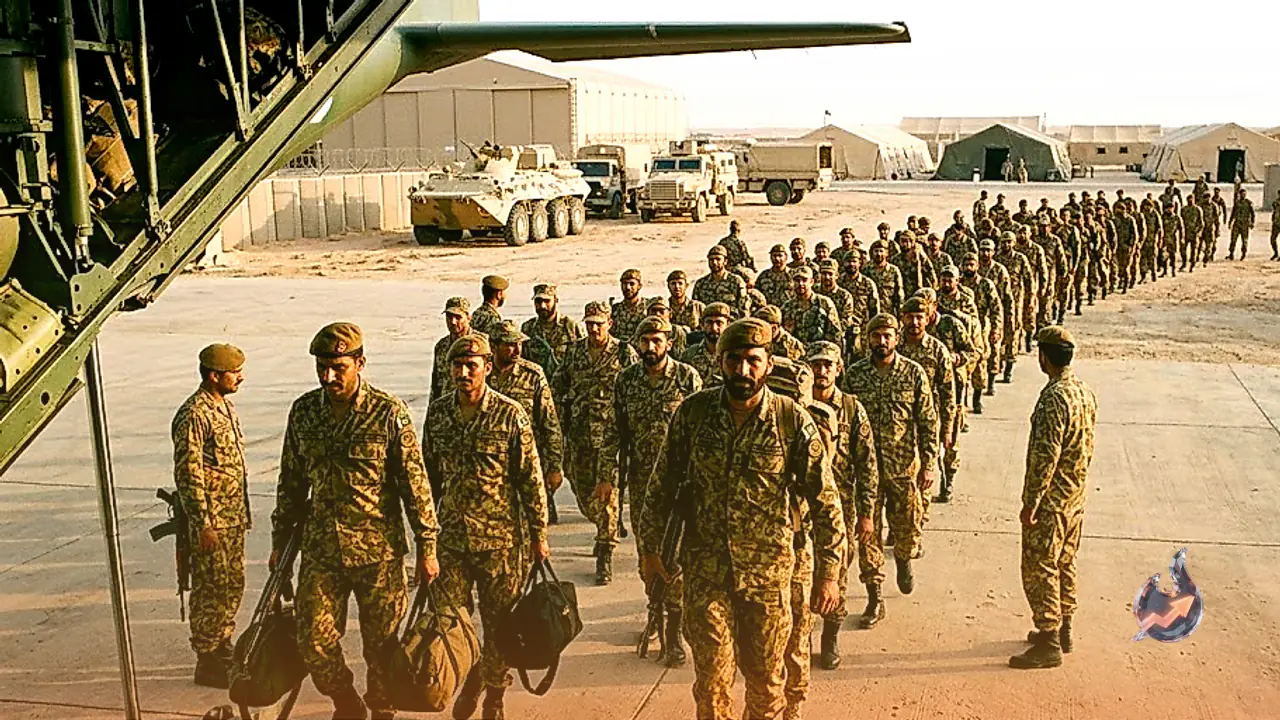
On the security front, circumstances are extraordinarily sensitive. While Pakistani troops are dispatched to Saudi Arabia under the terms of the Mecca Pact, defense anxieties along the Afghan border continue to escalate. Prime Minister Shehbaz Sharif has highlighted that terrorism in Khyber Pakhtunkhwa is resurging and demands uncompromising deterrence. In this precarious climate, domestic riots and street confrontations risk overstretching security agencies and aggravating nationwide vulnerability. If the government maintains an inflexible posture, tensions may worsen, demonstrating once again that street power remains a decisive currency in Pakistani politics.