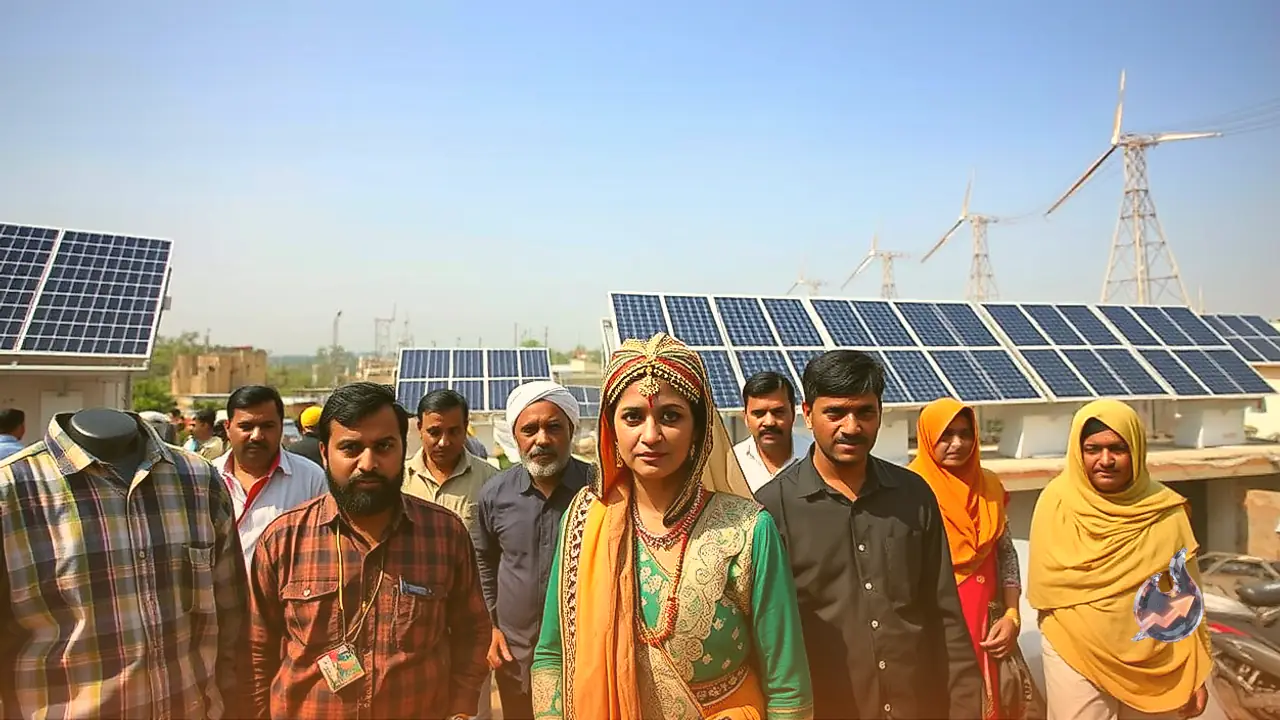



















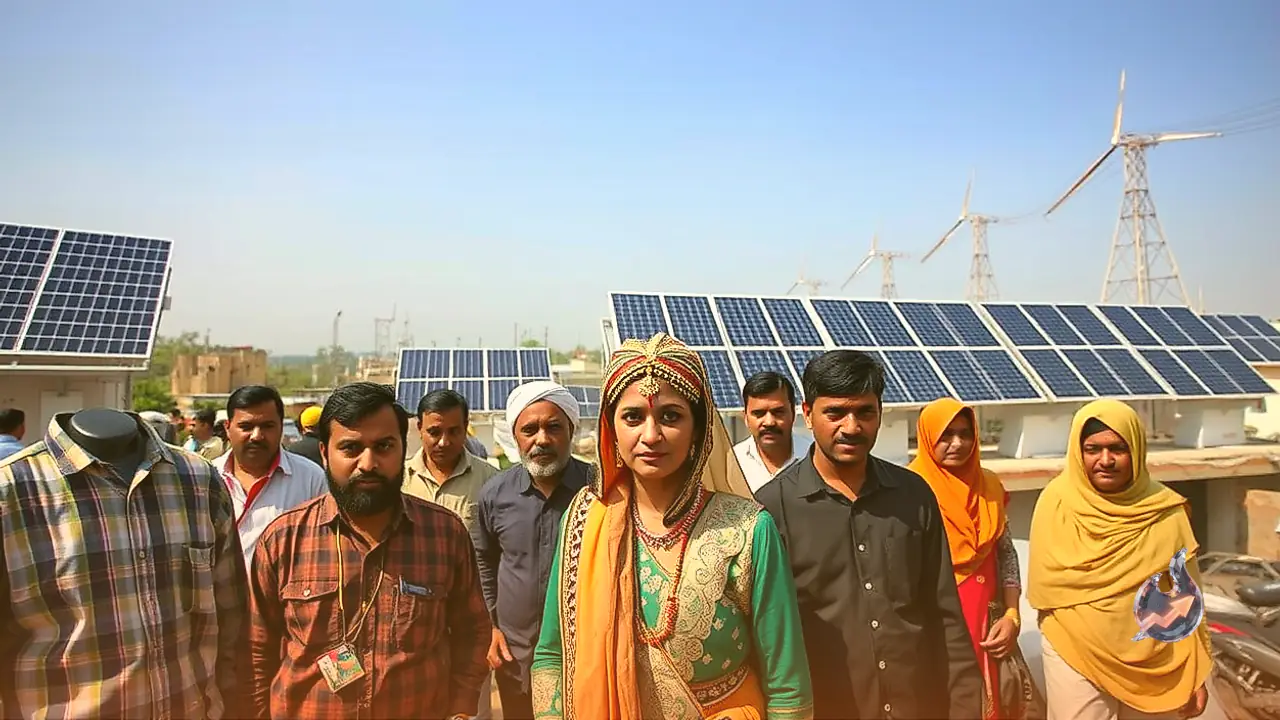

Soaring electricity tariffs across Pakistan have strained household finances to such an extent that families are now presenting solar panels as wedding gifts and dowry to secure a reliable power supply. The cost of electricity generated through conventional hydropower projects has climbed to between 21 and 25 rupees per unit, rendering standard grid power increasingly unaffordable for ordinary consumers. Faced with mounting monthly bills, households have turned rapidly to Chinese equipment, driving a widespread shift toward independent rooftop generation across urban and rural neighborhoods alike.
The Pivot Away From Expensive Hydropower
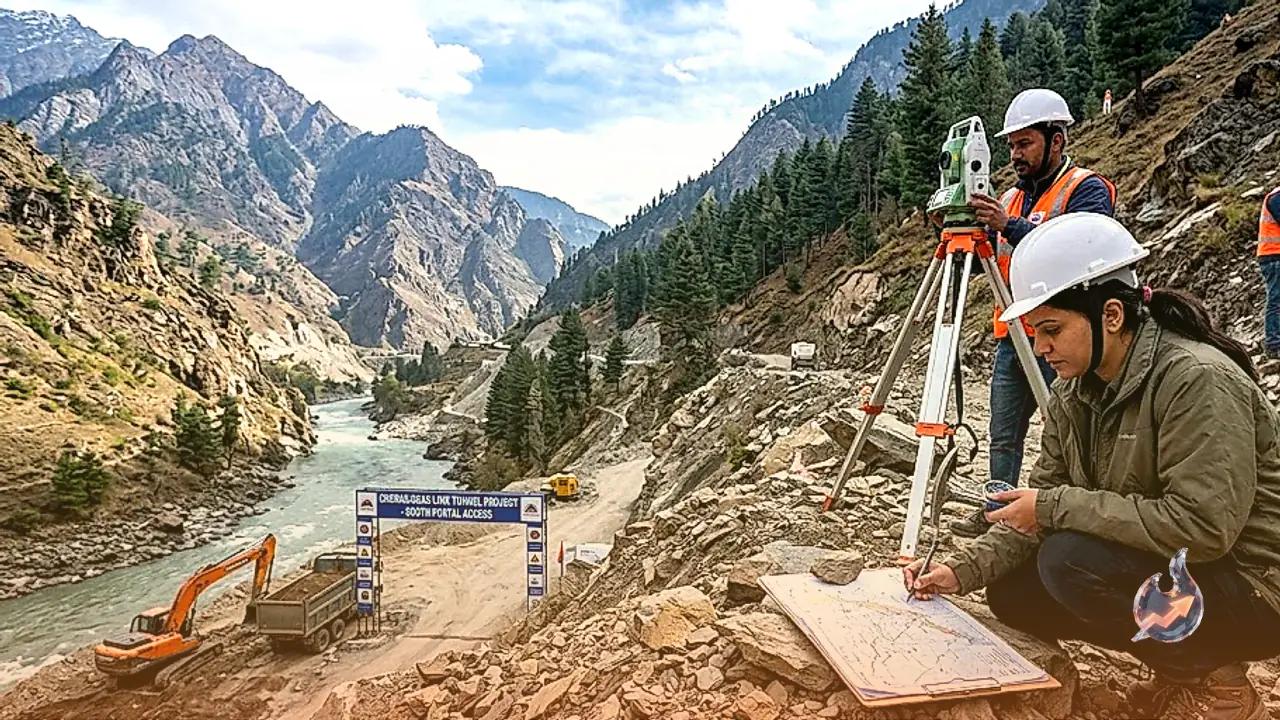
Chinese financial backing and capital investment have historically sustained most major hydropower infrastructure inside Pakistan. Over recent years, however, planners and investors recognized that solar power offers a significantly cheaper alternative to maintaining costly hydro generation. China subsequently urged Pakistan to embrace solar alternatives, clearing the path for a flood of affordable panels and associated hardware into local markets. In a country of around 250 million people, where nearly 50 million individuals live beneath the poverty line, purchasing high-priced utility electricity proved unsustainable. Consequently, the share of technology-driven energy in Pakistan expanded from a modest 3 percent a decade ago to reach 20 percent today.
Chinese Imports Surge As Solar Becomes A Social Gift
Consumer demand for domestic solar panels escalated rapidly, propelling Pakistan to become China's third-largest importer of solar hardware during the past year. The widespread availability of these systems transformed everyday customs, making solar kits a frequent component of wedding dowries and family celebrations. Rather than presenting conventional household items, relatives increasingly gift solar panels and inverters to protect newlyweds from debilitating utility bills and ensure uninterrupted lighting.
Relief For Rural Towns Alongside Severe Utility Headwinds
The decentralized spread of solar power has provided vital relief across smaller localities and historically underserved regions where access to the central grid remained sporadic or inadequate. Commercial and industrial establishments have similarly embraced private solar setups to insulate themselves against electricity tariffs that rank among the steepest in Asia. Nevertheless, this mass departure from the national grid has created acute financial problems for both Pakistan and China. As paying consumers generate their own power, revenue at state-owned distribution utilities continues to decline, compromising Pakistan's ability to settle operational dues owed to Chinese firms running the country's massive coal-fired power stations.
Battery Imports Climb 150 Percent Amid Debt Impasse
Official customs records reveal that battery imports from China jumped roughly 150 percent in the first half of the year, touching approximately 392 million dollars. Muhammad Mujahid, executive director of the Lahore-based firm Innovo Corp, observed that every consumer defecting from the conventional grid to independent solar power inadvertently deepens the fiscal strain on the utility network. Pakistani officials attempting to negotiate payment restructuring on outstanding liabilities have encountered hesitation from Chinese counterparts, who remain reluctant to offer major write-downs that would translate into direct balance-sheet losses for Chinese state-backed banks and power corporations.