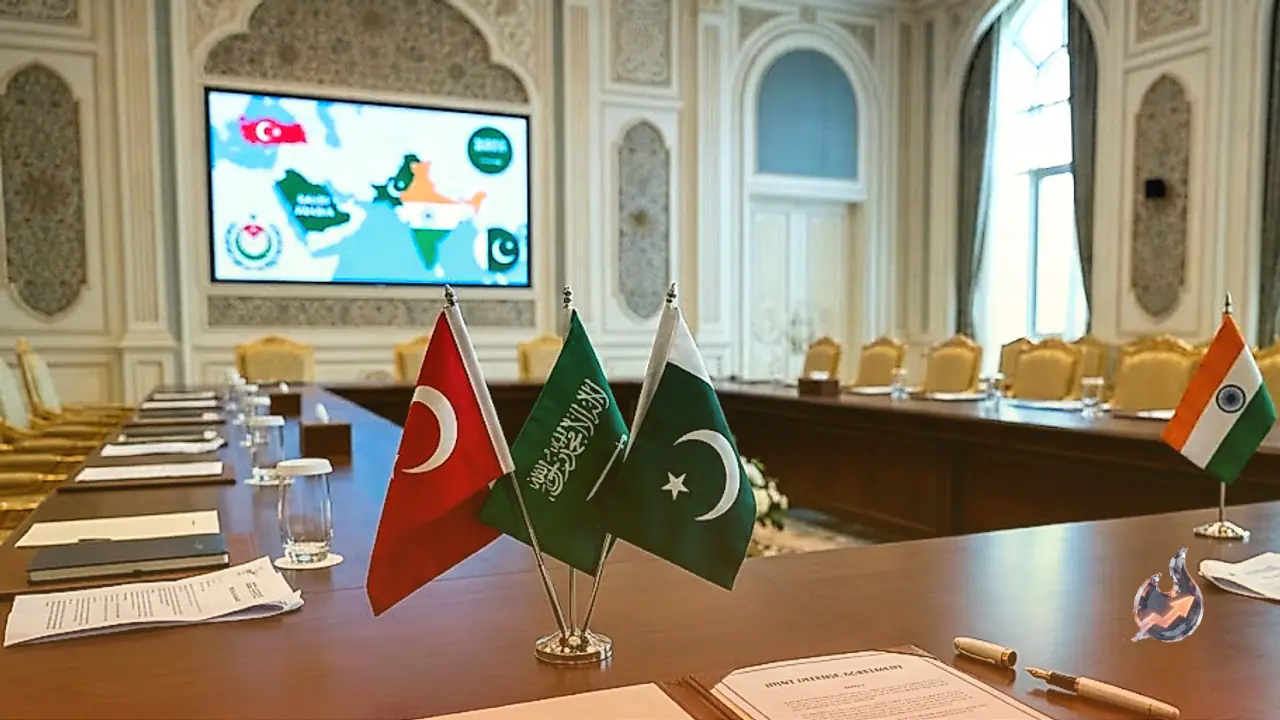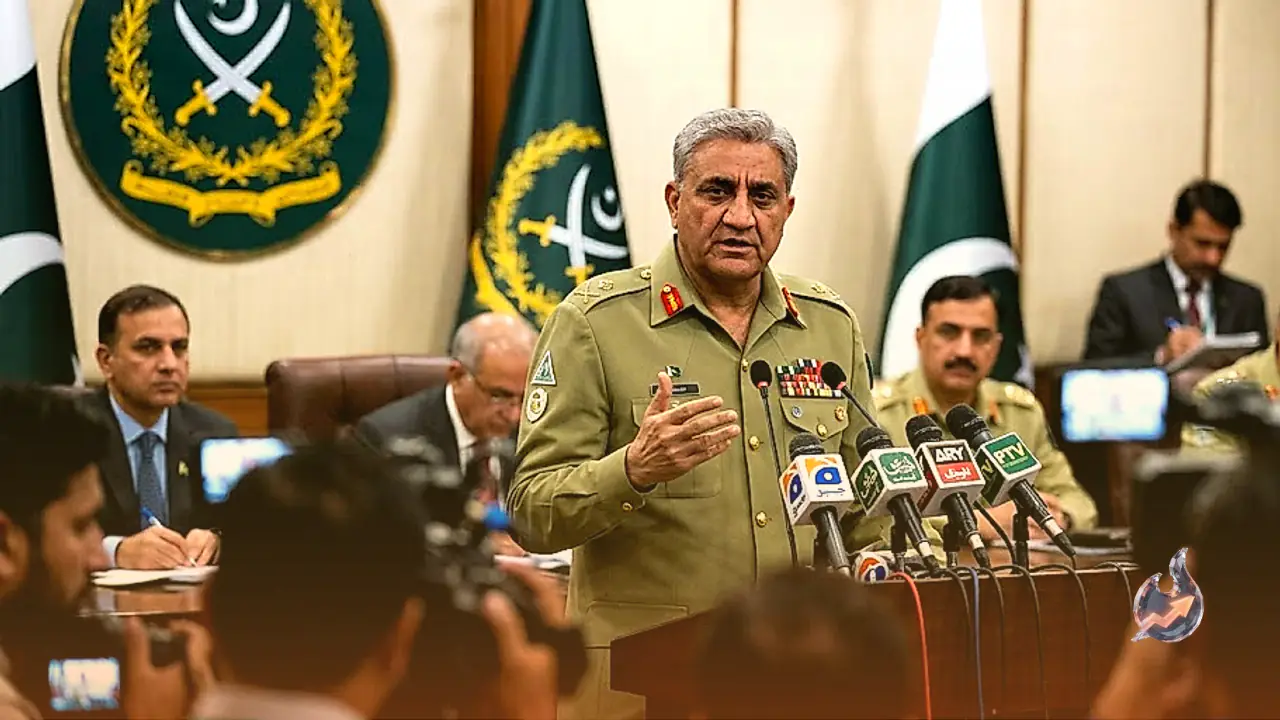
























Pakistan is currently in the grip of an unprecedented energy emergency that has disrupted daily life across the nation. Following Prime Minister Shehbaz Sharif's return from the SCO summit held in Bishkek, widespread reports of power shortages have emerged from various parts of the country. As night falls, major cities are plunged into darkness. In Karachi, the nation's primary economic and commercial hub, the situation has become particularly critical, with residents enduring severe blackouts. The failure of basic power infrastructure has brought daily routines to a virtual standstill.
Strait of Hormuz Blockade and Soaring Gas Prices
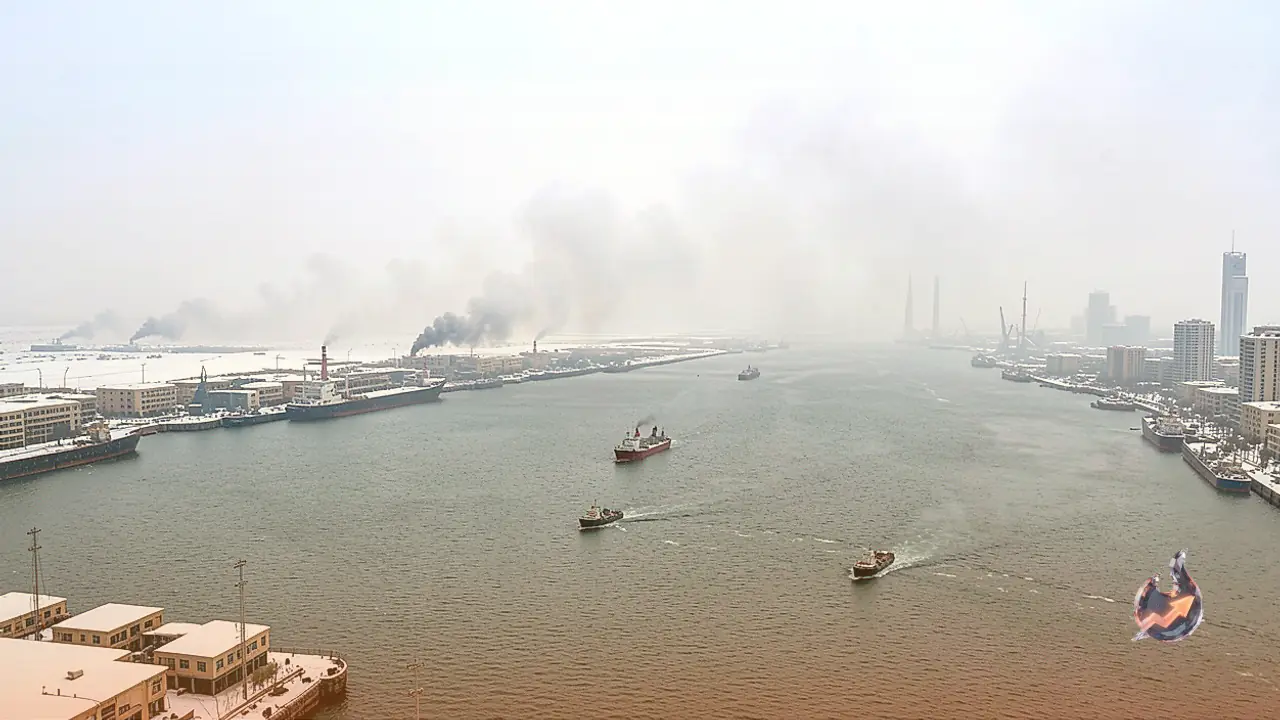
The root cause of this energy crisis lies in the ongoing conflict in the Middle East and the resulting geopolitical instability. The war has disrupted maritime oil and Liquefied Natural Gas (LNG) shipments passing through the Strait of Hormuz. In response to this sudden supply interruption, Pakistan attempted to procure gas from the international spot market but was met with record-high prices. International trader BP Plc offered LNG supplies to Pakistan at a rate of $27 per million British thermal units (MMBtu).
This quoted price was nearly three times higher than the prevailing rates prior to the escalation of the conflict. For the Pakistani government, which is already struggling with depleted foreign exchange reserves and economic distress, purchasing gas at such rates proved financially unviable. Consequently, state-owned Pakistan LNG Limited canceled its emergency tender that was scheduled for delivery up to September 8. Pakistani officials noted that procuring gas at such exorbitant prices would place an unbearable strain on the national treasury, leading them to plan for a revised tender at a later date.
Qatar Invokes Force Majeure Amid Supply Uncertainty
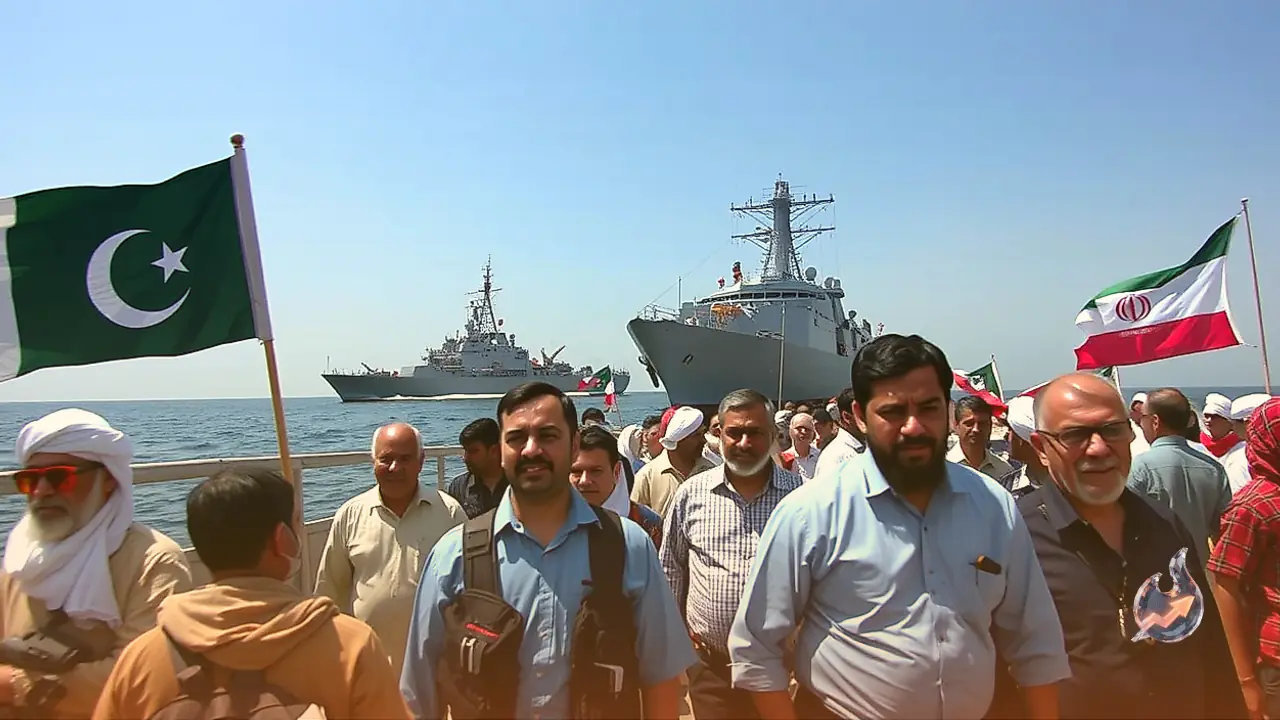
The energy situation in Pakistan has been further exacerbated by the stoppage of LNG supplies from Qatar, the country's primary long-term gas supplier. Following an attack on a Qatari gas tanker in July, vessel movements through the Persian Gulf and the Strait of Hormuz were curtailed due to heightened security risks. Subsequently, Qatar invoked the legal provision of 'Force Majeure' in its supply contracts.
Qatar extended the suspension of its LNG supply agreements to both Asian and European buyers through October. Force Majeure is a legal clause that relieves contracting parties from their contractual obligations during unforeseen emergencies or events beyond their control. Qatar's decision has dealt a heavy blow to Pakistan's energy reliability, leaving little expectation of immediate recovery in gas supplies.
Solar Power Limitations and National Grid Collapse
According to analysis by the Institute for Energy Economics and Financial Analysis (IEEFA), Pakistan's national power grid suffers from inherent structural vulnerabilities. The grid relies heavily on imported LNG to bridge the deficit between power demand and generation capacity. During daytime hours, solar power generation manages to offset a significant portion of the electricity demand.
However, once the sun sets, solar energy generation ceases completely. Maintaining grid stability during evening hours requires thermal power plants fueled by fossil fuels to ramp up operations. Due to the severe shortage of LNG, these thermal generation units are unable to operate at full capacity, with several facilities shutting down entirely. As a result, extensive load-shedding commences across urban centers as soon as darkness falls.
Widespread Blackouts in Karachi and Lahore as Shortfall Hits 4,000 MW
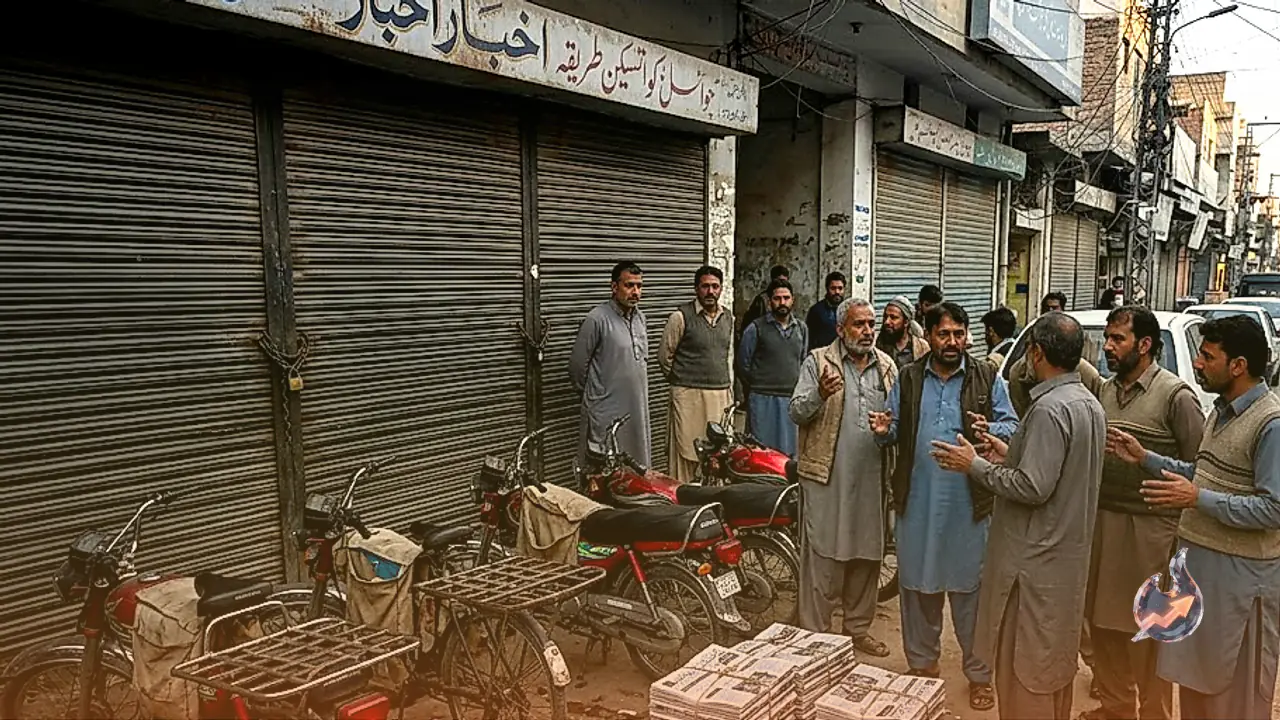
The impact of the crisis is most pronounced in Karachi, where several neighborhoods are facing continuous load-shedding lasting between 16 and 24 hours. Human rights organizations have raised serious concerns, warning that prolonged blackouts have crippled commercial establishments, small-scale industries, educational activities, and household functioning. In many areas, the lack of electricity has also halted municipal drinking water supply systems.
The power deficit is not confined to Karachi alone. Cities across Punjab province, including the capital city of Lahore, are experiencing unannounced daily power cuts of 2 to 3 hours or more. According to official data, the national electricity shortfall in Pakistan has surpassed 4,000 megawatts (MW), with no immediate resolution in sight.
Tariff Hikes and Risks to Foreign Remittance Inflows
While citizens endure severe power rationing, electricity costs have simultaneously increased. Under the Fuel Cost Adjustment (FCA) mechanism, the energy regulatory authority approved a tariff hike of PKR 0.75 per unit. This rate adjustment adds to the financial burden on consumers already affected by high domestic inflation.
Furthermore, the ongoing Middle East conflict threatens Pakistan's external financial support system, specifically foreign remittances. According to United Nations (UN) data, overseas Pakistani workers in Saudi Arabia transferred $9.4 billion during financial year 2024-25, while remittances from the United Arab Emirates (UAE) totaled $7.83 billion. A prolonged conflict in the Middle East poses a dual threat to Pakistan: escalated import costs for essential energy and potential reductions in vital foreign exchange inflows.