






















Global oil supplies and maritime commerce have been hit by severe disruptions across key sea corridors. While the conflict involving Iran has brought traffic through the Strait of Hormuz to a standstill, Houthi rebels in Yemen have tightened their control over the Bab-el-Mandeb Strait. With two of the world's most vital oceanic trade routes facing near-total disruption, Saudi Arabia has initiated preparations for a decisive military offensive targeting Houthi positions.
Ground Offensive and Aerial Support Strategy
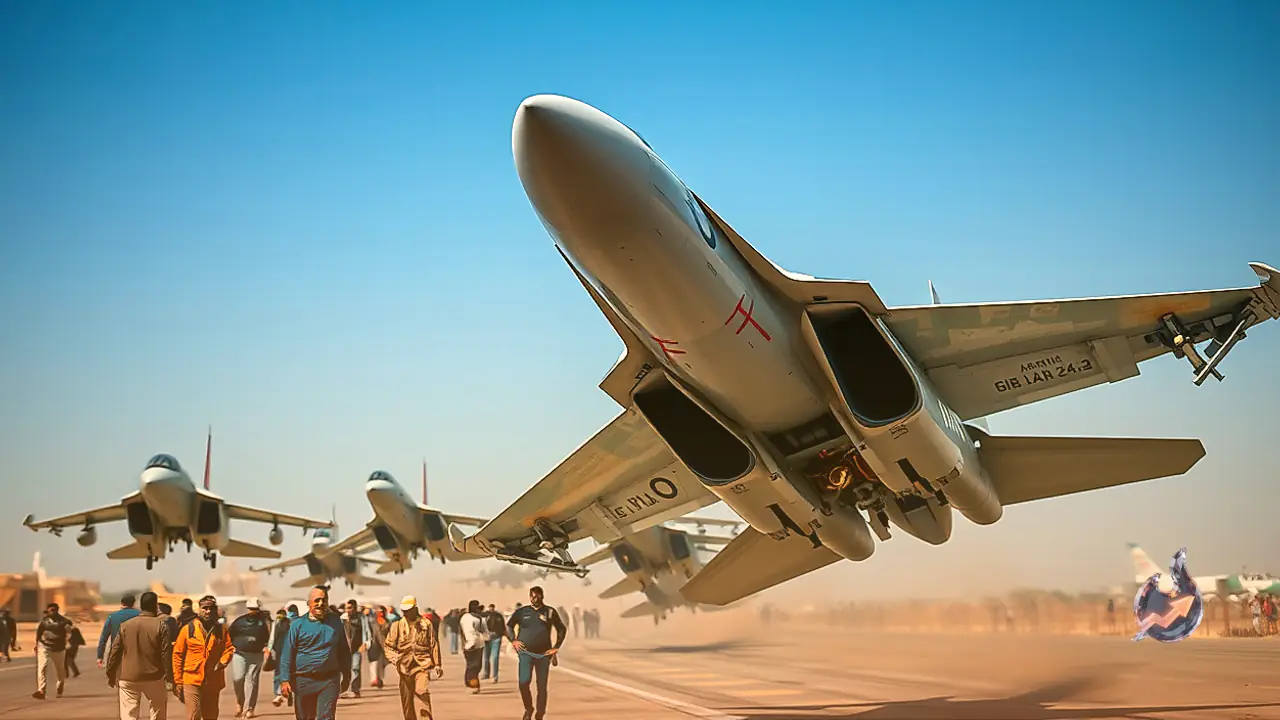
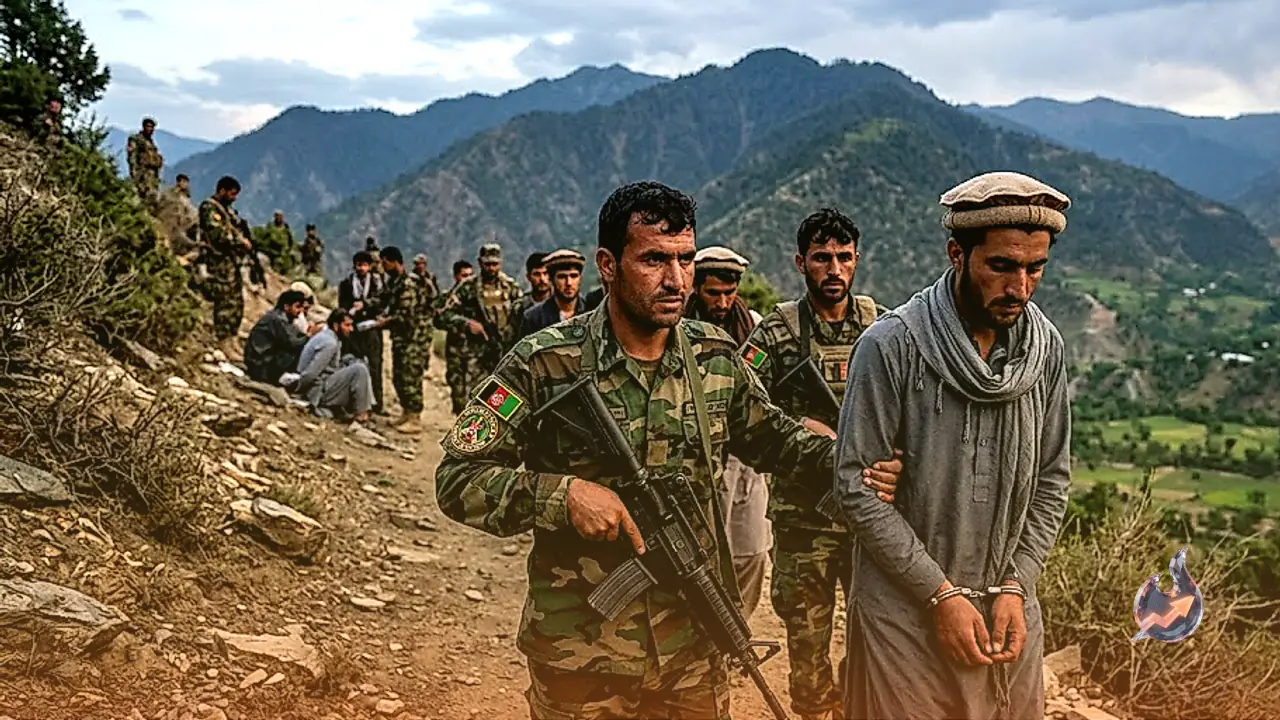
The operational framework indicates that Saudi Arabia will refrain from deploying its own citizens on the front lines of ground warfare. Instead, plans call for deploying a Yemeni ground force exceeding 100,000 soldiers to take back territory, supported directly by comprehensive Saudi airstrikes. To safeguard critical energy facilities from potential counterstrikes, several American Patriot missile systems were previously positioned to shield vital oil infrastructure across both Saudi Arabia and Qatar.
Pakistan's Expanding Military Footprint
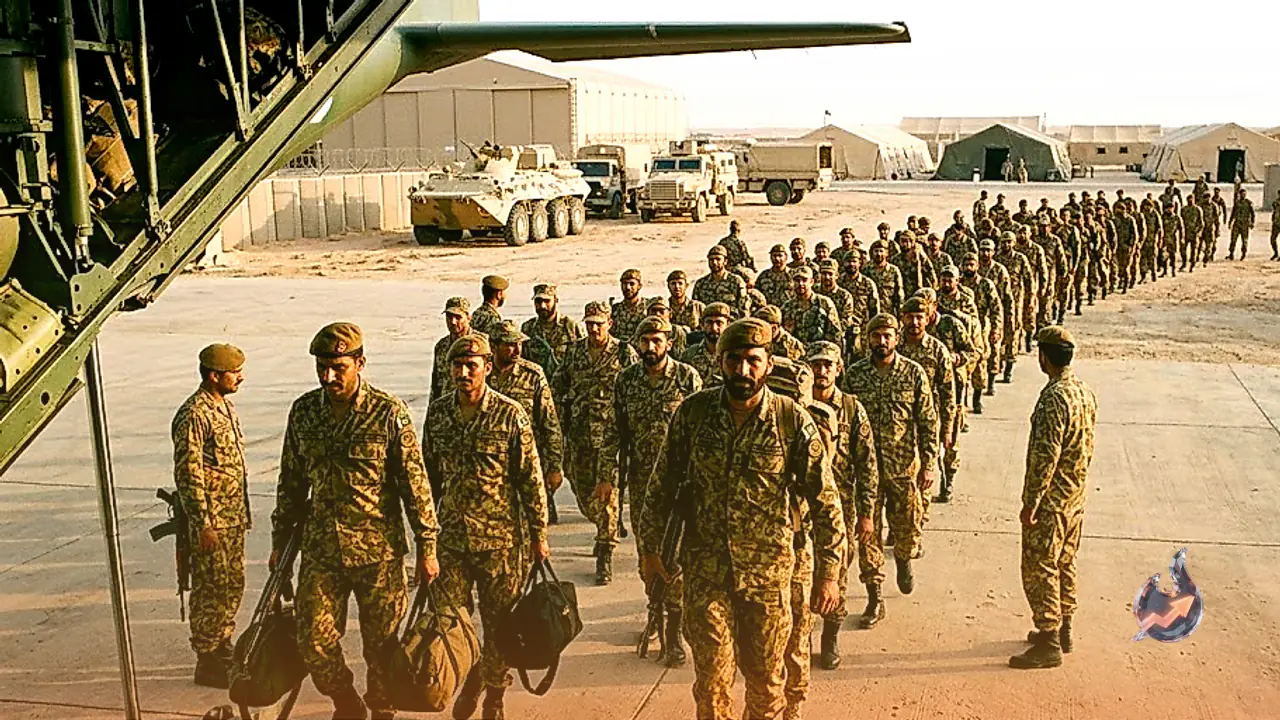
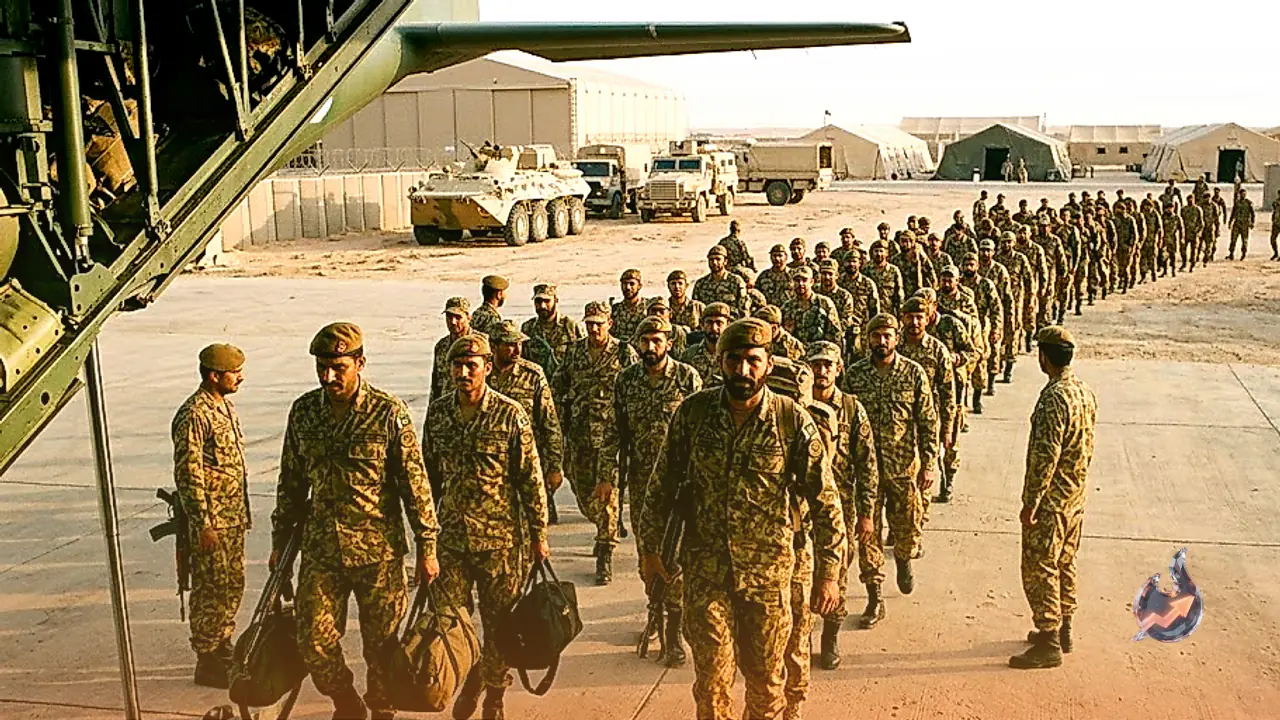
Pakistan's strategic involvement has simultaneously surged within the escalating regional theater. Between 30,000 and 40,000 Pakistani soldiers, accompanied by specialized military hardware and military advisers, have been stationed across Saudi Arabia. While this substantial deployment is officially framed as defensive support aimed strictly at protecting Saudi territory, the imminent military campaign against the Houthis has placed the broader geopolitical implications of their presence under sharp international scrutiny.