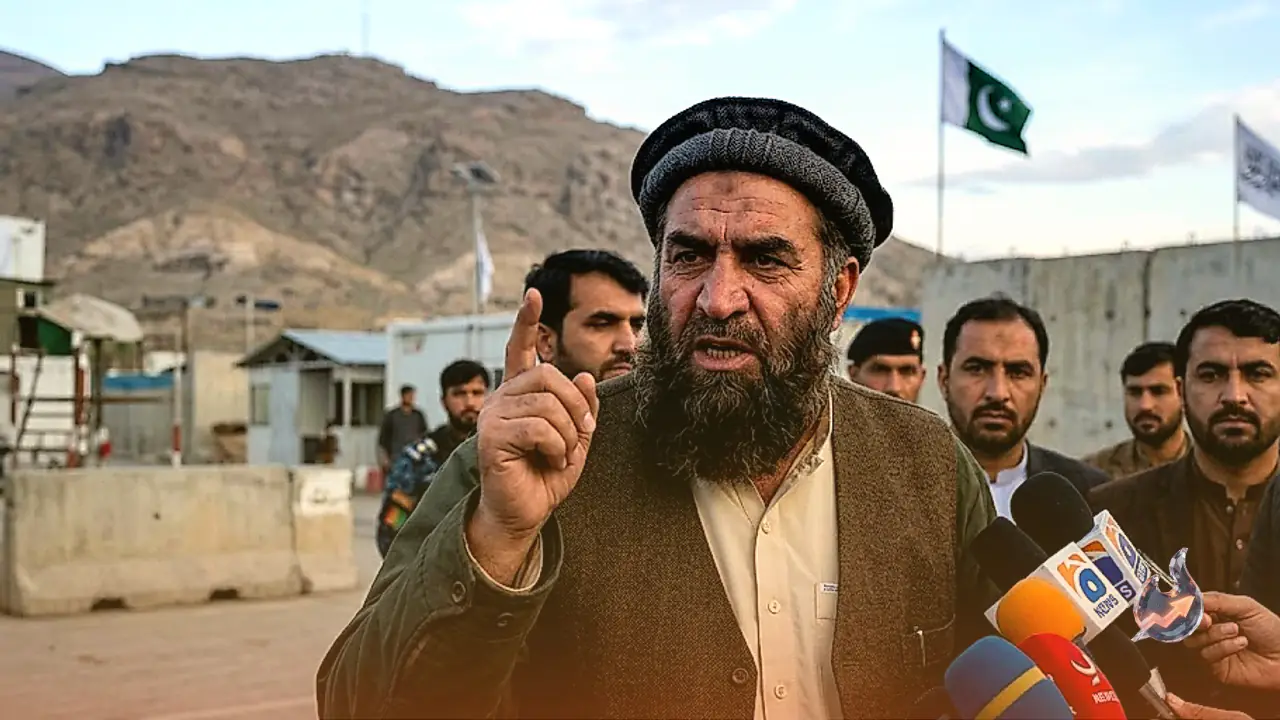





















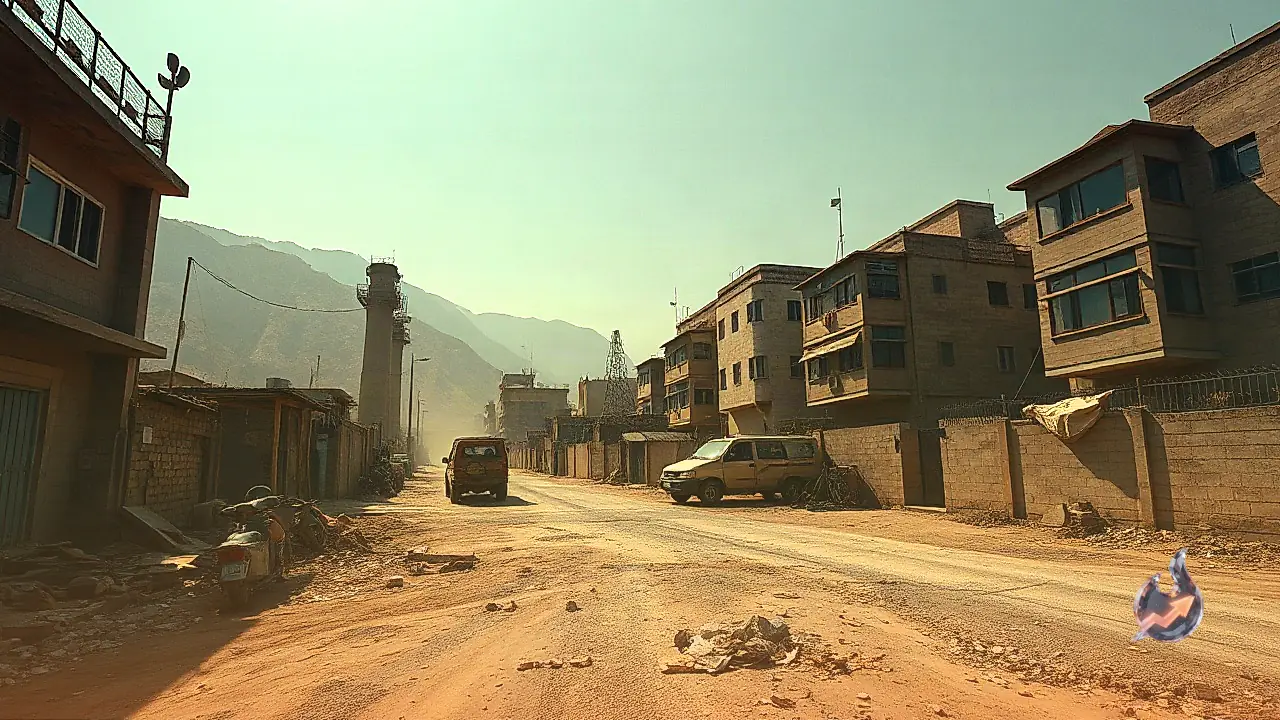

Despite possessing extensive natural reserves and mineral wealth, Balochistan continues to endure deep economic distress, severe unemployment, and prolonged institutional indifference. When conventional avenues for earning a lawful livelihood disappear and access to quality education and healthcare remains nonexistent, local communities are often left with little choice but to lean on precarious informal survival mechanisms. On the ground across border towns, resisting hunger has gradually translated into depending on one of the world's most entrenched narcotics networks, effectively turning high-risk contraband operations into everyday subsistence.
The Geography of the Golden Crescent and Illicit Trade Routes
Geographically, Balochistan forms a pivotal tri-border intersection linking Afghanistan, Iran, and Pakistan. Known globally as the Golden Crescent, this triangle has functioned for decades as a premier transit and production hub for illegal narcotics. Where governance fails to deliver social infrastructure, cross-border movement ceases to be an abstract legal issue and becomes a lifeline for survival. For the Baloch communities inhabiting these rugged frontier regions, international boundary lines present commercial transit corridors rather than impenetrable barriers.
The current operational infrastructure relies on deeply entrenched logistics established during the Soviet-Afghan conflict, when clandestine heroin processing laboratories and transport cartels first flourished. Today, that legacy sustains a diversified illicit trade ecosystem.
- Diversified Contraband Flow: The transit corridors move far more than illicit drugs; massive quantities of cheap Iranian diesel, counterfeit consumer items, gold, and arms are consistently moved across borders.
- Perforated Fences and Desert Tracks: Despite physical border fencing, smugglers continually exploit gaps and wire breaches to move goods on foot or using light desert transport.
- Checkpost Levies and Informal Transit: Fleets of commercial trucks pass through formal crossing corridors, where unregulated informal tolls and bribes guarantee that illegal shipments proceed without interference.
The Post-2021 Surge in American Weapons and Gatekeeper Networks
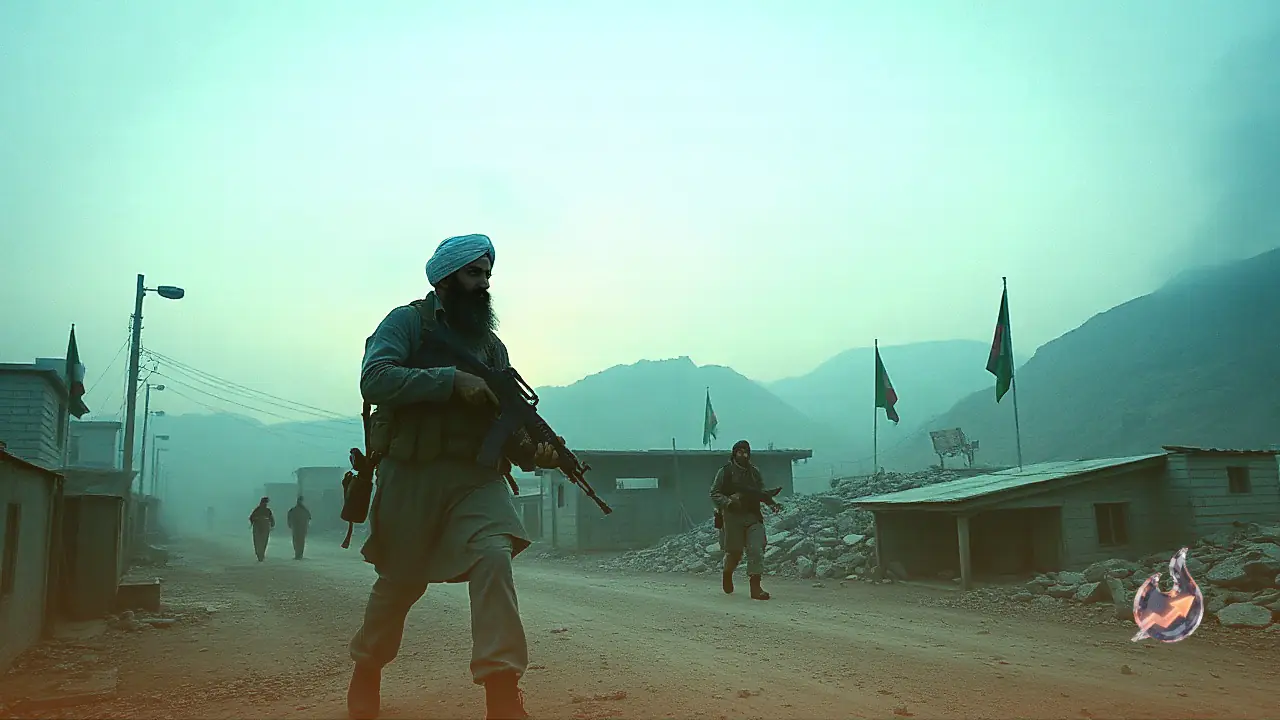
The sudden withdrawal of American forces from Afghanistan in 2021 left behind staggering stockpiles of advanced military armaments. In the ensuing economic collapse, impoverished individuals lacking food turned to selling left-behind American assault rifles to feed their families. Yet because the frontier between Balochistan and Afghanistan was quickly inundated with surplus weapons, ordinary sellers found themselves competing in a flooded marketplace with scarce buyers.
This market saturation fundamentally altered the dynamics of cross-border trafficking. Simply possessing a firearm or maintaining past insurgent ties was no longer enough to secure a living. Transporting cargo across security checkpoints required institutional connections, bureaucratic collusion, and influential patrons. Without established high-level clearances, smuggling even a single rifle across the frontier became virtually impossible.
Diplomatic Narratives in Kabul Versus Realities Along the Frontier
The Taliban leadership in Kabul has consistently sought international legitimacy by projecting an image of stability and administrative governance. By 2025, Russia officially recognized the Taliban administration, while China and Gulf nations accepted their diplomatic envoys. Multinational commercial enterprises extending from Beijing to Istanbul have actively pursued lucrative mineral rights within Afghanistan. In these diplomatic engagements, official statements emphasize strict prohibitions on opium farming and comprehensive counter-terrorism initiatives, yet ground realities along the Balochistan border tell an entirely different story.
Official narcotics crackdowns have largely functioned as public spectacles targeting minor cultivators and impoverished couriers, while major syndicates and associates connected to top Taliban commanders operate unhindered. While traditional opium poppy acreage in Helmand and Kandahar saw measurable contractions, cultivation merely relocated toward northeastern provinces and bordering Pakistani territories. Concurrently, high-margin trafficking of heroin and methamphetamine continues uninterrupted.
Crime as Local Politics and the Toll on Ordinary Citizens
In Balochistan, illicit enterprise is no longer an isolated underworld activity; it has evolved into the dominant economic and political reality. Local tribal chieftains, border smugglers, and middlemen linked to Taliban authorities coordinate an enduring network that benefits from tacit state tolerance. These intermediaries bridge the space between policy centers in Kabul and Kandahar and the realities on the ground.
Throughout this complex dynamic, regular Baloch citizens bear the heaviest burden. Their native lands are stripped of natural riches without returning tangible economic benefits, leaving workers subjected to dangerous, low-wage manual labor. Furthermore, a 30 percent personnel cut in Taliban security ranks has fueled fresh unemployment, forcing more individuals toward dangerous border trades. Until meaningful economic dignity, institutional parity, and sustainable employment emerge, the structural trap of the Golden Crescent will continue to dictate the destiny of the frontier.