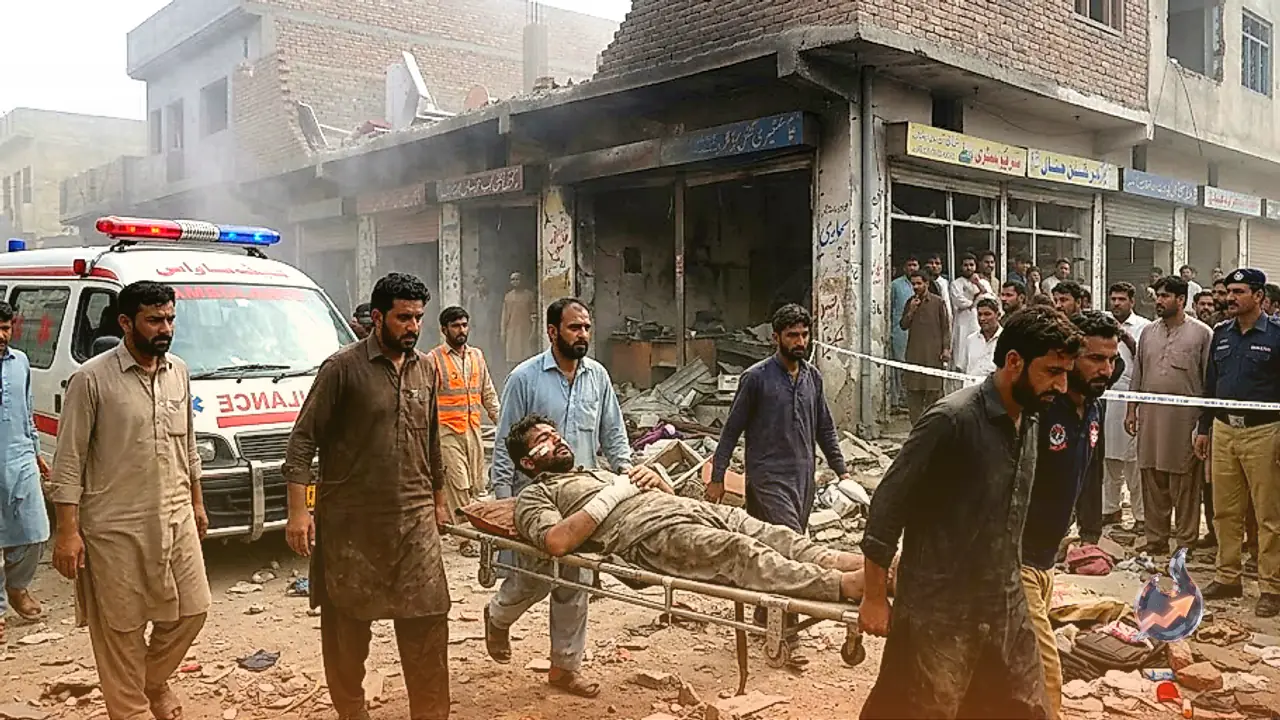























Insurgent violence in the restive province of Balochistan has taken an unprecedented operational turn with the combat debut of a newly formed all-women strike formation. The Balochistan Liberation Front deployed this dedicated female fighting battalion in coordinated assaults against Pakistani security forces, asserting that 9 military personnel were killed in the fighting. The emergence of combat video footage released through the group's media branch, Aashob, has unsettled the security establishment in Rawalpindi and the political leadership headed by Shehbaz Sharif, signaling a dramatic tactical transformation in the long-running separatist insurgency.
The Genesis and Role of the Karima Armed Assault Division
Designated as the Karima Armed Assault Division, abbreviated as KAAD, this newly raised frontline infantry unit represents a departure from traditional auxiliary female participation. The formation was assembled and trained over multiple years through rigorous physical conditioning, military tactical instruction, and live-fire exercises. Rather than confining female recruits to political rallies, civilian advocacy, or isolated suicide attacks, this force has been built to conduct standard mobile guerrilla strikes.
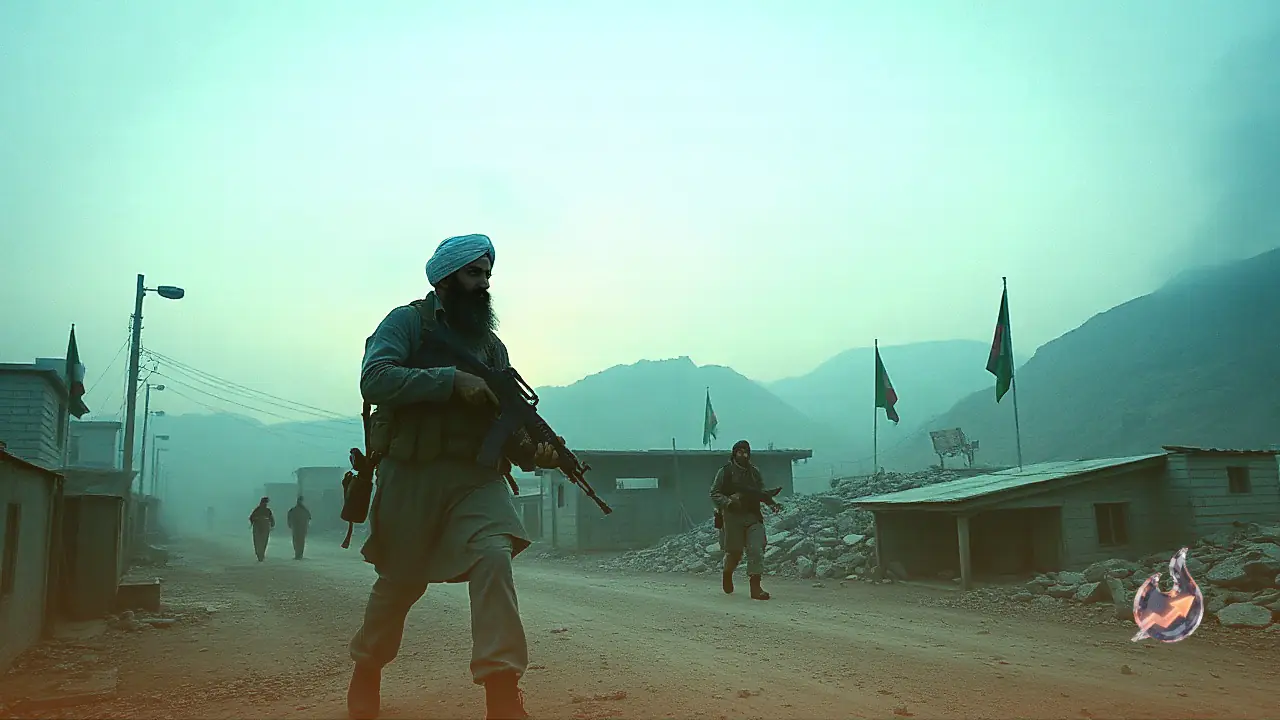
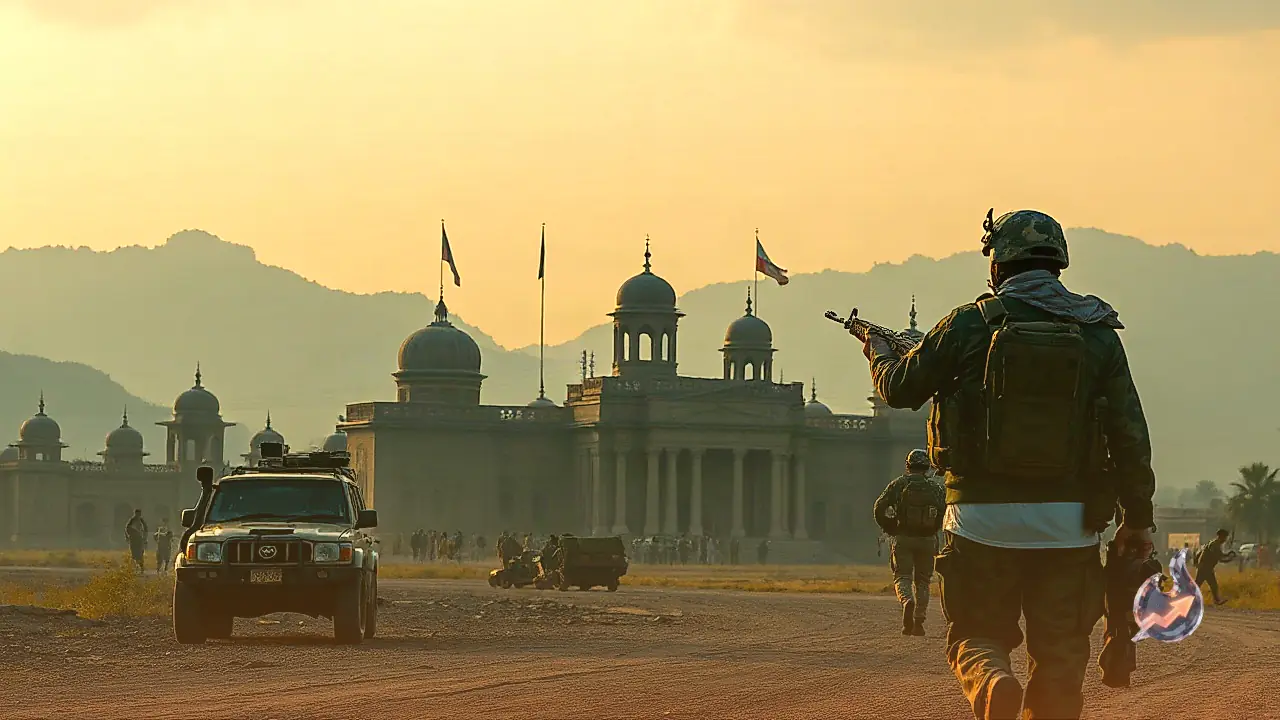
The primary tactical remit of the division centers on ambush actions against patrol convoys, targeted interdictions along vital logistics corridors, and raids against strategic assets linked to the China-Pakistan Economic Corridor, widely known as CPEC. Released footage shows female fighters outfitted in full tactical gear, handling modern assault rifles like the AK-47, receiving operational directives from a female officer, firing directly upon fortified transport vehicles, and securing perimeter positions during snap highway checkpoints.
The Activist Legacy Behind Karima Mehrab
The armed unit draws its name and ideological branding from Karima Baloch, born Karima Mehrab, who rose to prominence as a central figure in the civilian protest movement. She served as the first woman to lead the Baloch Students Organization Azad, steering the student network through intense domestic unrest. Her international advocacy centered heavily on documenting forced disappearances, state-sanctioned extrajudicial actions, and systematic civil liberties abuses across the province.
Under intense pressure and targeted persecution from Pakistani intelligence organs, she relocated overseas to secure political asylum in Canada. Her activism came to an abrupt and controversial end in December 2020, when her deceased body was discovered along the waterfront of Lake Ontario in Toronto under contested circumstances. While official Canadian reviews initially ruled out foul play, broad segments of the Baloch political movement alleged targeted covert involvement by Pakistan's Inter-Services Intelligence. Her legacy has now been repurposed into the operational identity of this military unit.
Assaults Reported Across Turbat and Kalat
According to tactical summaries circulated by the separatist organisation, the division has engaged in at least two substantial combat operations. The primary engagement occurred in the Josak sector of Turbat along an arterial route servicing CPEC freight traffic. Insurgent units ambushed a three-vehicle convoy transporting Pakistani military Quick Response Force personnel, deploying heavy automatic gunfire against armored vehicles at close range.
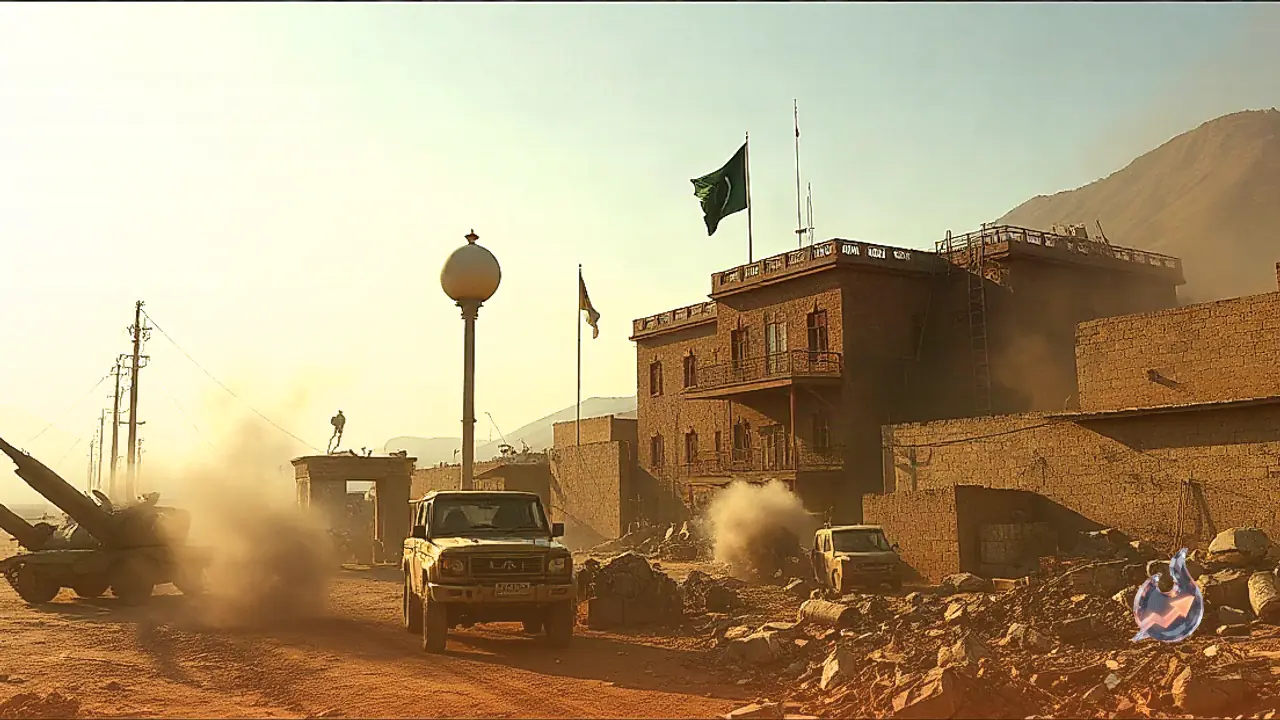
A secondary coordinated operation took place near Mangchar in the Kalat district, where unit members established highway cordons, halted civilian and commercial traffic for identity verifications, and exchanged gunfire with surrounding security outposts. Separatist commanders maintain that the combined operations resulted in 9 fatalities among Pakistani military personnel alongside several critical injuries, marking an aggressive combat debut for the armed wing.
Intelligence Failures and Escalating Geopolitical Fallout
The introduction of combat-ready female infantry deals a substantial psychological blow to conventional security forces, who have historically structured their tactical counter-insurgency doctrine around male combatants. The sudden deployment of a disciplined, heavily armed women's force creates complex tactical dilemmas at checkpoints and during cordon-and-search operations throughout remote mountainous corridors.
The development also highlights a profound operational blind spot within Pakistan's primary intelligence service, the ISI, which failed to preempt years of covert military training required to field a functional women's battalion. Because the initial ambushes directly contested transit arteries serving CPEC infrastructure, pressure from Chinese stakeholders to safeguard foreign personnel and capital will intensify. Observers anticipate that the military command in Islamabad will likely respond with expanded sweep operations across rural townships, raising deep concerns over broader retaliatory crackdowns against local civilian populations.