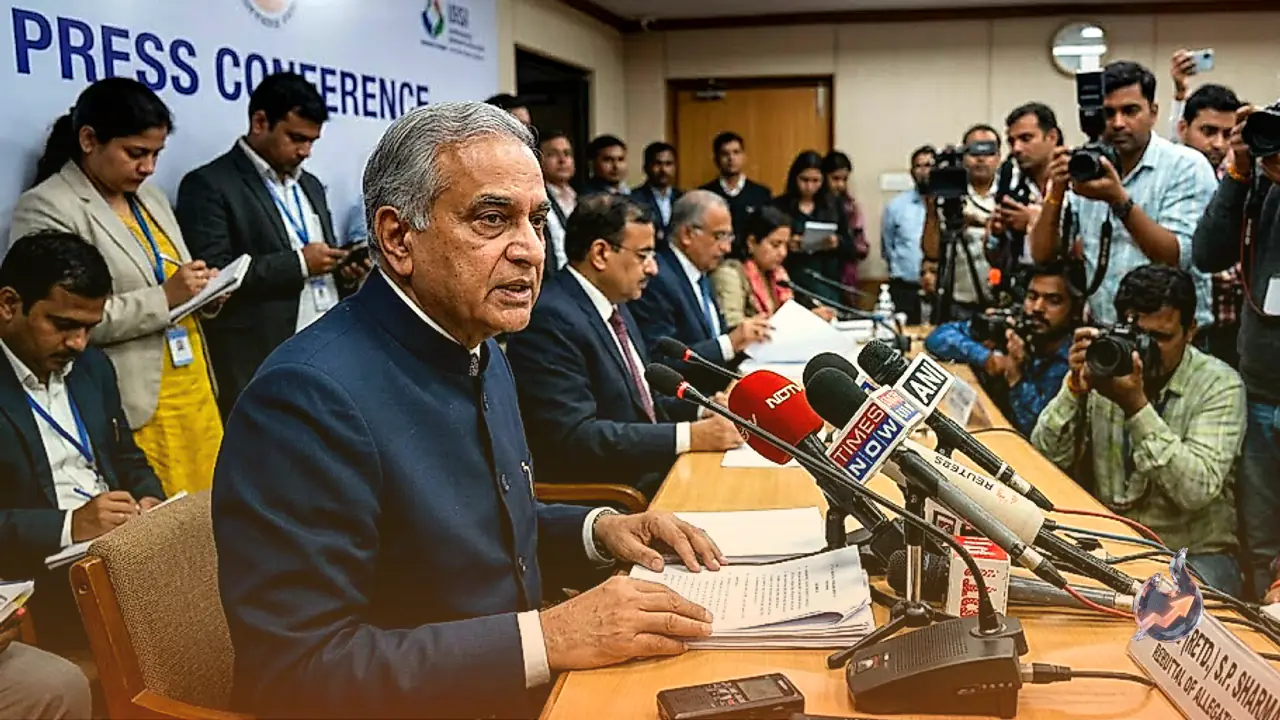






















Pakistan is intensifying its diplomatic and public protests following India's decision to suspend the Indus Water Treaty. Speaking at an official gathering in Islamabad, Pakistan's Information Minister Attaullah Tarar voiced deep concern over New Delhi's stance, arguing that the water distribution agreement remains a legally binding instrument that neither country can unilaterally dismantle or freeze. Tarar brought the humanitarian dimension to the forefront, emphasizing that the water resources of the river system are tied directly to the basic survival and needs of 240 million Pakistani citizens who depend upon these flows daily.
Objections to Unilateral Action
During the event in Islamabad, Attaullah Tarar contended that no single signatory possesses the authority to unilaterally amend, cancel, or suspend the Indus Water Treaty. He maintained that even in instances where serious disputes arise between the two neighboring states, all resolutions must strictly conform to the governing mechanisms and provisions detailed in the text of the agreement itself. The Pakistani minister warned that New Delhi's decision carries wide international ramifications, reiterating that Islamabad will continue to bring this matter before global diplomatic platforms to defend what he described as Pakistan's national interests.
Allegations of Weaponising Water
The minister went on to characterize Pakistan as a peace-loving nation, claiming that India should not be permitted to weaponise water access. According to Tarar, access to the Indus river system is an essential and undeniable right of Pakistan's 240 million people. Islamabad has long viewed the water treaty as central to its agricultural and water security. Ever since the suspension took effect, Pakistani leadership has consistently pushed back on global stages, with Prime Minister Shehbaz Sharif having raised the grievance across multilateral forums to exert diplomatic pressure on India.
Pahalgham Strike and the Turning Point
The freeze on the landmark water pact was triggered by a grave escalation in April 2025, when a deadly terrorist attack was carried out in the Baisaran area of Pahalgam. The massacre claimed the lives of 26 people, and Indian authorities traced the responsibility directly to terrorists operating with cross-border linkages to Pakistan. In the aftermath of the carnage, India launched Operation Sindoor, conducting precision strikes against militant hideouts and logistical camps located within Pakistan and Pakistan-occupied Kashmir, leading to the neutralisation of a large number of terrorists. Alongside the military response, India made a decisive policy shift by halting the Indus Water Treaty, declaring that regular bilateral engagements cannot coexist alongside unchecked terrorism. India stipulated that any revival of the treaty remains strictly contingent upon verifiable and tangible steps by Pakistan against cross-border terrorist networks.
The 1960 Framework and Historic Precedents
Brokered by the World Bank, the Indus Water Treaty was signed in 1960 to govern the sharing and management of six major rivers in the Indus basin. Under its operational architecture, the waters of the eastern rivers were allocated primarily for Indian use, whereas the western rivers were largely earmarked for Pakistan. For more than six decades, this framework functioned as the primary foundation for transboundary water management across the subcontinent. That longstanding status quo shifted radically following the Pahalgam massacre, as New Delhi resolved that its strategic restraint on critical water cooperation could not remain isolated from ongoing threats to national security.
Dispute Over the Arbitral Process
Frictions surrounding the river treaty also encompass deep disagreements over the legality of recent arbitral mechanisms. India has refused to participate in or recognize the proceedings and verdicts emerging from a contested court of arbitration. In response to statements from Islamabad, Ministry of External Affairs spokesperson Randhir Jaiswal previously rebuffed Pakistan's public posturing, pointing out that Islamabad frequently misrepresents facts and propagates misleading narratives for domestic and international propaganda. Jaiswal stressed that the verdict being presented by Pakistan as a ruling of the Permanent Court of Arbitration did not originate from a legitimately constituted forum under the treaty framework, but rather from an illegally established mechanism that India had comprehensively rejected from the outset.