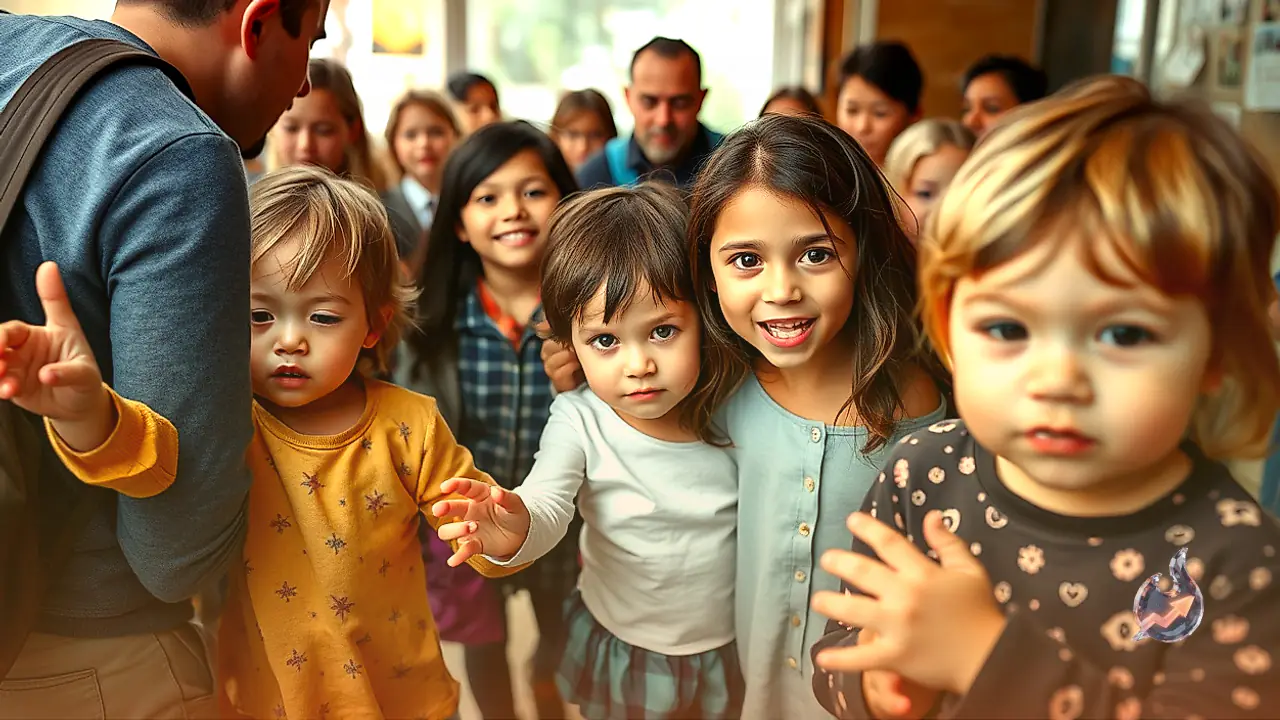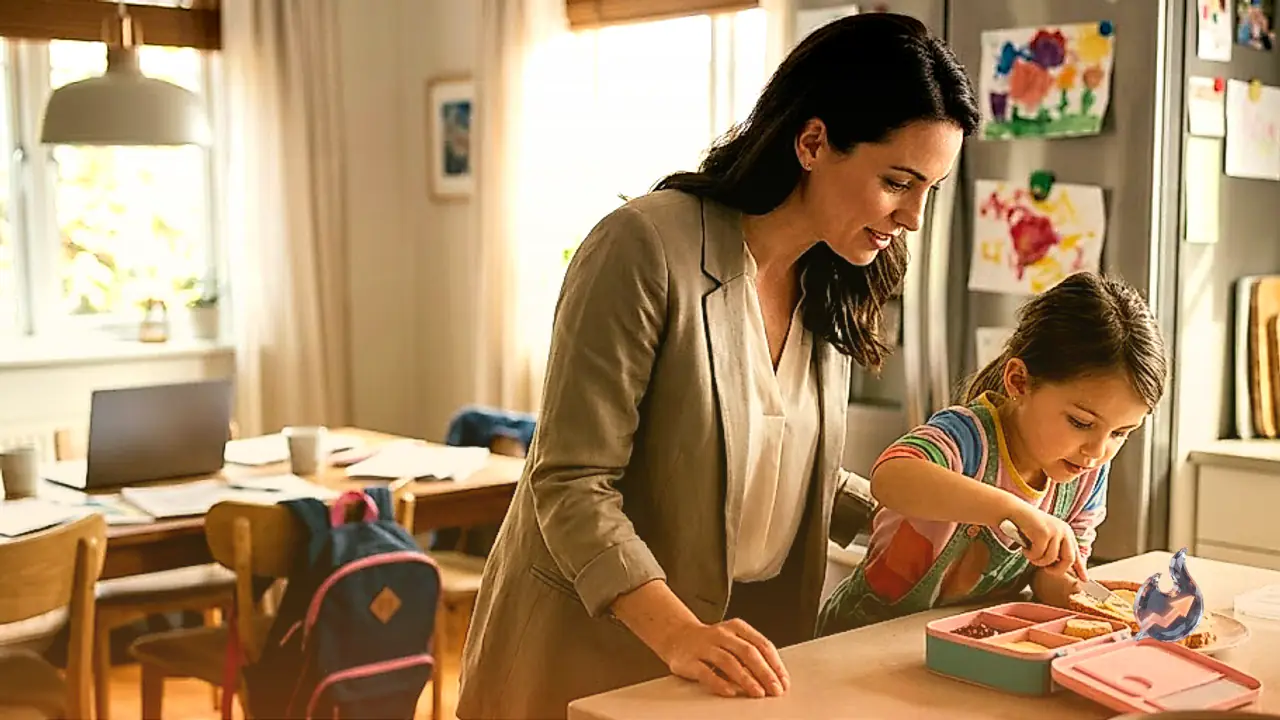

























In the current fast-paced era, parents work tirelessly around the clock to secure a prosperous future for their children. Providing top-tier schooling, expensive gadgets, private tuition, and every conceivable comfort has become the standard norm. However, amidst all these provisions, have you ever paused to consider whether you act as an active participant in your child's life or merely as a passenger parent? This modern parenting style has sparked widespread debate. Let us examine what defines a passenger parent and how this dynamic impacts overall childhood development.
Stated simply, passenger parents behave much like travelers seated in the back seat of a car. Regardless of which direction the vehicle travels, how fast it accelerates, or whether it hits a sudden bump, the passenger's role is strictly confined to sitting back while the steering wheel remains entirely out of their hands. In a parallel manner, guardians who choose to watch daily life, emotions, decisions, and activities unfold from a distant standpoint rather than engaging actively are termed passenger parents. These adults readily satisfy physical necessities such as tuition fees, clothing, and meals, yet remain miles away from the child's mental and emotional landscape. Nurturing a child entails far more than covering financial obligations; it requires becoming a genuine companion throughout those formative years.
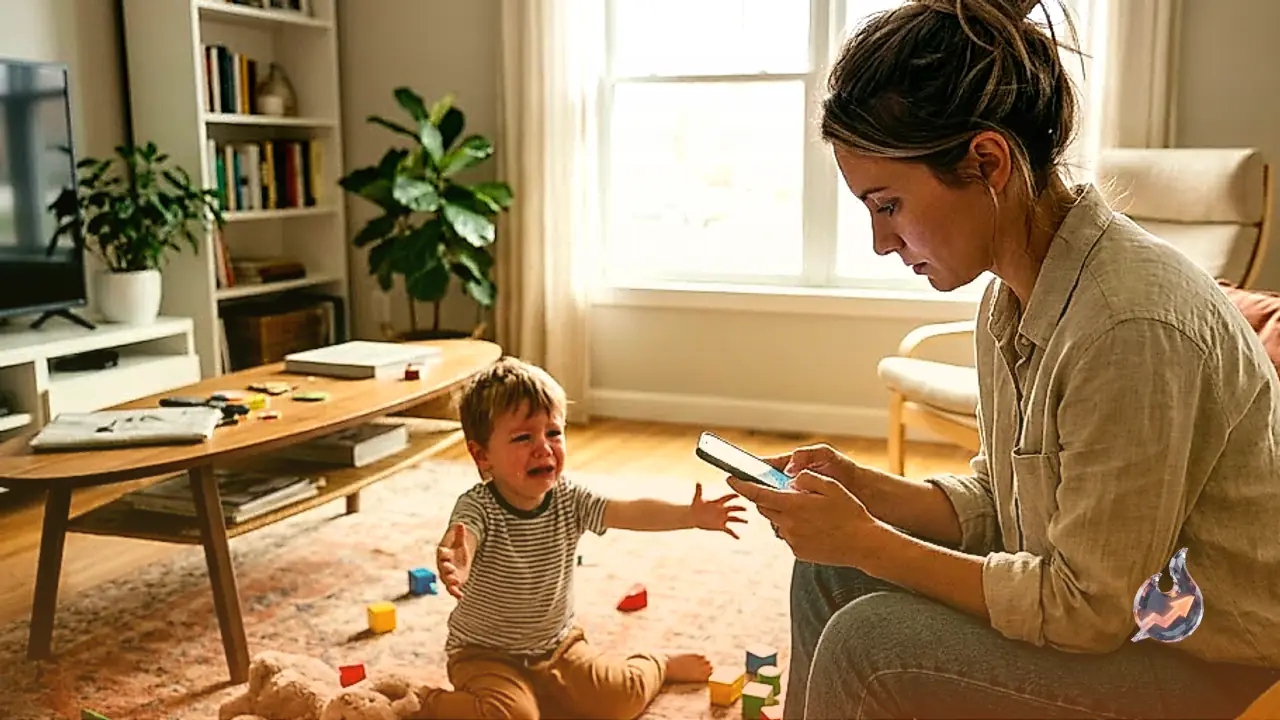
Families frequently drift into this category without conscious intent. If certain common behavioral patterns align with your household, corrective action is urgently required. When a child experiences distress or demands attention, guardians immediately hand over a mobile phone or tablet merely to pacify them, avoiding the active effort needed for direct supervision. Communication often shrinks to sparse instructions like finishing homework or eating meals, leaving zero time to discuss how school events unfolded. A child's inner feelings, prevailing stressors, or friendships receive little to no attention. Relying completely on gadgets and formal schooling creates the dangerous illusion that parental duties end entirely at the school gates, stripping away moral guidance and dialogue.
Such passive childrearing inflicts profound damage upon psychological and emotional growth. Deprived of parental support and proper guidance within the household, children start battling deep-seated isolation. A noticeable lack of confidence frequently develops because these youngsters never observe guardians navigating life's ups and downs or offering constructive advice. Unable to express personal sentiments safely at home, they often seek validation elsewhere or fall into detrimental peer influences. Despite enjoying material luxuries, internal emptiness persists, frequently triggering anxiety and depressive symptoms at an early age.
Wisdom lies in recognizing mistakes and correcting course before it is too late. If the realization strikes that everyday hustle turned you into a passive spectator, panic is entirely unnecessary. Childrearing is never about perfection; it remains a continuous process of self-improvement. Transitioning into an active parent is completely achievable through modest yet impactful adjustments to daily routines.
Confronting digital distraction stands as a primary modern hurdle. Carve out at least half an hour daily completely free from smartphones, laptops, and televisions. Dedicate this window exclusively toward sitting down, playing, or conversing with your child without any external interruptions. Furthermore, replace lecturing with active listening. Make your child feel that every minor concern, fear, and joy holds genuine significance, allowing them to express challenges openly without fear of harsh reprimand.
Active participation extends far beyond paying school fees. Engage directly in academic projects, sports, hobbies, and favorite recreational pursuits to demonstrate authentic interest in their daily routine. Children do not crave expensive vehicles, high-end gadgets, or mountains of toys; they desperately yearn for your time, affection, and presence. They remain alongside you for only a brief window of childhood, making companionship during these precious years irreplaceable.