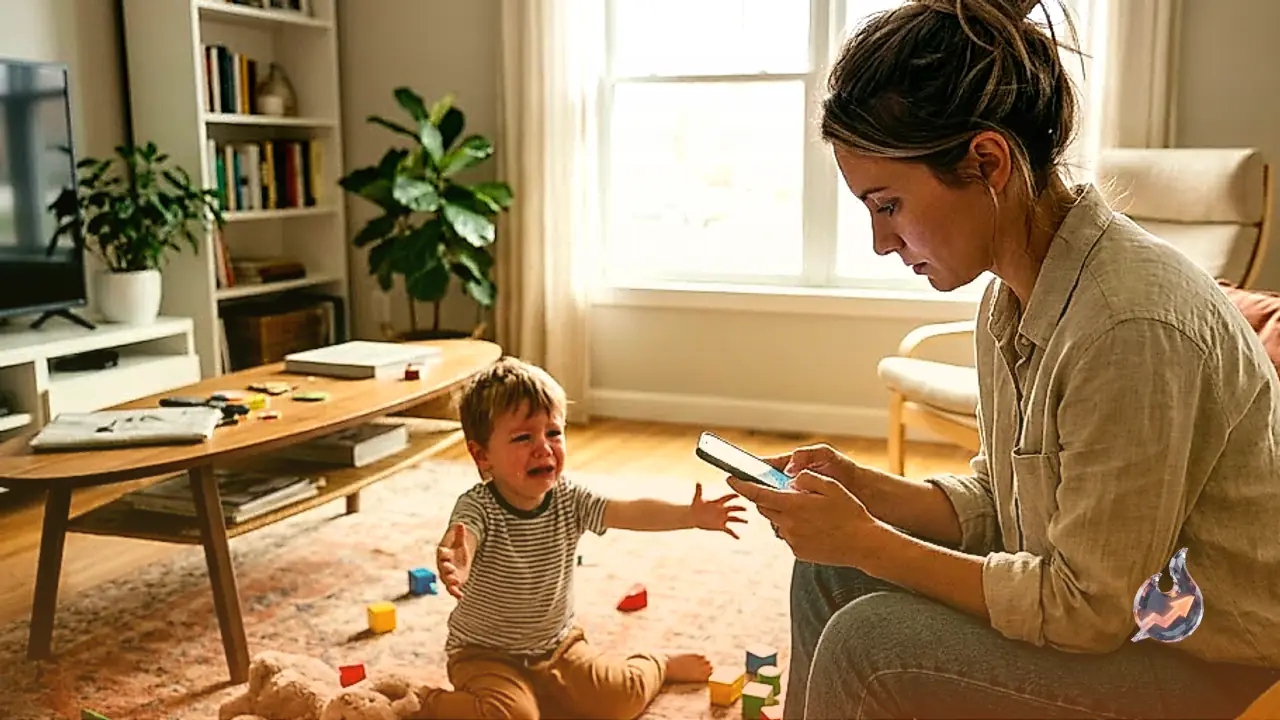

























Making mistakes is a completely natural part of how children learn and grow as they navigate the world. Sometimes they might break an object in a rush, forget to complete their homework, or react with frustration in ways that parents find difficult to handle. During such moments, instead of immediately reacting with anger or shouting, maintaining composure and talking calmly helps children understand their errors much better. This approach also strengthens the overall trust and bond between parents and children.
Focus on how to fix the situation
Asking a child why they did something often makes them defensive, so it is much more productive to discuss how the issue can be resolved now. For instance, if a child accidentally drops and breaks a household item, involving them in cleaning up or trying to mend the broken piece teaches them valuable lessons about taking responsibility for their actions.
Understand the underlying reason for the behavior
Every troublesome action usually has a valid reason behind it. The child might simply be exhausted, feeling troubled by something, or unsure of how to handle a specific situation properly. Instead of rushing to conclusions, listen to their perspective carefully. When children realize that their parents genuinely want to understand them, they feel comfortable opening up about their difficulties, which shifts the focus from mere punishment to finding the root cause.
Teach them that mistakes are learning opportunities
It is vital to reassure children that making a mistake does not make them a bad person. At the same time, they should understand that learning from these experiences prevents them from repeating the same errors. Fostering this mindset helps build a sense of accountability rather than instilling unnecessary shame or fear, allowing them to figure out what they can do differently next time.
Offer support and guidance instead of isolation
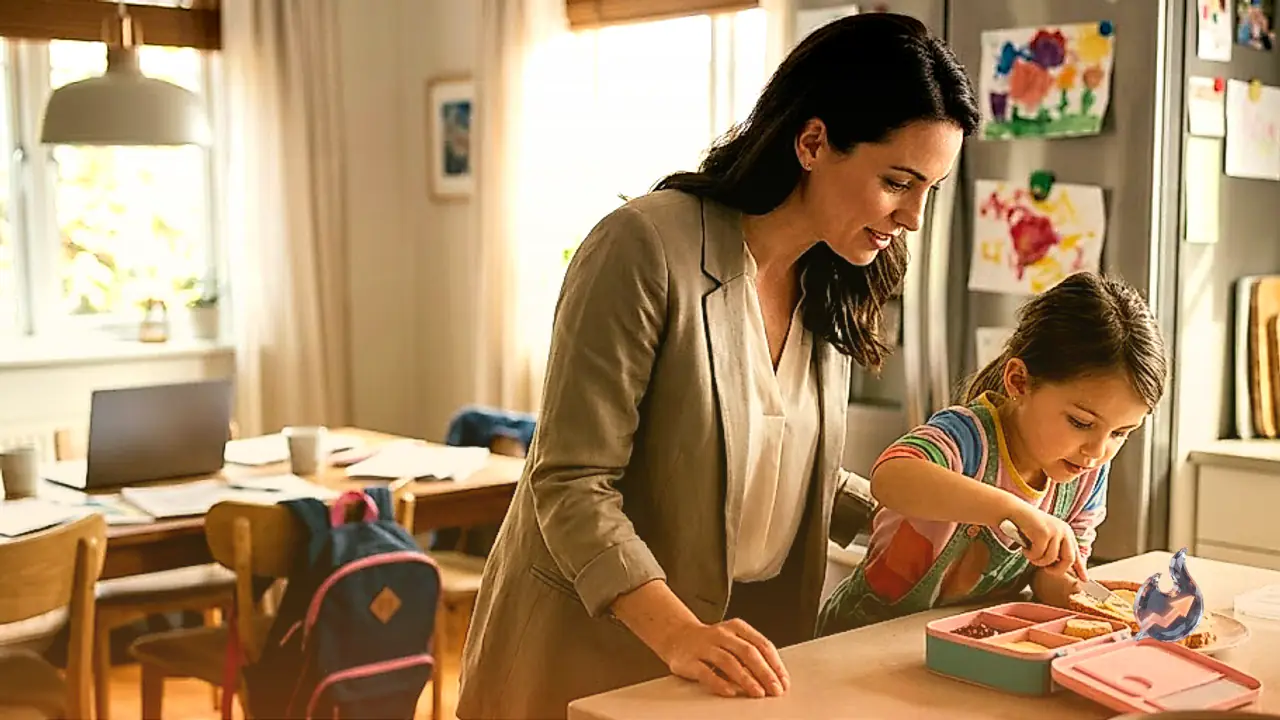
Rather than leaving the child alone or handing out strict punishments after an error, guide them toward a proper solution. If a child struggles with academics, fails to keep their belongings organized, or feels overwhelmed by a task, ask them what kind of assistance they need. This reassures them that even when mistakes happen, their parents remain their strongest supporters rather than adversaries.