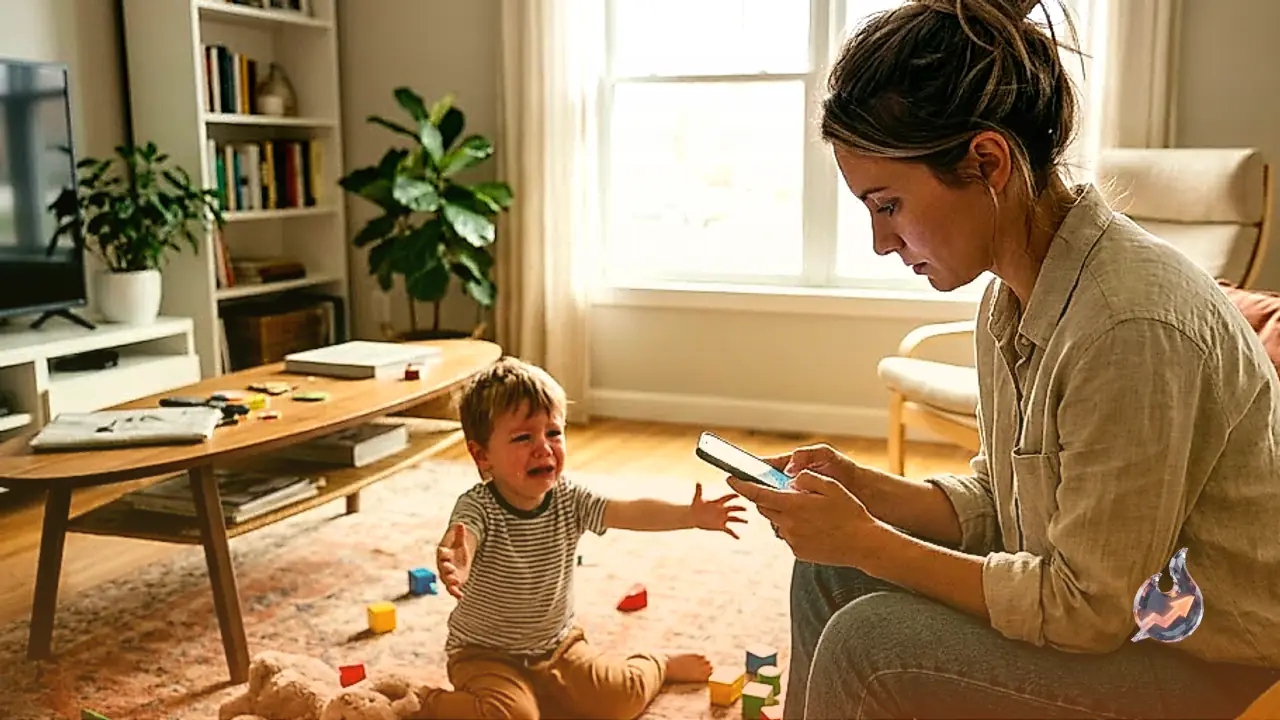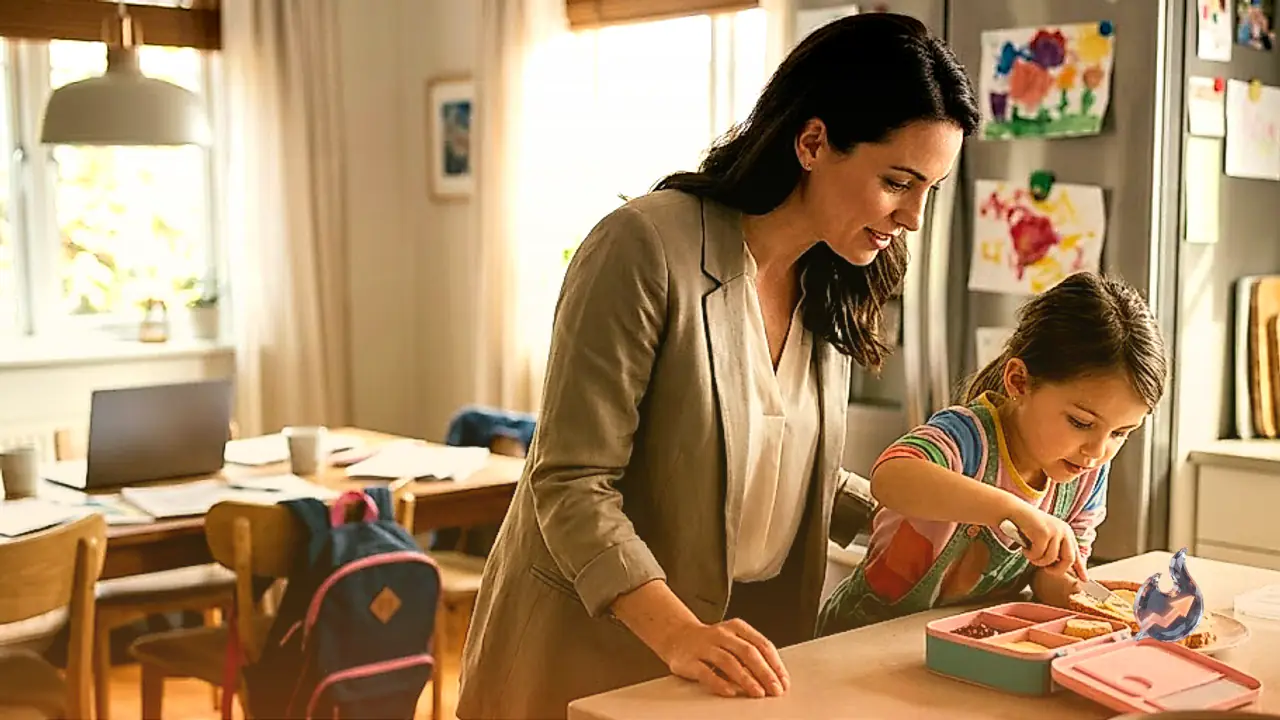
























A child who once narrated every school-day detail to their parents can suddenly turn quiet, choosing to shut the bedroom door, chat with friends in private or stay glued to a phone screen for hours at a stretch. That shift usually marks one thing: the child is stepping out of childhood and into the teenage years, and it leaves parents wrestling with a familiar question, how much freedom to allow and exactly where the privacy line should sit. It is a quiet but consequential turning point, and how parents handle it can shape how open their child stays with them in the years ahead.
Privacy Is Not The Same As Distance
The first thing worth accepting is that giving a child privacy does not mean pushing them away from the family. Nothing about that process is unusual on its own, yet it often catches parents off guard. As kids grow older, they start forming their own identity along with their own likes and dislikes. Making a child feel watched at every single moment can, in many cases, push them to start hiding things instead of sharing them. That is why setting aside some private time and private space can actually be part of healthy emotional growth. If a teenager wants to spend a while alone in their room or jot something down in a diary, it is not necessary to check on it every single time. Constantly demanding to know every detail can end up defeating its own purpose by teaching a teenager to keep things to themselves.
The Phone And Internet Change The Equation
No conversation about a teenager's privacy is complete without talking about phones and the internet. Teenage children today spend a good part of their day on social media, gaming platforms, chat apps and online video, and this is exactly where parents need to strike a balance between trust and safety. Because a large share of a teenager's social life now plays out inside apps and group chats that parents rarely see, this is the space where that balance gets tested hardest. It helps to have an open conversation in advance about what kind of information should never be shared online, what precautions to take while talking to strangers, and why it matters to tell a parent the moment something feels wrong. Parents are better placed to help when they roughly understand what their teenager does online, without needing to track every single click.
Reading Every Message Is Not The Right Approach
Reading a child's every message, photo or conversation without their knowledge can quietly damage the trust between parent and child. Unless there is a specific safety concern, talking to the teenager directly works far better than keeping them under constant surveillance. That said, if a child's behaviour changes suddenly, if they seem afraid of someone, if they are being harassed online, or if there is a genuine safety worry, parents need to take the situation seriously. In moments like these, the child's safety has to come before everything else.
Freedom Still Needs A Few Ground Rules
Giving a teenager privacy does not mean handing over complete, unconditional freedom either. Homes can set a few clear rules, such as limiting phone use late at night, sitting down together to understand the privacy settings on a social media account, and making sure any online problem is reported to a parent right away. Framing these rules as something worked out together with the teenager, rather than dictated from above overnight, often makes the real difference between a child following them quietly and a child looking for ways around them. A rule a teenager helped write is also simply easier to enforce day to day, because there is no sense of it being sprung on them without warning. When a teenager has a say in a rule, they are far more likely to see it as something meant to protect them rather than something meant to take their freedom away.
Why Listening Has To Come Before Judging
The teenage years bring one emotional swing after another, and through all of it, what a child needs most is a parent they can talk to without fear. If a teenager stays silent out of fear of being scolded or punished for a mistake, there is a real chance they will end up sharing that problem with someone else instead of their own parents. That is why it matters to build a home environment where a child feels safe speaking up, and to listen to them carefully before rushing to a verdict. Adolescence is temporary, but the pattern of communication built during it tends to carry into adulthood. The right kind of privacy is one that gives a teenager enough room to build their own identity, while still leaving them certain that their parents will stand by them whenever it truly matters.