

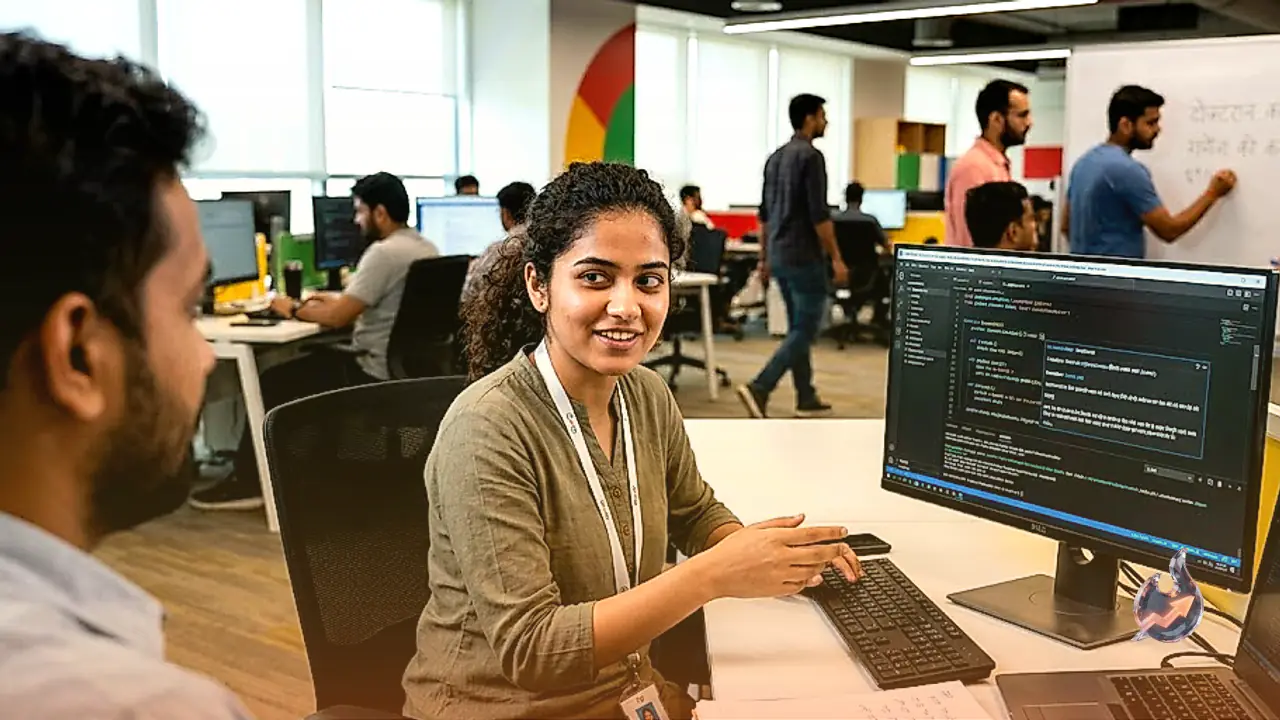

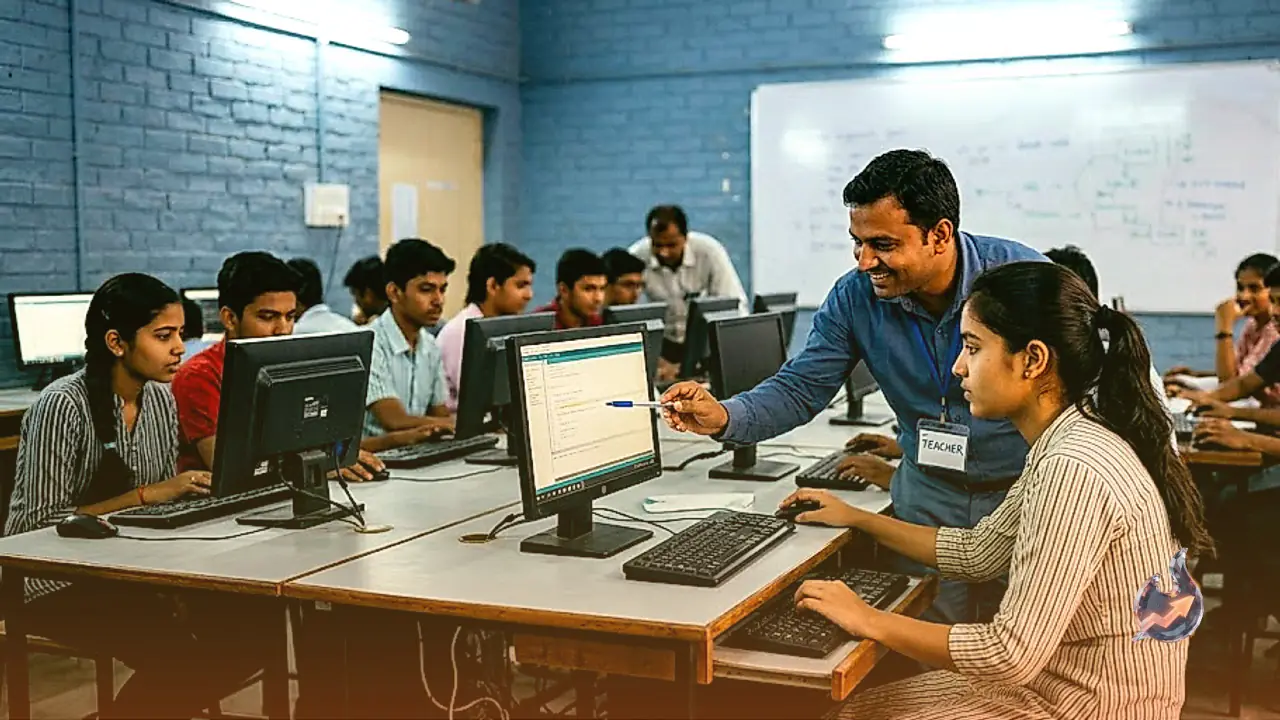

















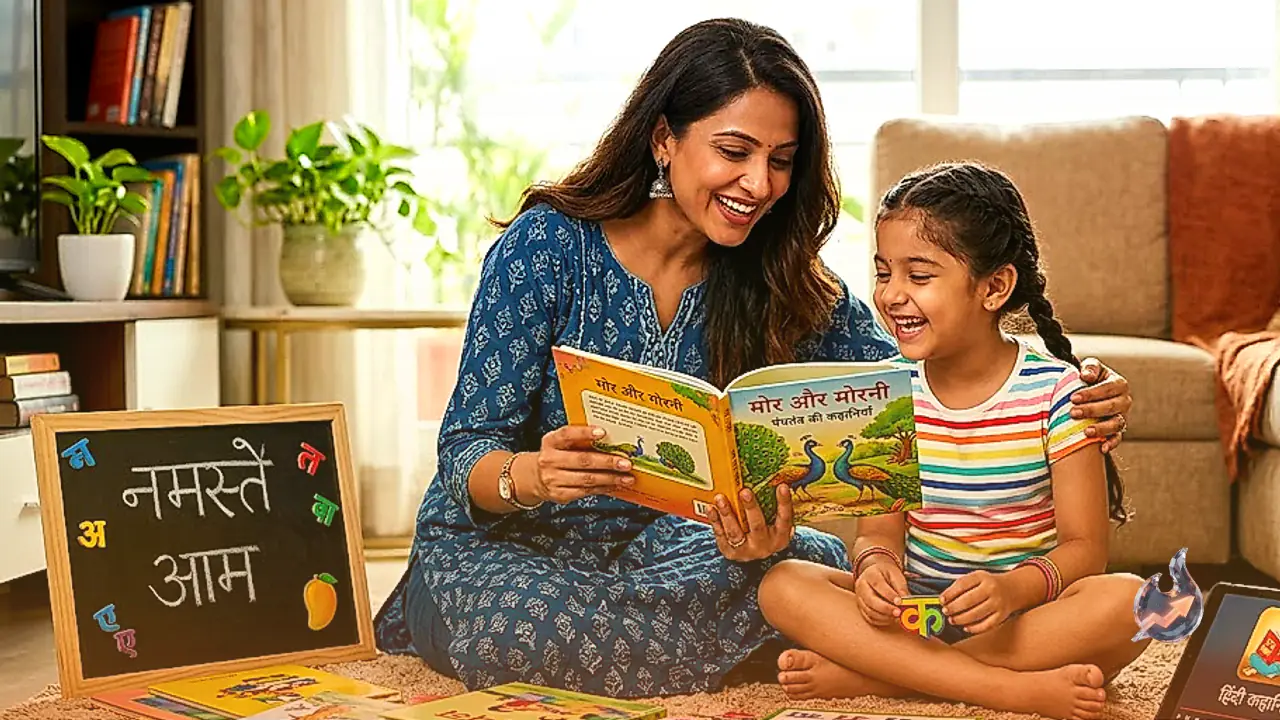

Enrolling children in English medium institutions has turned into a standard preference for modern families. Parents understandably want their children to match global standards, speak English with fluent confidence, and stay ahead in competitive environments. However, this academic journey often leads young learners to gradually drift away from their mother tongue. In many households, a stark contrast emerges where children express themselves effortlessly in English, yet experience severe hesitation and anxiety whenever they are asked to read a Hindi textbook or write a few sentences on paper.
This linguistic gap goes well beyond poor marks on school test papers; it chips away at a young learner's general self-assurance. Struggling to comprehend and converse in one's primary cultural language can create lasting insecurity. Addressing this issue does not call for harsh academic drills or continuous scolding, which only worsen a child's resistance. Instead, parents can rely on smart, creative, and recreational habits at home. Looking ahead toward Hindi Diwas 2026, here are several practical methods that can help English medium students develop a natural grip over Hindi reading, speaking, and writing.
Establishing a Linguistic Balance Inside the Household
A frequent pattern among modern families is conducting almost all home interactions exclusively in English. Over time, children lose exposure to day-to-day Hindi vocabulary and sentence rhythms. Correcting this imbalance does not require banning English speech at home. Rather, families should build an environment where both tongues receive equal appreciation. Designating two or three days each week where everyone in the house communicates strictly in Hindi helps immensely. As children continuously hear accurate pronunciations and natural vocabulary from elders, their initial awkwardness disappears, giving way to effortless spoken expression.
Sparking Reading Habits Through Illustrated Comics and Children's Magazines
Dense, formal school readers often intimidate young minds, turning language study into a boring chore. Parents can replace that friction with visually appealing, lightweight reading materials. Introducing illustrated children's publications such as Champak, Nandan, and Baal Bharti, alongside popular comic series like Chacha Chaudhary, transforms reading into leisure. The vocabulary in these stories is conversational, humorous, and straightforward. As children read these adventures for pure entertainment, they intuitively absorb proper sentence structures and fresh vocabulary, dissolving their underlying dread of the language.
Harnessing Bedtime Narratives and Audio Content to Hone Pronunciation
The timeless ritual of sharing stories before sleep remains an exceptional vehicle for verbal development. Parents can narrate captivating folk tales from the Panchatantra, the wit of Tenalirama, or the clever dialogues of Akbar and Birbal in clear Hindi. In addition, digital tools, child-friendly applications, and YouTube channels provide abundant audio stories and podcasts spoken with clear diction. Listening closely to pristine pronunciations, pauses, and tone improves a child's auditory processing and comprehension skills. This refined auditory foundation directly translates into fewer spelling errors during writing.
Turning Vocabulary Building and Spelling into Engaging Household Games
Rote memorization rarely fixes persistent spelling errors or matra confusions in Hindi. Language learning becomes sustainable when structured as lighthearted family games. Playing word chain games or word Antakshari, where each player forms a new term from the previous word's closing letter, significantly expands their lexicon. Families can also organize a weekly dictation session framed as an entertaining trivia contest rather than a stressful examination. Rewarding correct spellings with verbal praise or modest treats motivates children to view their errors as learning opportunities rather than failures.