

















With elections approaching in Uttar Pradesh, political parties are scrambling to secure their core voter bases. However, the Bharatiya Janata Party has initiated a significant push to penetrate the opposition's most secure stronghold, the 'Muslim vote bank'. While Rahul Gandhi and Akhilesh Yadav have been busy finalizing alliances and traditional political equations, the BJP has quietly deployed its major trump card, the 'Pasmanda Muslim Outreach'. Led by Minority Welfare Minister Danish Azad Ansari, the BJP's minority cell is visiting Muslim neighborhoods to present the report card of central and state welfare schemes, a move that has left the opposition visibly unsettled.
The Stakes: A 3 Crore Vote Bank
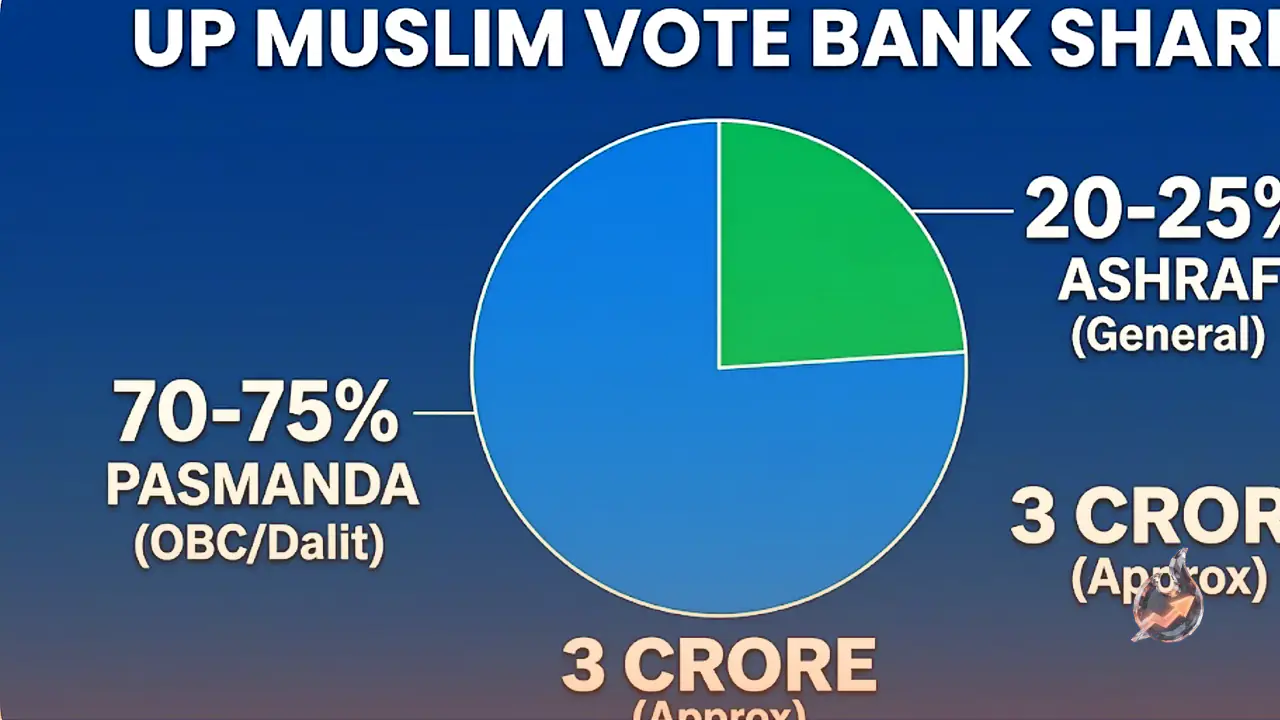
The internal social structure of Uttar Pradesh's Muslim population presents a massive opportunity for the BJP. Analysis shows that 80 to 85 percent of the state's total Muslim population belongs to the Pasmanda (backward, Dalit, and exploited) community. In terms of numbers, this accounts for a massive 3 crore vote bank. Historically, the leadership within the community has been dominated by the Ashraf (upper caste) elite, while weavers, butchers, and small-scale workers (Pasmanda) were treated merely as a monolithic vote block. The BJP is now focusing on this neglected 85 percent, believing that integrating them into mainstream development will dismantle the opposition's secular math.
Focus on Working-Class Communities
The BJP is engaging directly with backward and ultra-backward castes involved in traditional ancestral trades. Key communities include:
- Ansari (Julaha): Weavers involved in textile work.
- Mansuri / Dhuniya: Workers involved in carding cotton and making quilts/mattresses.
- Qureshi: The community largely involved in the meat trade.
- Rain (Kunjade): Traditional fruit and vegetable sellers.
- Salman (Hajjam): Hairdressers and saloon workers.
- Other Artisans: This includes tailors, blacksmiths, carpenters, bangle-makers (Manihar), Alvi, Ghosi (dairy farmers), and Hawari (dhobi community).
Ground-Level Engagement
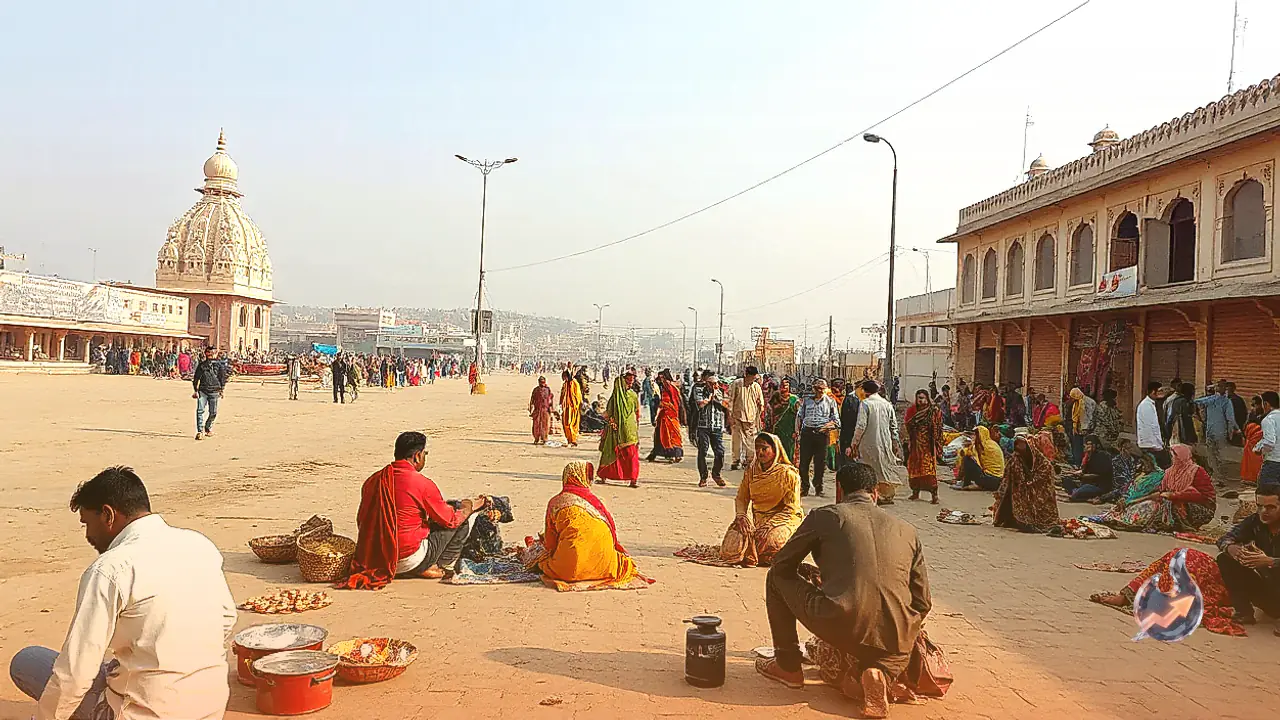
Minister Danish Azad Ansari, who hails from the Pasmanda community himself, is acting as the campaign commander. Instead of massive rallies, he is conducting small domestic meetings and community gatherings. BJP workers are visiting these neighborhoods to verify the delivery of services like free ration, PM Awas Yojana, and Ayushman cards. Because these welfare schemes have reached the poor without religious discrimination, a significant section of the Pasmanda community is now listening to the BJP's message.
A 150-Seat Challenge for the Opposition
This strategy is aimed at approximately 150 legislative seats in Uttar Pradesh where Muslim voters play a decisive role in the outcome. During the previous assembly elections, a similar strategy helped the BJP secure 8 to 10 percent of the Pasmanda vote, which caused a split in the opposition's vote share and led to several BJP victories. Now, leaders like Samajwadi Party's Fakhrul Hasan Chand, Congress minority wing officials, and AIMIM leader Tahir are in defensive mode. The biggest challenge facing Akhilesh Yadav and Rahul Gandhi is how to protect their most trusted vote bank from the BJP's 'welfare-driven nationalism' strategy.