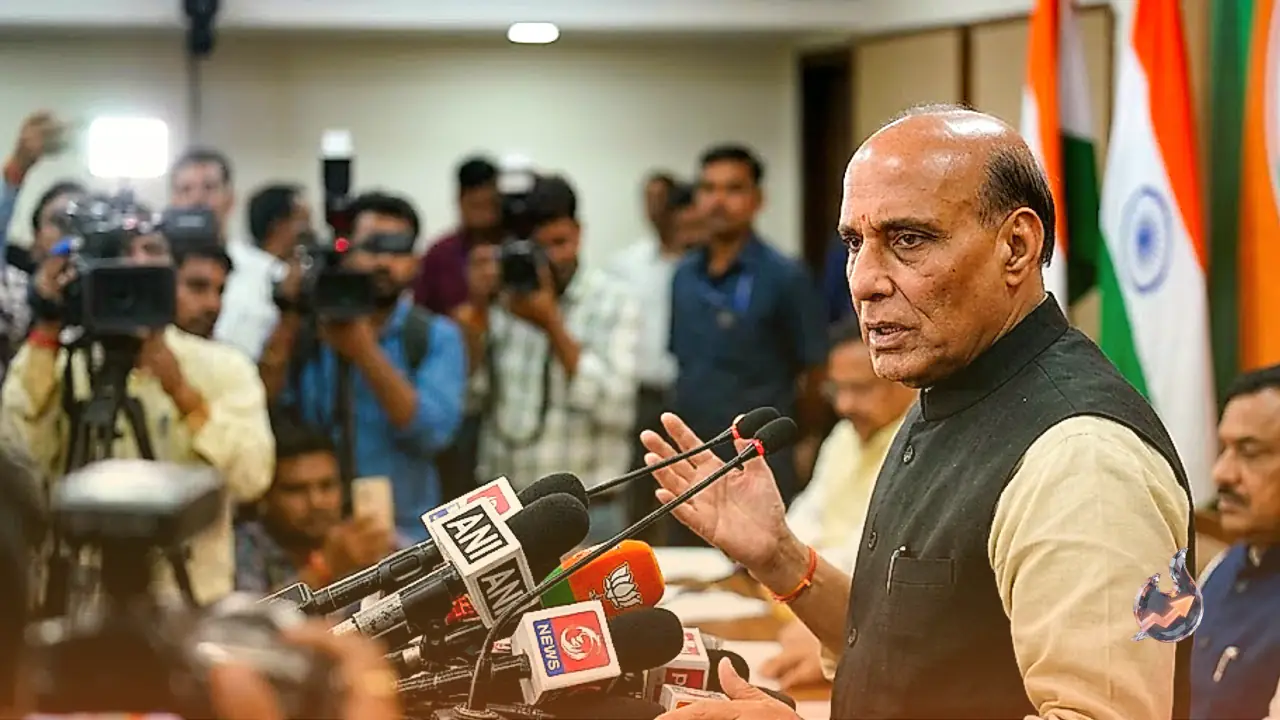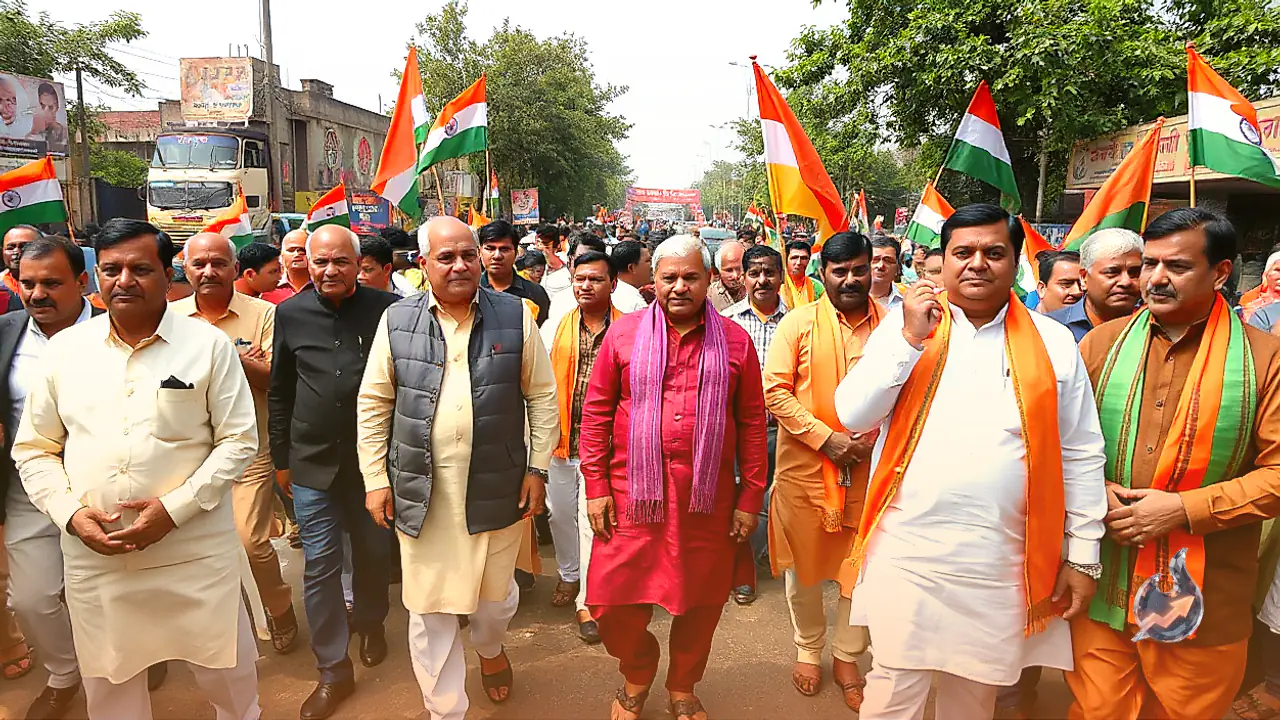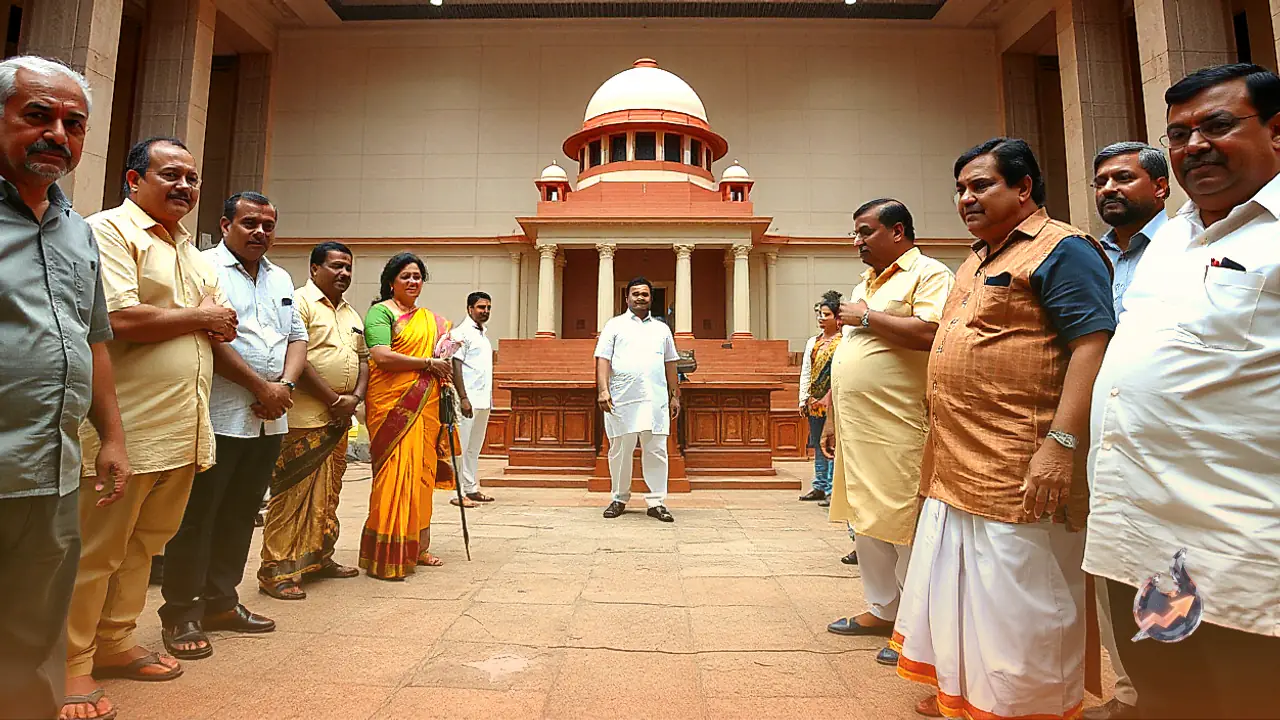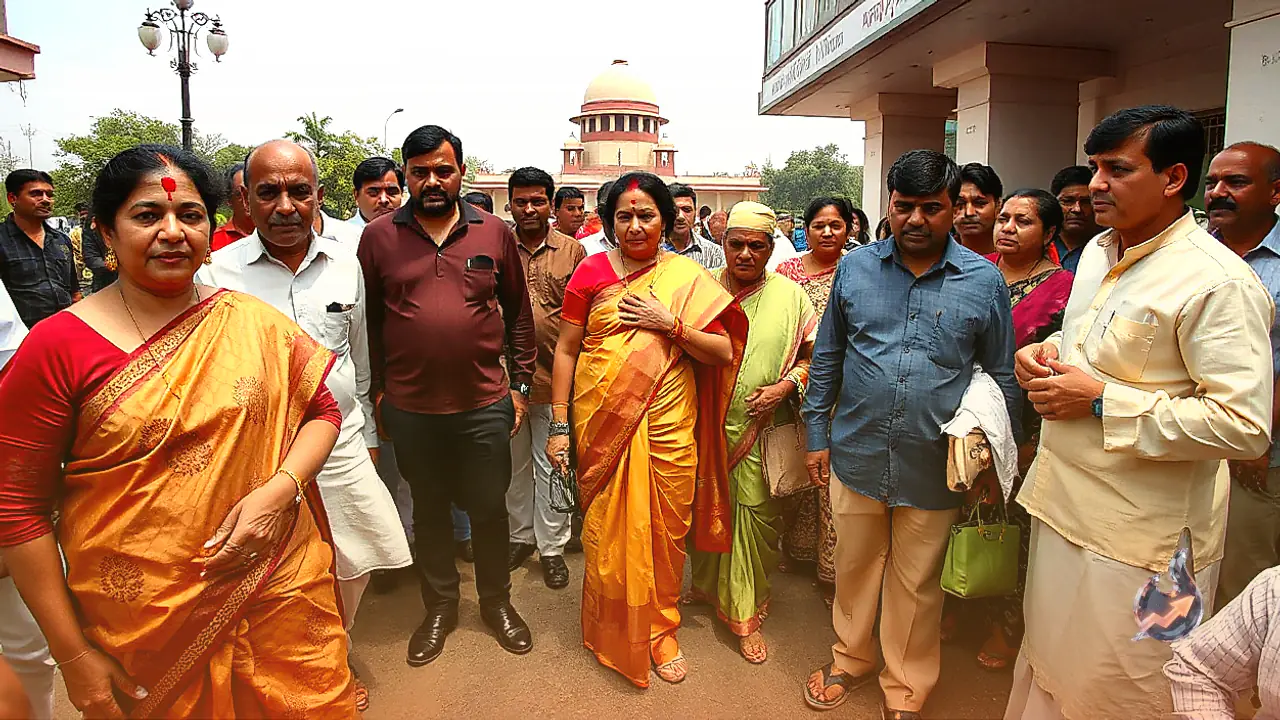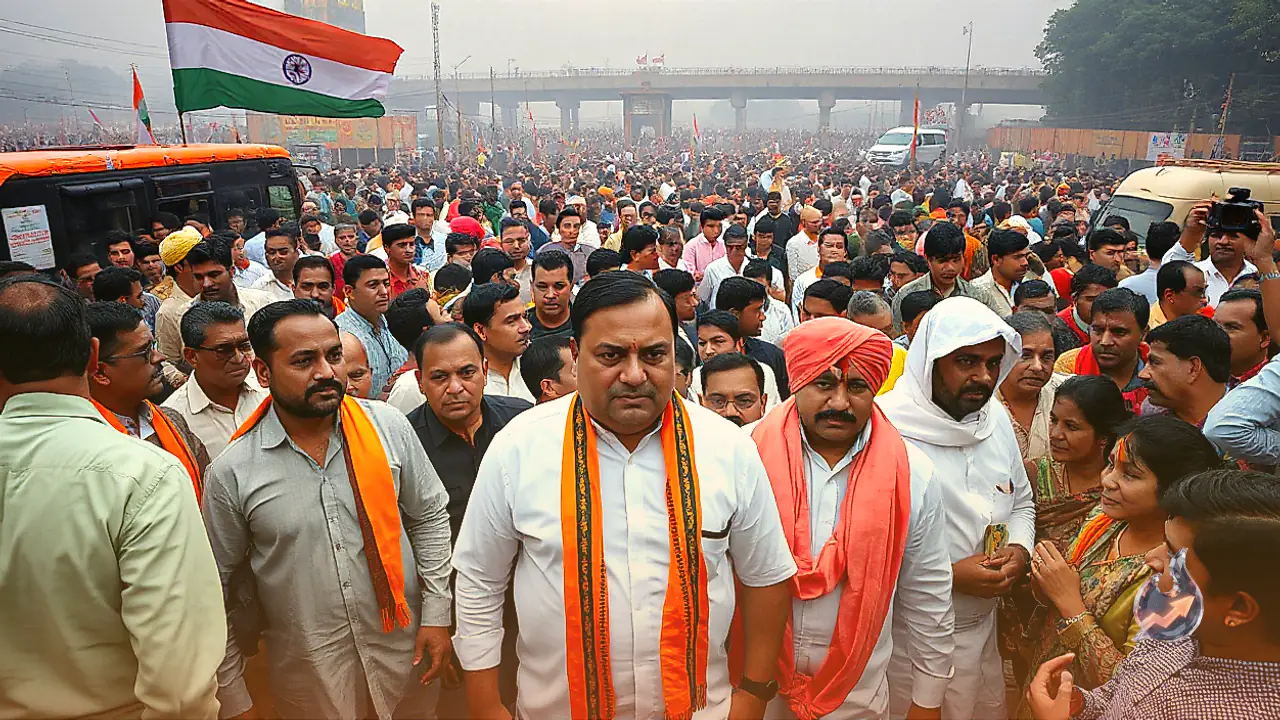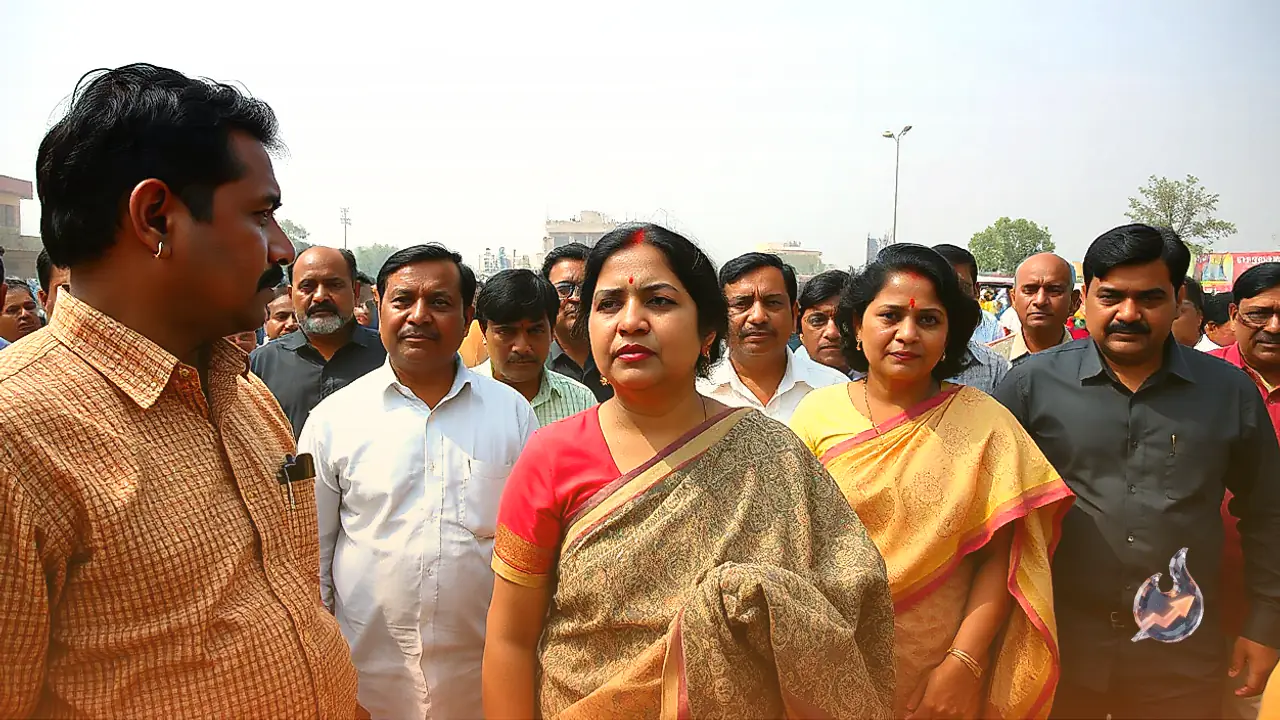



















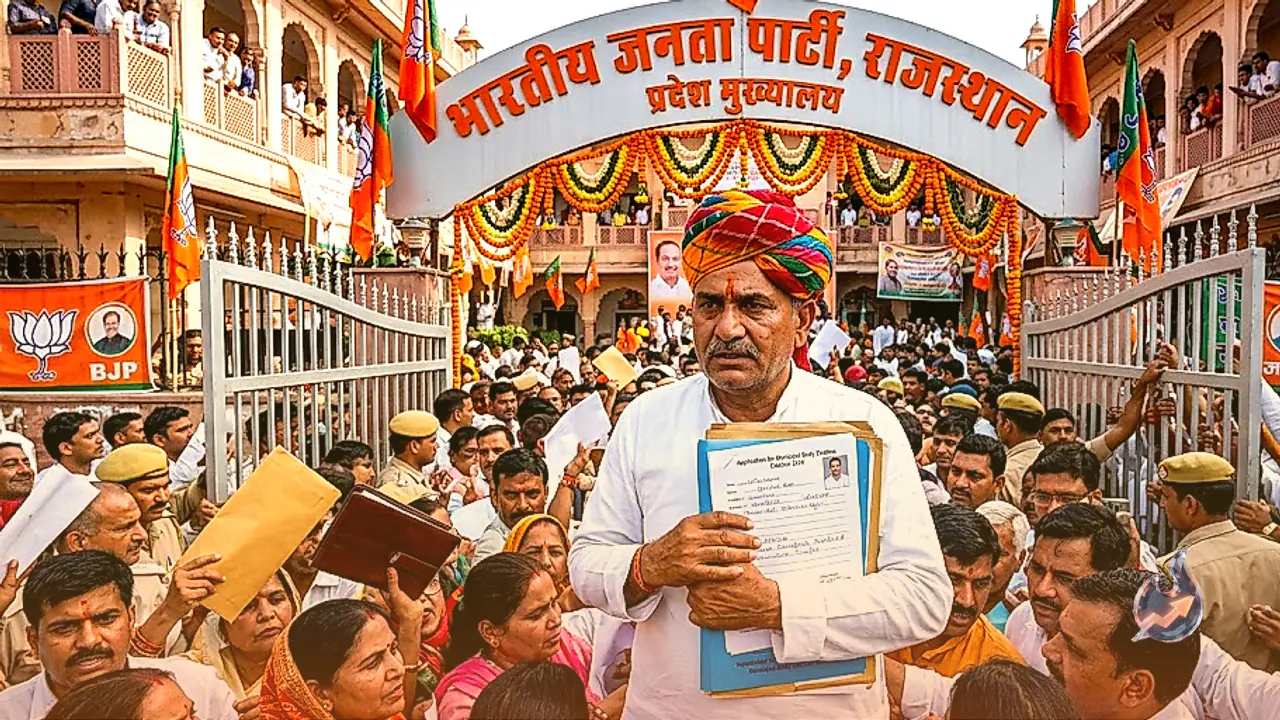

Political activity in Rajasthan has intensified significantly as local municipal body elections draw near. In the capital city of Jaipur, state headquarters of both the ruling Bharatiya Janata Party (BJP) and the primary opposition Congress are witnessing a massive rush of party workers and prospective candidates vying for councillor tickets. Aspirants hoping to secure nominations are leaving no stone unturned, moving between local party managers and state headquarters to demonstrate their political strength. On Wednesday, large crowds gathered at both party offices in Jaipur, with hopefuls clutching their detailed personal profiles and resumes while lobbying senior leaders. Determined to build strong local boards across the state, both major political parties are subjecting candidates to strict screening frameworks to ensure only the most viable contenders make the final cut.
BJP Issues Directives for Submissions and Outlines 5-Tier Selection Process
Amid the growing influx of ticket seekers at party headquarters, BJP State President Madan Rathore issued a clear directive to cadres regarding the application submission process. He advised workers to stop submitting their resumes directly to him or the state headquarters in Jaipur. Instead, candidates have been instructed to submit their documentation to their respective local area leaders. Madan Rathore explained that local screening committees will evaluate candidates first, after which the names of eligible contenders will be forwarded to higher committees for final consideration. Emphasizing the party's cadre-based foundation, Rathore stated that priority will be given to honest, capable workers who enjoy strong grassroots support in their local wards. Expressing confidence in the workers' enthusiasm, he claimed that the BJP would contest the municipal polls with full strength and establish party-led municipal boards across a vast majority of cities in Rajasthan.
To ensure a fair and systematic selection, the BJP has established five distinct criteria to evaluate prospective candidates. In the first phase, the party will assess candidate activity and grassroots hold at the booth and mandal levels. The second phase involves collecting confidential feedback regarding the candidate's reputation and conduct from local ward workers and office bearers. The third phase evaluates social dynamics, personal public support base, and overall public image within the constituency. In the fourth phase, inputs will be sought from elected representatives and prominent political figures, including sitting local MLAs, former MLA candidates, MPs, former parliamentary candidates, and other key leaders. Finally, in the fifth phase, the evaluation reports from all preceding stages will be compiled into a consolidated panel report, which will serve as the basis for finalizing candidate nominations.
Congress Focuses on Winnability, Loyalty, and Youth Representation
Simultaneously, Rajasthan Congress State President Govind Singh Dotasra met with party workers at the Pradesh Congress Committee (PCC) headquarters in Jaipur on Wednesday to review election readiness. Dotasra made it clear that candidate selection for the upcoming municipal elections would focus exclusively on winnable and loyal contenders. He stressed that the party would strictly avoid candidates who are prone to political defections or compromise. According to Dotasra, the primary benchmark for receiving a nomination will remain the candidate's actual ability to win the seat.
Furthermore, Congress is placing a strong emphasis on empowering younger candidates in these elections. Govind Singh Dotasra stated that if a youth aspirant and a senior party member are found to possess equal merit and winnability in a given ward, the party will make conscious efforts to give preference to the younger candidate. He urged senior leaders and elderly party members to extend their blessings to younger workers and encourage them to take leadership roles. The party leadership believes that combining the enthusiasm of youth with the wisdom of experienced members will deliver strong electoral results for Congress in urban areas.
Denial of Internal Rebellion and Allegations of Government Surveillance
Addressing concerns regarding potential factionalism or rebellion following ticket distribution, Govind Singh Dotasra dismissed any possibility of internal discord within the Congress ranks. He asserted that leaders and workers would remain united and campaign collectively across all municipal wards. Dotasra expressed strong confidence that the election results would come as a major surprise to political observers, as Congress aims to form municipal boards in the maximum possible number of cities across Rajasthan.
During his interaction, Govind Singh Dotasra also leveled serious allegations against the BJP-led state administration, accusing the Chief Minister's Office (CMO) of conducting surveillance on Congress leaders and potential candidates. He alleged that officials from the Chief Minister's Office were making direct phone calls to intelligence personnel and Sub-Divisional Magistrate (SDM) level officers to gather information about winnable candidates. Dotasra questioned why the BJP administration was bypassing its own political cadres and relying on administrative officers to gather political intelligence. He alleged that government machinery was being misused for political gains, but reiterated that Congress would secure a major victory through its strong organizational network.