


















New Delhi. Political communication styles evolve over time, but few leaders have mastered the art of connecting across generations quite like Prime Minister Narendra Modi. From his political origins in Gujarat to leading the nation from Delhi, his journey has been marked by an uncanny ability to adapt to changing mediums while retaining his distinct political appeal. Opponents have routinely struggled to corner a leader who consistently manages to reinvent his outreach.
Bridging the Gap With Gen-Z on Digital Screens
When public anger regarding paper leaks echoed across the country and reached the steps of Parliament, opposition parties attempted to capitalize on widespread youth frustration. In response, Prime Minister Modi shared a video message on social media that immediately neutralized the political narrative. By directly addressing young people using the term 'friends', he displayed a high degree of empathy and communication skill that effectively disarmed his critics.
A Modern Welcome at a Gujarat Event
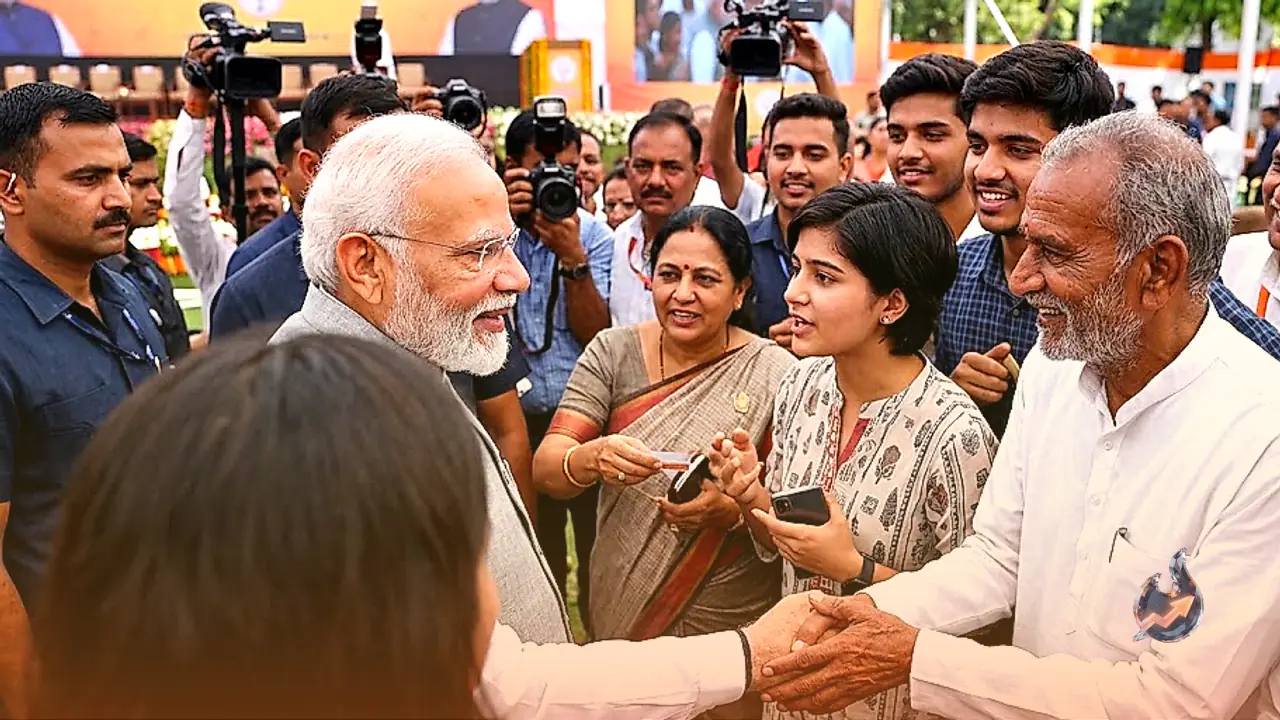
This digital-first approach extended beyond virtual messaging into physical gatherings. When Prime Minister Modi arrived at an event in Gujarat, young attendees greeted him in true Gen-Z fashion. Instead of traditional paper banners, supporters created digital posters directly on their mobile phone screens. The gathering featured trendy music, creative displays, and an enthusiastic reception, highlighting his deep resonance with younger demographics.
Addressing Crowds Without a Microphone for 40 Minutes
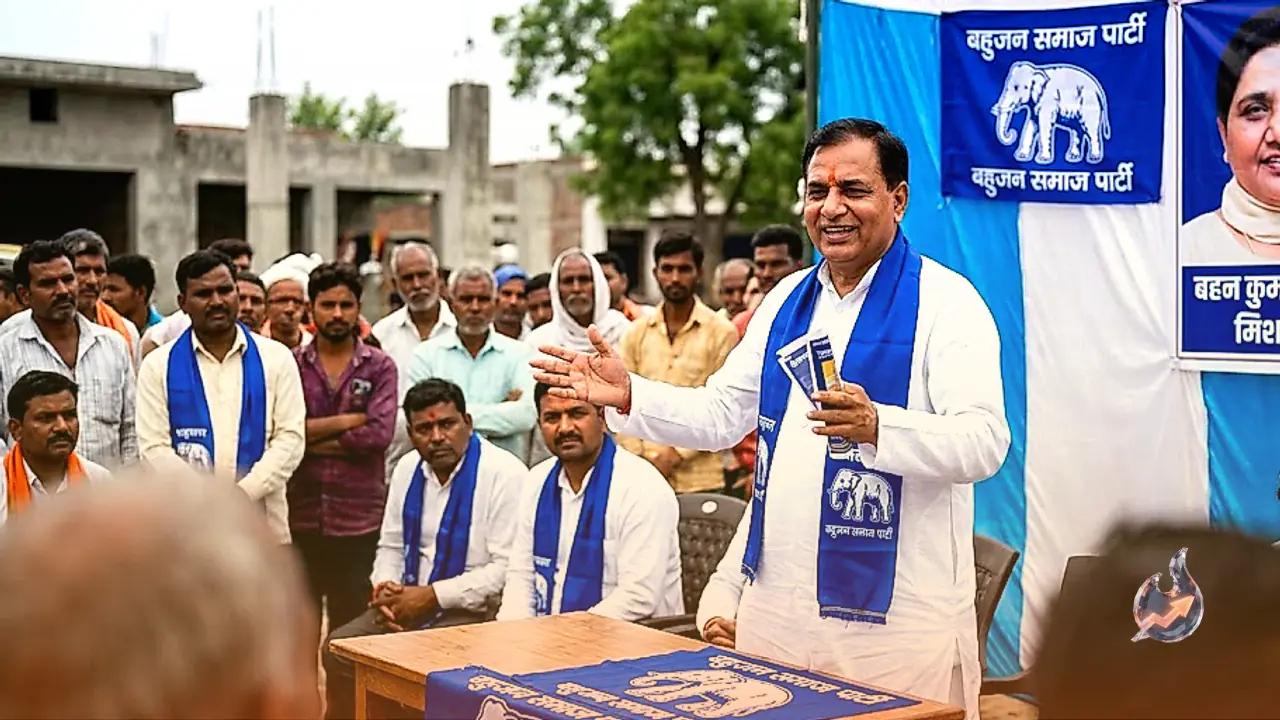
Public speaking challenges often trip up politicians, but Prime Minister Modi has frequently turned unexpected hurdles into memorable demonstrations of leadership. Former Uttarakhand MLA Mukesh Koli recalled an incident featured in 'Modi Story' from 2007, when then-Gujarat Chief Minister Narendra Modi was addressing a rally in Pauri amid a major power outage. Brushing aside protocol, Modi asked the audience to gather close and delivered a 40-minute speech entirely without a microphone.
Solidarity With Grassroots Party Cadres
Beyond public rallies, Modi maintains a deeply personal connection with BJP party workers, consistently demonstrating that the organization values its grassroots members. Whether dealing with national leaders or booth-level volunteers, he stands firmly with his team. Nitin Navin recalled an inspiring incident from a national executive meeting in Bihar, where a massive rally was organized in Patna and leaders were departing in their vehicles.
Walking Out to Greet Workers in Patna
When Prime Minister Modi arrived and was informed that numerous party workers were waiting outside, he insisted on walking out to meet them. He personally accepted garlands from the cadres, greeted everyone respectfully, and bowed to them before finally stepping into his vehicle. Though a simple gesture, it underscored his enduring respect for the party's foundational workers.
A Participatory Approach in Governance
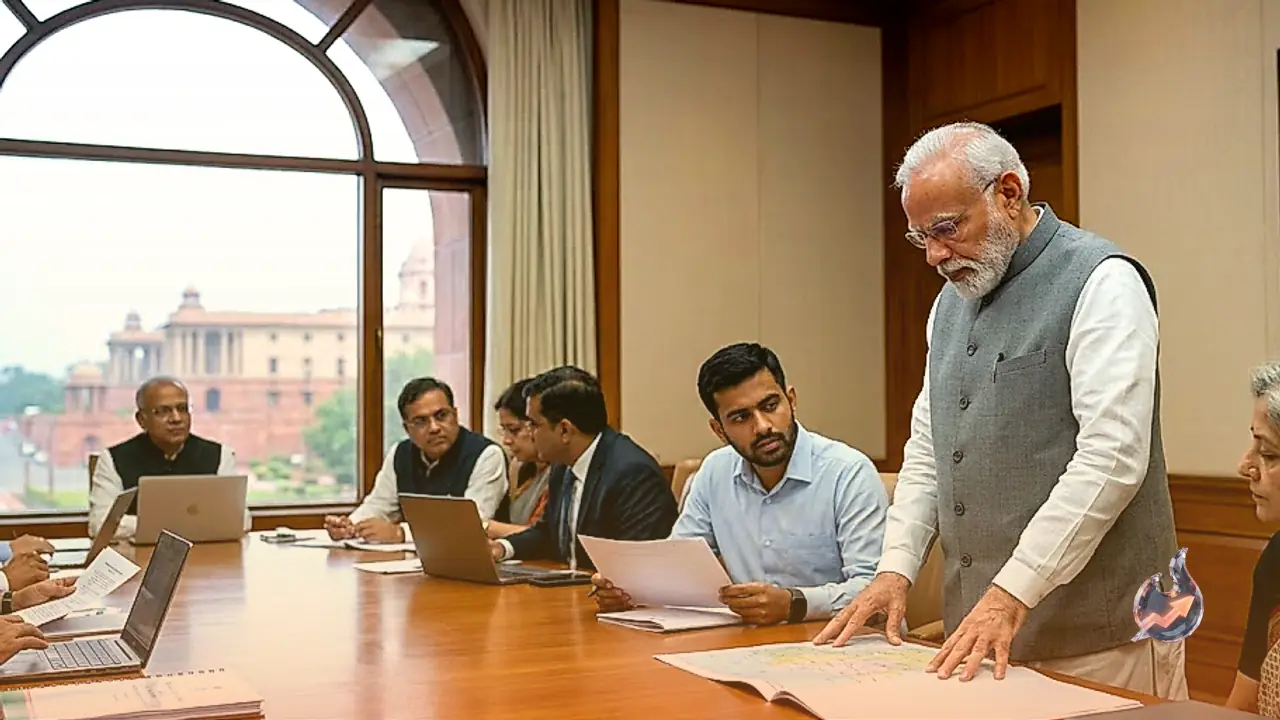
In administrative settings, Modi has often stepped back to allow his team members to take the lead and innovate. A former bureaucrat recounted in 'Modi Story' how during 'Chintan Shivir' sessions attended by ministers, secretaries, and collectors, Modi would deliberately choose a seat in the back rows. Rather than acting as a traditional chief executive, he participated actively as an engaged attendee, listening intently and often initiating key discussions himself.
Encouraging Open Dialogue and Debate
According to the former bureaucrat, these brainstorming sessions were designed to ensure total participation. Modi not only encouraged officials to ask questions and voice their opinions, but he frequently drove the conversations forward with his own probing inquiries. By observing quietly from the background and participating as an equal contributor, he fostered an environment of collaborative governance.