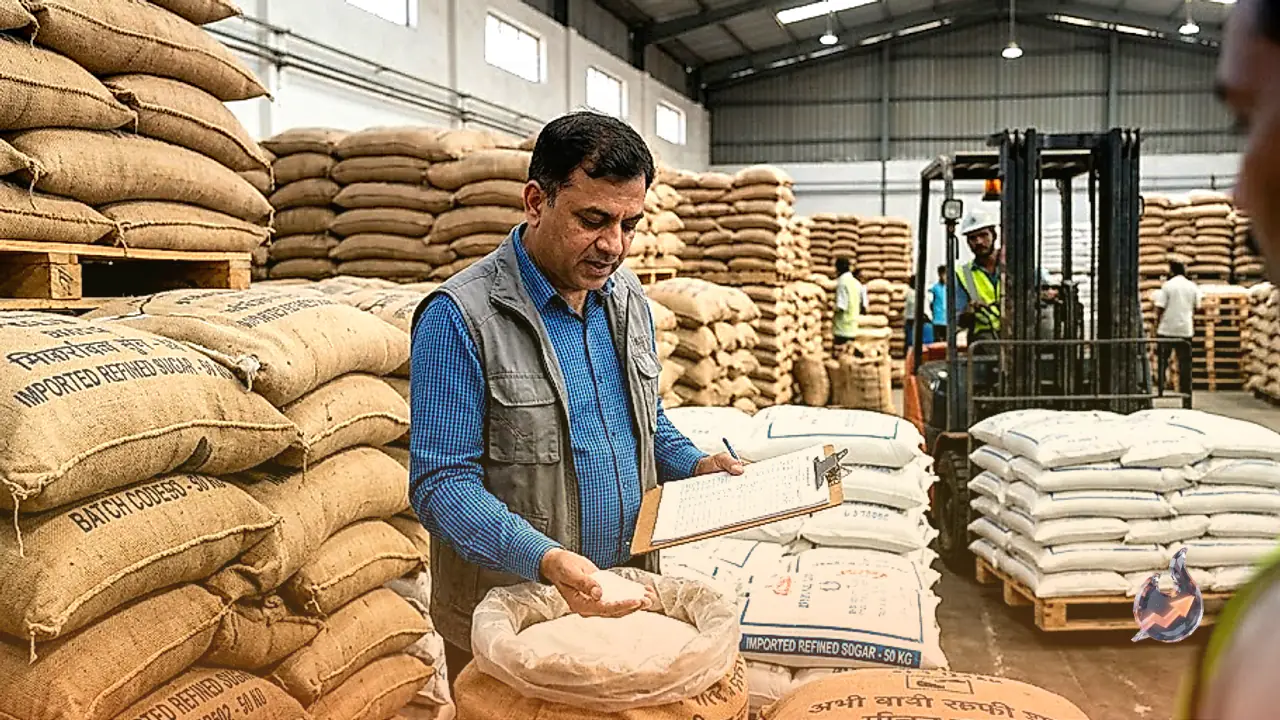























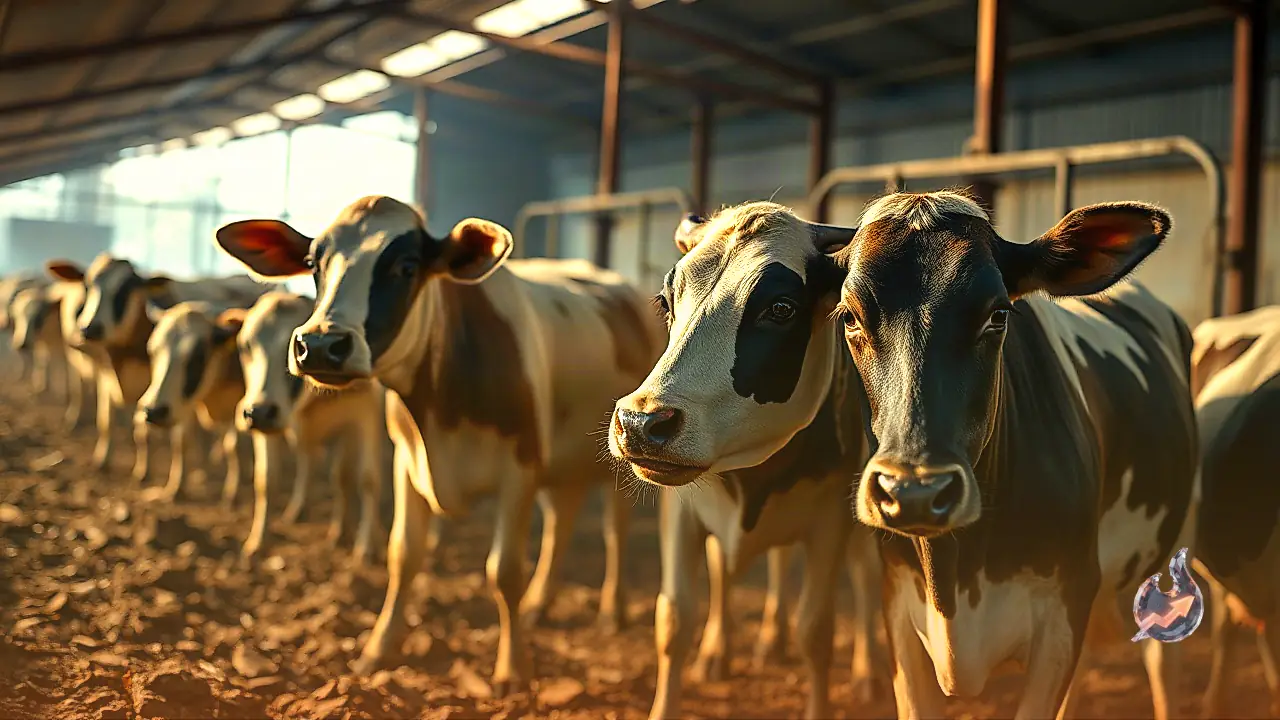

Youth in Bhagalpur are gradually shifting away from traditional employment and moving toward various agricultural enterprises. Whether it is poultry farming, goat rearing, or dairy farming, young individuals are increasingly stepping into the agricultural sector to build independent livelihoods. Among these ventures, cow farming has emerged as a particularly popular choice for those looking to establish a sustainable business.
However, aspiring dairy farmers often struggle with critical decisions, such as determining which cow breed will yield the highest profit and understanding the essential requirements for running a successful farm. Selecting the right breed is the single most important factor in determining the success of a dairy enterprise. Furthermore, farmers generally operate under two main business models, either selling milk directly in the open market or supplying it to milk collection cooperatives, and each model requires specific cattle breeds.
Choosing The Right Breed For Dairy Cooperatives
Many farmers tend to rear Holstein-Friesian cows in pursuit of high milk volume. However, when this milk is taken to cooperative dairies, the procurement price is calculated strictly based on fat and solids-not-fat content. Since crossbreed and HF cows produce milk with relatively lower fat content, farmers often receive only 34 to 35 rupees per unit for their yield.
Veterinary doctor Shubham Kumar explains that farmers aiming to supply milk to collection centers should opt for indigenous cattle breeds to maximize their returns. He highlights that rearing traditional breeds such as Sahiwal, Gir, Rathi, and Kankrej proves to be significantly more profitable because the milk produced by these cows commands a substantially higher market rate.