


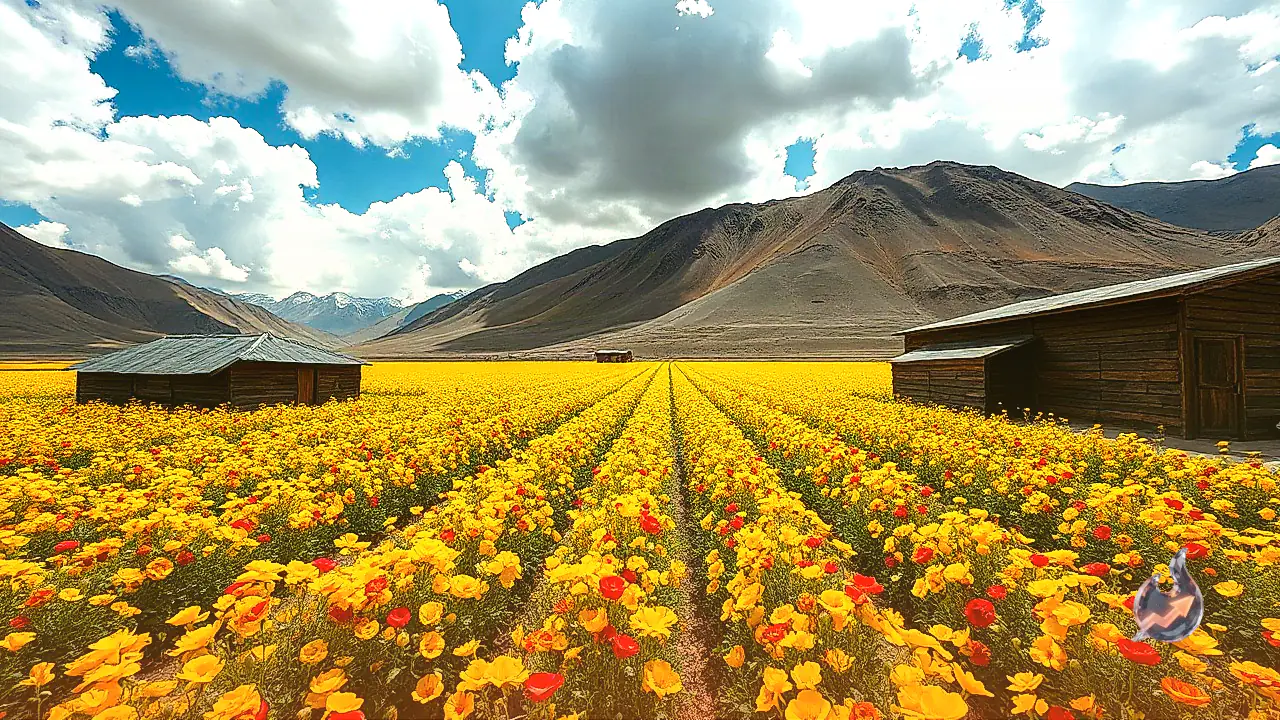















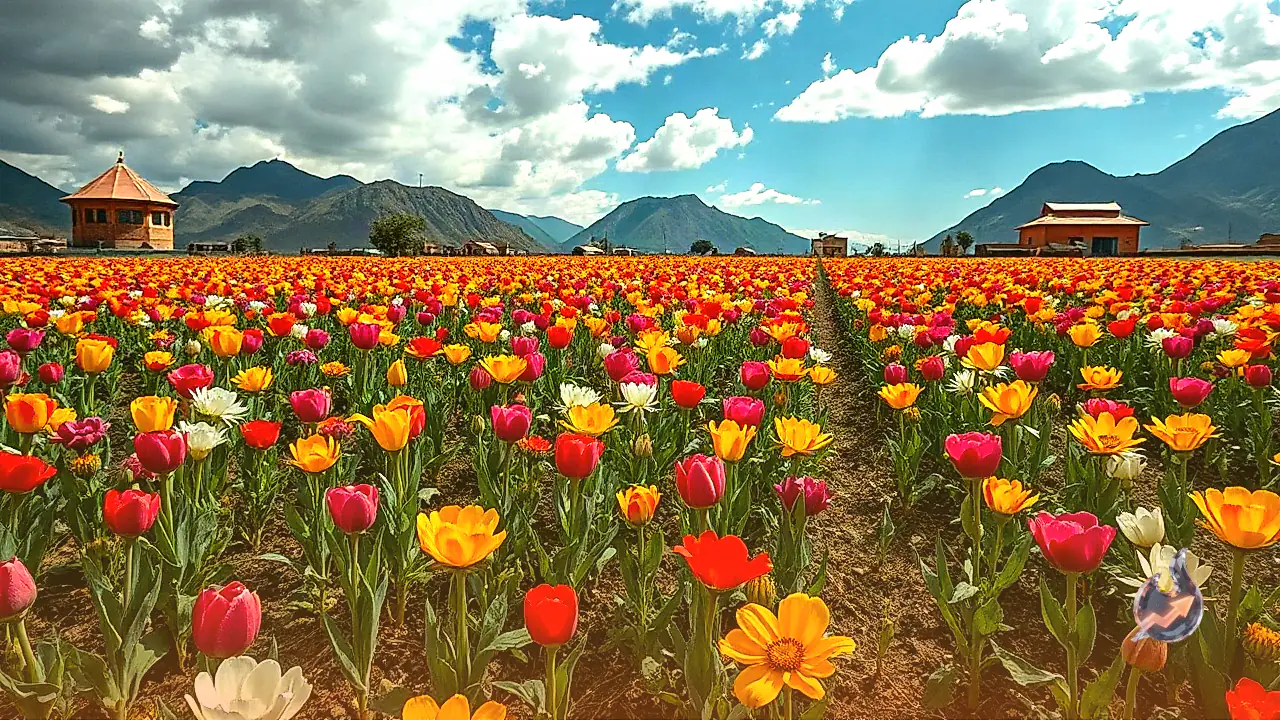

A vibrant new chapter of rural prosperity and scenic transformation has unfolded across the rugged landscapes of Ladakh. Lieutenant Governor Vinai Kumar Saxena officially inaugurated the world's highest twin flower field in Leh. Situated at a striking altitude of 10,600 feet above sea level, this expansive floral project spans 40 acres of land, marking it as India's largest and most unique floriculture zone. The initiative was launched to mark the 76th birthday of Prime Minister Narendra Modi. Beyond its record-breaking geographical elevation, the project introduces commercial flower cultivation to a region traditionally dependent on limited crop cycles, opening up significant economic avenues for local farmers and young entrepreneurs alike.
The most remarkable aspect of this ambitious undertaking has been its execution within an exceptionally brief timeframe. Planting activities at Choglamsar commenced early on July 16, and within two short months by the first week of September, blossoming lilies filled the surrounding valleys with their fragrance. Meanwhile, in the second project segment located at Stakna, approximately 1.4 million lily bulbs were planted during August, with full blooms expected across the fields by late October. This large-scale high-altitude floriculture initiative represents the first successful commercial trial of its kind under the harsh climatic conditions of the region.
Encouraged by this initial success, the local administration is already formulating plans to replicate the proven model across other parts of Ladakh. Capitalizing on the unique climatic advantages of the territory, the project is strategically designed to bolster rural entrepreneurship and household income. Premium flower varieties like lilies enjoy massive demand across domestic and international markets. In wholesale trade networks, a single lily stem commands a premium price between 60 to 70 rupees, while retail channels yield even higher returns for producers.
This large-scale floral output is projected to multiply local farming incomes significantly while giving a robust impetus to agri-tourism and flower-based startups throughout the union territory. The Choglamsar flower park is structured to function as a model and demonstration hub for advanced floriculture. Cultivated varieties will include high-demand species such as lilies, gladioli, tulips, and ornamental plants that command strong commercial value both nationally and globally.
To ensure long-term sustainability, the cultivation model relies on active participation from self-help groups and cooperative societies. During the inaugural operational year, the agriculture department will establish the crop fields and subsequently hand them over to selected self-help groups and cooperatives once flowering is achieved. The department will actively assist these community groups in marketing their floral produce across national and international markets. Starting from the subsequent year, the cooperatives will independently manage commercial cultivation, harvesting, and value addition operations.
Comprehensive training programs are currently underway to equip local farmers with scientific floriculture techniques, modern cultivation practices, and business management skills necessary to establish flower farming as a profitable enterprise. During the inauguration ceremony, the Lieutenant Governor emphasized that the initiative extends far beyond mere flower planting, serving instead as a foundational effort to sow seeds of livelihood, skills, and new opportunities for the residents of Ladakh.
The flower garden is intentionally designed to serve as an educational and training facility for local growers and youth. The infrastructure aims to impart knowledge regarding modern agricultural methods and post-harvest management, enabling farmers to implement floriculture at individual and community levels. Highlighting the broader vision, LG Saxena noted that the facility will function as an ecosystem where knowledge, enterprise, and flora thrive simultaneously, augmenting traditional agricultural earnings with high-value commercial ventures.
The flower garden will officially open to the general public starting September 18, 2026. To ensure proper upkeep and sustained maintenance of the facility, a nominal entry fee has been established at 25 rupees for adults and 10 rupees for children. All revenues generated through admissions will be reinvested directly into the daily care and management of the botanical park.