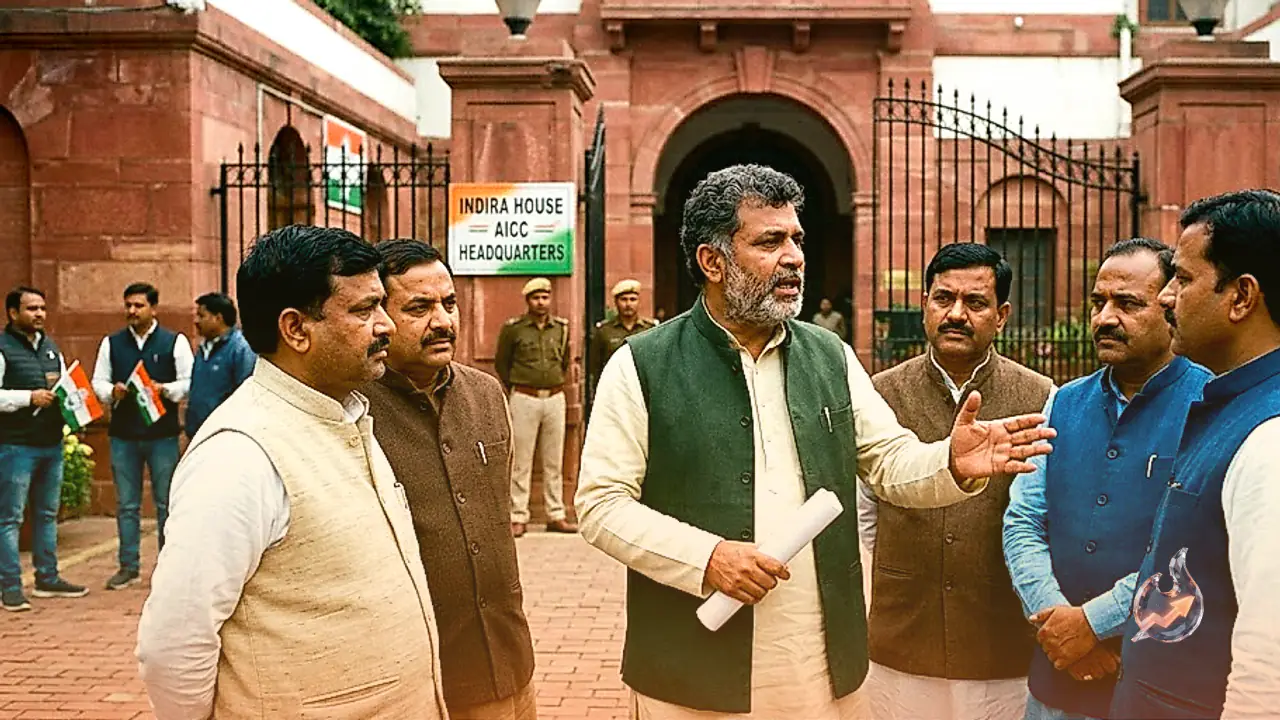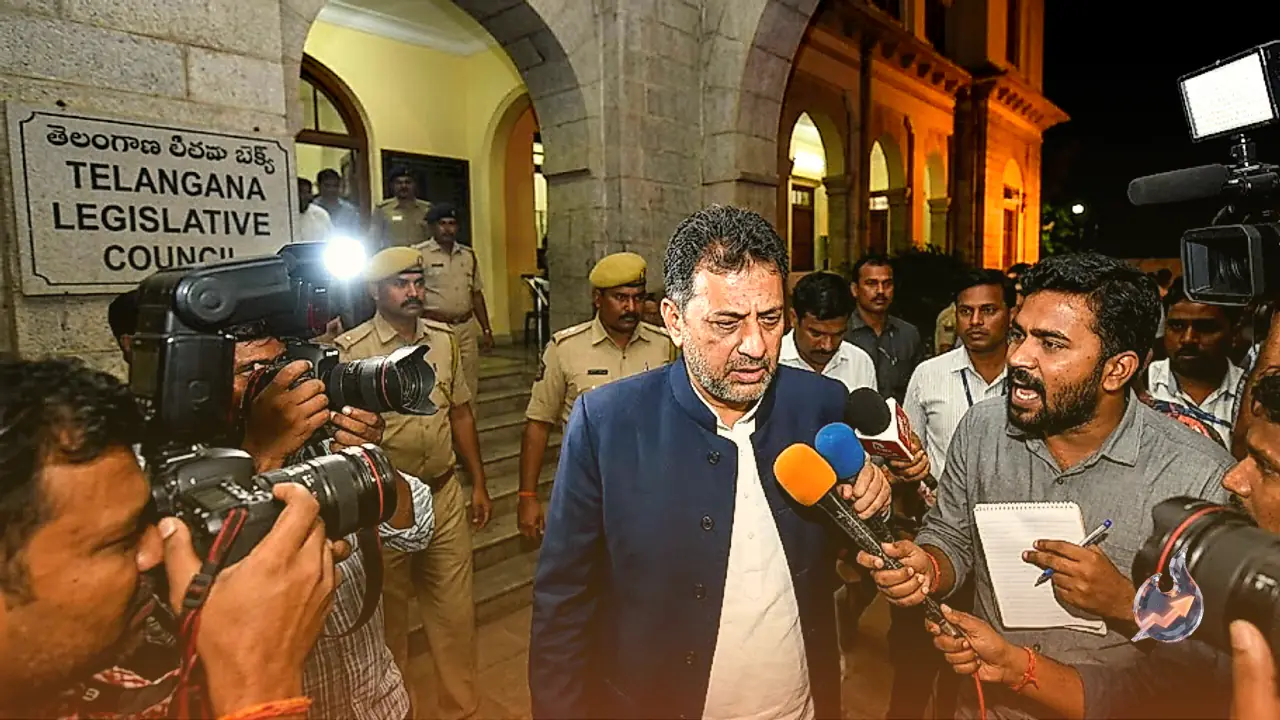



















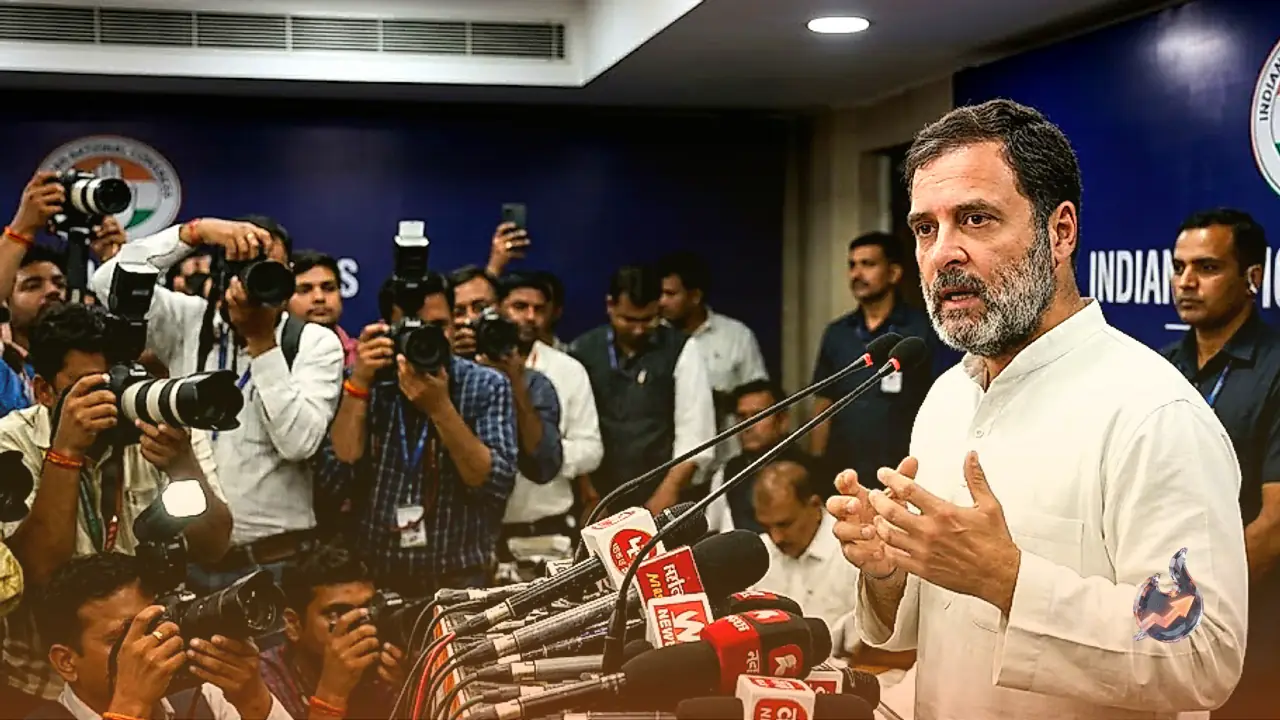

Senior Congress leader and Leader of the Opposition in the Lok Sabha Rahul Gandhi addressed a press conference on Saturday, launching a sharp critique against the central Bharatiya Janata Party government and the Rashtriya Swayamsevak Sangh. During his interaction with the media, he raised pressing concerns regarding the alleged discrimination, social atrocities, and widespread bias faced by Dalits across India. Gandhi asserted that the country is currently witnessing an ongoing ideological battle between two opposing forces. On one side stands the Constitution of India, while the other side is represented by the ideology of the BJP and the RSS. He also specifically drew attention to the purification controversies surrounding Mallikarjun Kharge, demanding strict justice and accountability in the matter.
The Core Ideological Conflict and Constitutional Values
Rahul Gandhi emphasized that the Indian Constitution fundamentally represents the core philosophies and progressive ideals championed by Dr. B.R. Ambedkar, Mahatma Gandhi, Jawaharlal Nehru, and Sardar Vallabhbhai Patel. He stated that the current political and social struggle in the country must be viewed through the lens of this very ideological clash. Citing multiple disturbing examples of discrimination against Dalits, he pointed out that while the Constitution has officially declared untouchability and social discrimination illegal, such regrettable incidents continue to occur rampantly across various segments of society. The gap between constitutional guarantees and ground realities remains a critical challenge for the nation.
Discrimination in Educational Institutions and Water Sources
Highlighting systemic caste bias, Gandhi alleged that Dalit children in certain schools are still forced to clean toilets and perform menial sweeping tasks. Such degrading incidents, he noted, have a severe psychological impact on the mental development of young children and leave a lasting negative impression on future generations. Furthermore, he accused society of enforcing discrimination regarding the access to public water sources in rural areas. He stated that in many places, Dalits are strictly barred from drawing drinking water from public wells, forcing them to rely on separate and often inadequate arrangements for their basic daily needs.
Divided Tea Cups and Restrictions on Wedding Processions
Addressing other pervasive forms of social segregation, the Congress leader mentioned the alleged practice of maintaining separate tea cups for Dalits at local tea stalls. According to him, in certain locations, special cups are assigned to Dalits which are immediately discarded after use, whereas upper-caste or general patrons are served in glass cups. Gandhi also raised the sensitive issue of caste-based violence surrounding wedding processions, specifically targeting the restrictions placed on Dalit grooms riding horses. He stated that even today, in numerous regions, Dalit grooms are prevented from mounting horses during their wedding celebrations, and face violent physical assaults if they dare to protest.
Widespread Regional Issues and Political Accusations
Gandhi maintained that this is not an isolated problem confined to any single pocket of the country, but rather a widespread phenomenon visible in cities, towns, and villages across North India. He directly accused the ruling BJP of attempting to suppress the upward mobility and progress of the Dalit community. He claimed that the more successful a Dalit individual becomes in society, the larger and more aggressive the backlash or attack against them tends to be. However, the specific political reactions or counters from the BJP regarding these severe allegations were not included or available in the source text.
Purification Rituals in Rajasthan and Uttarakhand
During the course of the press conference, Rahul Gandhi specifically highlighted alleged purification rituals reported from the states of Rajasthan and Uttarakhand. He accused local BJP leaders of performing ritualistic purification ceremonies immediately after a Congress legislative leader visited a temple in Rajasthan. Condemning this activity as a direct manifestation of untouchability, he declared it to be entirely unconstitutional. Additionally, he brought up an incident from the Ramlila Maidan in Haldwani, Uttarakhand, involving Congress President Mallikarjun Kharge, claiming that purification rituals were carried out after Kharge delivered a speech at the venue.
Demands for Action and Strict Legal Enforcement
Gandhi underscored that Mallikarjun Kharge has dedicated his entire life to the service of the nation and its Constitution, making the disrespectful treatment meted out to him a matter of grave concern. He argued that if a temple premises or public venue undergoes ritual purification simply because a specific person visited it, the inherent implication is that the individual was treated as impure. Terming this blatant untouchability, he recalled that the Indian Constitution criminalizes such acts. According to his timeline, Kharge visited the temple on August 8, the alleged purification ritual took place on August 10, and Kharge publicly denounced it as a crime on August 13. He noted that a BJP leader in Uttarakhand reportedly defended the purification act, prompting Gandhi to demand immediate legal action under the SC/ST Act.
Concluding his remarks, Gandhi pointed out that nearly 20 days have elapsed since the incident occurred, yet formal FIRs have not been swiftly filed against the individuals allegedly responsible for the act. He also referenced a past incident involving alleged discrimination faced by Bihar Chief Minister Jitan Ram Manjhi during a temple visit, asserting that such occurrences cannot be dismissed as routine or ordinary events. Gandhi reiterated that discrimination and violence against Dalits do not merely belong to the past; despite legal abolitions, social remnants of untouchability persist, fueling an ongoing national struggle between constitutional ideals and regressive ideologies.