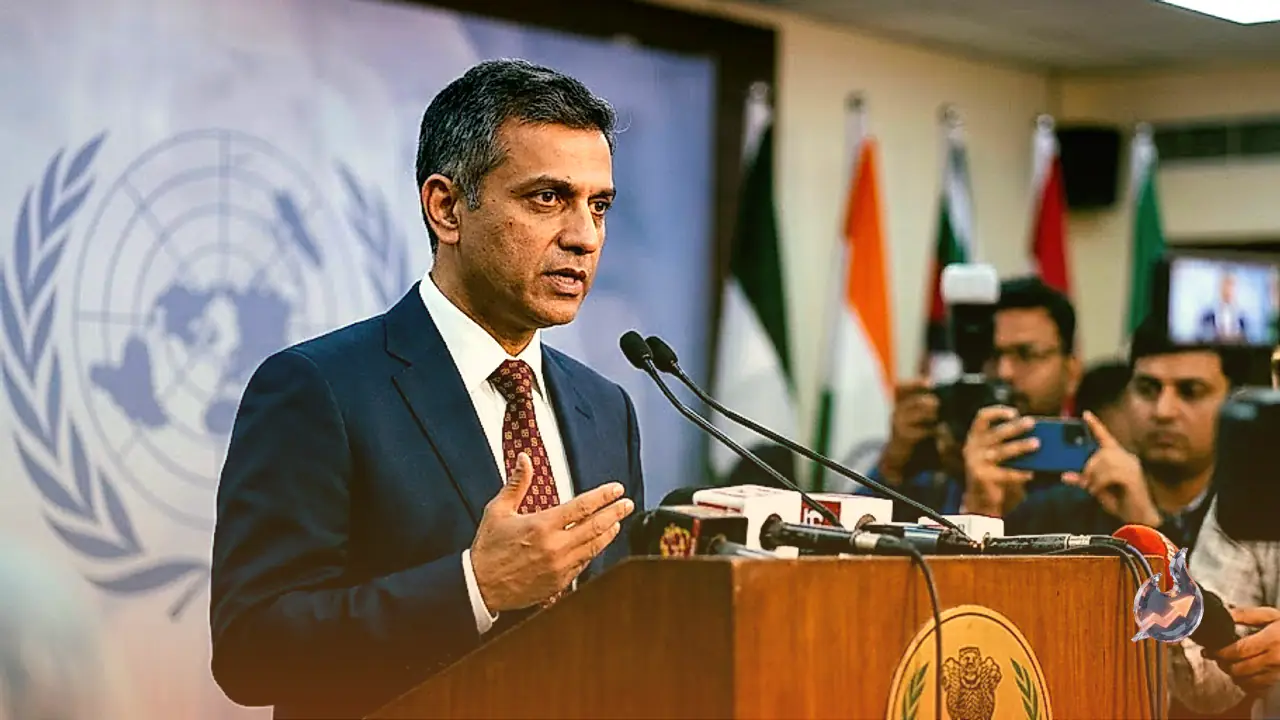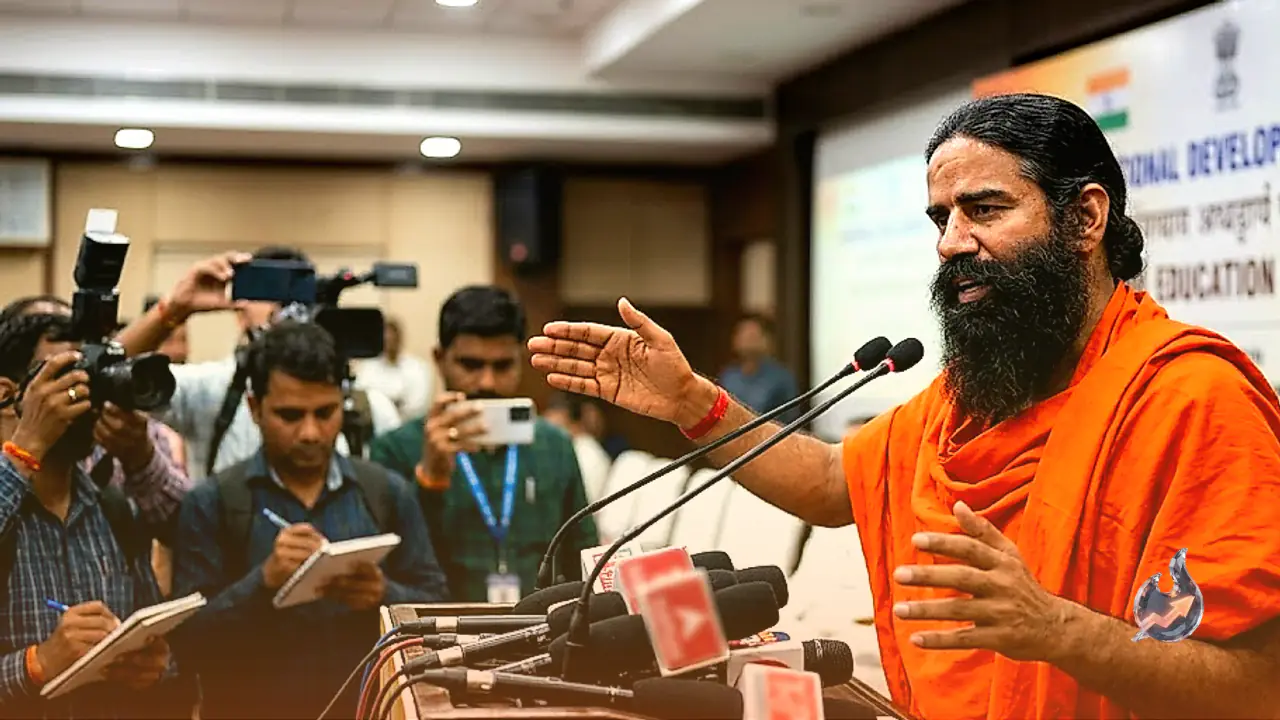




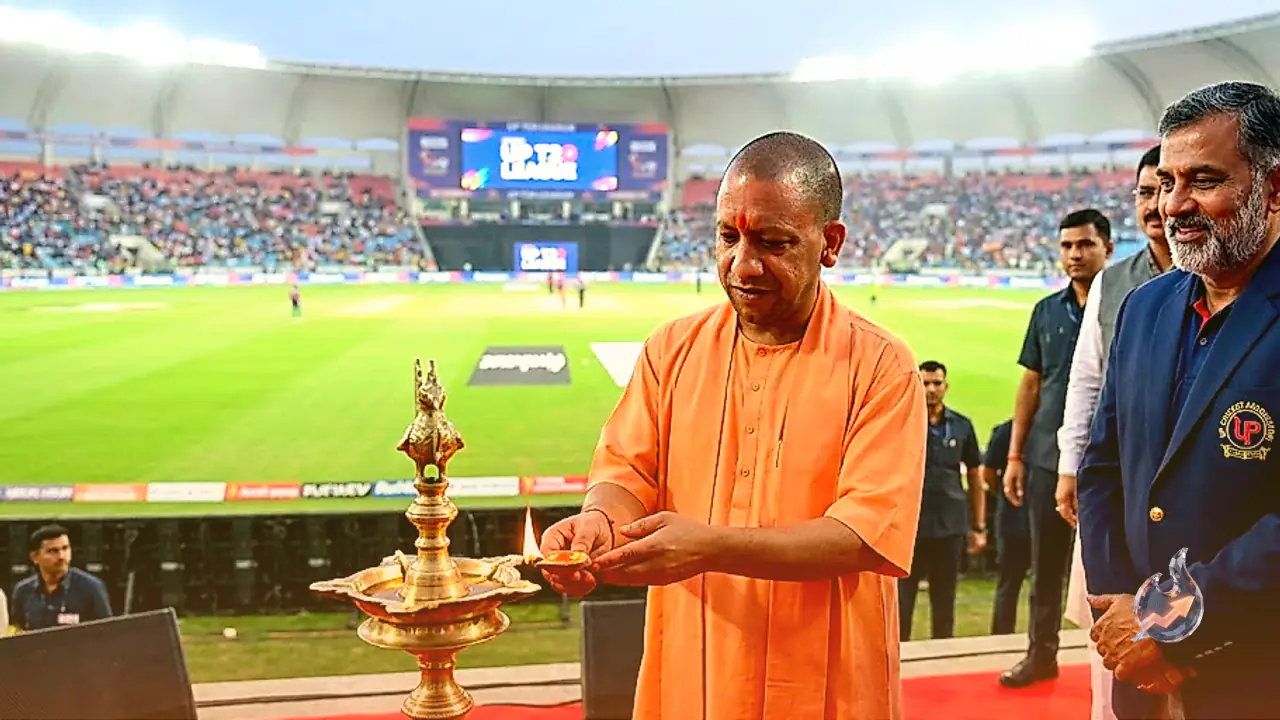















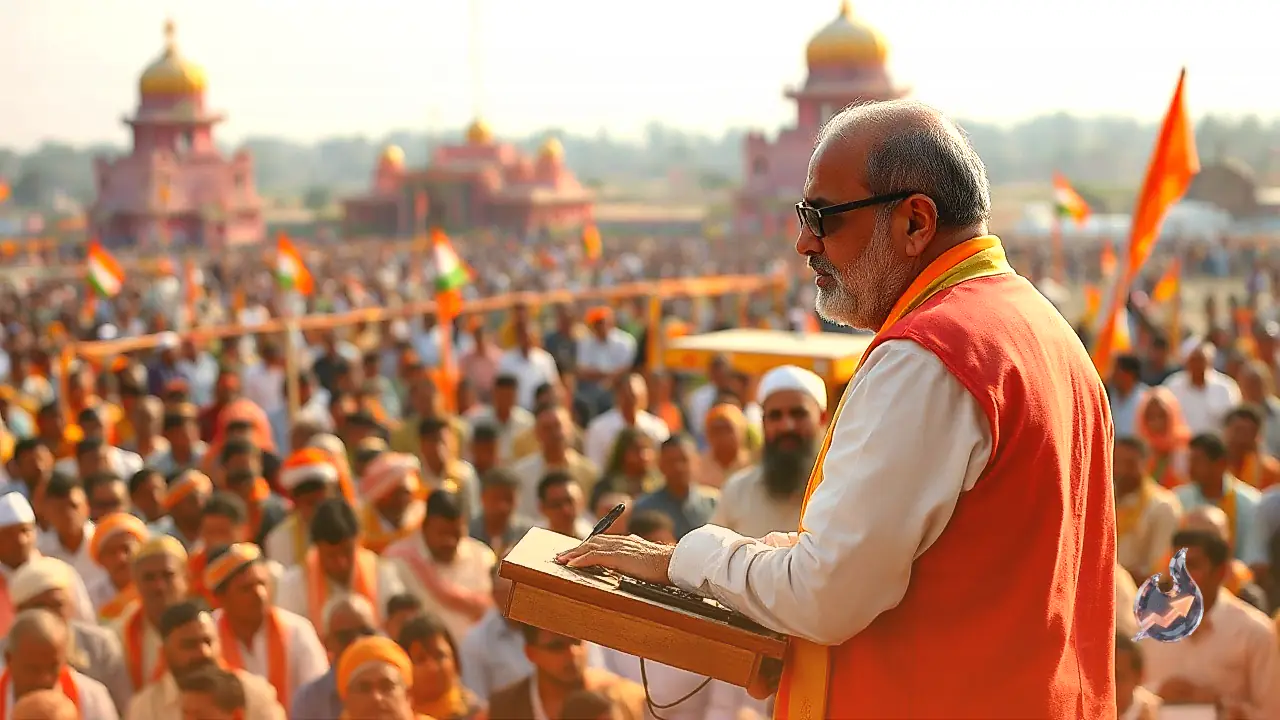

Addressing a public gathering in Ayodhya, Uttar Pradesh Chief Minister Yogi Adityanath emphasized the critical necessity of social unity for national strength. He highlighted that throughout history, India possessed immense power, intellect, and wealth, yet succumbed to centuries of foreign rule due to a lack of cohesion. During his speech, the Chief Minister cited historical events to draw parallels with contemporary politics, warning citizens to remain vigilant against deceptive political elements while reflecting on the lessons of the past.
Historical Context of 1526 and 1528: The Consequences of Division
Chief Minister Yogi Adityanath referenced the 16th century, pointing out that in 1526, the Shri Harihar Temple in Sambhal was damaged to construct a structure symbolizing subjugation. He noted that had the society stood united at that crucial moment, no foreign aggressor would have dared to target the revered Shri Ram Janmabhoomi temple in Ayodhya just two years later in 1528. He asserted that adherents of Sanatan Dharma never lacked valor, wisdom, or resources, but fell short in collective unity and walking together in a unified direction. Reflecting on these historical setbacks, he emphasized that societal fragmentation has consistently led to vulnerability and destruction.
Reflections on 14 August 1947 and Criticisms of Modern Political Silence
Recalling the painful memories of Partition on 14 August 1947, the Chief Minister remarked that a day before independence, the tragedy affected not only Hindus and Sikhs who were killed or displaced, but resulted in the physical division of India itself. He criticized the political leadership of that era for prioritizing power over national integrity and failing to take responsibility for the catastrophe. Drawing comparisons to present day scenarios, he questioned the silence of certain Indian politicians regarding the persecution of minority Hindus in Pakistan and Bangladesh. He noted that while these political figures raise a storm over minor incidents within India, they refrain from speaking up for vulnerable communities across the border, many of whom belong to the Dalit community.
Transformation of Sambhal and Ayodhya: From Neglect to Revival
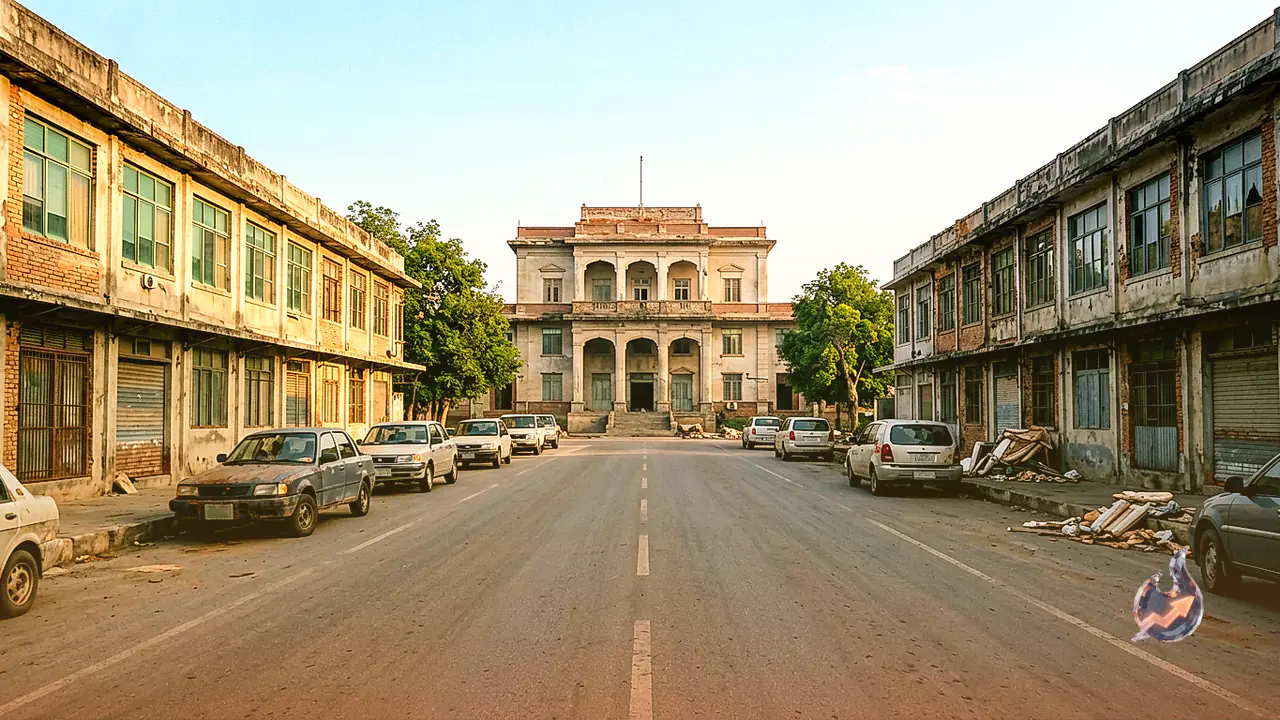
Detailing the cultural and physical revival of holy sites, Chief Minister Yogi Adityanath observed how internal discord and caste rivalries historically allowed sacred pilgrimage destinations to fall into disrepair or lose their original character. He stated that Sambhal has now transitioned into a peaceful environment free from unrest. Describing the past condition of Ayodhya, he recalled how the city once suffered from neglect, narrow filthy lanes, severe power shortages, and stagnant water at the Saryu river ghats that deterred visiting devotees. He contrasted that gloomy past with the present transformed landscape of Ayodhya, stating that the newly redeveloped holy city now evokes the spiritual aura of Treta Yug and stands restored to its true heritage.
Political Attack on Opposition and Warning Against Deceptive Tactics
Drawing an analogy from the Ramayana, Chief Minister Yogi Adityanath cautioned the public against deceptive individuals acting like Kalnemi, a mythical demon who disguised himself as a holy devotee to mislead others. He warned that certain political opponents are currently trying to pose as devotees of Lord Ram in a calculated attempt to dupe the public. Reminding the audience of past political statements, he recalled a Samajwadi Party leader once asserting that their government would install a statue of Kansa. He remarked that nothing constructive could be expected from a mindset aligned with Kansa, adding that by the grace of Shri Vrindavan Bihari, the public has decisively rejected such political ideologies.