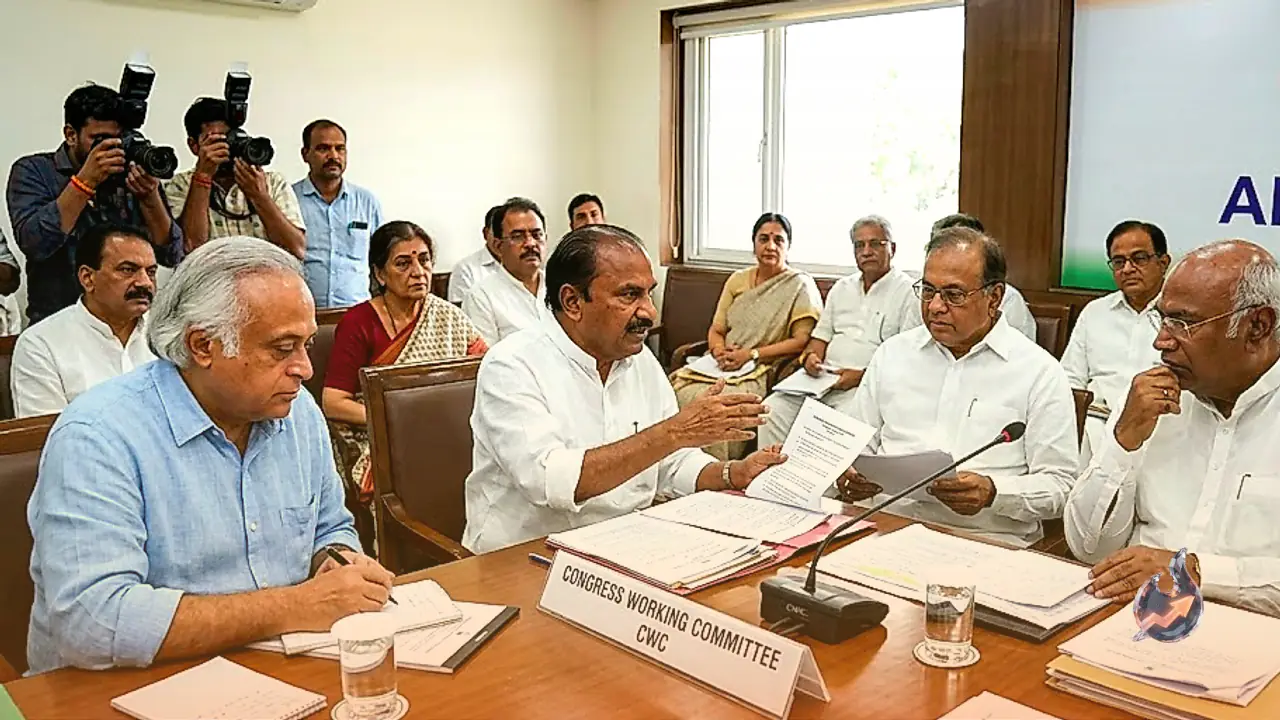





















During the monsoon session of Parliament, nearly the entire opposition attempted to present a united front under the leadership of Rahul Gandhi. From student concerns to the alleged theft of donations at Ayodhya's Ram Mandir, the fractured opposition appeared aligned on every front. The Samajwadi Party, boasting a strength of 35 MPs along with its chief Akhilesh Yadav, marched alongside Rahul Gandhi on every occasion. Whether it was disrupting parliamentary proceedings or staging protests within the complex, the opposition walked in lockstep. However, the ongoing controversy surrounding Chief Election Commissioner Gyanesh Kumar has exposed deep fractures within the opposition ranks.
Opposition Divided Over Demand for Resignation
A report published in an English newspaper, citing Election Commissioner Sukhbir Singh Sandhu, claimed that the Chief Election Commissioner has frequently made unilateral decisions in several matters. Following this disclosure, the Congress, Samajwadi Party, Rashtriya Janata Dal, various Left constituents, Trinamool Congress, Aam Aadmi Party, and the Dravida Munnetra Kazhagam took to the streets. These parties have persistently demanded Gyanesh Kumar's resignation. At first glance, these widespread protests create the impression that the entire opposition stands united on the issue. A closer examination of these demonstrations, however, reveals an entirely different reality.
Separate Protests Across Key Electoral States
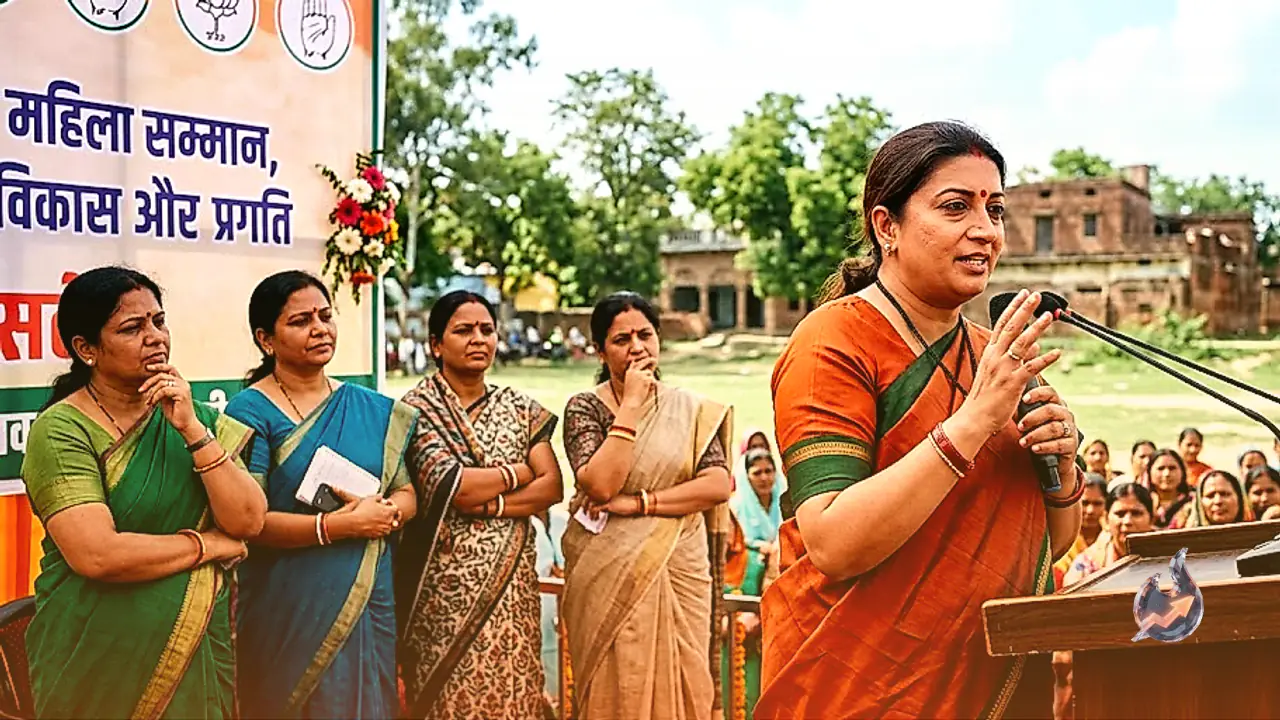
While it is true that political parties within the opposition camp are protesting the demand for Gyanesh Kumar's exit from the post of Chief Election Commissioner, they are doing so entirely on their own. Notably, even in states heading toward upcoming elections, opposition allies are staging separate demonstrations. For instance, Uttar Pradesh is scheduled to hold assembly elections in 2027. Leaders from both the Congress and the Samajwadi Party have repeatedly stated that they will contest the 2027 polls in an alliance. Despite this, both parties are holding separate protests regarding Gyanesh Kumar's resignation. A similar situation prevails in Bihar, where the Congress, RJD, CPI-ML, and Vikassheel Bachaa Party are seen staging independent protests. The political landscape in Maharashtra mirrors this fragmented approach.
West Bengal and Mamata Banerjee's Reconciliation Efforts
West Bengal Chief Minister Mamata Banerjee's party, which adopted a serious approach toward the INDIA bloc following its assembly election setbacks, is experiencing similar disarray. On one hand, Mamata Banerjee announced support for the Congress candidate in the Nandigram bypoll, while on the other hand, the TMC and Congress are organizing separate protests against Gyanesh Kumar. Recognizing the visible cracks within the INDIA alliance, Mamata Banerjee has taken the initiative to mend ties. A meeting of the INDIA bloc has been convened at Delhi's Constitution Club on September 30. Mamata Banerjee stated that she has discussed the matter with Rahul Gandhi, and her ongoing efforts aim to build a collective display of unity against Chief Election Commissioner Gyanesh and the Special Intensive Revision conducted during his tenure, thereby putting pressure on the government to maintain the credibility of institution like the Election Commission.
Akhilesh Yadav Opts Out Amid Larger Strategy Questions
Concrete information regarding which prominent leaders will attend this upcoming alliance meeting remains unavailable. However, Samajwadi Party chief Akhilesh Yadav has already made it clear that he will not be attending the meeting. He explicitly stated that other party representatives would attend to deliberate on issues meant for the opposition platform, citing prior engagements on that day. Ultimately, a critical question arises: how can leaders like Rahul Gandhi and Akhilesh Yadav, who must contest assembly elections together in just a few months, fail to find time to present a unified front on an issue like Gyanesh Kumar? Although the 2029 Lok Sabha elections are still distant, infighting among opposition parties in a major state like Uttar Pradesh sends a troubling message. If all opposition parties had resisted Gyanesh Kumar under a single banner, the impact on the central government would have been significantly greater.