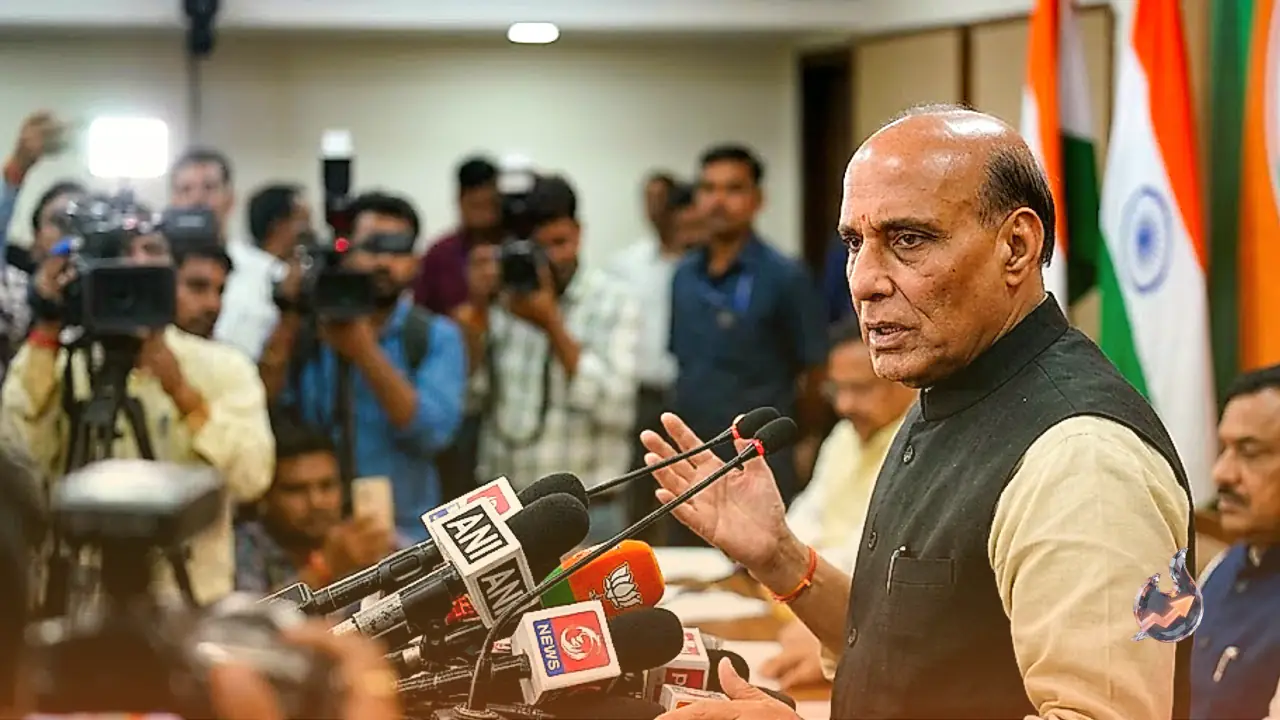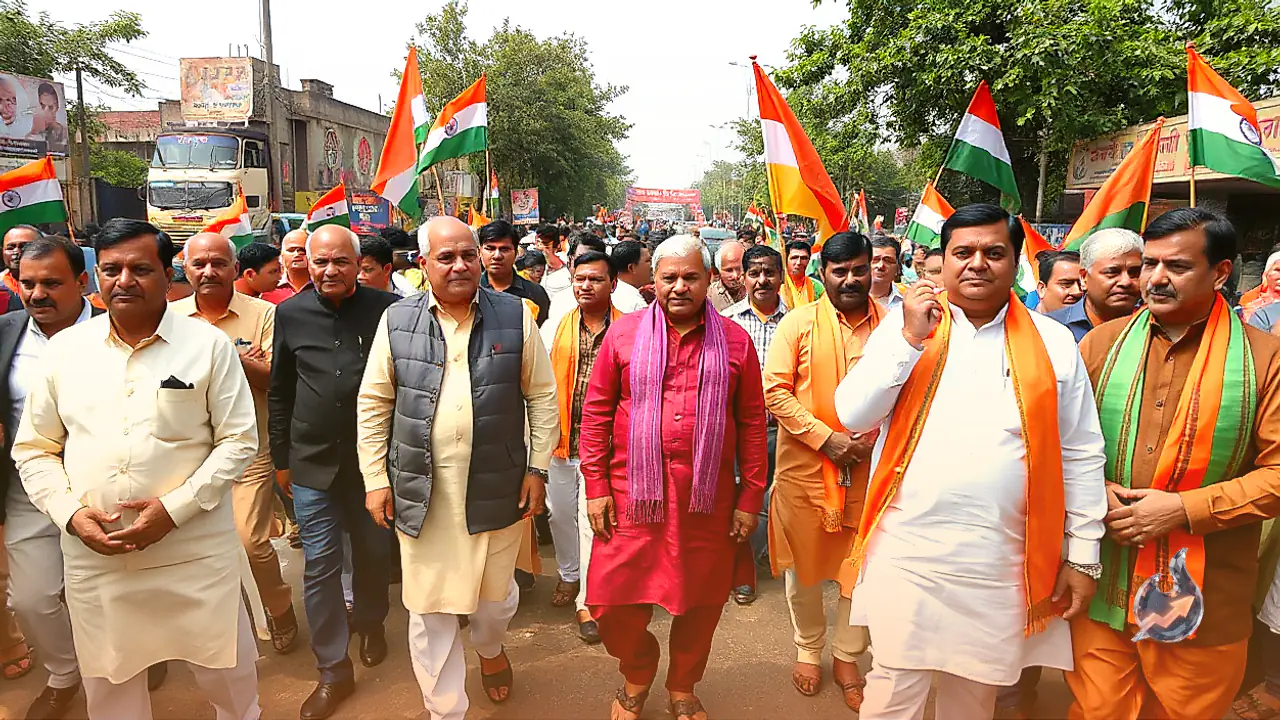























Madhya Pradesh's assembly pushed through a Uniform Civil Code bill amid loud protests and sloganeering from opposition benches in Bhopal. The ruling party got it passed despite fierce resistance from Congress MLAs, setting the stage for sweeping changes to how marriage, divorce and live-in relationships are governed across the state.
Marriage and divorce must now be registered
Under the new law, registering a marriage or divorce becomes mandatory for people of every religion except tribal communities. Polygamy has been banned outright. Practices like triple talaq and nikah halala have been moved into the category of punishable offences, meaning anyone practising them could now face legal action.
Tighter rules for live-in couples too
The bill brings live-in relationships under fresh scrutiny. Couples who fail to register their live-in arrangement within a month of starting it can face up to three months in jail. There is a protective side to this too: if a male partner later abandons his female partner, she will be able to approach a court and claim maintenance, opening up a legal safety net for women in such relationships.
Equal rights for every child, tribal communities kept out
The legislation also reshapes children's rights significantly. Whether a child is born biologically, through adoption, surrogacy or assisted reproductive technology (ART), all of them will now get equal legal standing and equal inheritance rights. Children born out of live-in relationships will similarly receive legal recognition for the first time. Scheduled Tribes, however, have been kept entirely outside the scope of this Uniform Civil Code.
CM Mohan Yadav's reaction, Congress keeps up its opposition
Reacting after the bill's passage, Madhya Pradesh Chief Minister Mohan Yadav called it a historic moment. He said, "The passage of the Uniform Civil Code is truly a golden day for 8.5 crore people of Madhya Pradesh." Yadav linked the move to the ideals of Dr. Bhimrao Ambedkar, Sardar Vallabhbhai Patel and Dr. Shyama Prasad Mukherjee, arguing that it would spare women the suffering caused by multiple marriages and back up their rights with government support. He also congratulated the entire state over the development. At the same time, he took aim at Congress, alleging the party has always tried to sow division within the Hindu community and that this same mindset was behind the country's partition at independence. Congress, for its part, has continued to strongly oppose several provisions of the bill both inside and outside the assembly.