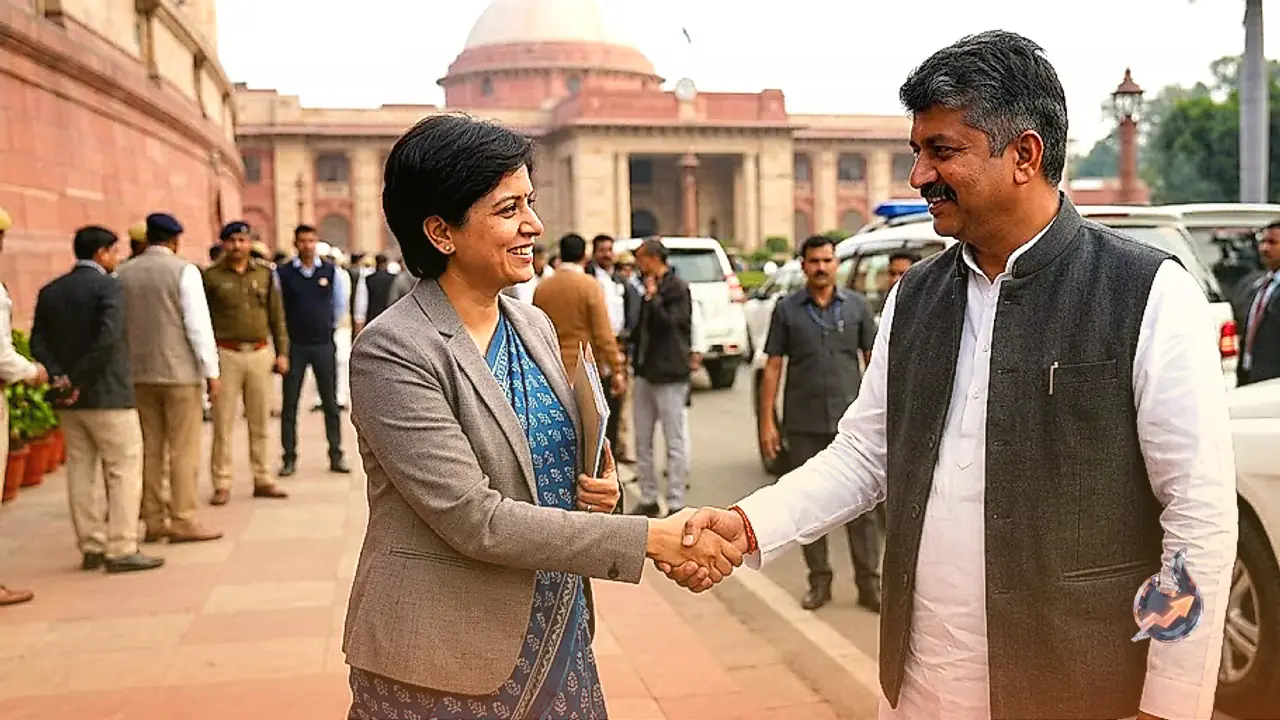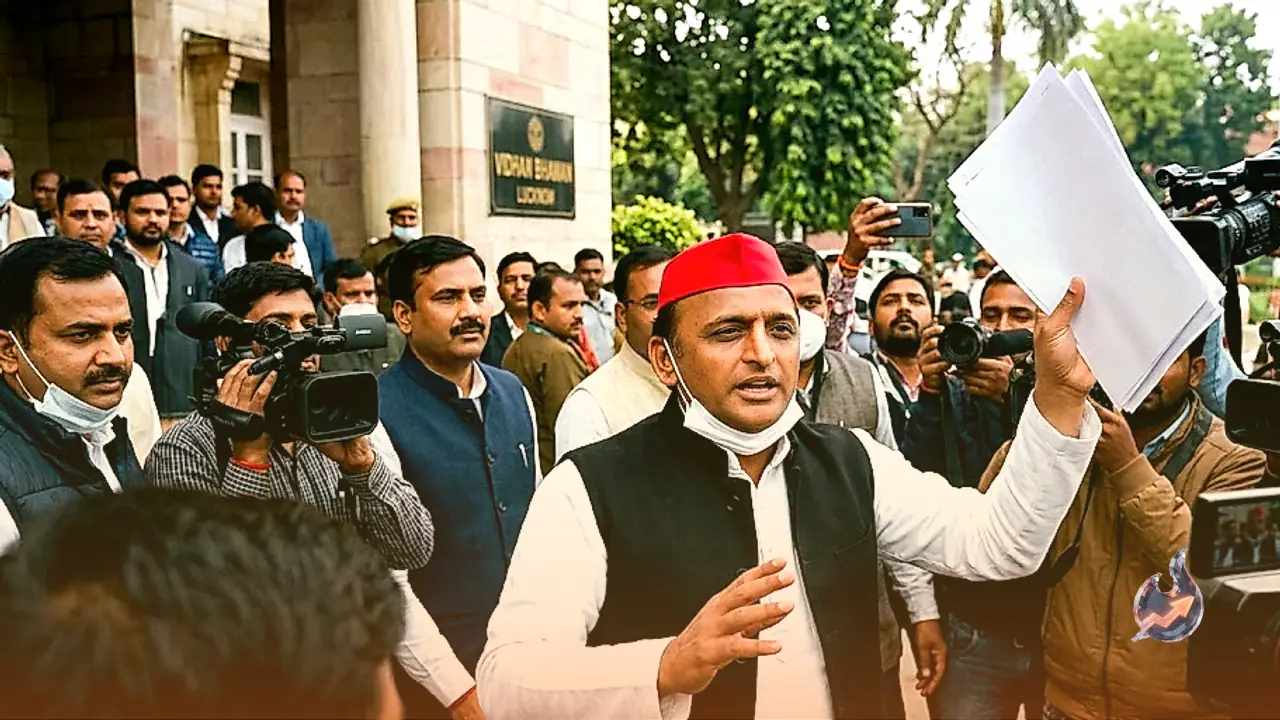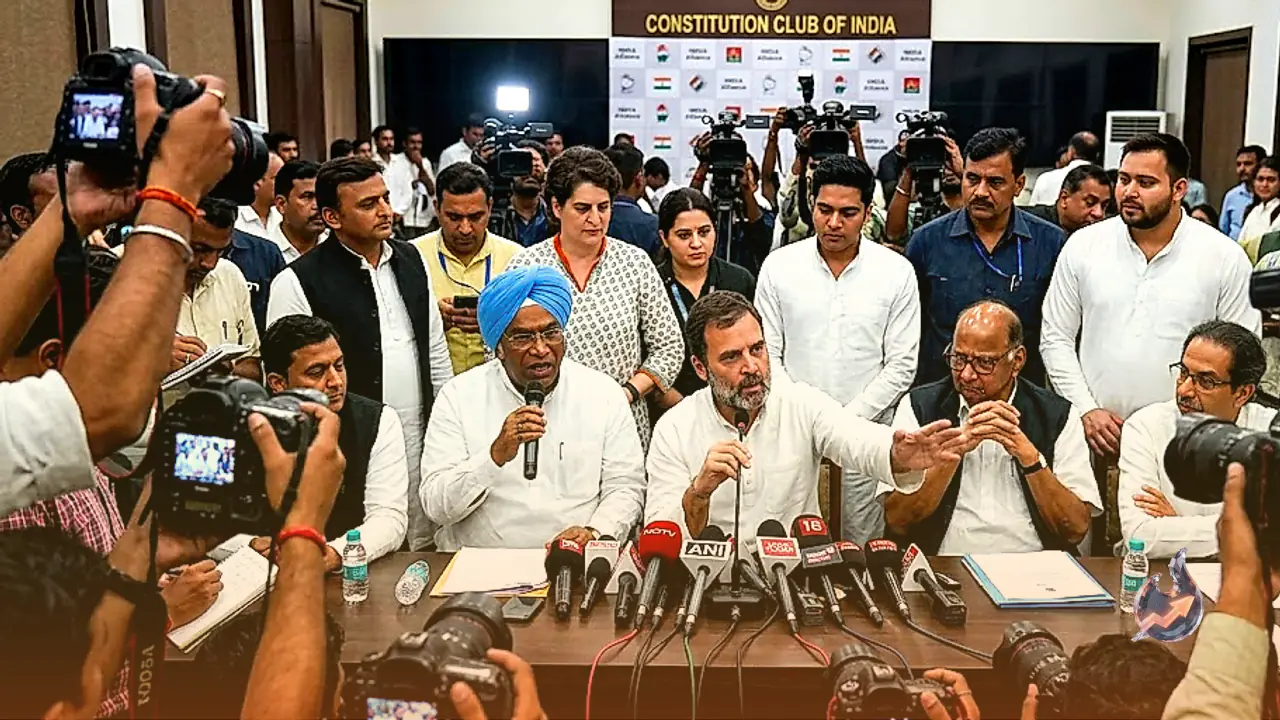





















In an unexpected financial push within New York's heavily Democratic electoral landscape, sports and entertainment mogul James Dolan has emerged as the premier financial benefactor behind suburban Nassau County Executive Bruce Blakeman's gubernatorial campaign. Public opinion surveys currently place Blakeman at a disadvantage of nine percentage points or wider against incumbent Democratic Governor Kathy Hochul. Despite the challenging polling landscape, Dolan's financial apparatus has mobilized substantial capital into candidate committees and independent expenditure groups, marking a critical transition in the billionaire's approach to statewide electoral politics.
The alliance between the Madison Square Garden executive and the Long Island county executive rests on a series of aligned policy positions and cultural stances. Blakeman has championed local data center construction, defended the political utility of AI deepfakes, accelerated the installation of Flock surveillance systems, cooperated with federal immigration authorities, established armed civilian deputy units, and aligned himself with president Donald Trump. For Dolan, whose arena empire has deployed controversial public surveillance networks across high-profile real estate assets, backing a pro-surveillance, business-friendly executive represents both an ideological match and a strategic hedge in state governance.
Dissecting the Campaign Accounts and Super PAC Contributions
A detailed examination of municipal, state, and federal campaign finance databases outlines the exact dimensions of Dolan's financial investment in the 2026 governor's contest. Contributions linked directly to members of the Dolan family include $108,000 sent directly to Blakeman's principal campaign committee. An additional $970,000 was transferred into the Nassau County Republican committee, an entity that subsequently transformed into Blakeman's single largest institutional financial supporter.
The bulk of the capital mobilization, however, flows through independent political spending operations. Corporate entities tied to Madison Square Garden have transferred $2 million into Strong and Safe New York Inc., an independent expenditure committee dedicated to elevating Blakeman's statewide bid. The super PAC, which counts Madison Square Garden's senior government relations officer among its leadership, has amassed an overall treasury of $5.3 million. This outside funding vehicle has played an indispensable role in closing the significant resource disparity facing Blakeman, whose campaign faced a 9-to-1 cash disadvantage against Governor Hochul during the mid-summer financial disclosure period. The current spending marks a significant escalation over Dolan's previous political giving, which saw roughly $1 million allocated toward Donald Trump's reelection effort and the Republican National Committee throughout the 2020 election cycle.
Mounting Regulatory Scrutiny and Threat to Commercial Subsidies
Dolan's heavy political expenditure coincides with intense regulatory, legal, and legislative headwinds confronting his venue holdings across New York City. The aggressive rollout of biometric facial recognition technology at Madison Square Garden has generated intense municipal backlash, with a working majority of the New York City Council expressing support for legislation designed to severely restrict private biometric monitoring in public accommodations. Simultaneously, lawmakers in Albany have introduced statutory measures seeking to revoke the arena's long-standing property tax exemption, an arrangement that has saved Madison Square Garden more than $1 billion in local obligations over several decades.
Infrastructure negotiations surrounding Penn Station have introduced additional commercial stakes. The federal government has agreed to direct an $8 billion overhaul of the underground transit hub situated beneath the Garden arena, a transaction anticipated to yield Dolan's holding firm upwards of $500 million in rights and compensation. Nevertheless, execution of the project necessitates ongoing approvals and administrative cooperation from municipal and state regulatory authorities. Parallel to these capital projects, the New York State Attorney General continues to pursue an official investigation into Madison Square Garden's security policies and the potential abuse of patron biometric screening.
Municipal tensions have also emerged from City Hall under Mayor Zohran Mamdani. While the mayor's executive office has taken a measured public posture regarding the venue's security apparatus, members of his administration have registered clear objections, with one municipal commissioner warning that automated mass surveillance systems inevitably facilitate unlawful discrimination and administrative abuse. Dolan has vigorously maintained that optical tracking linked to facial scanning databases renders Madison Square Garden the most secure venue in the nation, applying similar systems to the Sphere in Las Vegas and Radio City Music Hall in midtown Manhattan. Manhattan Borough President Brad Hoylman-Sigal has observed that both Blakeman and Dolan operate on the shared presumption that widespread surveillance benefits commercial operations, questioning the ultimate viability of such measures as a broader political platform.
Championship Celebrations and Administrative Clashes
Frictions between Dolan's executive circle and regional leaders surfaced even during celebratory moments for his sports empire, notably when the New York Knicks secured their first basketball championship in 53 years. In the days preceding the championship ticker-tape parade along Broadway, organizational personnel representing the arena clashed with staff from the governor's office and City Hall over operational jurisdiction, security protocols, and participant rosters for the formal presentation of keys to the city. Observers noted that the venue's leadership sought meticulous command over public presentation aspects typically coordinated by municipal agencies.
Shared alignment with Donald Trump has remained an important point of contact between Dolan and Blakeman. During Game Three of the NBA Finals at the Garden in June, Blakeman joined Donald Trump and Dolan inside the arena's private corporate box. By mid-August, Strong and Safe New York began broadcasting media spots urging Hochul to cease attributing New York's operational shortcomings to Trump. The independent expenditure committee has also broadened its electoral footprint by directing $83,400 to a Republican legal practice that previously structured Kanye West's 2020 presidential endeavor, while supporting the Republican challenger seeking to unseat the state attorney general.
Nassau County Policy Deployments and Ideological Realignment
In his suburban executive role, Blakeman has emerged as an aggressive enforcer of federal deportation directives. He instructed county detectives to coordinate operational actions with Immigration and Customs Enforcement (ICE) and opened suburban correctional facilities to accommodate detained noncitizens. Subsequent investigative examinations of county detention rosters revealed that fewer than 5 percent of the individuals incarcerated under the initiative had histories of violent criminal offenses. Furthermore, Blakeman established an armed auxiliary cadre composed of designated special deputies, provoking public alarm among civil liberties advocates who characterized the force as an unregulated personal militia.
Following Mayor Mamdani's municipal victory in New York City, Blakeman pledged to construct a digital perimeter along the suburban county line to monitor transit into Long Island. The initiative deployed vehicle automated license plate readers, continuous video monitors, and facial recognition cameras along border thoroughfares. The expansion made Nassau County one of the most monitored regional driving environments in the country, maintaining approximately one Flock Safety recording device for every 9.5 miles of roadway.
Blakeman's current political identity represents a sharp break from his prior career. Across thirty years in regional public life, he mounted failed campaigns for city mayor, congressional seats, the US Senate, and state comptroller while projecting a moderate posture. In 2021, he pivoted toward an uncompromising populist platform, capturing the Nassau County executive office by a narrow 2,000-vote threshold. Once in office, he partnered with prominent donors, including an unsuccessful multi-billion-dollar effort backing Miriam Adelson's proposal to construct a commercial gaming resort on the grounds of the Nassau Coliseum.
Gubernatorial Countermeasures and Comparative Political Expenditures
Governor Hochul's policy positioning has traced an alternate trajectory. Formerly viewed as a moderate upstate Democrat, she has adopted a confrontational posture toward Trump's federal agenda. She signed state statutes prohibiting local law enforcement agencies from participating in federal immigration sweeps, drawing fierce rhetorical resistance from Blakeman before county agencies were forced into administrative compliance. Hochul additionally established the first statewide moratorium restricting new data center developments, a policy Blakeman attacked as detrimental to commercial development while deploying artificial intelligence imagery to satirize her administration in broadcast advertisements.
Dolan's political maneuvers have also reached the municipal legislature. During recent council cycles, a Dolan-affiliated PAC entitled the Coalition to Restore New York directed over $400,000 into 11 separate city council contests. Seven of those backed candidates won election, and all but one formed a coalition supporting Julie Menin as City Council speaker to act as a legislative check against Mayor Mamdani. Menin, who previously returned a campaign donation from Dolan in 2023, retains gatekeeping authority over whether the pending municipal facial recognition curb advances to a floor vote. Observers indicate Menin prefers establishing regulatory parameters and operational guidelines rather than enacting a comprehensive prohibition.
Simultaneously, legal figures connected to Madison Square Garden have launched repeated lawsuits contesting Mamdani administration initiatives, while an additional former outside attorney raised $1 million for an independent committee opposing the mayor's municipal platform. Billionaire political donor John Catsimatidis framed Dolan's gubernatorial investments as an indirect effort to counterbalance City Hall, noting that the state executive mansion exercises formal oversight powers over the city administration. In response, Mamdani publicly criticized Blakeman's record, asserting that an official who cooperates with mass deportations and creates armed auxiliary militias stands fundamentally at odds with the civic values of New Yorkers.
Governor Hochul maintains her own substantial network of corporate and high-net-worth contributors. Nancy Shevell, Blakeman's former spouse who is married to musician Paul McCartney, donated $18,000 to Hochul's campaign. The Pegula family, owners of the Buffalo Bills, supplied nearly $175,000 to Hochul and the state Democratic committee following state budget approvals that directed $600 million in public financing toward a new football stadium in Orchard Park. Furthermore, corporate ride-hailing entity Uber contributed over $12 million across a six-month window to an independent PAC backing Hochul, whose proposed vehicular insurance revisions aligned with the platform's operational interests.
The financial resources Dolan has marshaled for the gubernatorial contest represent his most substantial political expenditure since 2004. During that period, Dolan-backed entities spent approximately $30 million to derail former Mayor Michael Bloomberg's signature proposal to construct an Olympic stadium on Manhattan's West Side. That historical campaign, conducted through an issue-advocacy group named the New York Association for Better Choices, utilized continuous television broadcasts, print advertisements, and national lobbying representation to defeat the municipal plan. In the present gubernatorial campaign, Blakeman's communications have embraced artificial intelligence generation, circulating computer-generated spots depicting Hochul in various critical satirical vignettes as both campaigns prepare for the upcoming vote.