

















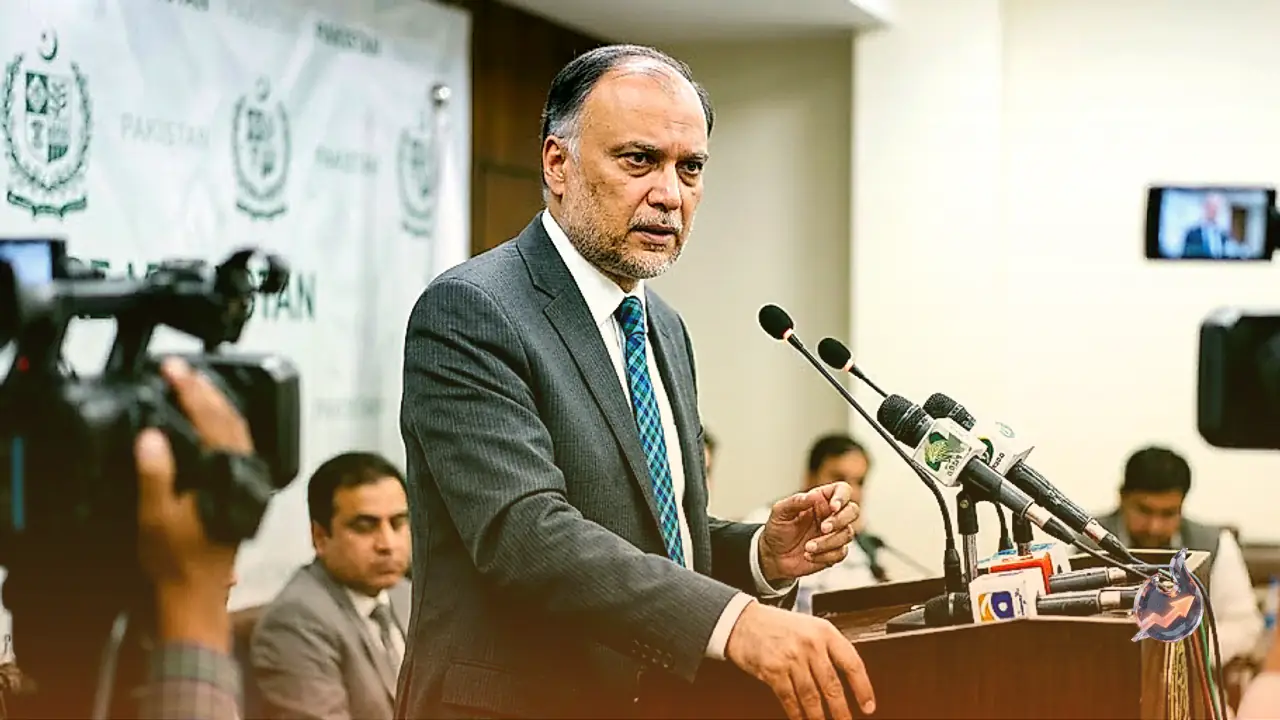

Top officials in Islamabad have finally been forced to confront a harsh reality. Ahsan Iqbal, the planning and development minister in the Shahbaz Sharif administration, has openly acknowledged that India stands as the most dominant and powerful nation in South Asia. This display of helplessness came as he voiced deep concerns over India's upper riparian geographic advantage, noting that Islamabad's neighbor can effectively manipulate river flows to bring the Pakistani economy and farming sector to its knees whenever it chooses.
Islamabad Rattled by New Delhi's Stance
Ever since India adopted an uncompromising position regarding the Indus Waters Treaty, strategists and politicians across the border have found themselves under immense pressure. For decades, the 1960 agreement heavily favored Pakistan by allocating the bulk of the western rivers to its territory, granting an uninterrupted supply of water for generations. However, following the terror attack in Pahalgam, the Indian government moved to set aside the arrangement. The formal notices issued by New Delhi to renegotiate the pact have sent shockwaves through the corridors of power in Islamabad.
Accelerating Infrastructure on Key Rivers
Indian authorities are aggressively pushing forward with vital hydroelectric projects on rivers such as the Jhelum and the Kishanganga. The country is rapidly strengthening its infrastructure to ensure full utilization of its rightful water share. As these developmental works progress, the extra water previously flowing across the border will face strict regulation. This systematic harnessing of water resources has raised genuine fears in neighboring territory that its traditional supply lines could be effectively choked.
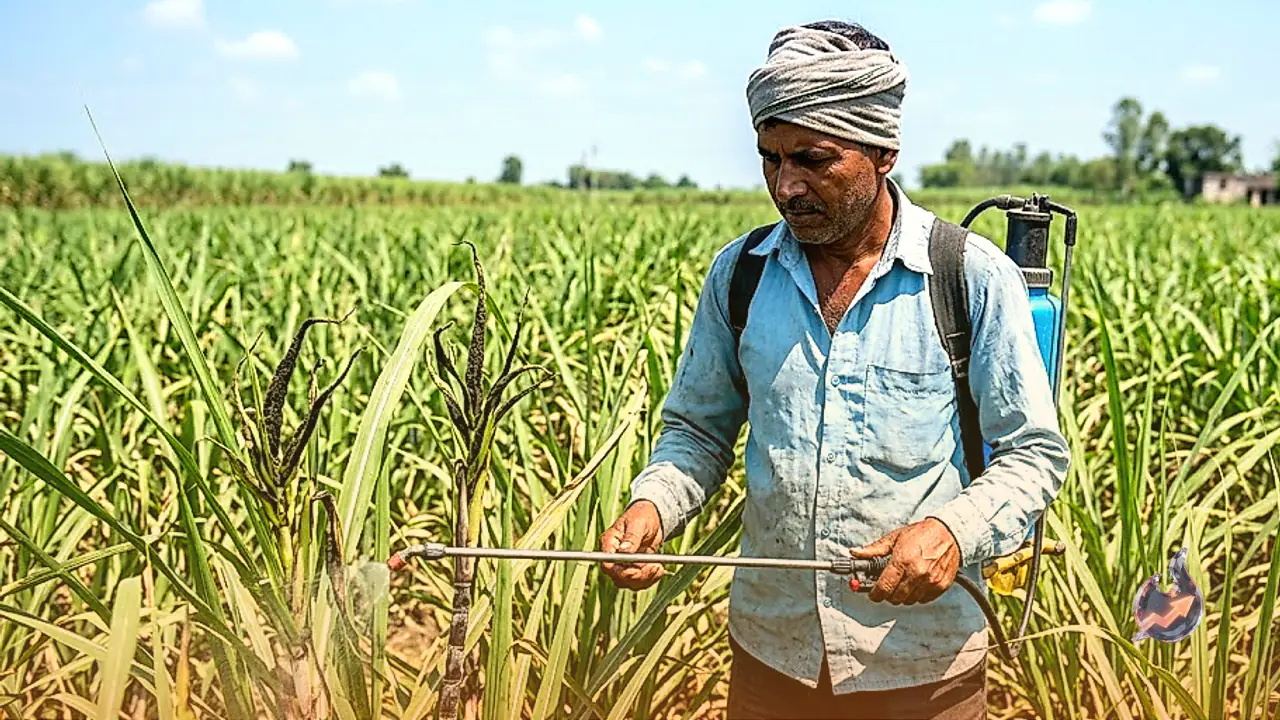
The agricultural backbone of the neighboring nation relies almost entirely on the Indus river basin. Any restriction imposed by India on these vital waterways would trigger catastrophic challenges. Key agricultural provinces like Punjab and Sindh face the grim prospect of turning arid, leading to severe food shortages and famine-like conditions. Furthermore, numerous hydroelectric power facilities would grind to a halt due to insufficient water levels, plunging large parts of the country into darkness. For an economy already crippled by severe financial distress, the collapse of farming and industry would deal a fatal blow.
Geopolitical Realities and Regional Balance
The remarks made by the Pakistani minister highlight the profound frustration stemming from India's decisive diplomatic and water-management measures. This is far more than a mere political comment; it is a stark reflection of a nation realizing the limits of its leverage. Iqbal further admitted that India plays the most critical role in maintaining stability and balance across South Asia, underscoring that regional affairs cannot proceed without factoring in New Delhi's posture. The natural flow of rivers originating from India has ultimately delivered a sobering reminder of geopolitical ground realities to its western neighbor.