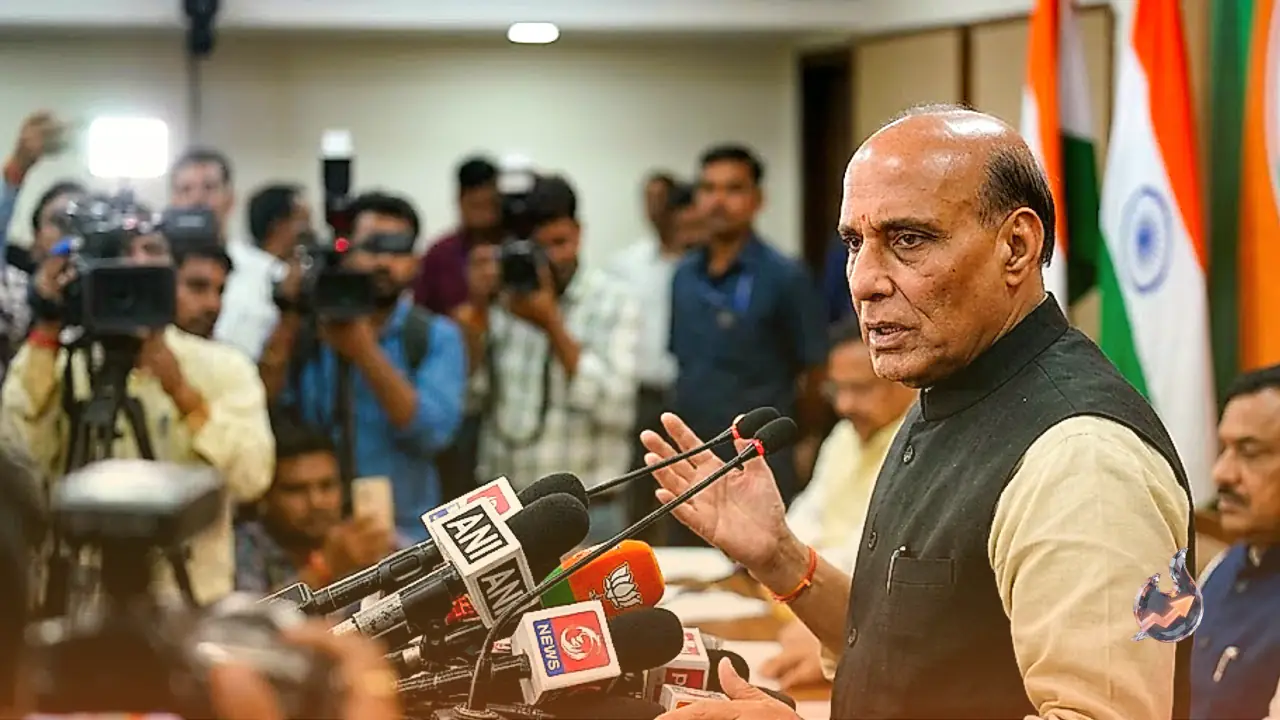




















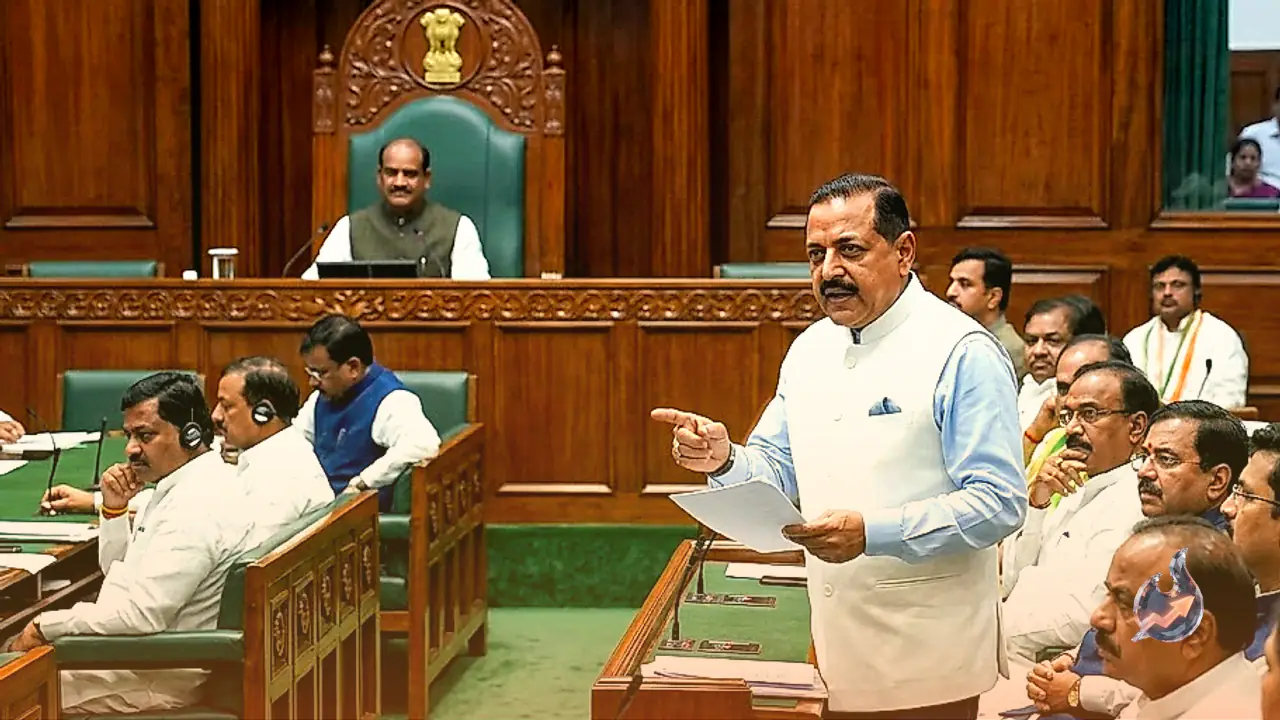

A fresh round of controversy over exam paper leaks in recent days led the government to introduce a new anti-paper leak bill in Parliament on Monday, and it came up for detailed discussion in the Lok Sabha on Tuesday. Union Minister Jitendra Singh, who had tabled the bill a day earlier, opened the debate by explaining that the amendment is meant to tighten the Public Examinations (Prevention of Unfair Means) Act, 2024, so that cheating in competitive exams can be curbed more effectively. During the discussion, he also brought up a long list of paper leaks that took place during the UPA government's tenure.
Bill Described As A Shield For Students' Future
Jitendra Singh told the House that the bill introduced on Monday is essentially an amendment to the Public Examinations Prevention of Unfair Means Act, 2024, a law that was itself brought in by the same government. He noted that the original 2024 law was, in his words, the first of its kind in independent India's history. According to him, both the earlier law and the fresh amendment together reaffirm the government's deep commitment to protecting the welfare of the country's students and youth. He linked the move to PM Modi's resolve that no one would be allowed to play with the future of the country's children, calling the amendment a landmark piece of legislation in the history of the Indian Parliament.
Minister Lists Seven Paper Leaks From The UPA Era
Jitendra Singh then laid out a detailed list of paper leak incidents that occurred during the UPA government's tenure. He said the Railway Recruitment Board exam paper was leaked in 2009, followed by the All India Engineering Entrance Examination in 2011. In 2012, the entrance exam paper of AIIMS New Delhi was leaked, while 2013 saw irregularities in the Maharashtra Secondary Certificate Examination. He also pointed to the B.Ed entrance examination in Uttar Pradesh in 2010, the Tamil Nadu Public Service Commission exam in 2012, and the West Bengal Joint Entrance Exam in 2009. Jitendra Singh said, "If I keep listing these, I won't be able to discuss the bill." He added that it was precisely these repeated incidents that made the current government feel the need for a dedicated law to prevent unfair means in examinations.
PM Modi Praised For Setting Up The NTA
The minister went on to explain that the Union government runs four major recruitment agencies, the UPSC, the Staff Selection Commission (SSC), the Railway Recruitment Board (RRB) and the Institute of Banking Personnel, alongside the National Testing Agency (NTA), which conducts entrance tests for admission to higher education. He said the NTA itself was set up by the current government in 2017. According to Jitendra Singh, a recommendation to create a common national testing agency was first made way back in 1992, under the Congress-led government of that time. He said a committee revisited the same suggestion in 2010, during the UPA's tenure, but he did not know why it was never properly acted upon, whatever the reasons or vested interests might have been. He argued that PM Modi and the current government deserve credit for finally completing a task that, in his view, should have been finished long ago.
How Punishments And Fines Have Been Increased
Jitendra Singh said the amendment is meant to make the law stricter and ensure speedier justice, so that the credibility of examinations can be restored and strengthened. He explained that under sub-section 1 of Section 10 of the existing law, a person found guilty faced a minimum jail term of 3 to 5 years along with a fine of up to Rs 10 lakh. Under the new amendment, this has been raised to a minimum of 5 to 10 years in prison, with the fine going up to Rs 50 lakh. Similarly, the 2024 law had set the fine for service providers at up to Rs 1 crore, which is now being increased to Rs 5 crore. The earlier law also barred a service provider from conducting any examination for the next 4 years, a period that the new amendment extends to 8 years. In cases of organised crime, where a mafia-style gang or syndicate is involved, the punishment earlier stood at 5 to 10 years with a fine of up to Rs 1 crore, and this is now proposed to be raised to 7 to 10 years in prison with a fine of up to Rs 10 crore. Jitendra Singh said the most important element, one that PM Modi had also referred to in a video message, is ensuring speedy justice. He said special fast-track courts will be set up for cases involving unfair means in examinations, and investigations in such cases will have to be completed within a fixed timeline of 2 months.
Taken together, the two threads of the debate, the long trail of paper leaks the minister listed from the UPA years and the sharply higher jail terms and fines now being proposed, formed the core of the government's case for the amendment bill in the Lok Sabha on Tuesday. The debate on the Public Examinations (Prevention of Unfair Means) Amendment Bill, 2026 continued in the House as members weighed the changes to sentencing, fines and the new fast-track court mechanism.