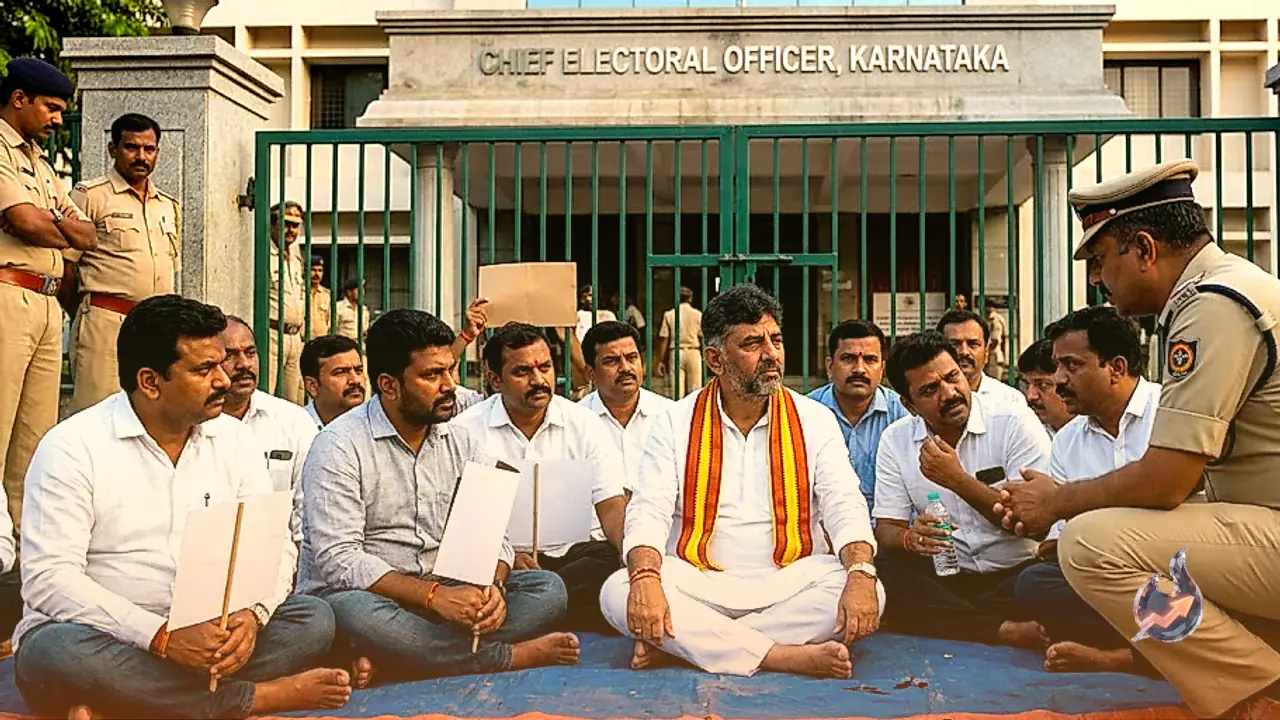



















A massive controversy has erupted surrounding the Karnataka Public Service Commission competitive examination, centering on an illicit paper leak racket that extorted tens of lakhs of rupees from job aspirants. The leaked question paper was reportedly traded for anywhere between 30 lakh and 40 lakh rupees shortly before the scheduled tests. Senior political figures, including state cabinet ministers, have been accused of being complicit in the wider network. It has also been alleged that high-profile political disputes and attacks on constitutional bodies are being staged deliberately to divert public attention away from this massive recruitment fraud. Sambit Patra publicly detailed the sequence of events, sharply criticizing the administrative machinery over the scandal.
Sting Operation Catches Pen Drive Transfer of Questions
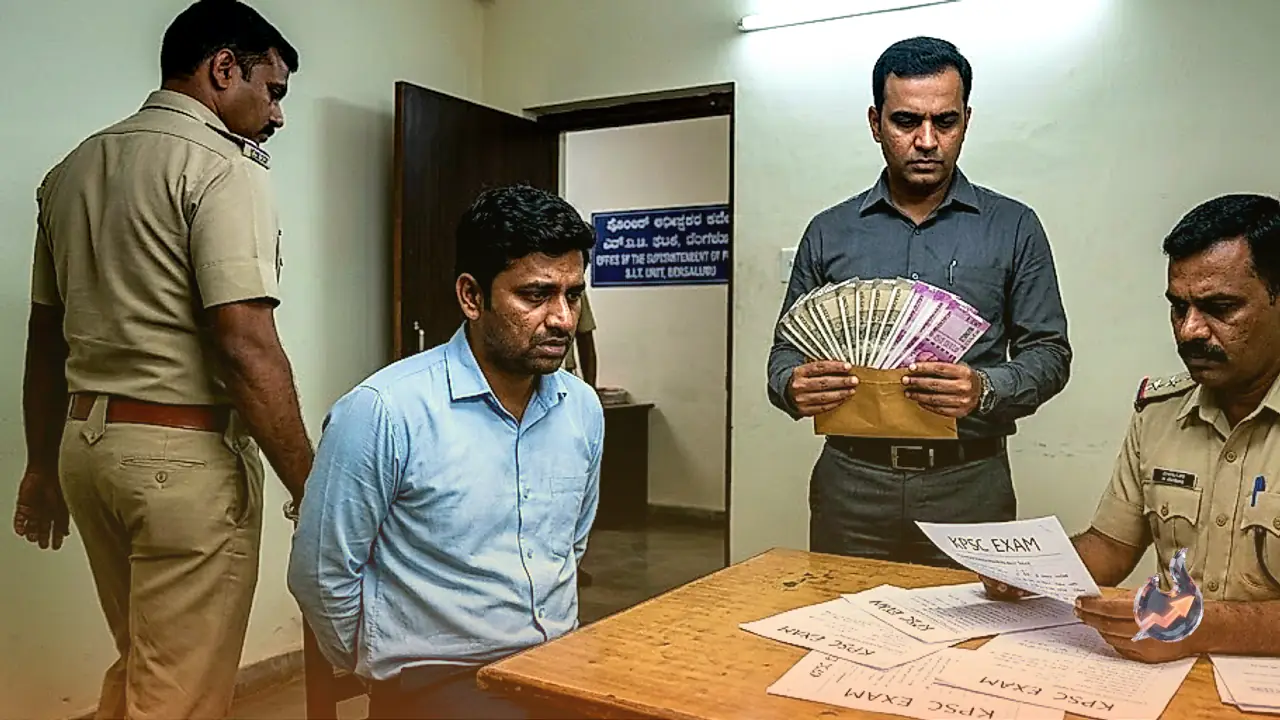
The roots of this cash-for-jobs controversy trace back to the official recruitment examination scheduled across January 8 and January 9 earlier this year. Crucial question papers were compromised a full day before students were slated to enter the examination centers. Concrete evidence regarding the breach was unearthed through a sting operation conducted by an individual identified as S. Manjunath. The findings revealed that Gyanendra Kumar extracted the exam questions directly onto a pen drive. Following this extraction, an intermediary named Basavaraj Kannale was tasked with contacting candidates appearing for the tests. While the middleman initially quoted an exorbitant price of 80 lakh rupees per candidate, the final illicit bargain was settled between 30 lakh and 40 lakh rupees.
Luxury Resort Stays and Diamond Jewelry Purchases
In the preliminary phase of the transaction, 11 aspirants collectively paid an upfront sum of 1 crore 52 lakh rupees. Post-dated cheques were collected to secure the remaining promised balance. From the proceeds gathered, a massive cut of 1 crore 30 lakh rupees was handed over directly to Gyanendra Kumar. Investigators found that this bribe money was subsequently channeled into luxury purchases, notably including a diamond necklace valued at 22 lakh rupees. To seal the academic manipulation, Basavaraj booked a private resort situated on the outskirts of Bengaluru where the candidates were accommodated. Inside the resort, the aspirants were thoroughly drilled on the leaked questions alongside their corresponding answers. When the official merit list was published on July 17, every single one of these assisted candidates cleared the test, compelling the Karnataka administration to hand over the inquiry to the CID.
Enforcement Directorate Raids Lead to High Court SIT
As the massive financial trail came to light, the Enforcement Directorate launched search operations, unearthing critical incriminating evidence connected to the bribery network. In a major turning point, 10 out of the 11 candidates who paid to secure their berths turned approvers, providing testimony to investigators. Recognizing the scale of the malpractice, the High Court stepped in to mandate the constitution of an SIT to spearhead the probe. Sambit Patra claimed that the state governance has turned into a mechanism trading away the aspirations of educated youth. He charged that heavy political influence is being exerted behind the scenes to suppress the findings because several senior leaders and ministers stand directly implicated in the paper leak conspiracy.