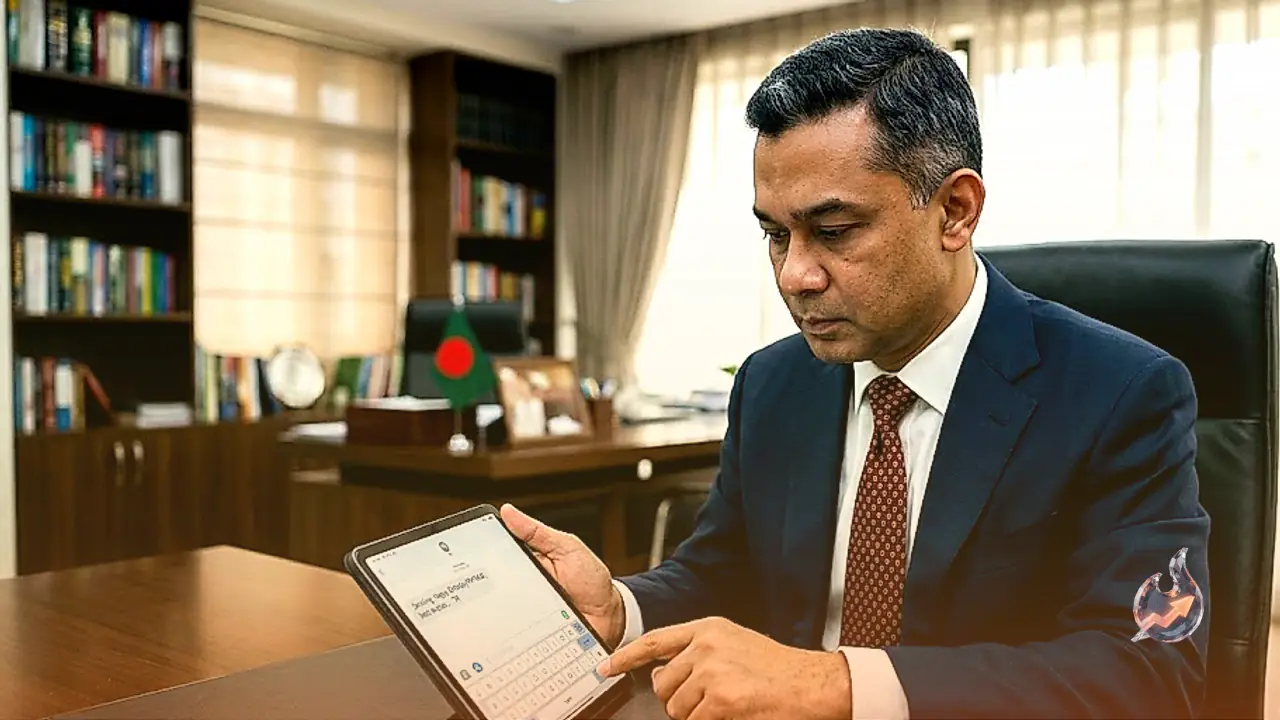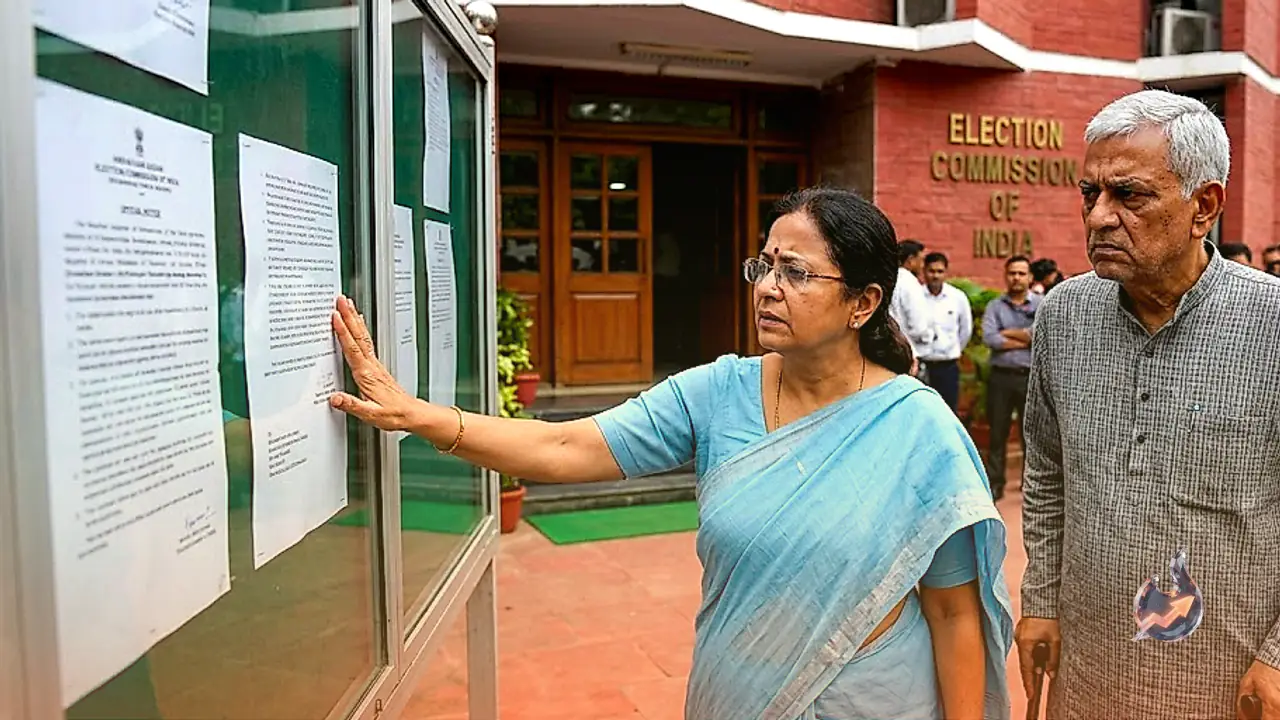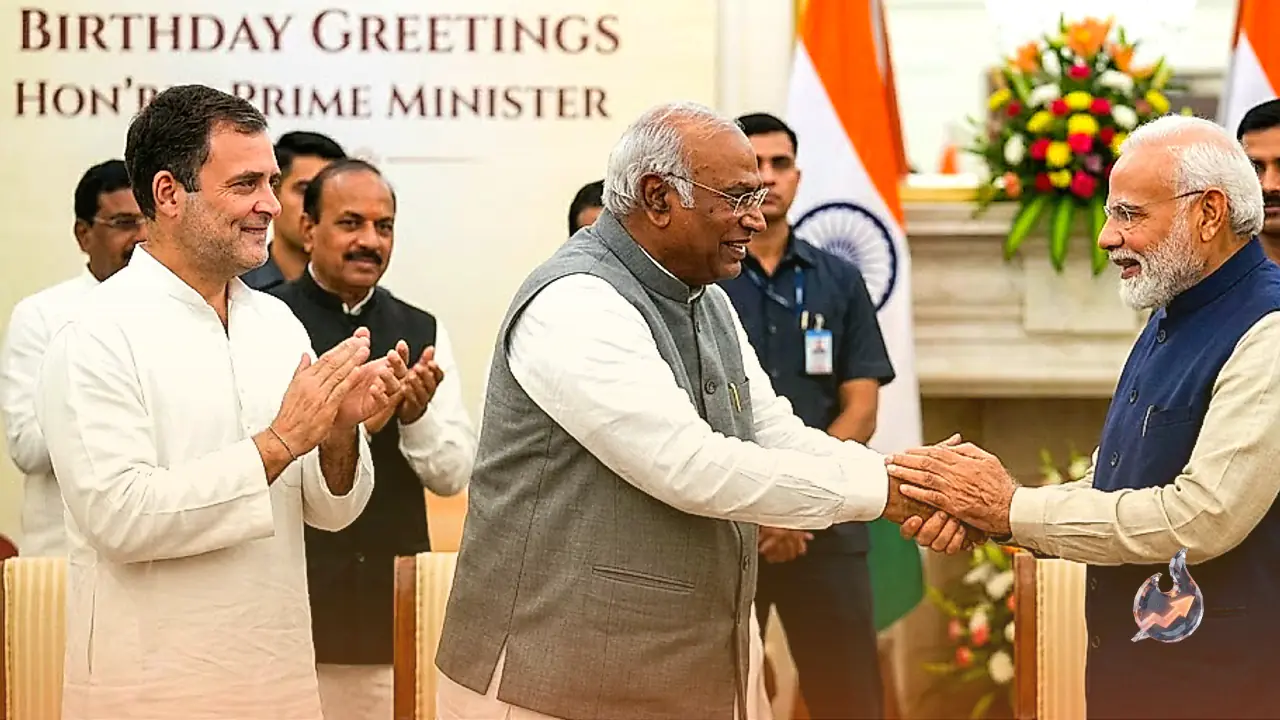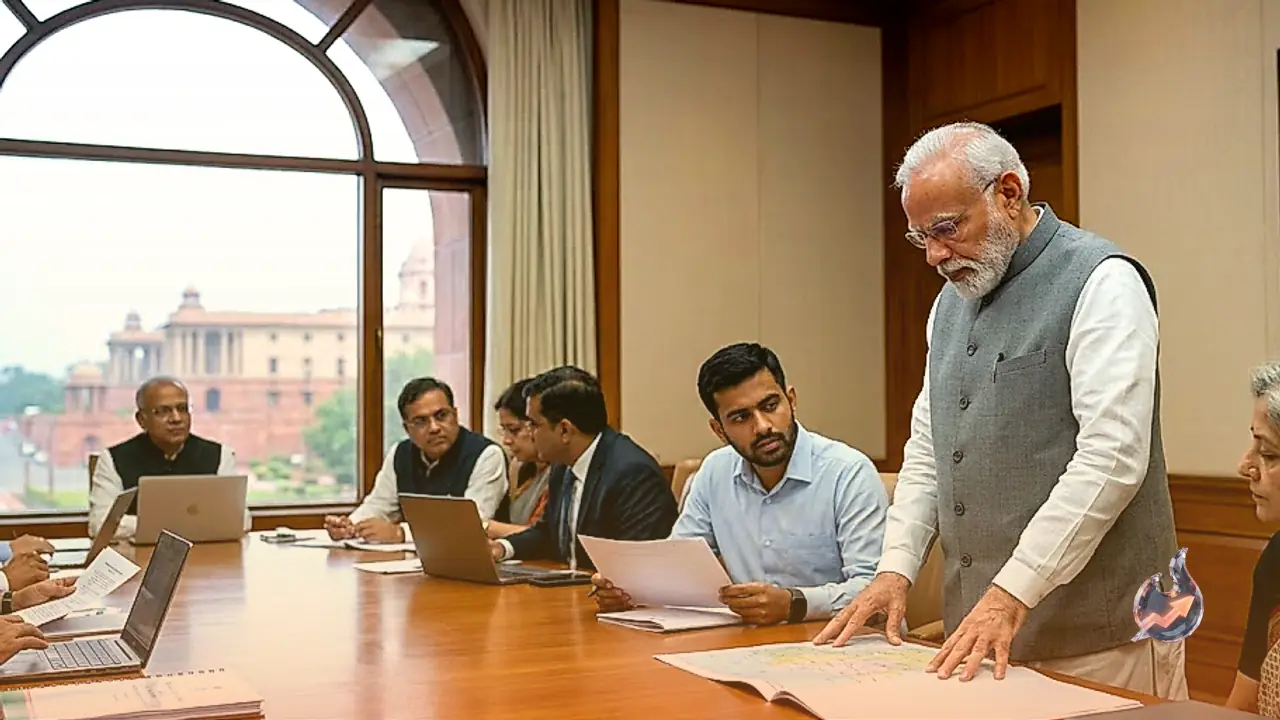





















A high-stakes political and regulatory confrontation has erupted in India following the temporary removal of Prime Minister Narendra Modi's official video from social media platform Facebook. Taking serious exception to the incident, the Parliamentary Standing Committee on Communications and Information Technology has issued a stern ultimatum to Meta Chief Executive Officer Mark Zuckerberg, demanding an unconditional public apology. The parliamentary panel warned that if the Meta chief fails to tender a personal apology, the Indian government could strip the tech giant of its legal immunity known as safe harbor protection under Indian cyber laws.
Threat to Revoke Safe Harbor Status Under Section 79
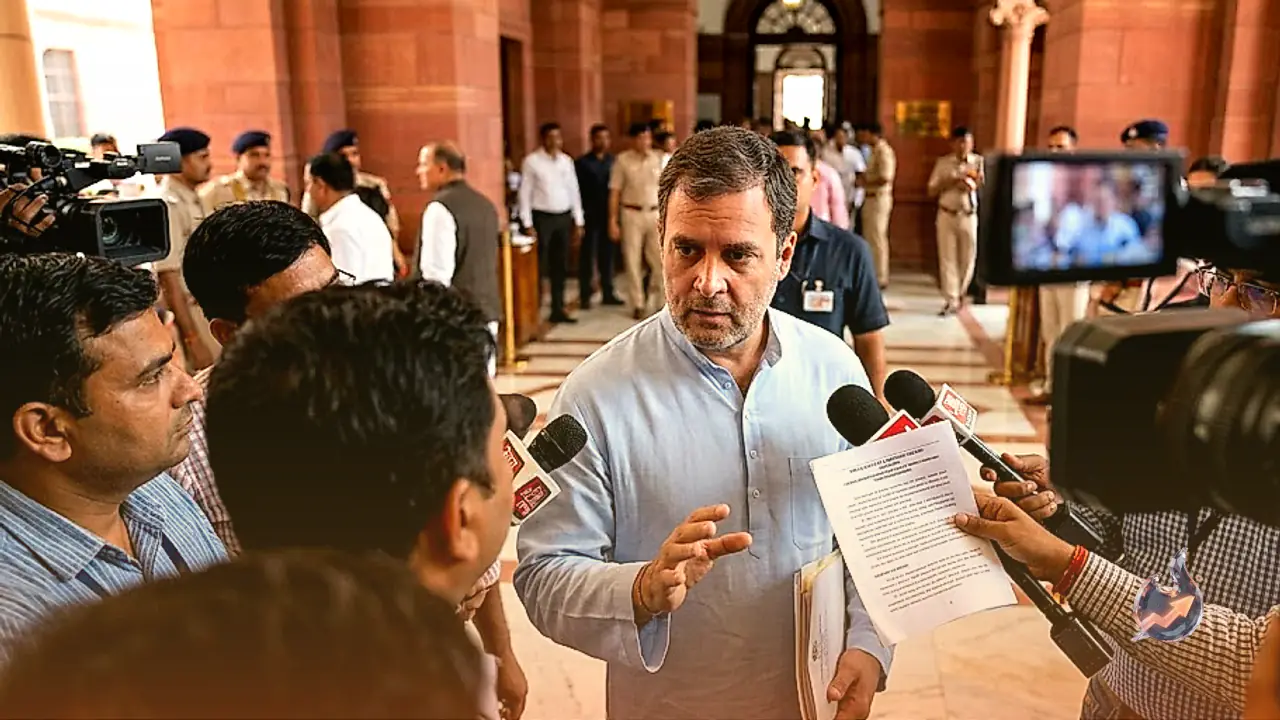
Addressing reporters following a crucial meeting of the parliamentary committee, committee chairman and Bharatiya Janata Party MP Nishikant Dubey adopted an exceptionally tough line against the tech behemoth. Dubey stated that the committee has made two non-negotiable points clear to Meta. First, any apology regarding this incident must come directly from CEO Mark Zuckerberg rather than subordinate corporate representatives. Second, failure to comply could result in the revocation of Meta's safe harbor protection guaranteed under Section 79 of the Information Technology Act.
Under Section 79 of India's IT Act, digital intermediaries are shielded from legal liability for content uploaded by third-party users, provided they act merely as facilitators. Stripping Meta of this crucial safe harbor protection would expose the company and its executives to direct criminal and civil liability for any illegal, defamatory, or objectionable content posted by users across its platforms in India, subjecting them to proceedings in Indian courts.
National Security Concerns and Election Intentions Raised
Panel chairman Nishikant Dubey expressed profound concern over the fact that the Indian Prime Minister's official video remained unavailable for a total of 5 hours. The black-out occurred during the early hours of July 28, lasting from 12:30 AM to 5:00 AM. Dismissing Meta's explanation of a system glitch, Dubey directly alleged that the deliberate suppression of the head of government's message reflected a calculated effort to destabilize the country and compromise digital sovereignty.
Highlighting the gravity of the incident, Nishikant Dubey said, “If the Prime Minister's video can vanish for 5 hours, it is a deeply concerning matter from the perspective of national security and digital sovereignty.” He further cited previous statements made by Mark Zuckerberg in January regarding the 2024 general elections, along with his subsequent apology, alleging that these instances indicate an underlying intent to interfere with India's democratic system.
The 'Legal Request' Tag and the Gen Z Video Dispute
The controversy first unfolded in the early morning hours of July 28, when a video message posted on Prime Minister Narendra Modi's official Facebook page suddenly vanished. The video contained a direct address aimed at Generation Z (Gen Z). While the video was unavailable, users attempting to view the content were met with an on-screen notice stating that the material had been restricted in India in response to a “Legal Request”.
Following widespread outcry and escalating scrutiny, Meta subsequently restored the video to the platform. The parent company expressed regret over the incident, attributing the outage to an 'internal technical glitch'. However, the parliamentary standing committee formally rejected Meta's explanation, refusing to treat the multi-hour removal of the Prime Minister's message as a routine technical error.
Scrutiny Over CSAM and Platform Safety Measures
The parliamentary committee's hearing extended beyond the specific incident involving the Prime Minister's video. Representatives from other major digital platforms, including YouTube and X (formerly Twitter), were also questioned alongside Meta. The panel sharply criticized the tech firms over their perceived inaction regarding Child Sexual Abuse Material (CSAM) and online content negatively impacting women. Lawmakers questioned the effectiveness of safety mechanisms across Meta, YouTube, and X, demanding more stringent enforcement and accountability to purge harmful content from their networks.