
















A significant political shift is emerging in Punjab's electoral landscape, sparking intense speculation about the realignment of long-standing alliances. The Shiromani Akali Dal has formally announced its support for the central government's proposed Delimitation Bill. Alongside this move, the party has also called for the immediate and unconditional implementation of the Women's Reservation Act. This sudden evolution in Akali Dal's posture has stirred the political atmosphere in Punjab, raising a central question: could the decades-old alliance between the Bharatiya Janata Party and Shiromani Akali Dal be restored prior to the crucial 2027 Punjab Assembly elections?
Akali Dal Shift on Delimitation and Women Reservation
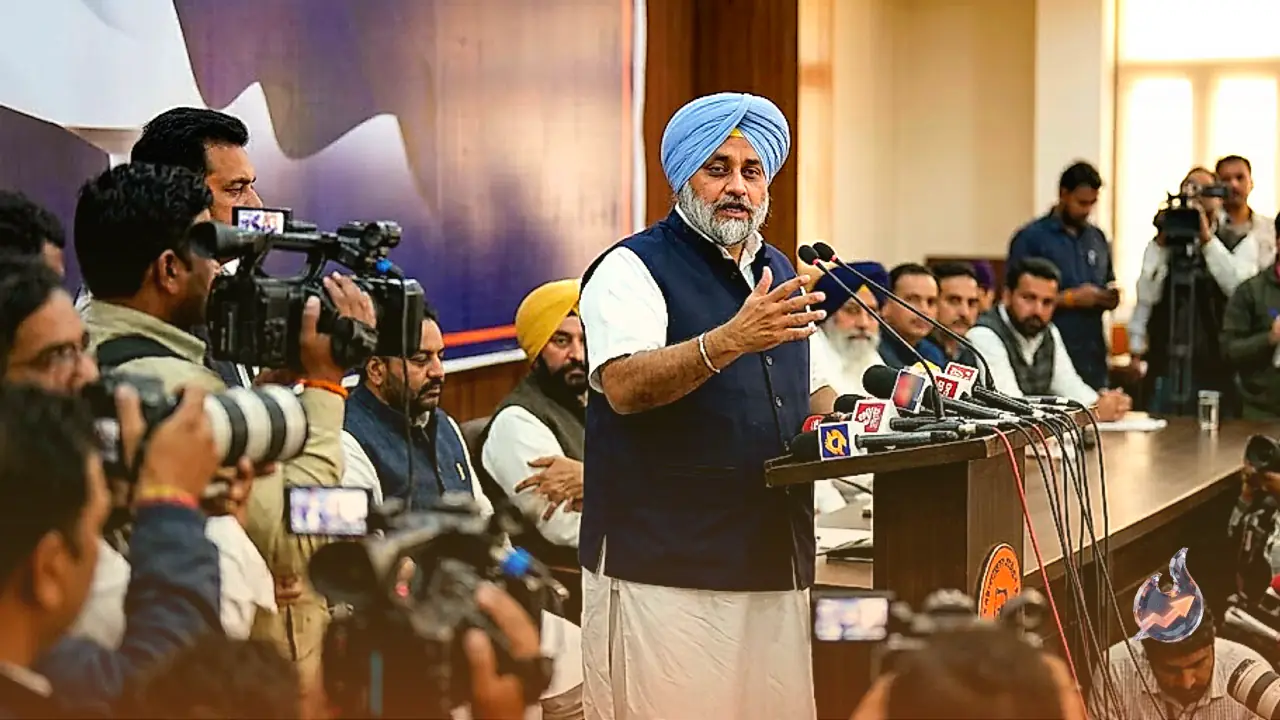
Akali Dal President Sukhbir Singh Badal outlined his party's revised stand through a statement published on social media. He emphasized that Shiromani Akali Dal advocates for a fair, transparent, and equitable delimitation mechanism that safeguards equal parliamentary and legislative representation across all states. Badal explicitly endorsed a framework under which seat allocations in every state would experience a uniform 50 percent increase. He asserted that neither the delimitation framework nor the women's reservation policy should face further administrative delays, urging the central government to put both measures into practice immediately.
From Opposing in April to Conditional Support Now
This policy pivot by the Shiromani Akali Dal represents a noticeable departure from its position earlier this year. In April, when the delimitation proposal was introduced in Parliament, the Akali Dal firmly opposed the measure and voted against it alongside other opposition parties. At that juncture, the party voiced deep concerns that the proposed exercise might result in a disproportionately smaller legislative footprint for Punjab in comparison to neighboring states, potentially diminishing the state's national political influence. However, the party has now recalibrated its position by offering conditional backing. It states that as long as the seat enhancement remains strictly uniform at 50 percent across all Indian states, it stands firmly with the central initiative.
Impact of the Meeting Between PM Modi and Sukhbir Badal
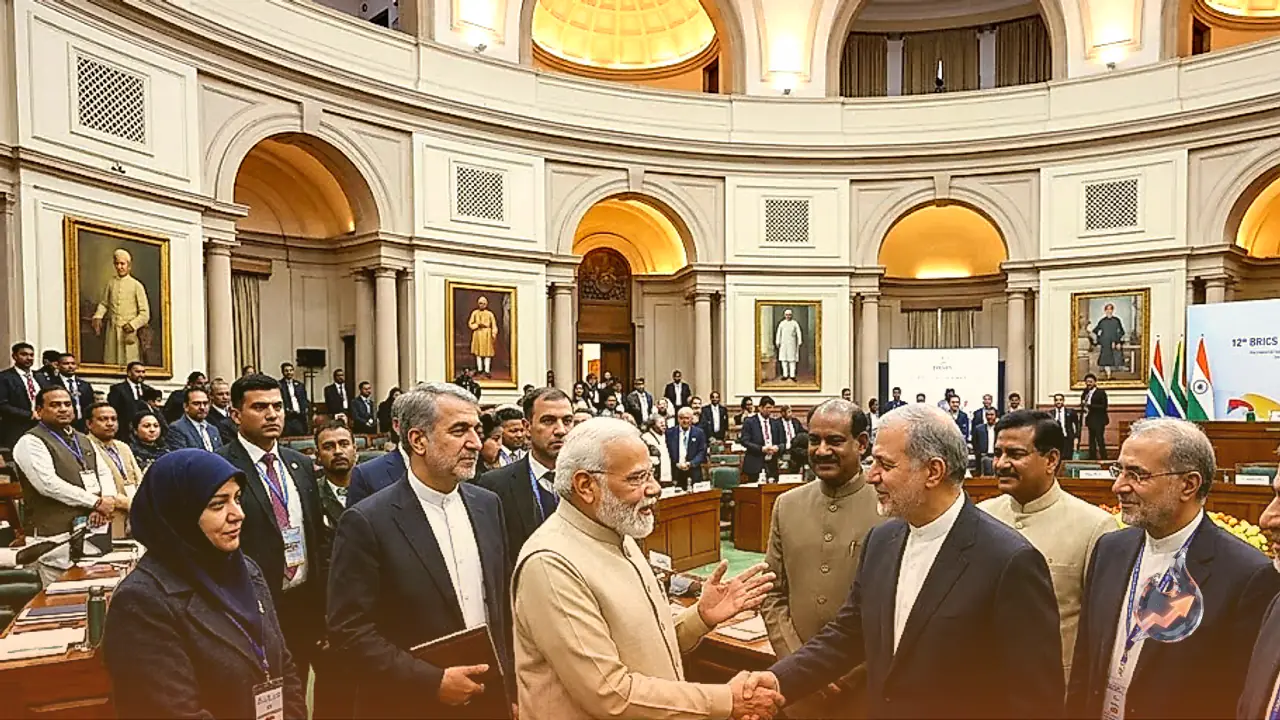
Political observers attribute this calculated shift to recent high-level dialogue in New Delhi. Just a day prior to announcing support for the bill, Sukhbir Singh Badal held a closed-door meeting with Prime Minister Narendra Modi on Friday. The immediate sequence of events—where Akali Dal aligned with the central government on a major national policy issue right after the top-level meeting—has intensified discussion in political circles regarding a potential diplomatic thaw. While neither party has issued an official statement confirming the formal revival of their alliance, the development clearly signals a narrowing of political distance between the former coalition partners.
Future Political Calculations for 2027 After the 2020 Split
The historical partnership between the BJP and Shiromani Akali Dal collapsed in 2020 during the prolonged agitation against the three central farm laws. Akali Dal resigned from the Union Cabinet and exited the National Democratic Alliance. Subsequently, the two parties contested both the 2022 Punjab Assembly elections and the 2024 Lok Sabha elections independently. The outcomes of the 2024 general elections proved challenging for both sides when contesting solo: the BJP failed to secure any seats in Punjab, while the Akali Dal managed to win only a single parliamentary constituency out of the state's 13 seats. With the 2027 Punjab Assembly polls approaching, both parties appear motivated to re-evaluate the strategic benefits of pooling their traditional voter bases once again.
Sukhbir Badal Invokes Sikh Tradition on Women Reservation
Elaborating on the demand for immediate implementation of women's reservation, Sukhbir Singh Badal rooted his party's position in historical values. He stated that the Akali Dal draws foundational inspiration from the teachings of the Sikh Gurus, who forcefully advocated for gender equality, human dignity, and equal societal rights for women. To illustrate this commitment, Badal pointed to the operational structure of the Shiromani Gurdwara Parbandhak Committee, where statutory reservation for women has long been integrated into electoral governance. He stressed that if women can be granted structural equality within religious institutions, there should be no hesitation in enacting identical protections within the nation's democratic legislative framework.
Congress Takes a Firm Stand as Pawan Khera Issues Challenge
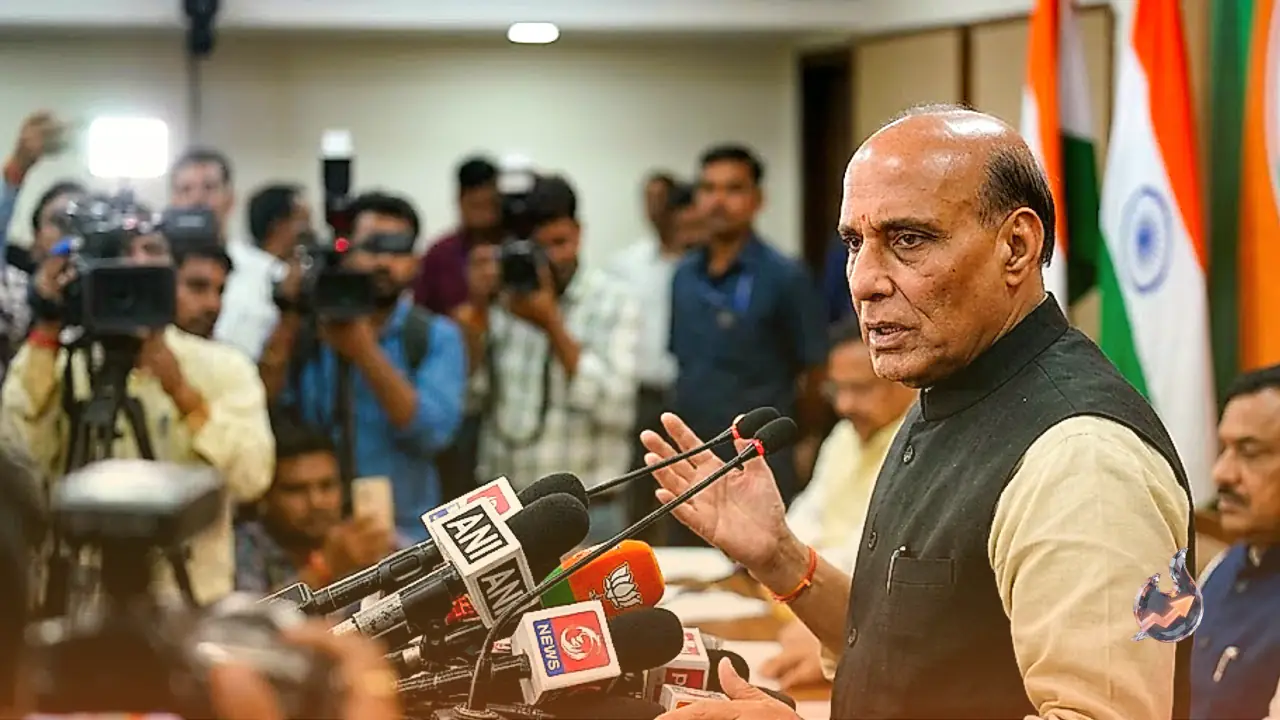
The alignment between Akali Dal and the central government on delimitation has drawn sharp criticism from the opposition. Senior Congress leader Pawan Khera reacted strongly to the development, challenging the central administration to bring its complete legislative framework directly before Parliament. Khera stated that if the government maintains a concrete proposal proposing a uniform 50 percent seat expansion across all states, it must present the bill on the floor of the House for public scrutiny and parliamentary debate. The Congress party maintained that delimitation remains a sensitive federal topic that should not be manipulated for tactical political positioning.
Potential Repercussions for Punjab Assembly Elections
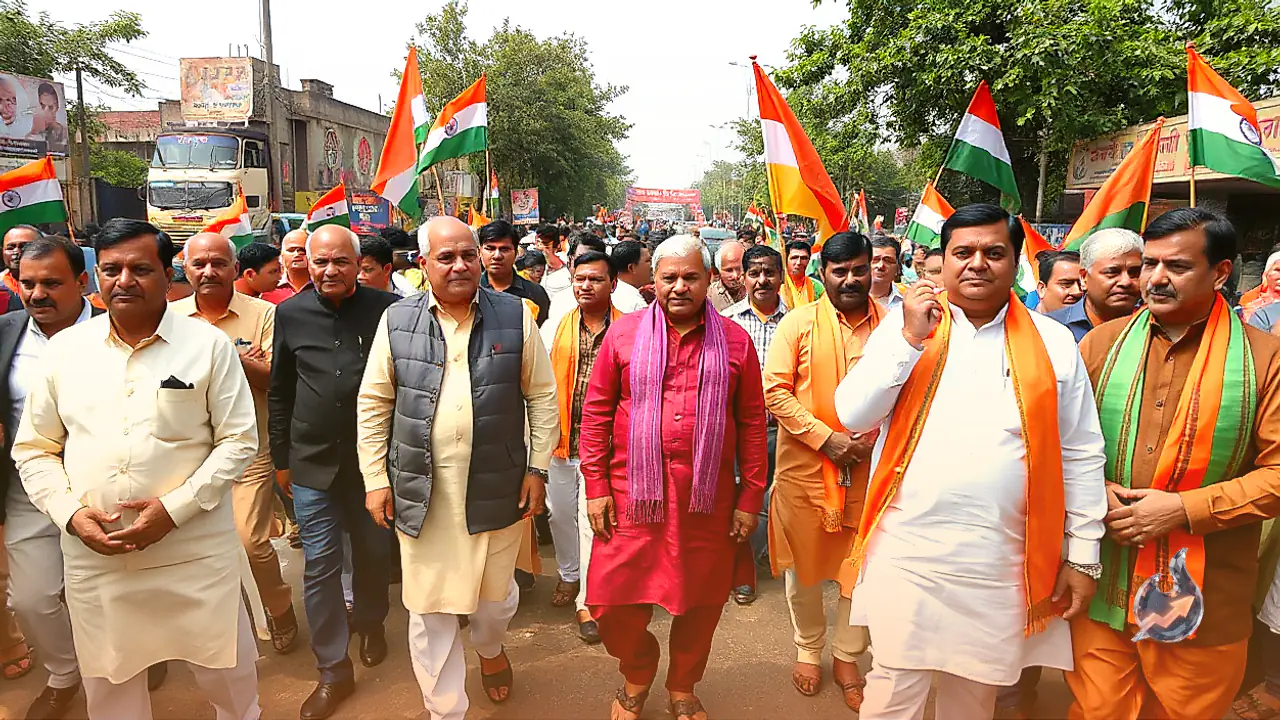
The combined effect of Sukhbir Badal's Friday meeting with Prime Minister Modi and Akali Dal's subsequent endorsement of the central delimitation framework indicates a reshuffling of political priorities in Punjab. Although the 2027 Assembly elections remain a few years away, both the BJP and Akali Dal face the necessity of consolidating their political bases in the state. Having witnessed the limitations of contesting separately in recent electoral cycles, a renewed political understanding could significantly alter the multi-cornered contest in Punjab. While formal confirmation of an electoral pact remains pending, the recent political maneuverings strongly signal that the debate over a BJP-Akali reunion has returned to center stage.