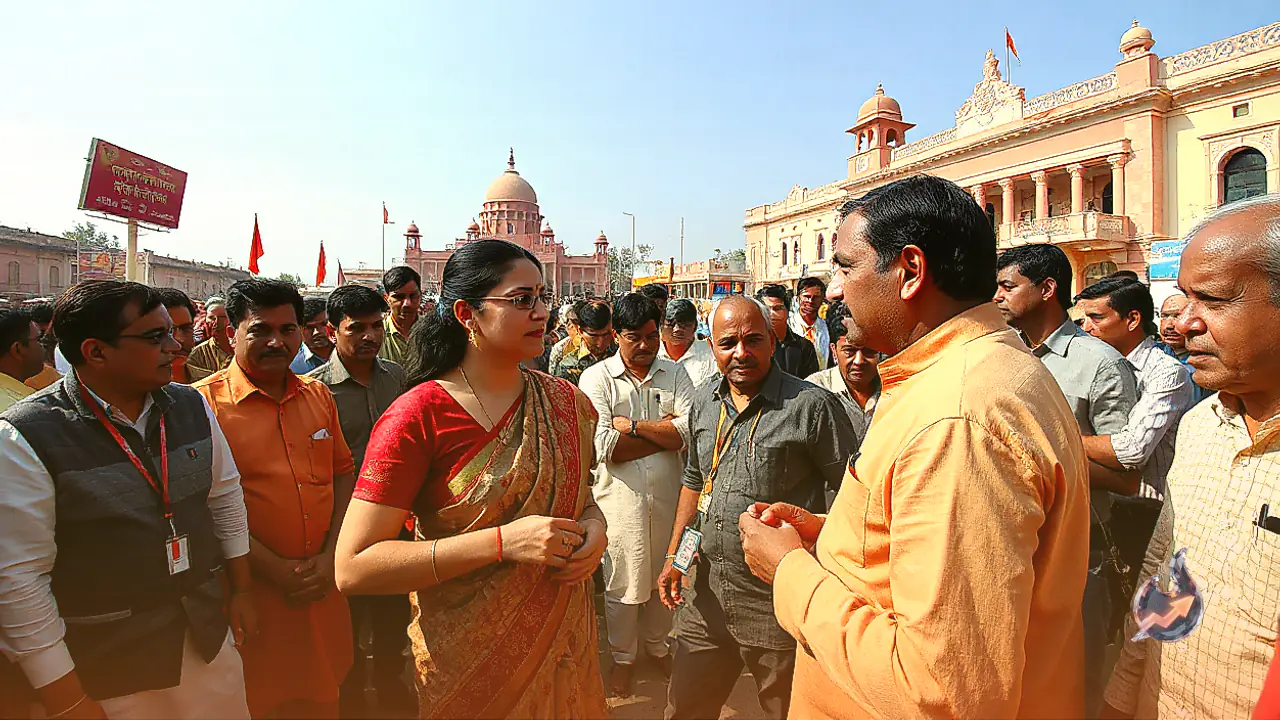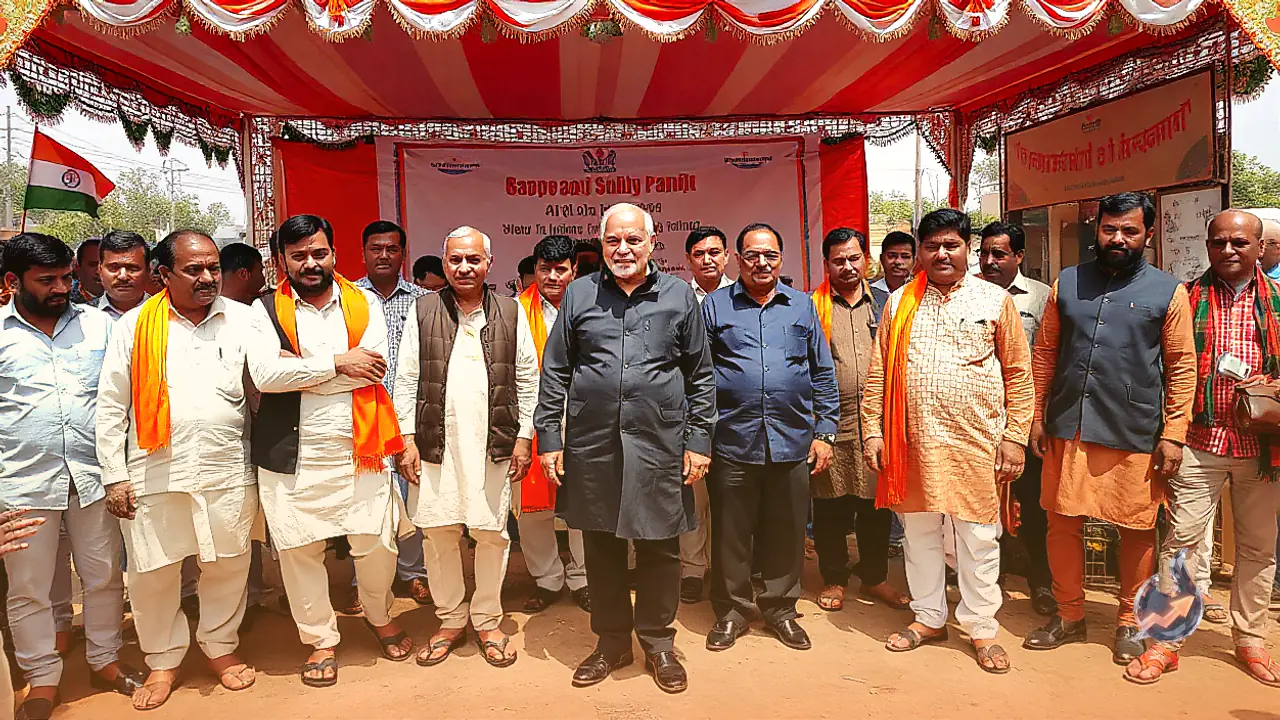
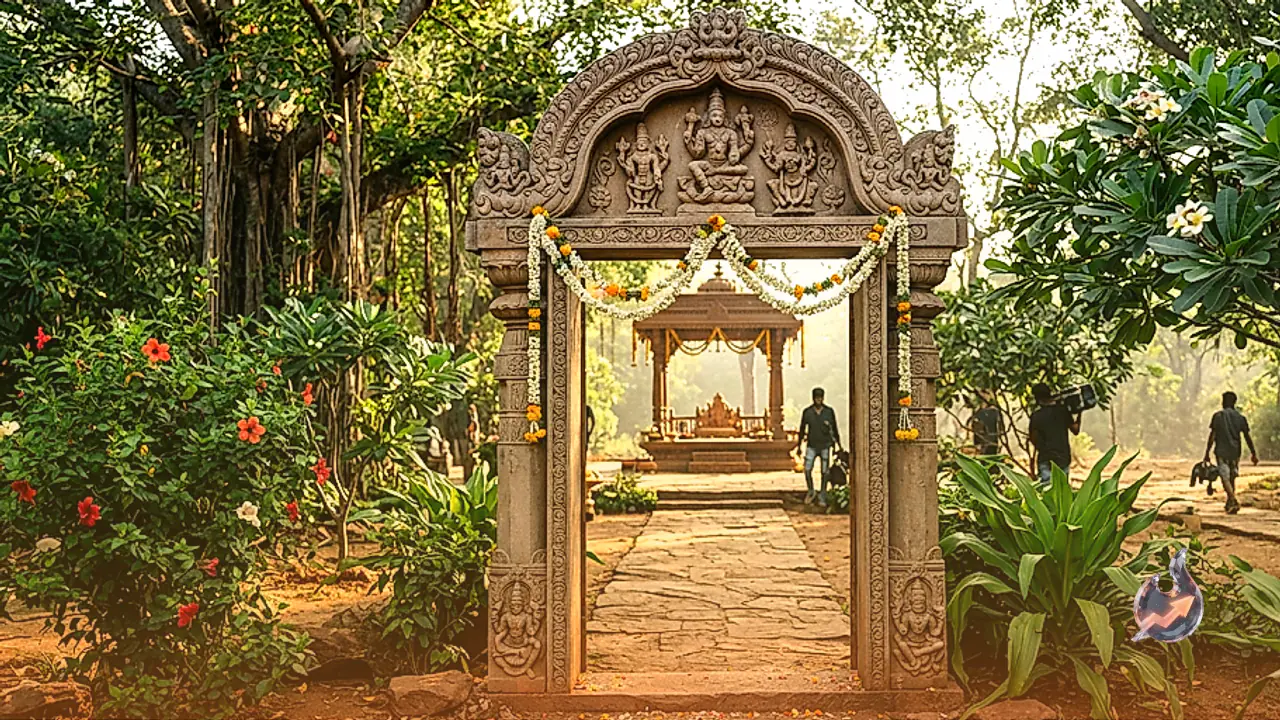
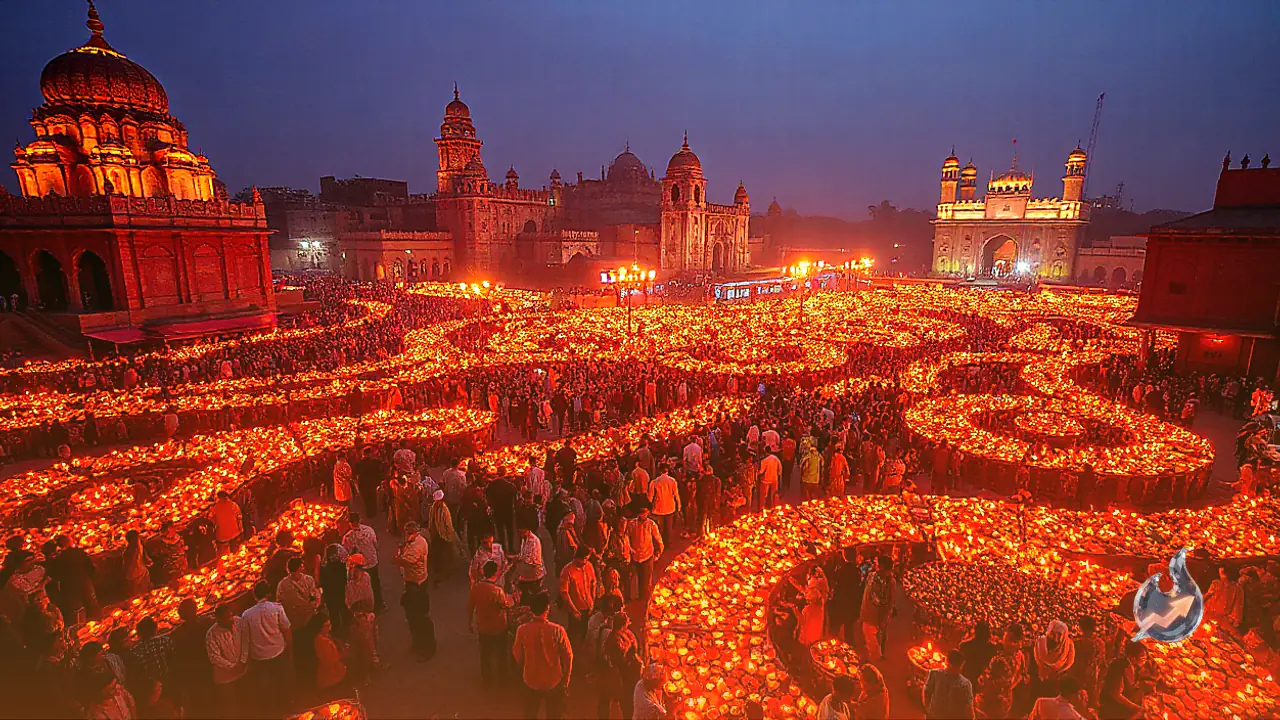















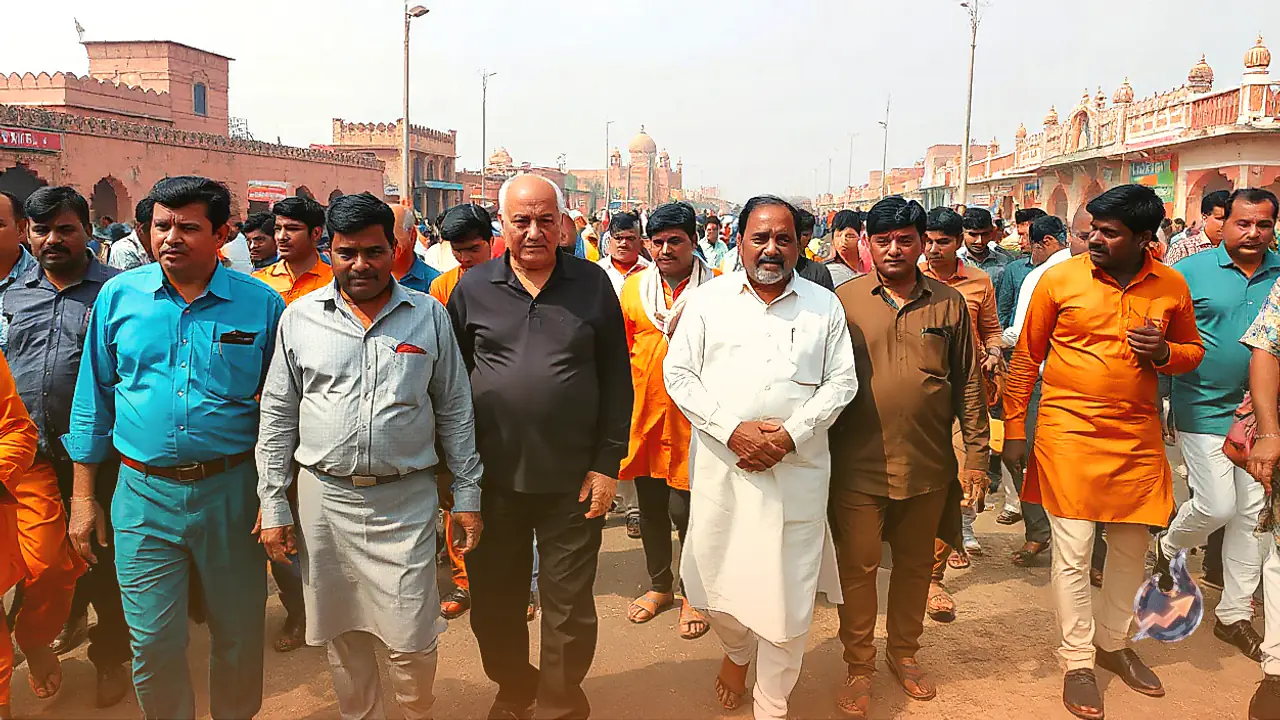

The grand Deepotsav in Ayodhya consistently remains a major talking point every year due to its sheer scale, grandeur, and record-breaking spectacles, but this time political friction has begun even before the celebrations officially kick off. Awadhesh Prasad, the local Samajwadi Party Member of Parliament representing Faizabad, stated that despite being the area's elected representative, he was not extended an invitation to attend the mega event. He remarked that while he holds no personal grievance over receiving an invitation or lacking one, the active participation of local residents and their pressing civic concerns in such major religious gatherings should never be overlooked or sidelined. The tenth edition of the Deepotsav is scheduled for Saturday, with elaborate preparations underway to illuminate nearly 3 million earthen lamps across 56 designated ghats along Ram Ki Paidi and the banks of the Saryu River. Vice President C.P. Radhakrishnan and Chief Minister Yogi Adityanath arrived in Ayodhya to participate in the ongoing festivities.
The Origin of Deepotsav and This Year's Scale
The tradition of celebrating Deepotsav in Ayodhya was first initiated back in 2017. Ever since its inception, the count of earthen lamps has grown exponentially year after year, eventually weaving itself into the core identity of the holy city. The celebrations this year are once again being organized on a massive, unprecedented scale. While Diwali falls on November 8, the Deepotsav festivities are being celebrated a day prior on Saturday, drawing huge crowds of devotees and visitors to the illuminated city.
Chief Minister Yogi Adityanath's Address and Visit
Chief Minister Yogi Adityanath arrived in Ayodhya on Saturday to oversee and participate in the celebrations. On the occasion of Deepotsav, he carefully reviewed a special exhibition showcasing the city's 500-year history, the landmark Ram temple movement, and the vast developmental transformation Ayodhya has undergone in recent years. Delivering his message on the tenth anniversary of the event, the Chief Minister emphasized that the festival is not merely confined to lighting lamps or setting global records, but stands as a powerful symbol of the renaissance of Sanatan culture and the restoration of Ayodhya's historical and cultural identity. He appealed to the public that when lamps are lit at the Ram Janmabhoomi site, every single household and courtyard should also be illuminated with hope and joy. Yogi further linked the vision of Ram Rajya to extending the light of development right down to the marginalized individual standing at the very bottom of the social ladder.
The Background Behind Awadhesh Prasad and the Dispute
The statements made by Awadhesh Prasad carry significant political weight because of how his stature grew within Ayodhya's political landscape following the 2024 Lok Sabha elections. The Samajwadi Party secured a notable victory in the Faizabad constituency by defeating the sitting Bharatiya Janata Party MP Lallu Singh. The unexpected defeat of the ruling party in Ayodhya right after the construction and consecration of the Ram temple brought the city firmly into the center of national political debates.
Questions Over Excluding the Local MP
Under such political circumstances, the failure to invite the local Member of Parliament to such a massive official government celebration goes far beyond a mere breach of protocol. Observers view the incident through the lens of intense political rivalry between the BJP and the SP in Ayodhya. The opposition party may well leverage this omission ahead of the upcoming Uttar Pradesh assembly elections in 2027. However, the local administration has not issued any official clarification or confirmation regarding the underlying reasons for omitting the MP from the guest list.
Past Stances on Deepotsav Invitations
This is not the first instance where Awadhesh Prasad has publicly raised concerns over not receiving an invitation to the official Deepotsav celebrations. Back in October 2024, he had leveled a similar accusation claiming he was left off the guest list for the festivities. At that time, BJP MLA Ved Prakash Gupta countered the allegation by asserting that the parliamentarian had indeed been formally invited to attend the Ram temple consecration ceremony, but chose not to visit for the sacred darshan.
Broader Political Ramifications
Ayodhya's Deepotsav has evolved beyond being a purely religious and cultural observance, cementing its place over recent years as a major symbol in the political arena of Uttar Pradesh. While the BJP consistently associates the festival with Ayodhya's infrastructure development, the success of the Ram temple movement, and the assertion of cultural pride, the SP continues to focus on local civic grievances, farmers' land issues, traders' challenges, and the equitable distribution of developmental benefits. The grievances raised by the Awadhesh Prasad regarding his exclusion serve to amplify this ongoing political narrative. Even as the state government showcases Ayodhya's cultural heritage through the illumination of 3 million lamps and elaborate pageantry, the opposition MP continues to question whether elected representatives and ordinary local residents are being given adequate representation and respect in these grand proceedings. This underlying political friction in Ayodhya is expected to remain a prominent flashpoint as the state moves closer to the 2027 assembly elections.