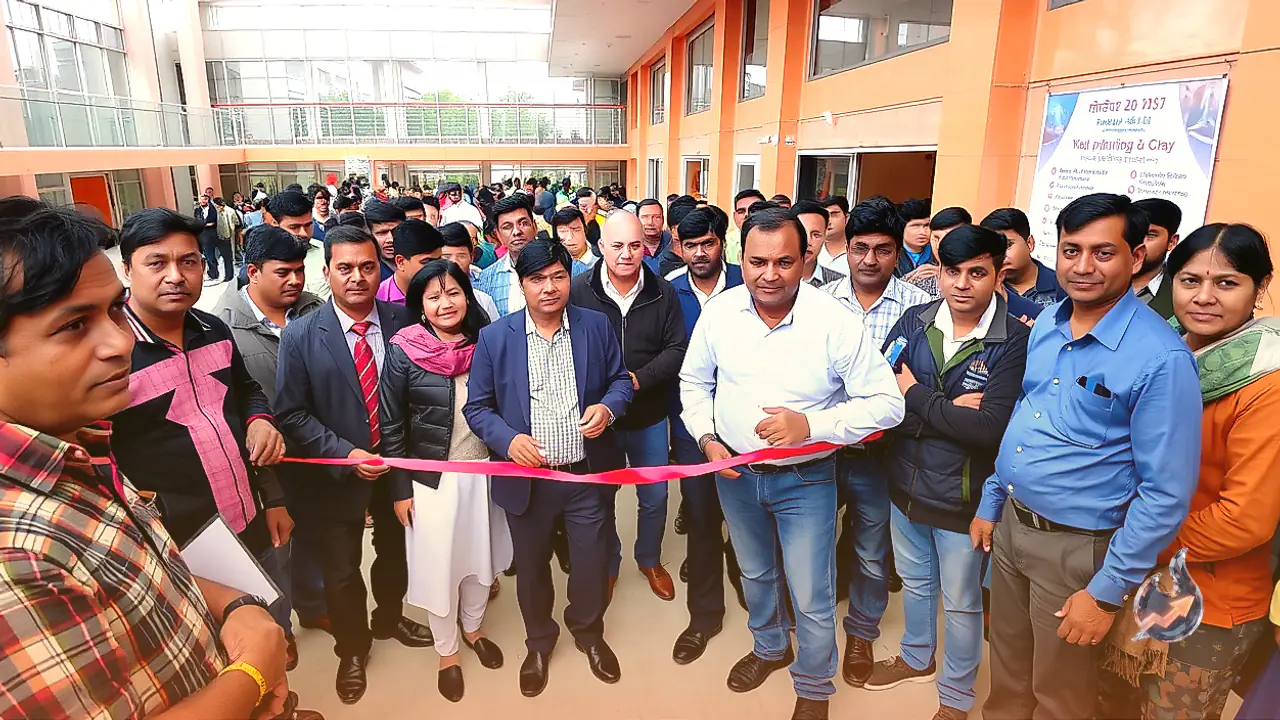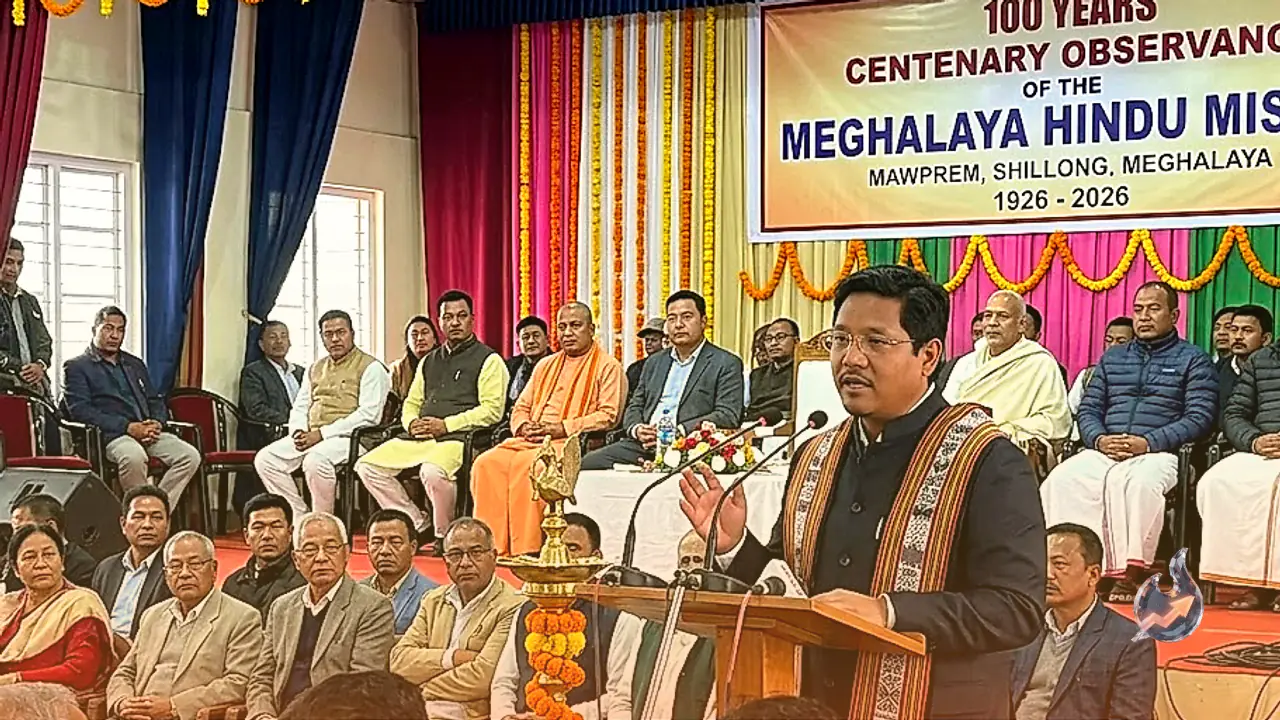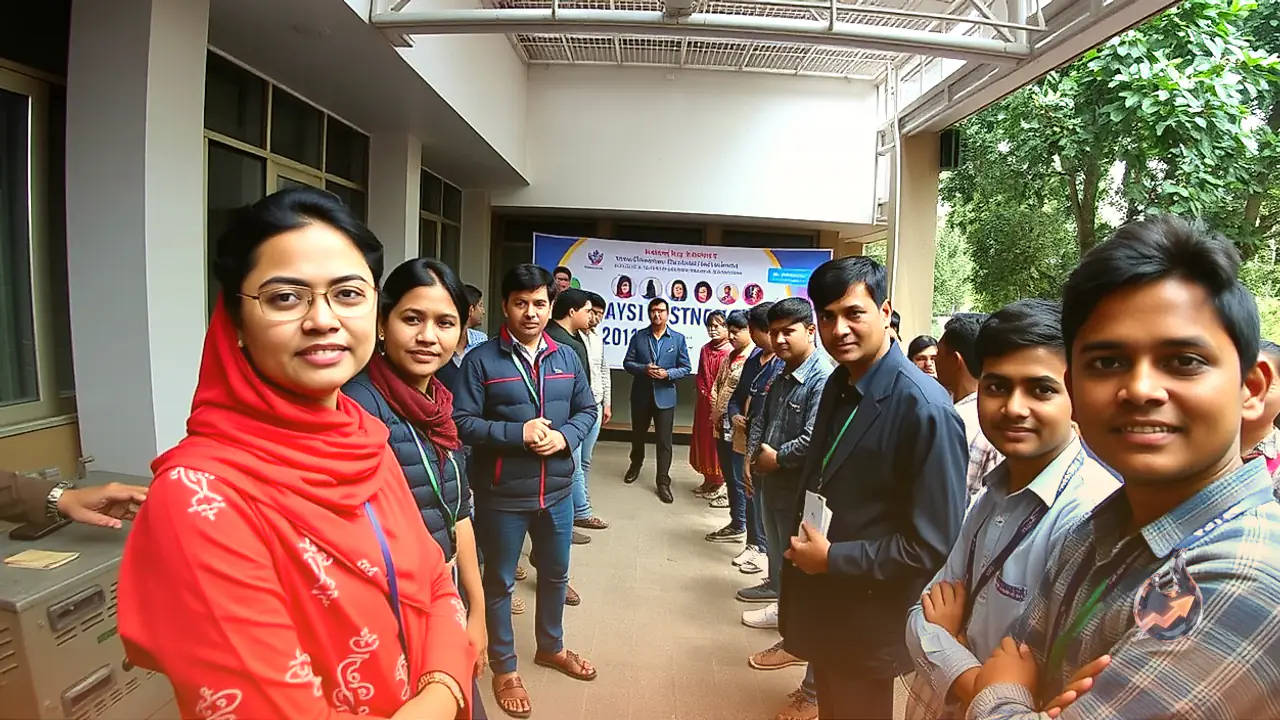



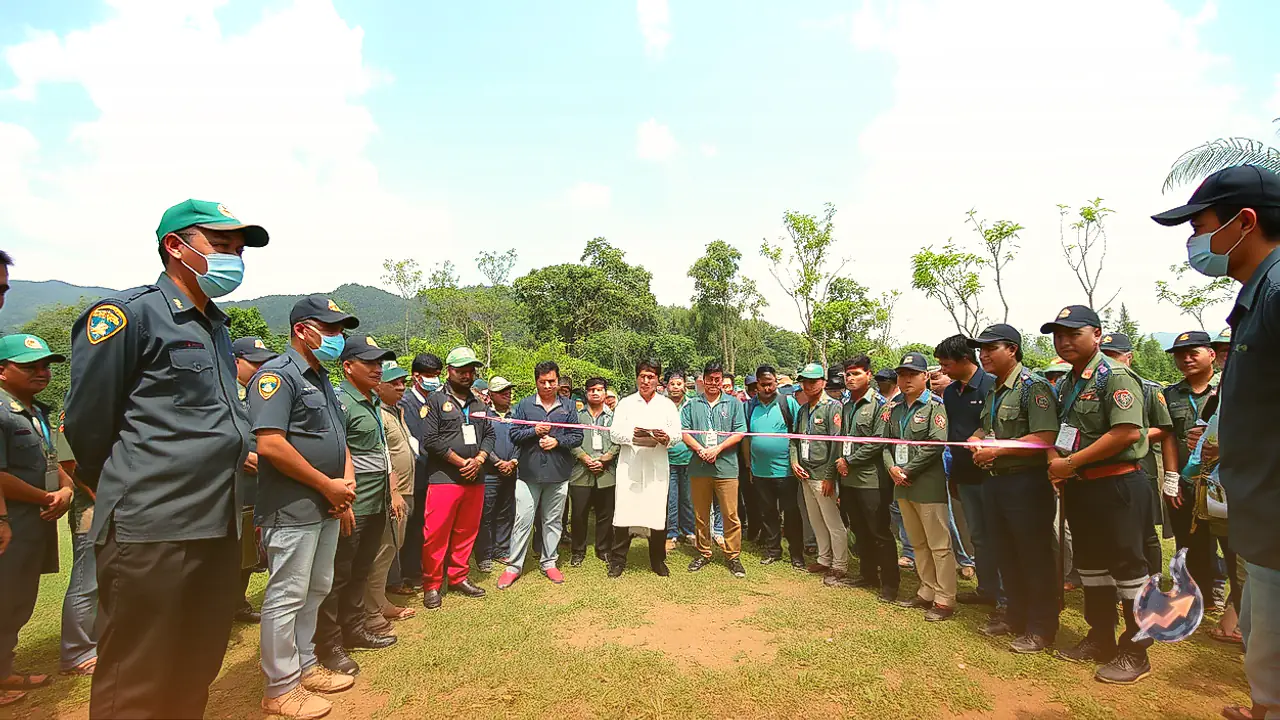

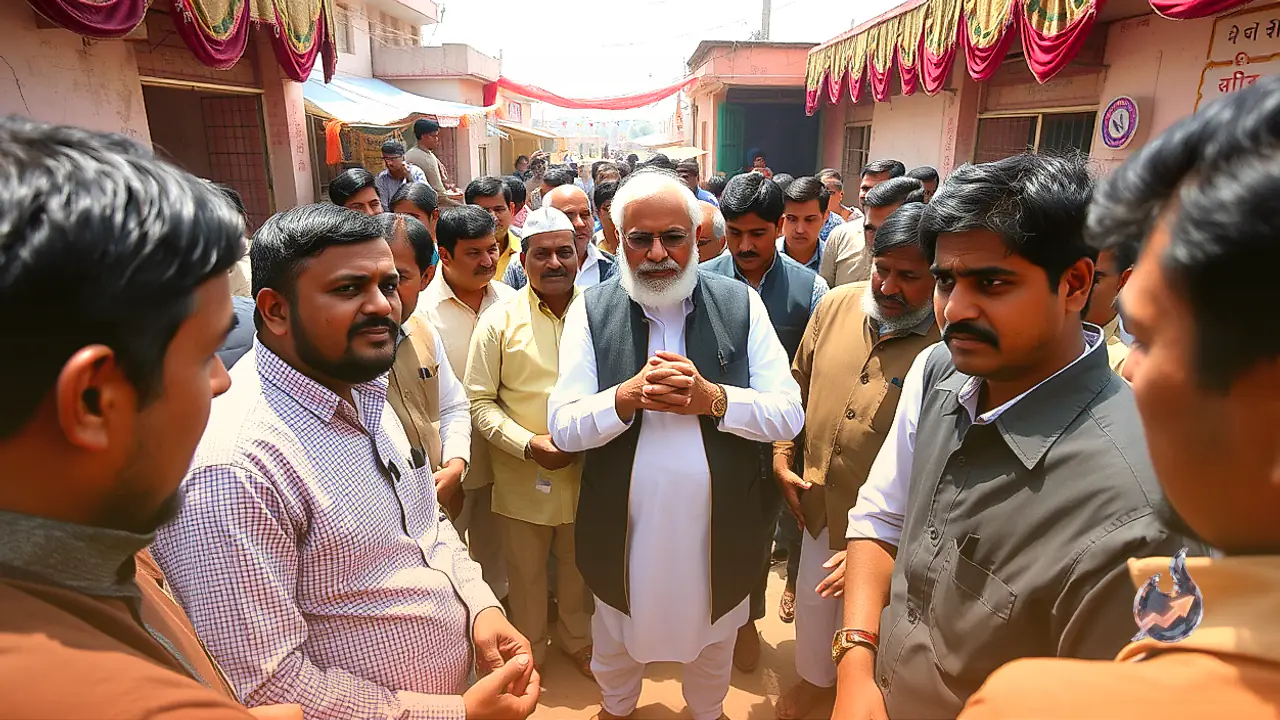


















The valedictory function of Wildlife Week 2026 took place at the Multipurpose Hall of Kiang Nangbah Government College in Jowai, bringing together conservation advocates and local officials. During the event, individuals who dedicated themselves to rescuing and protecting local fauna were honoured with Wildlife Samaritan Awards. This year, the celebrations centred around the official theme of Connecting Habitats, Thriving Wildlife. The programme was organized by the office of the Divisional Forest Officer, West Jaintia Hills Division, functioning under the Meghalaya Department of Forest, Environment and Climate Change.
C. P. Marak attended the function as the chief guest, addressing the gathering with praise for the compassion shown by the award recipients. He noted that their dedication reflects a fundamental duty toward the natural world and expressed hope that more citizens would come forward to support ongoing conservation efforts. He emphasized that safeguarding the environment is a shared responsibility that extends well beyond the mandate of the formal forestry administration.
Marak drew attention to the constitutional responsibility placed on the State and every individual citizen to protect the natural surroundings. He pointed out that Meghalaya is exceptionally rich in minerals, dense forests, and diverse wildlife, requiring a combined approach from both the government and society to maintain these treasures. According to his remarks, roughly two-thirds of the total geographical area across East and West Jaintia Hills remains under forest cover, forming a vital ecological foundation for local wildlife.
Urging residents to preserve this green canopy for future generations, Marak compared the forest cover to a protective umbrella that sustains life and preserves the ecological balance across the district and the wider state. However, he also highlighted pressing conservation challenges, pointing specifically to habitat fragmentation and forest fires as major threats. He shared statistics showing that reported fire incidents in East Jaintia Hills dropped from 766 during 2022-23 down to 348 in 2023-24, while West Jaintia Hills experienced a decrease from 391 to 243 over the same timeframe. He encouraged residents to remain vigilant during the dry season when dry grass and fallen branches elevate fire risks.
Discussing the broader regional biodiversity, Marak noted that the Narpuh Wildlife Sanctuary spans approximately 60 square kilometres and sustains over 92 species of birds and animals alongside more than 199 butterfly species. He also highlighted 10 community conservation reserves located in East Jaintia Hills and 18 in West Jaintia Hills, describing them as valuable repositories of regional flora and fauna. Furthermore, he noted that the district features more than 1,200 underground caves that act as unique habitats for specialized wildlife.
Several other prominent figures addressed the attendees during the ceremony. Dr. P. Nongtdu, who serves as the Honorary Wildlife Warden of East Jaintia Hills and teaches at Eastern College in Khliehriat, delivered remarks alongside B. Dally Kharpran, General Secretary of the Meghalaya Adventurous Association in Shillong, and Dr. H. H. Mohrmen, an environmentalist and Honorary Wildlife Warden of West Jaintia Hills. Participants who won various competitions held throughout the week-long observance were presented with prizes and certificates.
The function was chaired by P. Lamare, Beat Forest Officer in charge of the Ratacherra Wildlife Beat. Introductory remarks were delivered by Divisional Forest Officer N. Laloo, while S. Law, Range Forest Officer for the Umkiang and Jowai Wildlife Ranges, formally proposed the vote of thanks to conclude the gathering.