
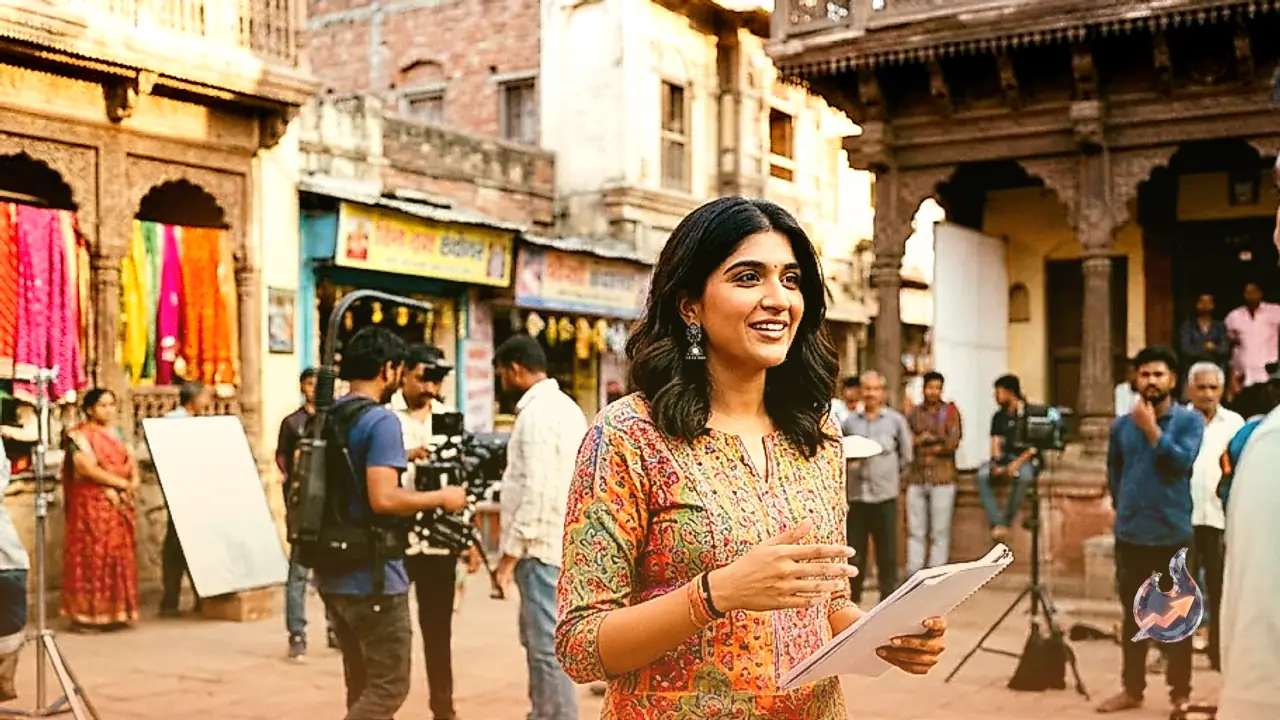


















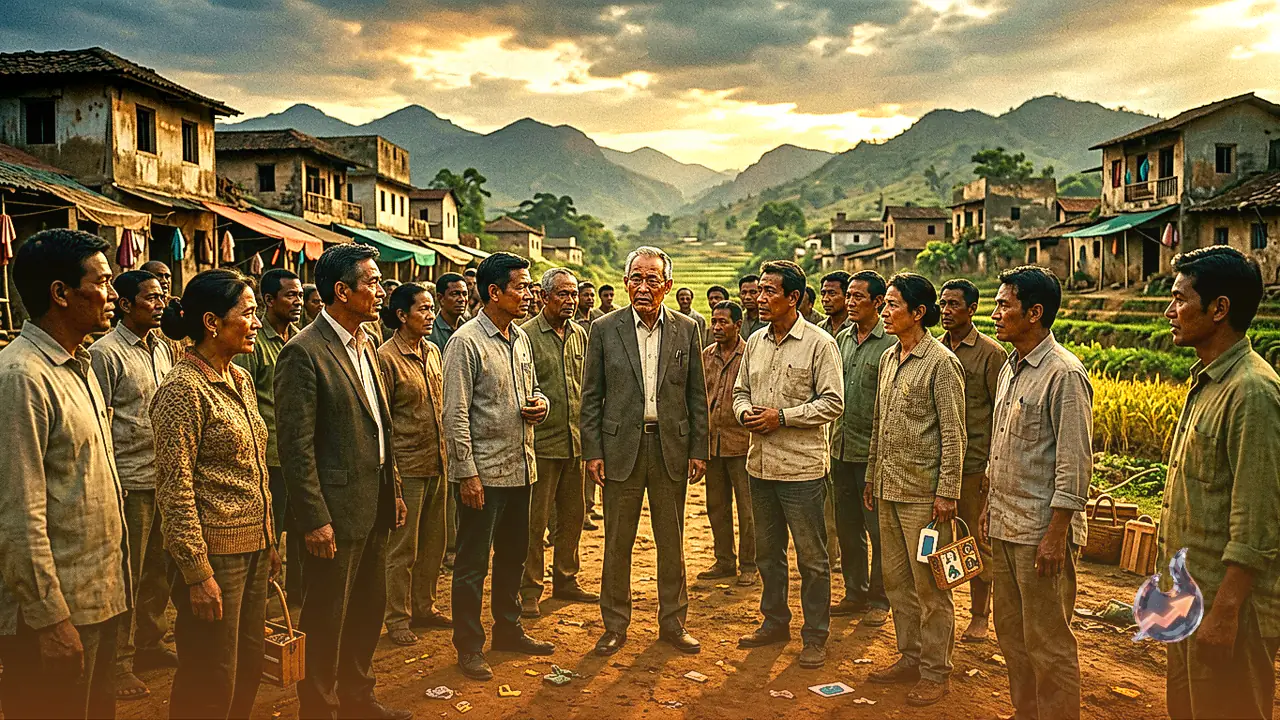

Political momentum is building across Uttar Pradesh as preparations for the 2027 Assembly elections get underway. Major political parties have initiated their ground strategies, with the ruling Bharatiya Janata Party highlighting its administrative accomplishments and public welfare schemes. Conversely, opposition groups are preparing to challenge the government on key socio-economic fronts, including employment generation, rising inflation, agricultural issues, education reforms, and public infrastructure. Against this backdrop, conversations with voters in the rural stretches of Mau reveal sharp divisions, diverse perspectives, and pressing demands regarding governance and development.
Concerns Over Ground Execution and Infrastructure in Mahpur
Reflecting on the five-year tenure of the state government, Amarullah Khan, a resident of Mahpur Gram Sabha, expressed strong dissatisfaction with current governance. He asserted that while numerous welfare schemes are actively advertised on paper, their actual impact on the ground remains virtually nonexistent. According to him, recent years have seen greater emphasis placed on identity-based and religious narratives rather than tangible public infrastructure projects. Looking ahead to the 2027 Assembly elections, he emphasized that voters will prioritize practical issues affecting daily life, such as quality education, agricultural stability, job creation, and future prospects for the youth.
Advocating for structural reforms in the education sector, Amarullah Khan called for the implementation of a uniform education system across both private and government schools. He stressed that educational institutions, regardless of ownership, should offer equivalent facilities and learning standards to ensure that children from economically weaker backgrounds receive the same opportunities as those from affluent families. He noted that education will emerge as a central voting issue in the upcoming election. Regarding the local legislative representative, he acknowledged that the constituency's elected MLA does not belong to the ruling party, yet criticized the representative's overall performance as inadequate due to a persistent lack of local presence and developmental initiative. Consequently, he favors a change in both the local legislative representative and the state administration.
Support for Farmers' Aid and Increased Social Pensions
In contrast, Ehsan Khan, another resident of the same village, offered a favorable assessment of the government's performance. He highlighted key welfare initiatives, particularly the PM Kisan Samman Nidhi scheme, which provides farmers with direct financial assistance of 6,000 rupees annually to help cover agricultural expenses. Furthermore, he noted the upward revision of social security pensions for senior citizens to 1,500 rupees per month, describing it as a crucial financial support system for elderly residents.
Ehsan Khan maintained that the overall governance track record has been constructive, expressing confidence that the Bharatiya Janata Party will secure another term in the 2027 Assembly polls. He commended the administration for executing welfare schemes without discrimination across demographic groups. However, despite his endorsement of the state leadership, he expressed disappointment with the constituency's current MLA. He reported that the local MLA has remained largely absent from the region and has failed to execute significant developmental projects in the village. Nevertheless, satisfied with broader state policy outcomes, he supports the re-election of the BJP government.
Concerns Regarding Inflation, Paper Leaks, and Healthcare
Outlining primary voting criteria for the upcoming election, Rukman Khan identified rising inflation as a major concern for rural households, pointing specifically to the recent increase in essential commodity prices such as sugar. He also highlighted systemic issues within the education sector, particularly the recurring instances of competitive examination paper leaks. He asserted that paper leak incidents have reached unprecedented levels under the current administration, severely damaging the career prospects of hardworking students. He urged the government to implement stringent measures to eliminate examination leaks entirely.
Rukman Khan further argued that state authorities should prioritize maintaining high standards in government hospitals and public schools, areas he believes are currently neglected. In his view, citizens are struggling to access quality healthcare services and adequate public education. Consequently, he stated that voters will carefully evaluate government performance on inflation, unemployment, education, and administrative corruption before casting their ballots in 2027. Criticizing the current administration's reluctance to address these core concerns, he voiced support for political change in the state.
Discontent Among Youth Over Rural Development
Village youth Mahtab Alam and Shahid emphasized that youth-centric issues will determine their electoral choices in the next state election. Expressing strong frustration over local infrastructure, they reported a complete lack of developmental activities in Mahpur village. They argued that if their immediate locality has seen no tangible progress, it reflects a broader pattern of developmental neglect across the entire assembly constituency.
Mahtab Alam and Shahid noted that inflation, unemployment, and educational opportunities will be the primary factors driving voting decisions in 2027. They accused the administration of presenting progress primarily in official paperwork while ground realities remain unimproved. In their assessment, rising living costs, lack of employment opportunities, and corruption have reached critical levels, shaping voter sentiments among the younger demographic.
Women Highlight Gaps in Housing and Sanitation Schemes
Female residents Lali and Indrasini challenged official claims regarding rural housing and sanitation coverage. Despite government announcements asserting universal toilet construction and housing provision for low-income families, they reported that their households have not received benefits under either scheme. As a result, family members continue to face daily hardships, including being forced to resort to open defecation due to the absence of household toilets.
Lali and Indrasini also pointed out the lack of paved access roads to their residences and unaddressed electricity connectivity issues in their homes. Distressed by the lack of basic amenities, they stated their intention to vote for political change in the 2027 Assembly elections, advocating for a government that delivers concrete welfare measures for underprivileged citizens rather than unfulfilled assurances.