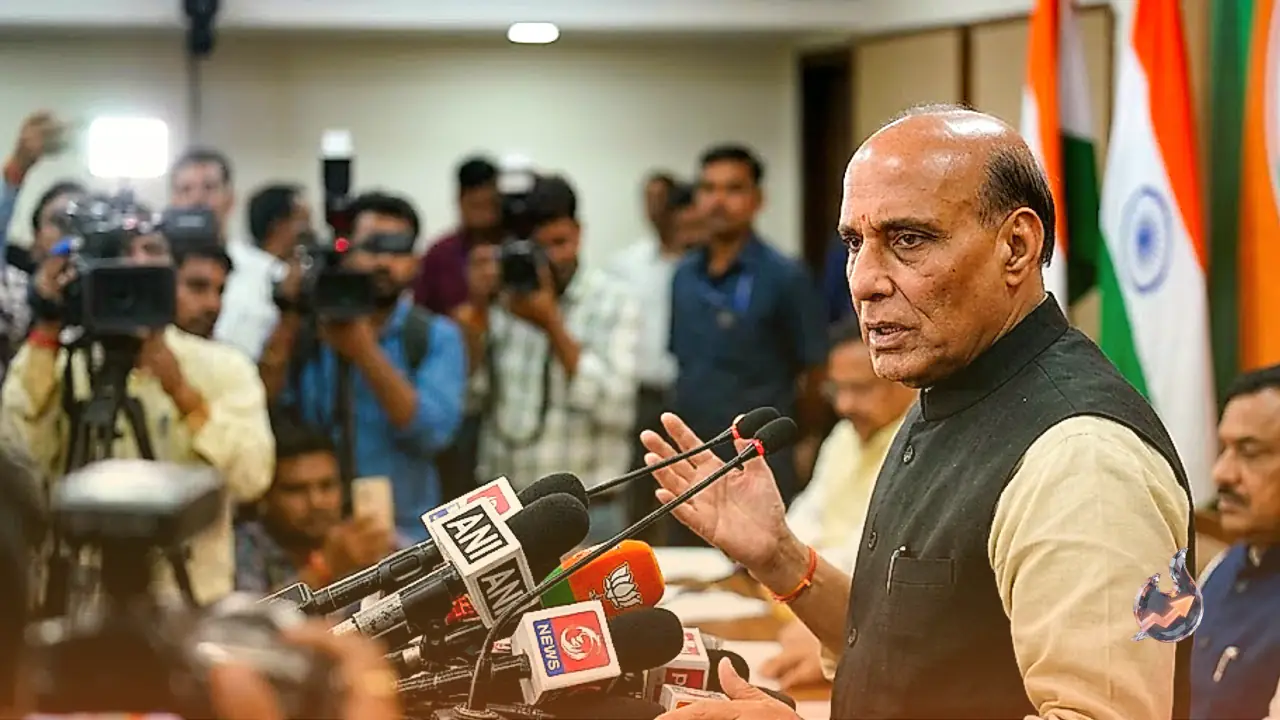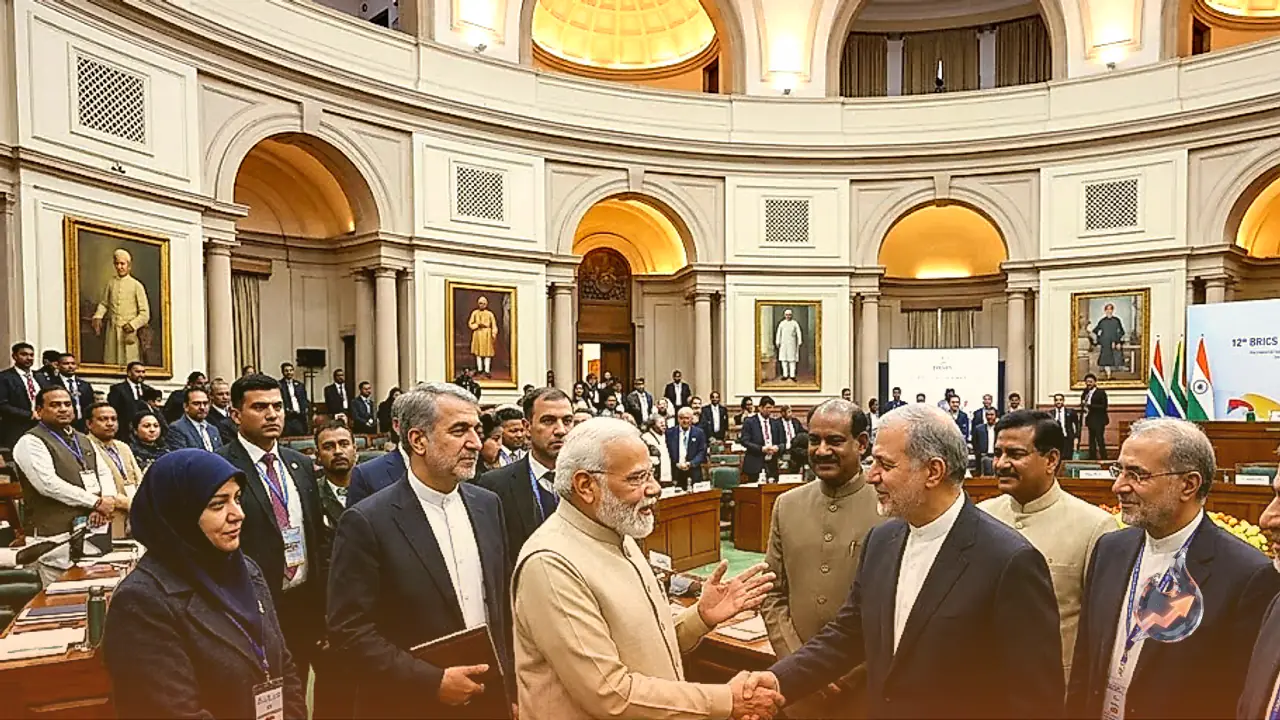





















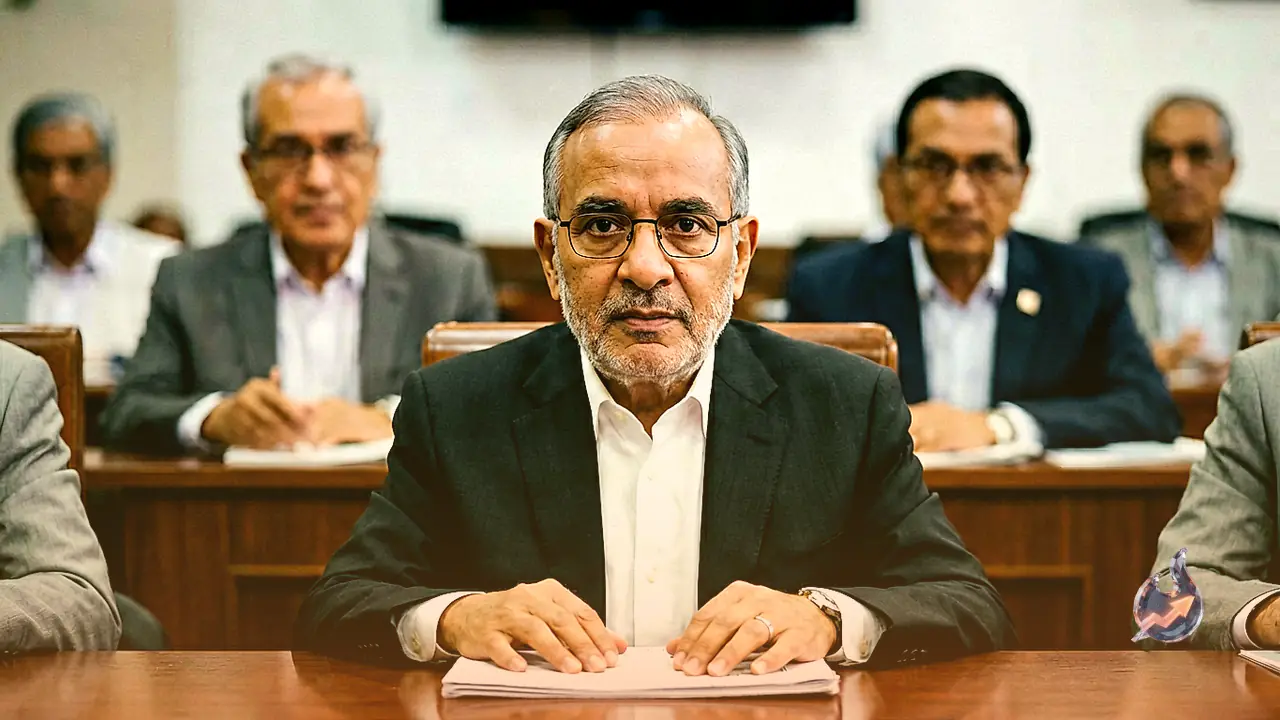

During the concluding hours of the current parliamentary session, intense political maneuvering erupted over the NEET examination controversy and student welfare concerns. Home Minister Amit Shah formally communicated with the Lok Sabha Speaker, expressing the government's complete readiness to address all queries raised by the opposition. He urged opposition leaders to fix a suitable schedule for a thorough parliamentary discussion. However, Congress leader Rahul Gandhi rejected the proposition, stating that he was not interested in listening to the Home Minister's speech. This refusal has sparked widespread debate over the strategic motivations behind bypassing a formal discussion inside the House.
Strategic Calculations Behind Avoiding the House Debate
Political analysts suggest that Rahul Gandhi's reluctance to participate in the debate stems from a calculated strategy. Had Home Minister Amit Shah presented a detailed, fact-based defense on the floor of the House, the narrative could have significantly favored the ruling administration. Conversely, allowing the session to adjourn without a formal debate provides the opposition with a potent political argument. Rahul Gandhi and his allies can now assert in public rallies that they repeatedly demanded answers, but senior government leaders failed to address Parliament. This narrative is expected to be leveraged extensively during upcoming public outreach campaigns and student demonstrations.
Shift in Escalation from Education to Home Ministry
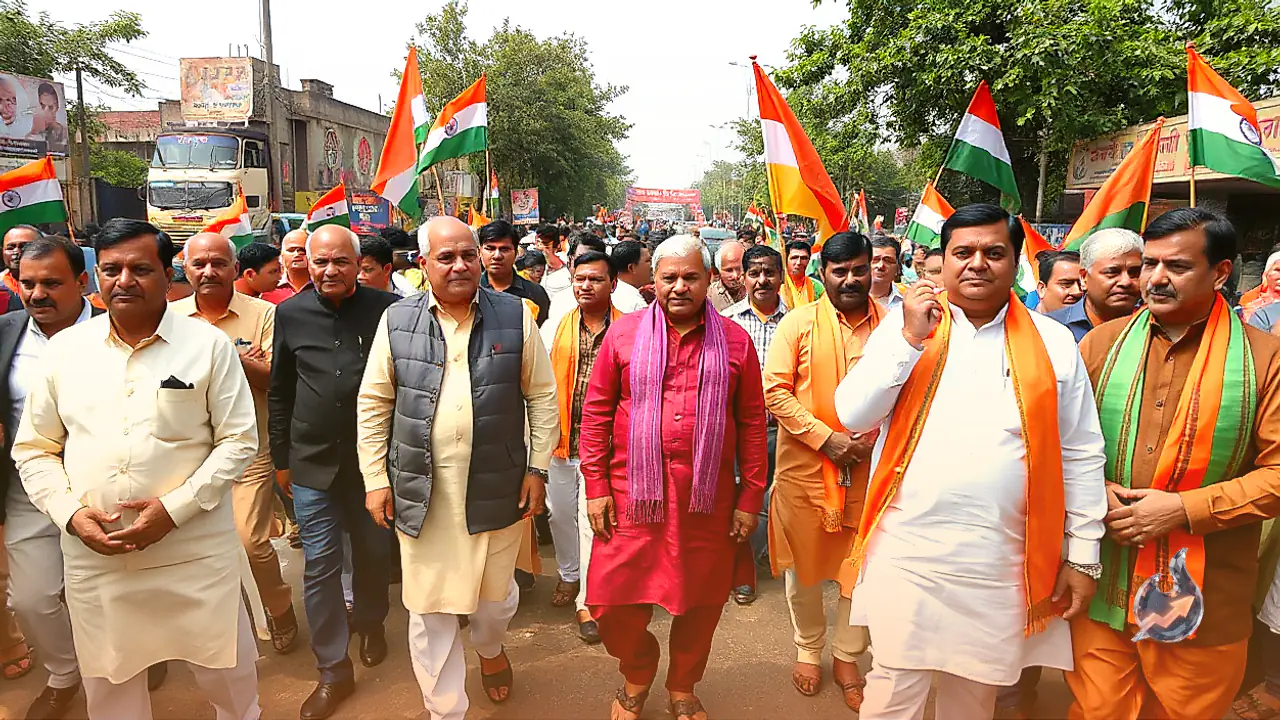
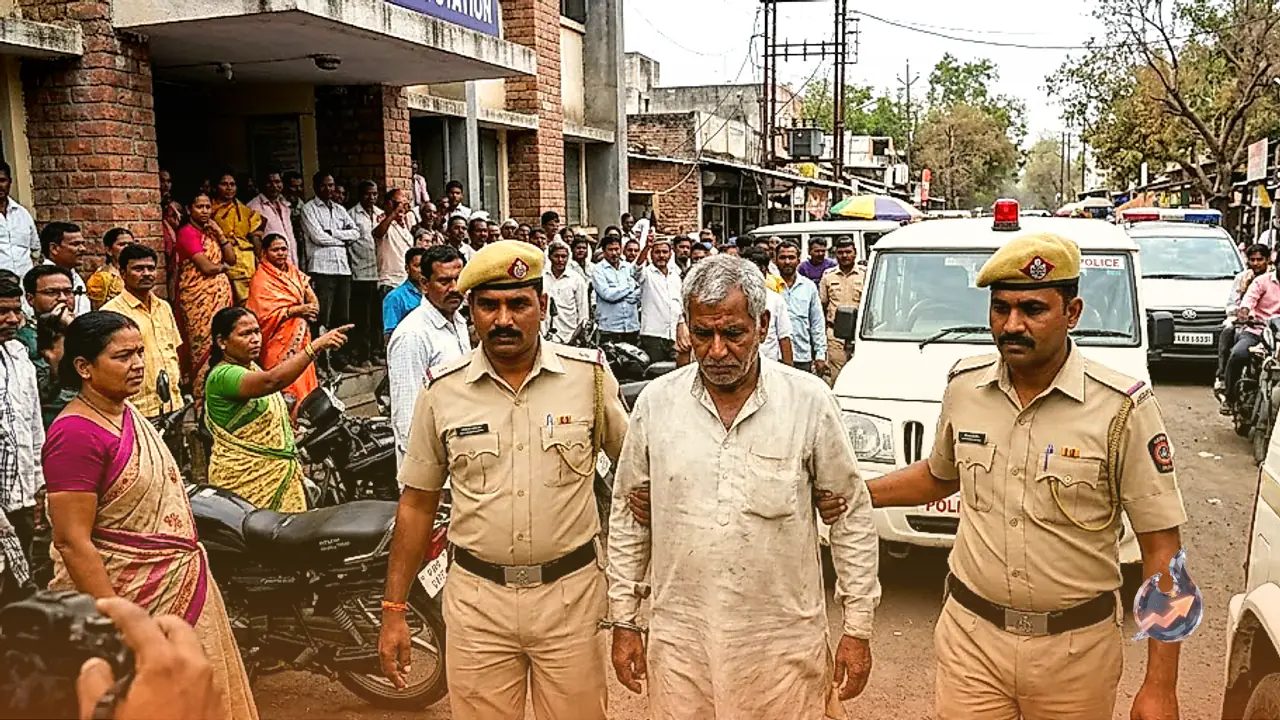
The NEET paper leak controversy initially centered on Education Minister Dharmendra Pradhan, who faced intense scrutiny over administrative shortcomings. However, as nationwide student protests expanded, accusations of harsh police action against demonstrators shifted the spotlight toward Home Minister Amit Shah. The escalating street protests placed substantial pressure on the central government, leading to heightened demands for the Education Minister's resignation. The movement transformed from an academic grievance into a major political confrontation, altering the dynamic between the government and the opposition within Parliament.
Legislative Roadblocks and the FCRA Bill Reference
Beyond the NEET dispute, the current parliamentary session highlighted significant legislative hurdles for the ruling alliance. A notable instance was the foreign contribution regulation legislation, commonly known as the FCRA Bill. Despite possessing a comfortable numerical majority in the Lok Sabha, the government was unable to secure the smooth passage of the bill. Under mounting pressure from opposition benches, the bill was ultimately referred to a Joint Parliamentary Committee for further scrutiny. This development underscores the parliamentary resistance that the administration has encountered on key legislative matters.
Implications for the Upcoming Uttar Pradesh Political Battle
The ongoing tussle in New Delhi is closely linked to the evolving political dynamics in Uttar Pradesh. While the Bharatiya Janata Party faces fresh political tests in the state, its organizational framework remains formidable. The opposition Samajwadi Party is focused on crossing the one-hundred seat threshold, whereas the ruling party aims to secure more than two hundred seats to retain its dominant position. Regarding the Congress party, while public interest in Rahul Gandhi's initiatives has grown, the party's ground organization remains underdeveloped. Without a robust local apparatus, contesting elections independently is unlikely to yield substantial electoral gains for the party in the region.
Communications Strategy and Media Operations Under Scrutiny
An examination of the events over the past fortnight reveals that the ruling party's communication setup faced notable challenges in countering the opposition's narrative effectively. The messaging apparatus appeared relatively slow in reacting to fast-moving developments around the student protests. With the induction of a new national team, the party anticipates a revitalized communication framework capable of delivering quicker, more cohesive responses to political attacks as major state elections approach.