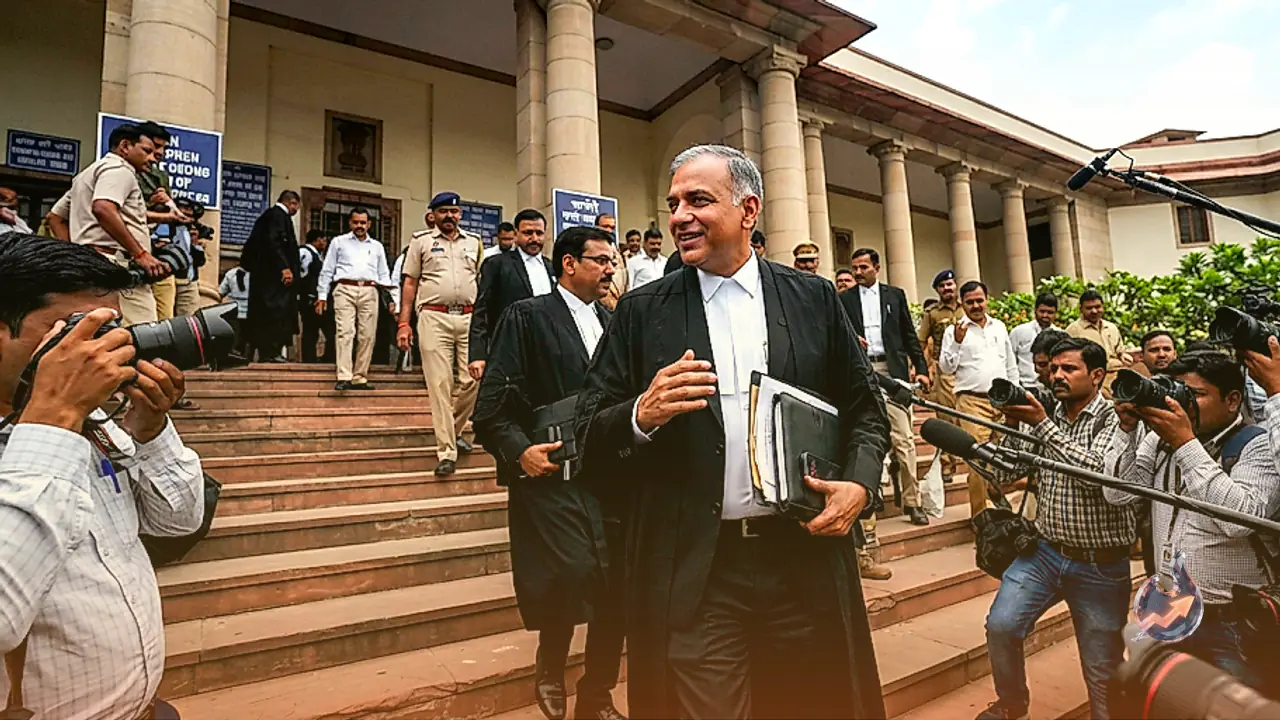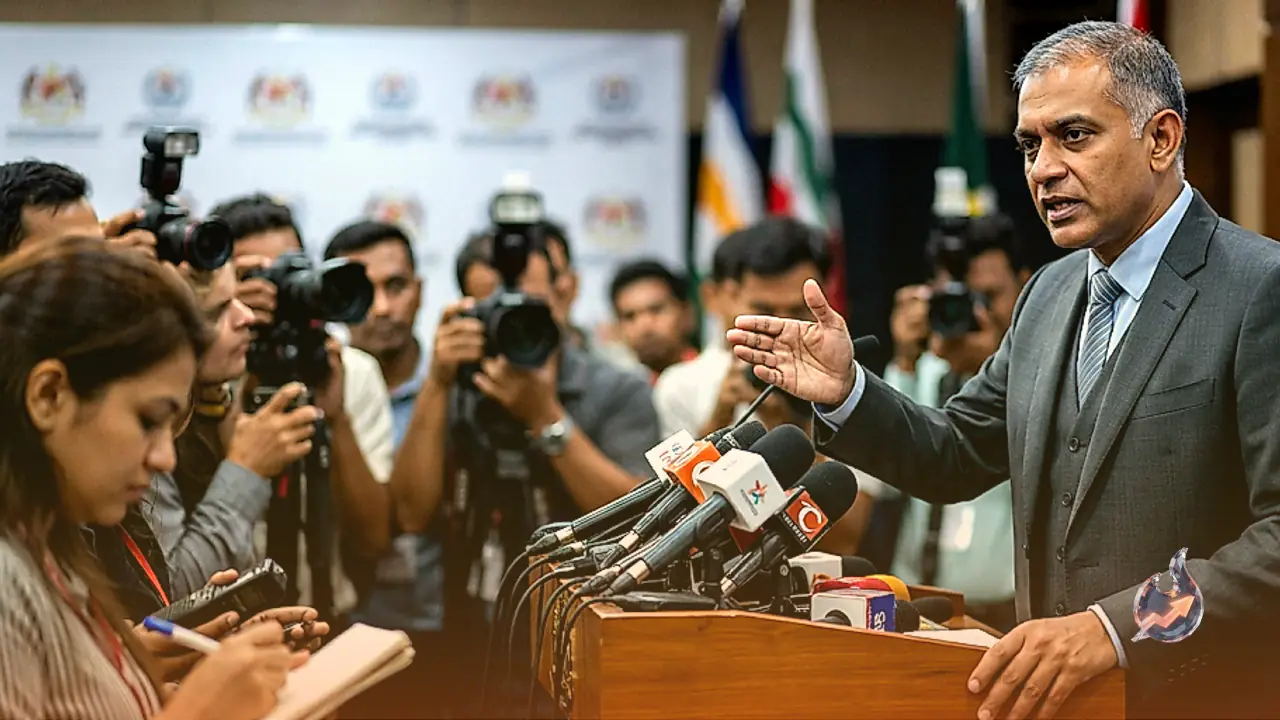

Leader of the Opposition in the Lok Sabha Rahul Gandhi has consistently launched sharp attacks on India economy and institutional framework across domestic platforms as well as international forums over the past several years. Ranging from descriptions of a dead economy to an economic disaster, his statements appear to move far beyond standard political criticism and seem aimed at impacting the country reputation on the global stage. The Bharatiya Janata Party and the ruling camp allege that these remarks form part of a deliberate strategy to defame India rather than mere political opposition. In his crosshairs is predominantly the 12-year-old BJP-led NDA administration under Narendra Modi, which succeeded the Congress-led UPA. The fundamental question remains when this continuous stream of rhetoric will finally come to a halt.
Raising Questions on Global Stages
The primary responsibility of an opposition leader is to criticize government policies, but when such criticism crosses national borders and presents India to international audiences as a dying economy or a nation plunging toward economic disaster, it transcends the boundaries of normal political debate. Numerous statements from Rahul Gandhi of this nature have emerged from foreign universities, international events, and media interactions. The ruling party asserts that these observations damage India standing before global investors, rating agencies, and the international community. Meanwhile, the government consistently presents India globally as the fastest-growing major economy, whereas the opposition leader remarks paint an entirely contrasting picture. This pattern continues to repeat itself persistently.
Backing the Dead Economy Narrative
In July 2025, Rahul Gandhi supported a statement by American President Donald Trump labeling India a dead economy, asserting that everyone except Prime Minister Narendra Modi and Finance Minister Nirmala Sitharaman knows the Indian economy is deceased. He termed Trump remarks factual and accused the BJP of destroying the economic framework. Subsequently, he reiterated dead economy rhetoric on multiple occasions. Although the primary statements were delivered domestically, his foreign tours encompassing Britain and Europe alongside a persistent negative stance on the economy at global forums only served to sharpen this criticism. The BJP condemned this as shameful and an insult to national achievements, pointing to growth projections from institutions like Goldman Sachs to question whether the opposition leader was rejecting global data entirely.
Describing an Economic Disaster in America
During a recent fireside chat at Columbia University in New York, Rahul Gandhi stated that India was sitting on top of an economic disaster. He highlighted widespread unemployment, a fractured manufacturing base, and systemic issues within the educational sector. His core allegation was that the economic model has ceased delivering results for nearly a decade. He also dismissed flagship initiatives such as Make in India and Startup India as entirely inadequate. According to his assessment, the backbone of the economy, comprising small and medium enterprises alongside agriculture, is broken, and the service sector alone cannot absorb everyone into employment. The BJP immediately countered by labeling him the leader of an anti-India propaganda campaign and accused him of tarnishing the nation image on foreign soil. Citing positive data from the World Bank and other agencies, the ruling camp emphasized that reality stands in stark contrast to his assertions.
Calling for a Fight Against the Indian State
During the inauguration of a new Congress party headquarters in Guwahati in January 2025, Rahul Gandhi declared that his struggle is not merely against the BJP and RSS, but directly against the Indian state. He alleged that the BJP and RSS have captured every single institution in the country, making the conflict a battle against the state itself. This declaration drew fierce condemnation from the BJP. Multiple leaders labeled it an open declaration of war against the Indian state and evidence of a mindset intent on dividing the country, with some linking the remarks to urban Naxal ideology and foreign agendas. Court complaints were subsequently filed in connection with this statement. Critics argue that an opposition leader responsibility is to critique the government rather than issue calls for a fight against the state and its foundational institutions.
Global Agencies View on the Economy
The factual reality is that international agencies and rating institutions regard India economy as robust, resilient, and among the fastest-growing major economies worldwide. Assessments from the IMF, World Bank, Goldman Sachs, Moody, S&P, and Fitch remain overwhelmingly positive. These entities point to domestic demand, the service sector, investment inflows, and structural reforms as primary growth drivers. India continues to be recognized as a rapidly expanding economic powerhouse. Global agencies maintain that the Indian economy rests on solid foundations and expands at a pace well above global averages. Terminology such as dead or disaster fails to align with these evaluations, as official data, projections, and comparative performance consistently present a distinctly positive outlook.
The Objective Behind the Rhetoric
Behind all these statements regarding a dead economy, economic disaster, and the fight against the Indian state, the ruling establishment perceives a single overarching objective, namely an attempt to defame the Modi administration and dislodge it from power. Rahul Gandhi statements continue to reflect this recurring pattern.