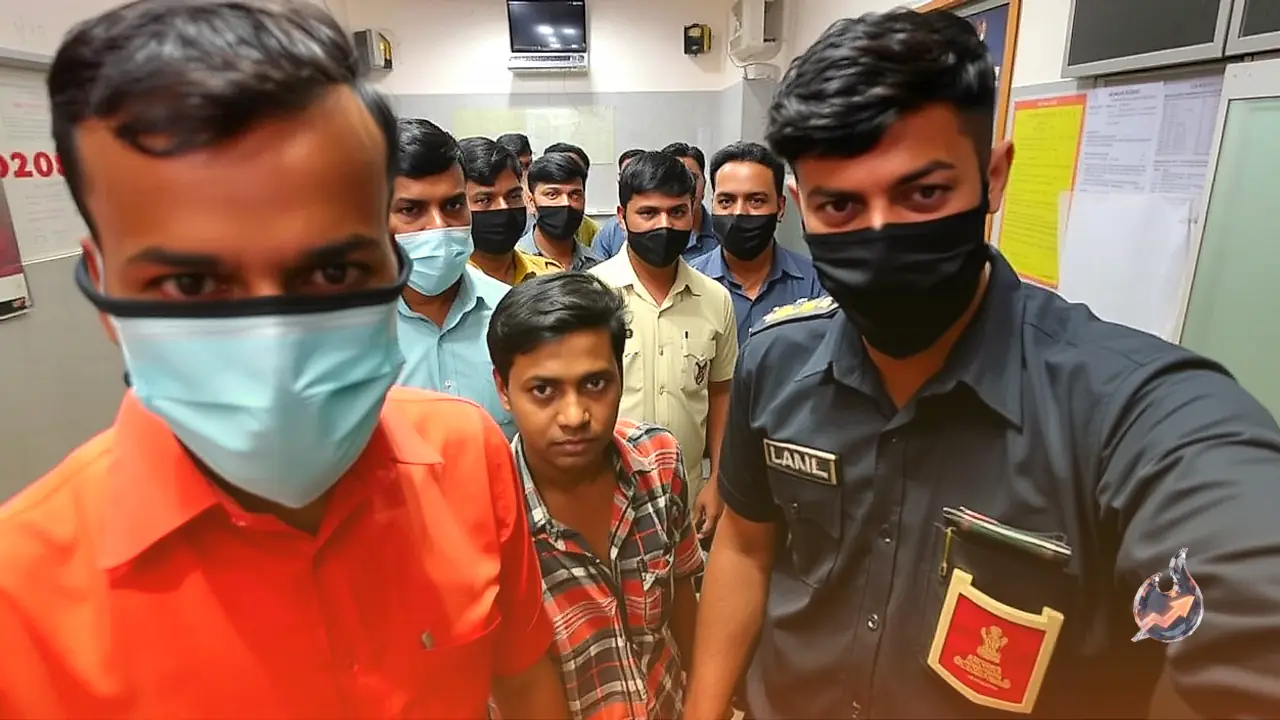
















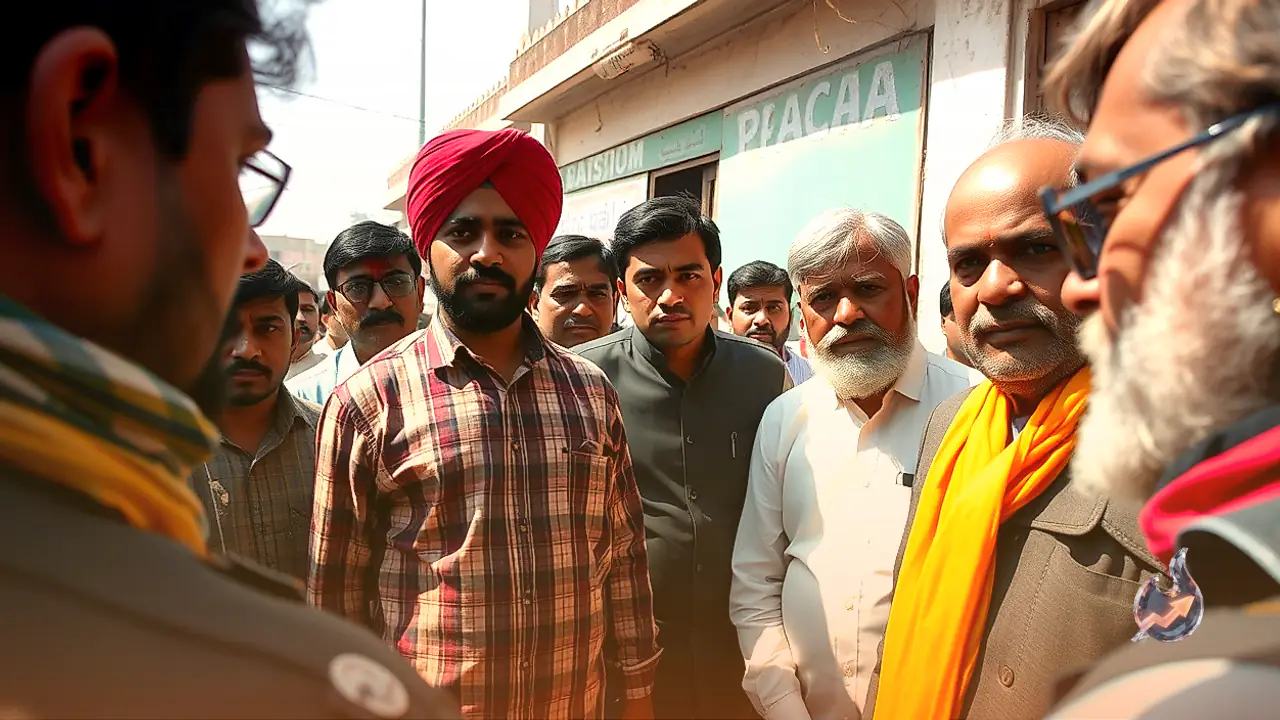

A palpable sense of panic has gripped the film industry following recent security threats. Authorities have successfully apprehended the three shooters involved in the attack on actor Tiger Shroff. Immediately after the incident, an individual named Anil Pandit claimed responsibility through a social media post, with investigators linking him to the Lawrence Bishnoi gang. Operating from California, Anil Pandit allegedly runs a network of shooters targeting individuals in India. Prior to this, shots were fired outside Salman Khan's residence, Baba Siddique was assassinated, and now Tiger Shroff has narrowly escaped harm. These recurring incidents have left prominent figures within the entertainment sector deeply concerned about their safety.
Security Measures at Sabarmati Jail and the Bishnoi Question
A central question remains whether the attack on Tiger Shroff was genuinely orchestrated by Lawrence Bishnoi. The gangster is currently imprisoned inside the high-security Sabarmati Jail. Doubts persist regarding whether an inmate can effectively direct criminal syndicates from behind bars. Although concrete evidence linking Bishnoi directly to this specific shooting is lacking, police maintain that he is held within a high-security isolation ward.
Strict Surveillance and Refutation of Phone Usage Rumors
Jail authorities, alongside the Gujarat ATS, maintain constant vigilance over him. No movement occurs without prior reporting to the ATS, and visitors are strictly prohibited. Past reports suggesting he used mobile phones inside prison have proven false. According to police records, no computer or communication device has ever been recovered from his possession within Sabarmati Jail. His legal counsel communicates with him exclusively via video conferencing. Furthermore, the specific block housing Bishnoi lacks mobile network connectivity. There is no verified proof connecting the deployed shooters directly to his syndicate.
Exploitation of Notorious Names by Overseas Operatives
Investigators assert that criminals operating from the United States and Canada frequently leverage the name of Lawrence Bishnoi. They invoke prominent figures like Salman Khan to maximize psychological terror within the film industry. However, film stars facing direct threats find it impossible to ignore the inherent risks. Incidents such as gunfire directed at Tiger Shroff's vehicle, attacks at Salman Khan's home, and the broad-daylight assassination of Baba Siddique are undeniable facts. Consequently, fear persists, and criminal elements actively exploit this apprehension. Law enforcement agencies face mounting pressure to dismantle these networks and provide tangible proof of their eradication.
Internal Dissension Within the Congress Party
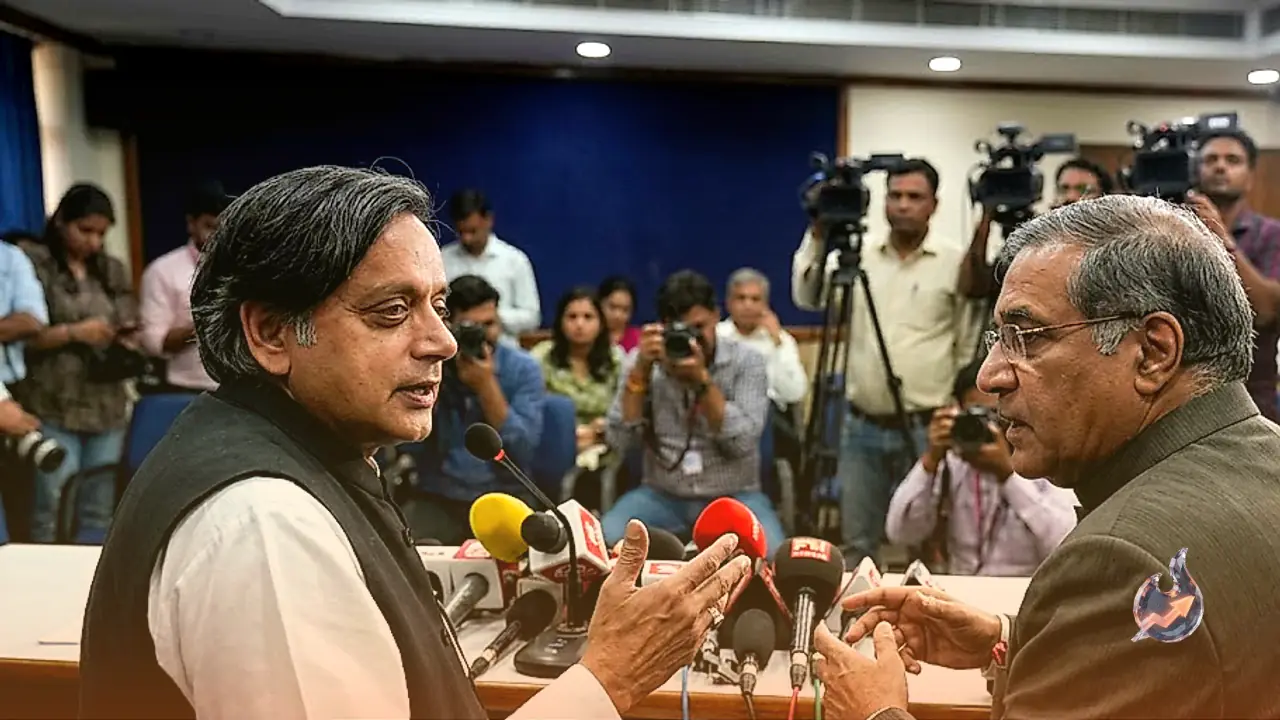
On the political front, internal debates have intensified as senior figures critique party trajectories. Veteran Congress leader Anand Sharma asserted that individuals dreaming of regime change fundamentally misunderstand democracy. He emphasized that democratic governments are elected by citizens, rendering concepts like regime change or coups foreign to India. He advised critics of the government to advocate for fair electoral processes rather than advancing absurd notions. Member of Parliament Shashi Tharoor echoed these sentiments, stating that political transitions occur solely through ballot boxes, and anyone comparing India's situation to Nepal or Bangladesh remains gravely mistaken.
Contrasting Perspectives Among Party Leadership
As experienced political figures who have witnessed global shifts, both leaders recognize that loose rhetoric regarding regime change exposes underlying intentions and alienates the public. They understand that the Indian electorate will never condone violent turmoil akin to events in Dhaka. The prevailing sentiment among most Congress members rejects violent ideologies, maintaining that the party's historic ethos is neither Leninist nor Maoist, nor does it support unconstitutional overthrows.
Unresolved Questions Regarding Political Associations
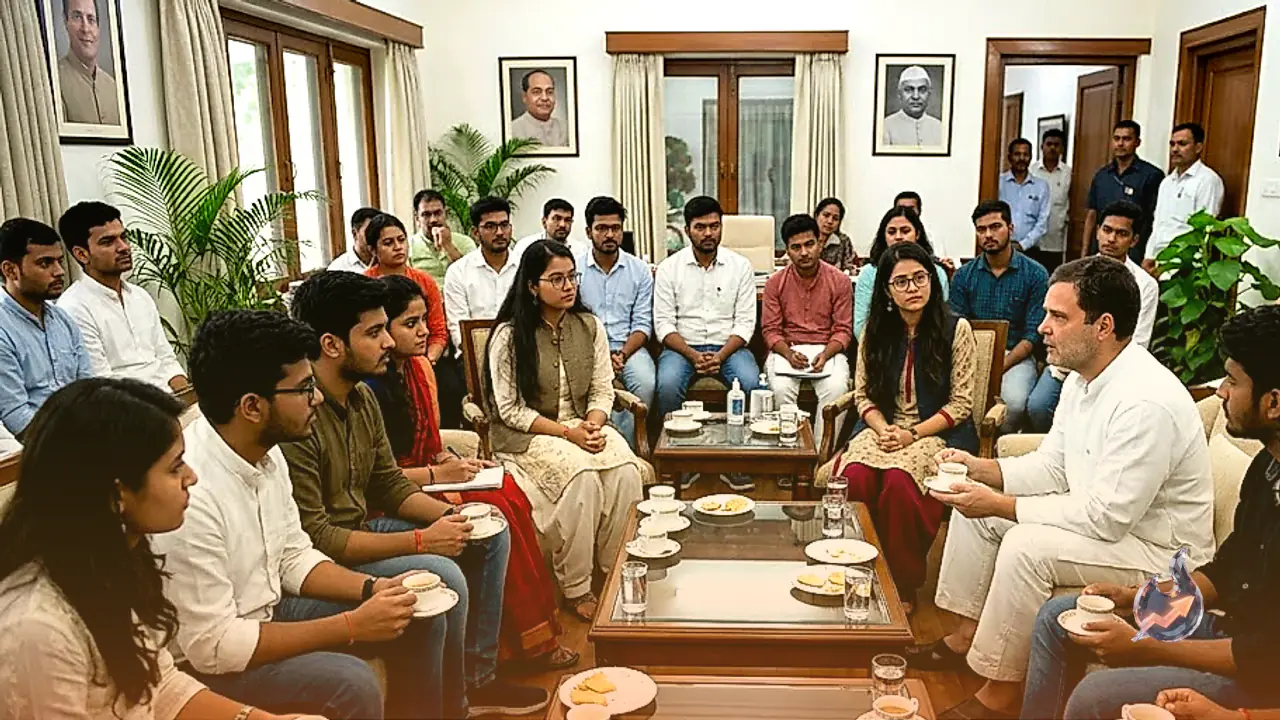
Despite these ideological disclaimers, party critics point out an apparent contradiction. Leadership faces persistent queries regarding why figures like Rahul Gandhi frequently associate with activists such as Neha Bora and Prashant Bhushan. Observers question the rationale behind supporting controversial student factions or surrounding leadership with individuals holding radical leftist viewpoints. These lingering associations continue to fuel political debate and demand internal clarity.