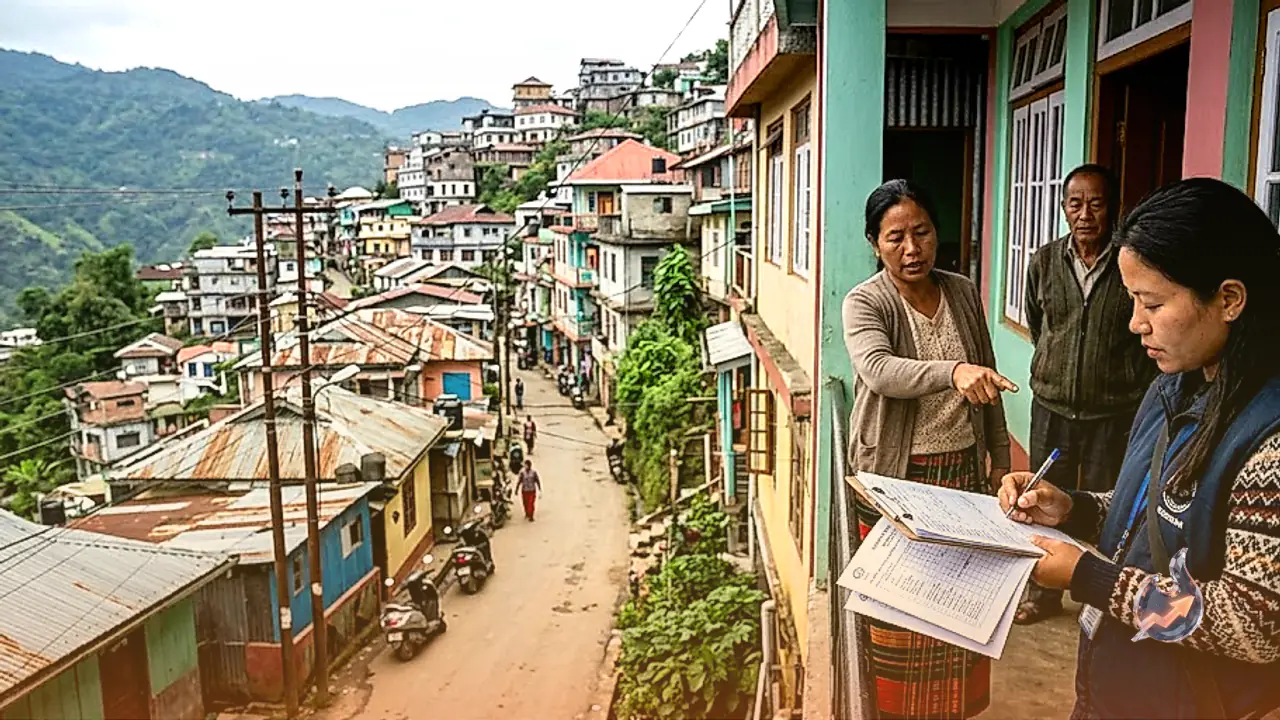



















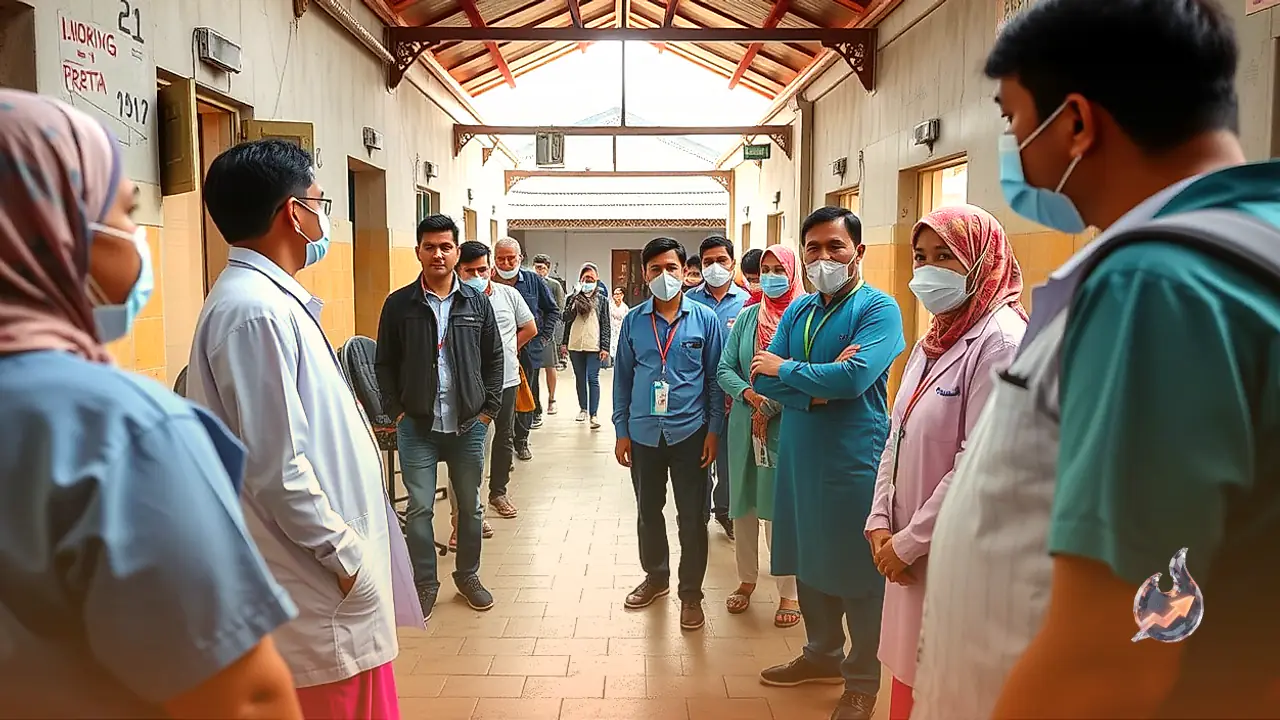

Mizoram continues to face a significant medical challenge due to a high burden of stomach, oesophagus, lung, and breast cancers. In response to this pressing health concern, the state administration is actively upgrading its diagnostic equipment, modernizing medical facilities, and training healthcare personnel to identify malignant conditions at earlier stages. Health Minister Lalrinpuii shared these updates on Tuesday, emphasizing that strengthening the diagnostic network is a top priority for improving patient outcomes throughout the region.
Streamlining Referrals and Medical Education
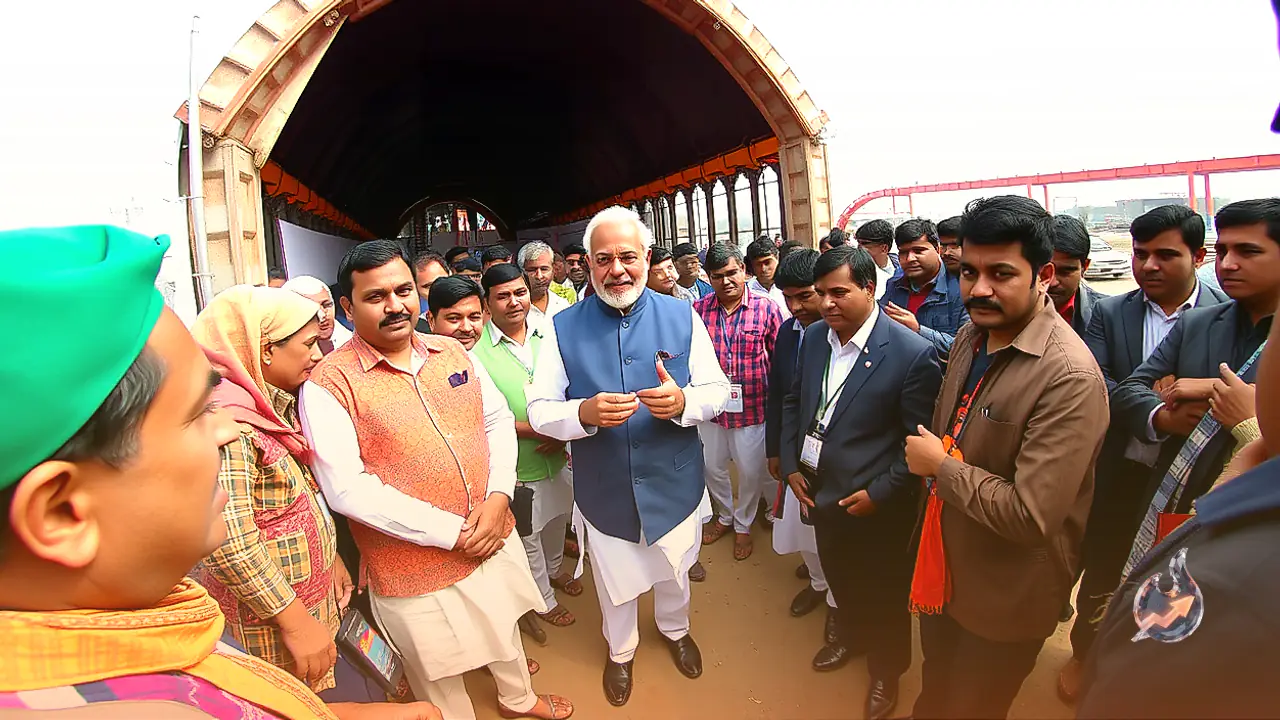
To ensure that patients reach specialized care without unnecessary delays, the official referral mechanism has been tightened significantly. The minister highlighted these ongoing healthcare improvements in connection with 'Scientific Fest 2026,' a continuous medical education program focused on breast cancer. The event took place on Monday at Zoram Medical College and Hospital and was successfully organized by the Scientific Forum.
Comprehensive Treatment and Early Intervention
Depending on the specific type and stage of the malignancy, patients may require a combination of surgical procedures, chemotherapy, and radiotherapy. Furthermore, palliative care and dedicated psychosocial support remain critical components for maintaining a better quality of life during and after treatment. Citizens have been strongly advised to consult a qualified physician immediately upon noticing any unusual bodily changes rather than resorting to self-medication, as early diagnosis effectively stops disease progression and improves survival rates.
Prevention Strategies and Community Involvement
On the preventative front, health authorities have recommended avoiding tobacco and alcohol consumption, maintaining a balanced diet, and incorporating regular physical activity into daily life, as detailed in a report. The minister underscored that tackling this public health issue cannot rest solely on the health department, calling for active participation from families, local communities, educational institutions, and churches to foster greater awareness among students and the wider public.