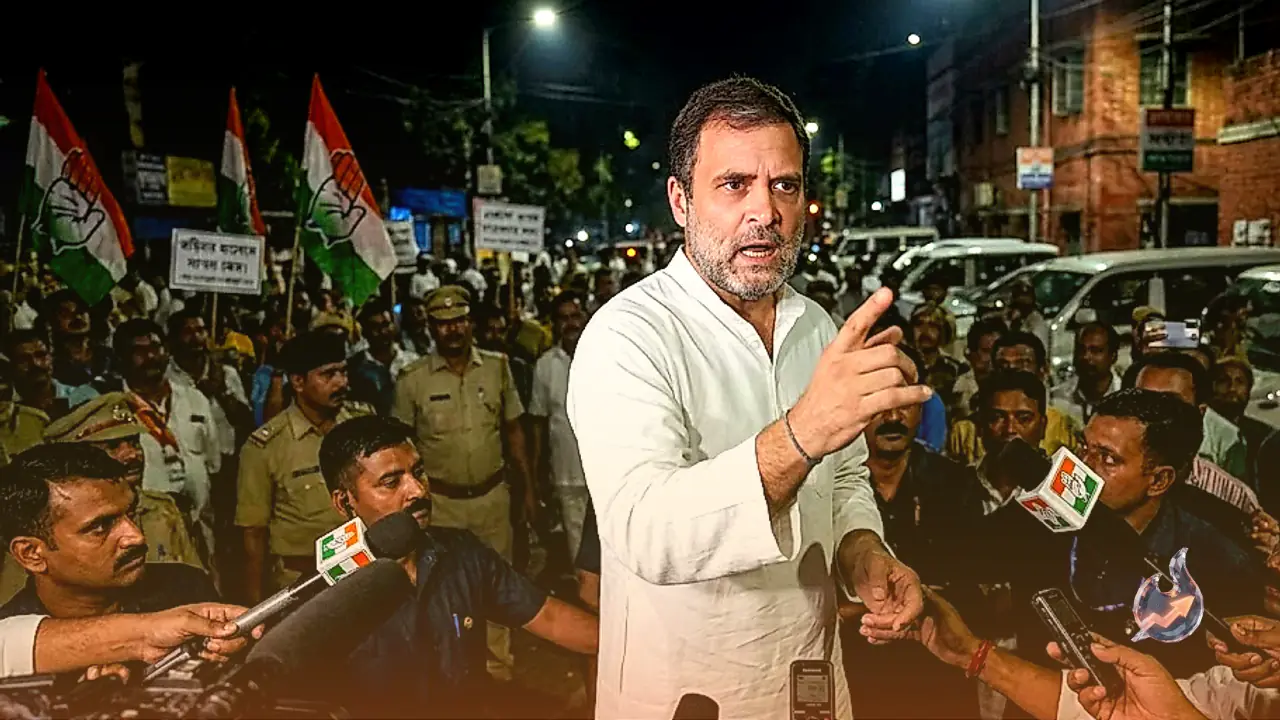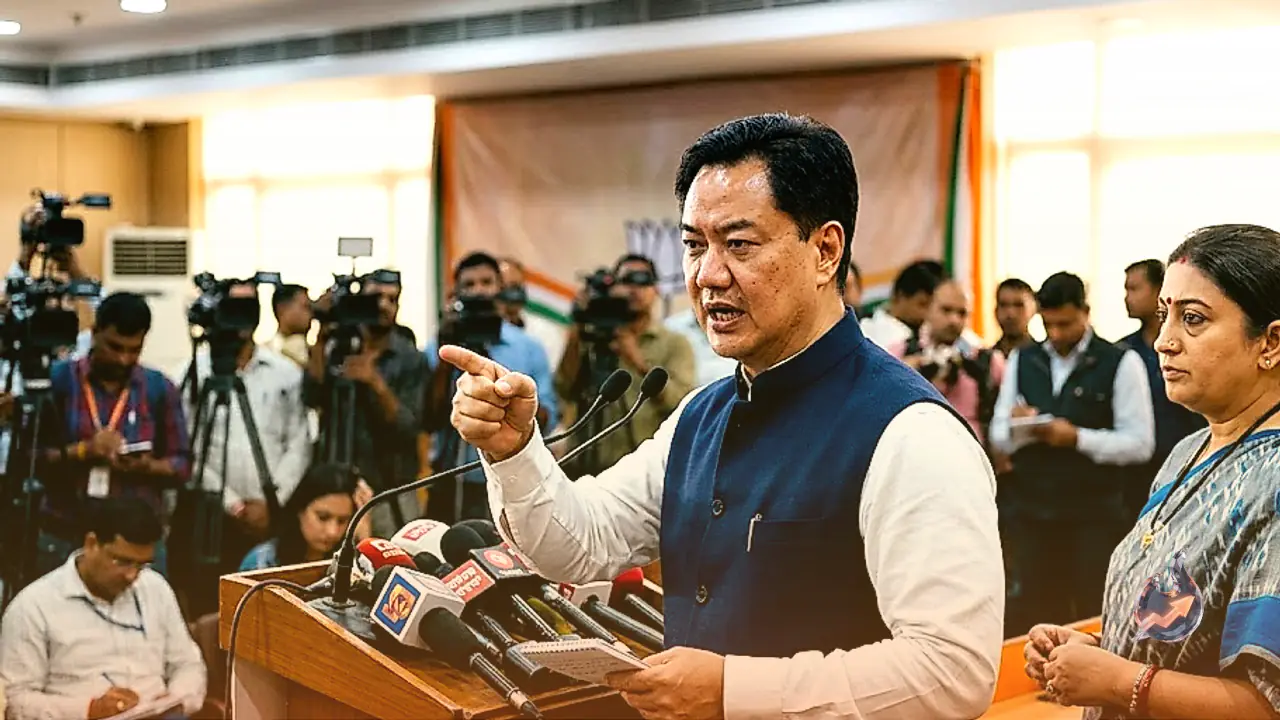



















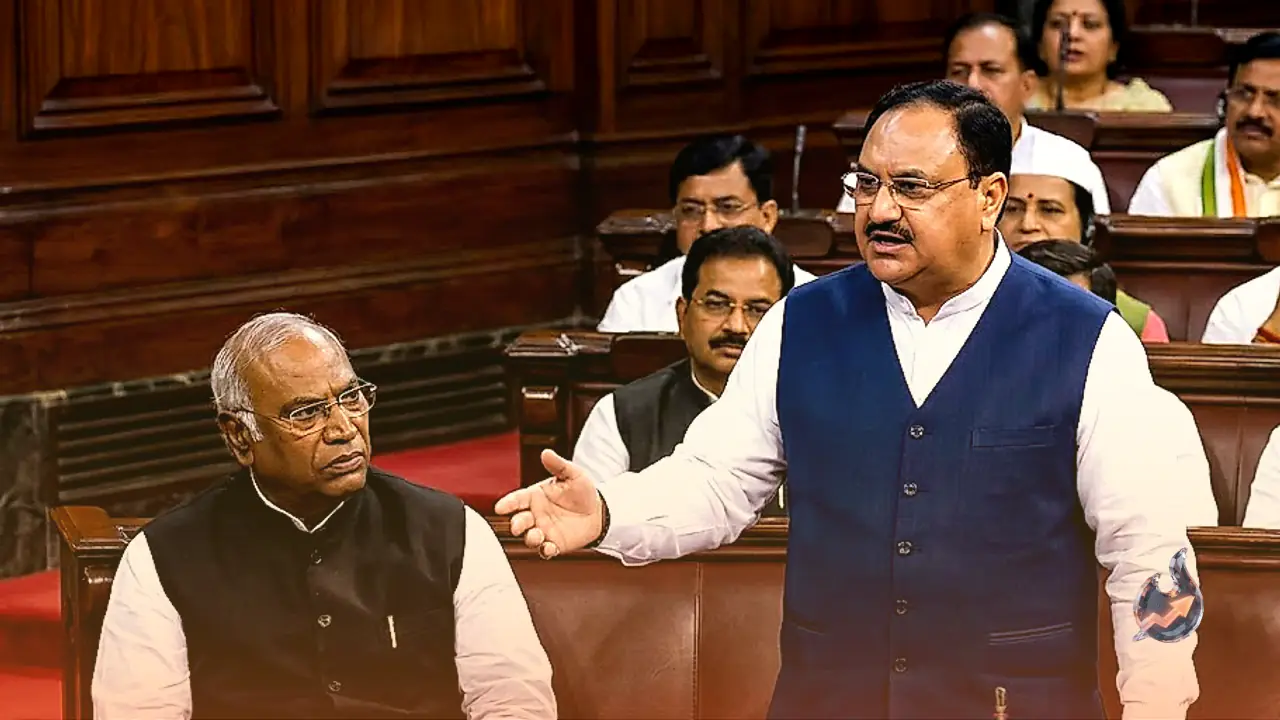

The ongoing 2026 Monsoon Session of Parliament witnessed fierce political confrontation in the Rajya Sabha on Wednesday as opposition leaders and government ministers clashed over recent police action against student demonstrators. Raising the issue of protests connected to the NEET examination paper leak and rallies at Jantar Mantar, Leader of Opposition Mallikarjun Kharge targeted the central government, alleging that civil liberties and democratic institutions were facing significant threats. In response, Union Minister JP Nadda defended the actions of law enforcement authorities, characterizing the police intervention as a routine administrative effort to maintain public order while accusing the opposition of attempting to sensationalize the event for political gain.
Stormy Debates in Rajya Sabha Over Student Demonstrations
Parliamentary proceedings during the 2026 Monsoon Session have been repeatedly disrupted by contentious discussions regarding the NEET exam paper leak controversy and public demonstrations organized in the capital. The confrontation in the Upper House escalated following events from the previous week, when Delhi Police officers took action to stop a student protest march heading toward the Parliament building. Bringing these developments to the floor of the Rajya Sabha, Congress President and Leader of Opposition Mallikarjun Kharge voiced strong objections to what he described as excessive force used against peaceful demonstrators.
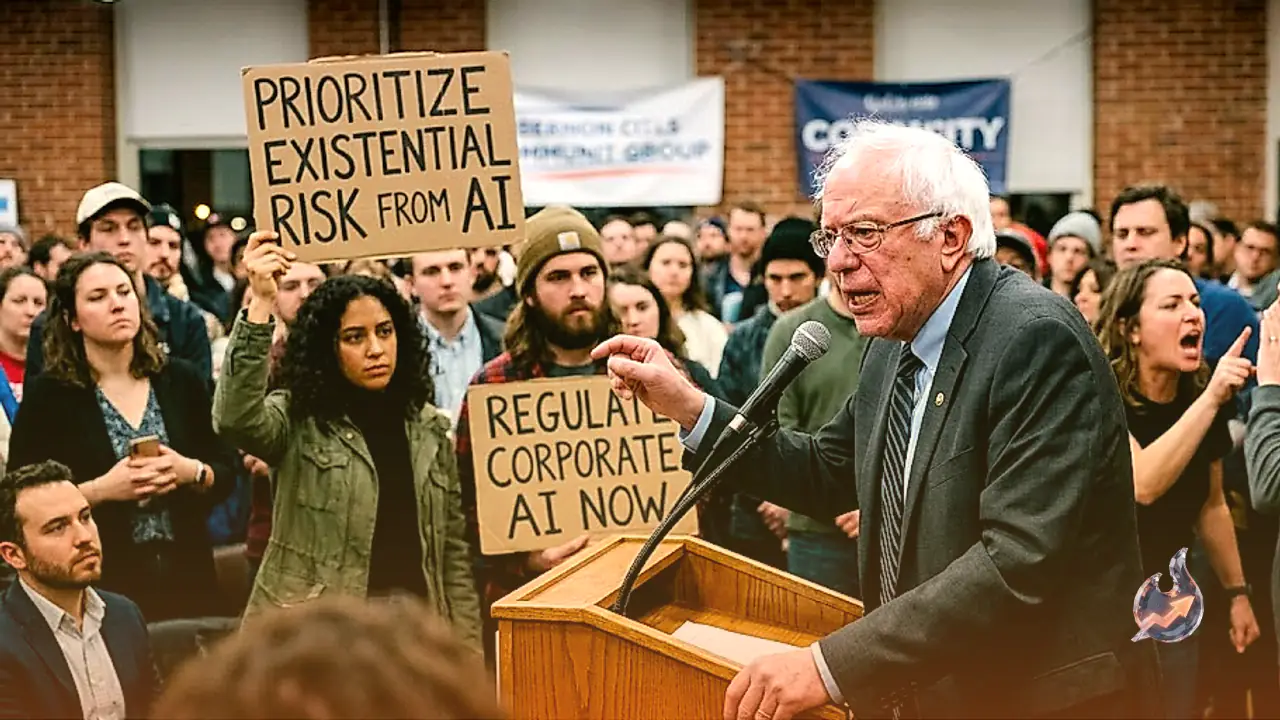
Highlighting specific incidents during the police crackdown, Kharge questioned the legal basis of officer conduct during the march. Expressing concern over law enforcement operations, Kharge remarked, "जिन लोगों ने विरोध कर रहे छात्रों पर हमला किया, वे तो खुलेआम घूम रहें हैं." (Those who attacked the protesting students are roaming free.) He insisted that strict administrative measures must be taken against the personnel responsible for using force. Furthermore, the opposition leader highlighted the detention of Student Federation of India (SFI) activists and questioned the security intervention involving SFI leader Aishe Ghosh. Kharge asserted that law enforcement personnel entering the office of a recognized national political party represented a serious violation of institutional norms and undermined the democratic framework of the country.
The statements delivered by the opposition leader sparked widespread noise and protests across opposition benches, with several members joining Kharge in raising slogans. Demanding official accountability, opposition representatives urged Union Home Minister Amit Shah to issue a formal response regarding the police action and initiate disciplinary proceedings against the supervisory officers who authorized the measures against student groups.
Government Defense: Routine Maintenance of Law and Order
Responding to the allegations on behalf of the central government, Union Minister JP Nadda, speaking alongside Union Minister Jitendra Singh, dismissed the claims of state overreach and maintained that police personnel acted strictly within the boundaries of established law. Nadda explained to the house that law enforcement agencies executed their duties to ensure public safety and manage crowd movement during the demonstration near Parliament.
Addressing the assembly, Nadda stated, "यह कानून-व्यवस्था की एक बहुत ही सामान्य स्थिति थी जिसे हमें समझना होगा." (This was a very normal law and order situation that we must understand.) He pointed out that individuals who actively participate in political activism and public demonstrations must routinely anticipate administrative and police interventions of this nature. Nadda further criticized the opposition parties for inflating the severity of the incident, asserting that the opposition was intentionally amplifying routine security operations to create unnecessary public sensation.
JP Nadda Recalls Emergency Days to Contextualize Activism
To further illustrate his position regarding student activism and police intervention, Nadda drew upon his personal background in youth politics. He referenced his early career as an activist during the Emergency period imposed under the administration of the Congress party. Nadda mentioned that during his student days, his participation in political movements led to his arrest on multiple occasions by authorities.
Drawing a direct comparison with his past experiences, Nadda noted that facing detention or administrative restraint is a standard aspect of student activism across different political eras. He maintained that police operations during the recent march did not constitute extraordinary targeting or anti-democratic behavior. Despite the government's detailed explanation, the Rajya Sabha experienced persistent disruption, reflecting deep political divisions over student welfare, national examination integrity, and administrative policing policies.