





















When political debate strays from core governance issues and degenerates into personal character assassination, it marks a worrying decline in democratic norms. The political landscape of Tamil Nadu is currently witnessing a intense controversy following remarks made by DMK leader and former Deputy Chief Minister Udhayanidhi Stalin. In an attempt to politically corner Tamil cinema star and political leader Thalapathy Vijay, the name of acclaimed actress Trisha Krishnan was brought into the public discourse. Dragging an individual's private identity into political rivalries has triggered widespread criticism, with observers labeling it a display of political desperation.
The Thanjavur Demonstration and the Controversial Remark
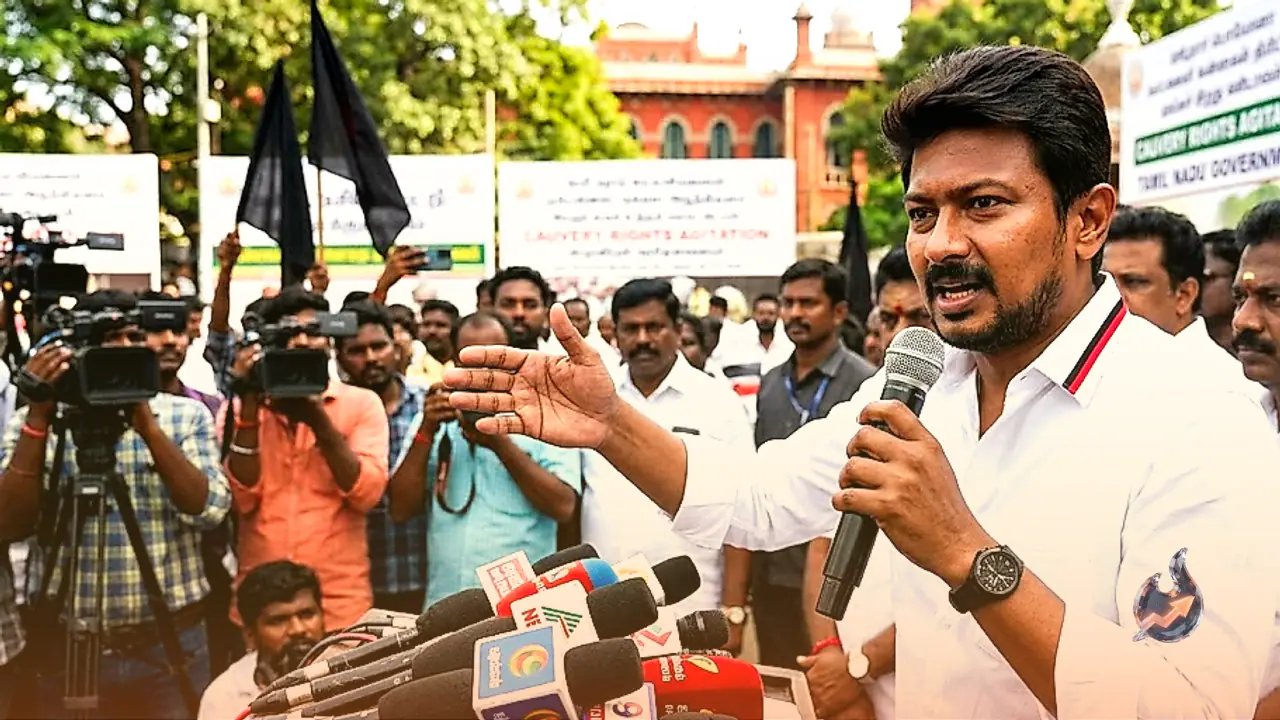
The controversy unfolded during a public demonstration organized in Thanjavur regarding the long-standing Cauvery water dispute. Addressing the gathering, Udhayanidhi Stalin made a sarcastic remark directed at Vijay by referencing his frequent screen co-star Trisha Krishnan, stating, "Whether water reaches here or not, it should reach there." Utilizing a platform meant for addressing a critical regional issue to make personal insinuations against a prominent woman actor has drawn sharp rebuke for undermining public debate.
Questions Over the 'Dravidian Model' and Respect for Women
The incident has highlighted stark contradictions regarding the political rhetoric surrounding the 'Dravidian model', which frequently emphasizes gender equality and respect for women. Trisha Krishnan has built a distinguished career over several decades purely on her professional merit. Utilizing her name as a tool for political mudslinging directly conflicts with claims of upholding female dignity and sets a concerning precedent for women in public and professional life.
A Missed Opportunity for Responsible Leadership
Political commentators note that Udhayanidhi Stalin had a clear opportunity to demonstrate mature and principled leadership when members of the audience first began chanting the actress's name. Had he immediately intervened from the podium to condemn personal slurs against women, it would have established a benchmark for constructive governance. Failing to curb the rhetoric on stage resulted in a missed moment to steer the political discourse toward mutual respect.
Diversion from Core Governance Issues
Electorates expect leaders to engage in substantive debates centered around economic growth, employment generation, educational infrastructure, public health, and administrative efficiency. Resorting to personal commentary regarding an opponent's personal associations reflects an inability to challenge rivals on policy grounds. Diverting public attention away from developmental challenges toward personal remarks alienates voters seeking concrete solutions.
Long-Term Implications for Political Discourse
The discerning electorate in Tamil Nadu evaluates political parties based on performance and policy vision rather than personal attacks. While political victories and losses are part of electoral dynamics, compromising public decorum risks damaging a party's long-term credibility. Sustaining political relevance requires engaging opponents in the policy arena rather than sacrificing personal dignity for short-term political gains.