





















Vishwanath Pratap Singh, widely known as V.P. Singh, is predominantly remembered in modern Indian history as the Prime Minister who implemented the Mandal Commission report, forever altering the landscape of national politics. However, long before he reached the highest office in the country, his tenure as the Chief Minister of Uttar Pradesh constituted one of the most intense, action packed, and highly controversial chapters in the state's political history. When he assumed power in the year 1980, Uttar Pradesh was grappling with a severe crisis of lawlessness. Known for his uncompromising administrative style and a deeply ingrained reputation for personal honesty, V.P. Singh decided to tackle the state's soaring crime rates head on. His term is heavily defined by an unprecedented and massive police crackdown on organized crime syndicates. Yet, this very crusade against criminals remains heavily shadowed by one of the most serious allegations of state violence in Indian political history, involving a staggering 418 alleged fake encounters.
The Reign of Terror in Chambal and Bundelkhand
To fully comprehend the sheer scale and ferocity of the police actions sanctioned during this era, it is essential to examine the grim ground reality of Uttar Pradesh in 1980. The vast, rugged terrains of Bundelkhand and the notorious ravines of the Chambal region had effectively become safe havens for heavily armed dacoit syndicates. These groups were far removed from ordinary criminals; they were highly organized, heavily armed militias that essentially ran parallel governments in the hinterlands. Incidents of kidnapping for exorbitant ransoms, brutal highway robberies, and daylight murders had become paralyzingly common. The local civilian population lived in a perpetual state of terror, while the local law enforcement machinery often appeared completely outgunned and helpless against the geographical advantage and firepower of these outlaws. Upon taking the oath as Chief Minister, V.P. Singh made it his administration's paramount and immediate objective to dismantle this deeply entrenched network of terror. The public pressure to restore a secure environment was immense, which ultimately laid the groundwork for a highly aggressive, militarized anti dacoity strategy.
A Relentless Police Crackdown and Free Rein
Immediately after taking the helm of the state, V.P. Singh issued clear, uncompromising, and direct orders to the Uttar Pradesh police force. The mandate was simple yet brutal: the dacoit menace had to be completely eradicated from the state at any given cost. What followed was a massive mobilization of law enforcement resources, with heavy deployments directed towards the most severely affected districts. The state government effectively gave the police a free hand to engage proactively with the criminal gangs. Over the subsequent months, this resulted in a relentless wave of intensive combing operations deep within the treacherous ravines and forested terrains. Consequently, numerous notorious and long sought dacoits were either gunned down in fierce, protracted gunfights or apprehended. The state government proudly presented these mounting statistics as a monumental and historic victory for law and order. For a brief period, the administration was widely lauded by the terrified public for successfully restoring a semblance of peace in regions that had long been surrendered to absolute lawlessness. However, this period of unchecked police authority soon began to attract intense and highly critical scrutiny from political opponents and civil rights observers.
The Explosive Allegation of 418 Fake Encounters
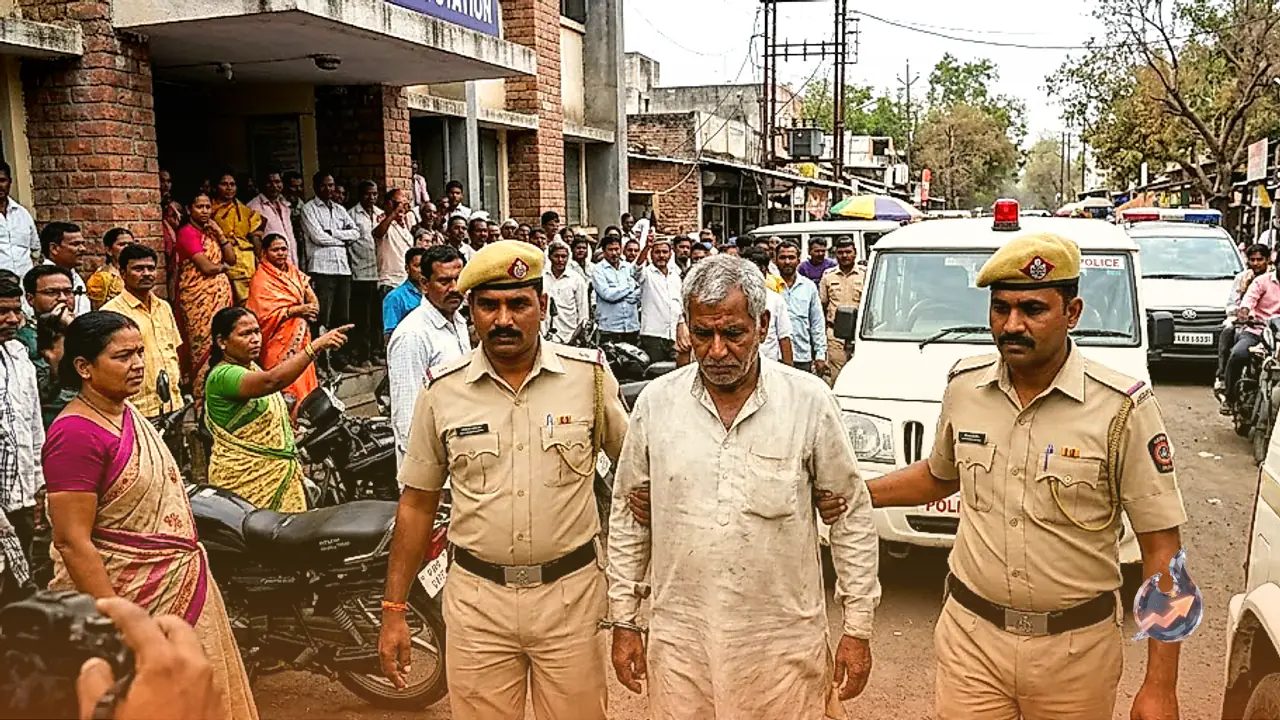
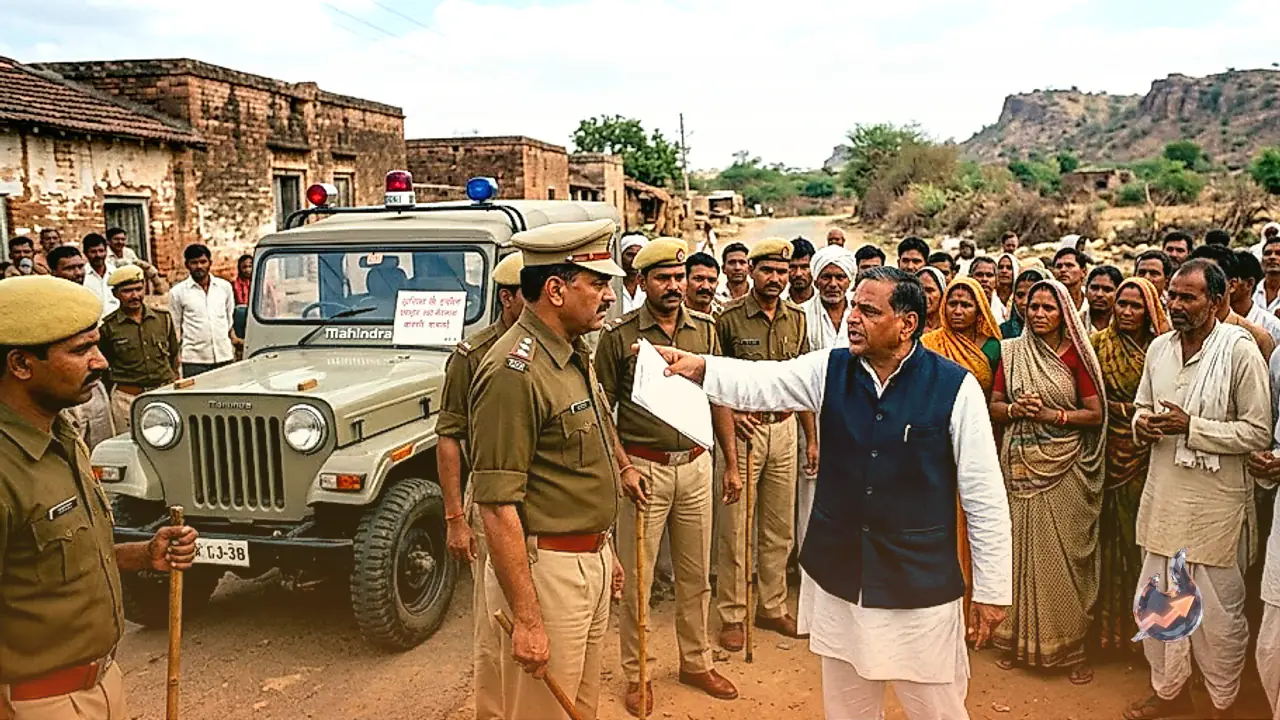
The triumphant narrative of a heroic, unyielding police force restoring absolute order was sharply and dramatically challenged when the political opposition began systematically compiling reports directly from the ground. The most devastating political blow to V.P. Singh's celebrated anti crime crusade was delivered by a rising, formidable socialist leader of the time, Mulayam Singh Yadav. Operating as a highly vocal and strategic opposition figure, Yadav meticulously gathered extensive data from various districts and presented a shocking, comprehensive list directly to the Governor of Uttar Pradesh. This explosive document contained the specific details of 418 police encounters that the opposition vehemently claimed were entirely staged or fake. The core of the allegation was that in the administration's frantic rush to produce tangible results and completely eliminate the dacoit threat, the police force had systematically bypassed the established judicial system. The opposition claimed that in many instances, innocent villagers, political opponents, or marginalized individuals were brutally killed and subsequently falsely labeled as dreaded criminals. It is highly important to note that these 418 specific cases were never collectively proven as fake by any official court of law or judicial commission, but the sheer volume and gravity of the accusation sent massive shockwaves through the entire political establishment of the country.
The Political Storm from Lucknow to New Delhi
The formal submission of this extensive list to the Governor instantly transformed a regional law and order dispute into a massive, full blown national political crisis. The Uttar Pradesh Legislative Assembly witnessed deafening uproar and chaotic scenes as aggressive opposition leaders cornered the ruling government, demanding absolute accountability, immediate resignations, and impartial judicial probes into the mounting civilian casualties. The intense political debate did not remain safely confined to the state capital of Lucknow; the loud echoes of these 418 disputed encounters rapidly reached the highest halls of the Parliament in New Delhi. National political leaders found themselves fiercely debating the incredibly fine line between maintaining robust state security and upholding fundamental human rights. The V.P. Singh government found itself in a position of constantly defending its police force on multiple fronts, repeatedly arguing that the extraordinary, violent circumstances of the dacoit reign fundamentally required extraordinary, harsh, and decisive measures. The opposition, conversely, maintained a firm stance that democratic governance could never tolerate systematic extrajudicial executions operating under the convenient guise of public safety.
A Chilling Defense of State Actions
Amidst the raging national controversy and the mounting pressure regarding human rights violations, V.P. Singh made a profound statement that would eventually go down in history as one of the most chilling, memorable, and definitive remarks ever made by an Indian politician regarding state sponsored violence. Addressing the severe accusations and the heavy moral burden of his government's aggressive actions, he reportedly stated with firm conviction in a conversation, "My hands are stained with blood, but with the blood of criminals." This single, powerful sentence perfectly encapsulated his entire overarching philosophy of strict governance during that highly turbulent period. For his staunch political supporters, this defiant declaration was the ultimate, undeniable proof of a strong willed leader who was entirely willing to take incredibly tough, highly unpopular decisions and personally bear the immense moral weight required to fiercely protect the innocent public. Conversely, for his political critics and dedicated human rights advocates, the infamous quote served as a deeply disturbing, brazen admission of intentionally bypassing the constitutional rule of law and openly endorsing extrajudicial police killings.
Assessing the Historical Impact and Complex Legacy
Many decades later, the complex legacy of V.P. Singh’s action packed tenure as the Chief Minister of Uttar Pradesh remains a deeply contested and highly debated subject among historians. He would successfully go on to hold the immensely crucial portfolios of Finance and Defence at the central government level before finally ascending to the Prime Minister's office, steadily building a formidable, almost unassailable reputation for absolute personal honesty and political integrity. Yet, whenever the turbulent history of policing, crime, and politics in Uttar Pradesh is critically analyzed, the dark ghost of the 418 alleged encounters inevitably resurfaces to complicate his legacy. Political analysts, sociologists, and historians continually view this specific era as a highly critical case study illustrating the eternal, unresolvable conflict between aggressive, results oriented crime control and strict human rights accountability. It undoubtedly set a lasting precedent for the state's complex, ongoing relationship with an aggressive encounter culture, a highly polarizing debate that continues to resonate powerfully in modern Indian politics today. Ultimately, the gripping historical story of V.P. Singh in 1980 is not merely about the physical eradication of rural dacoits; it stands as a profound, cautionary narrative exploring the ultimate moral price of state sponsored peace and the fragile ethical boundaries of immense political power.