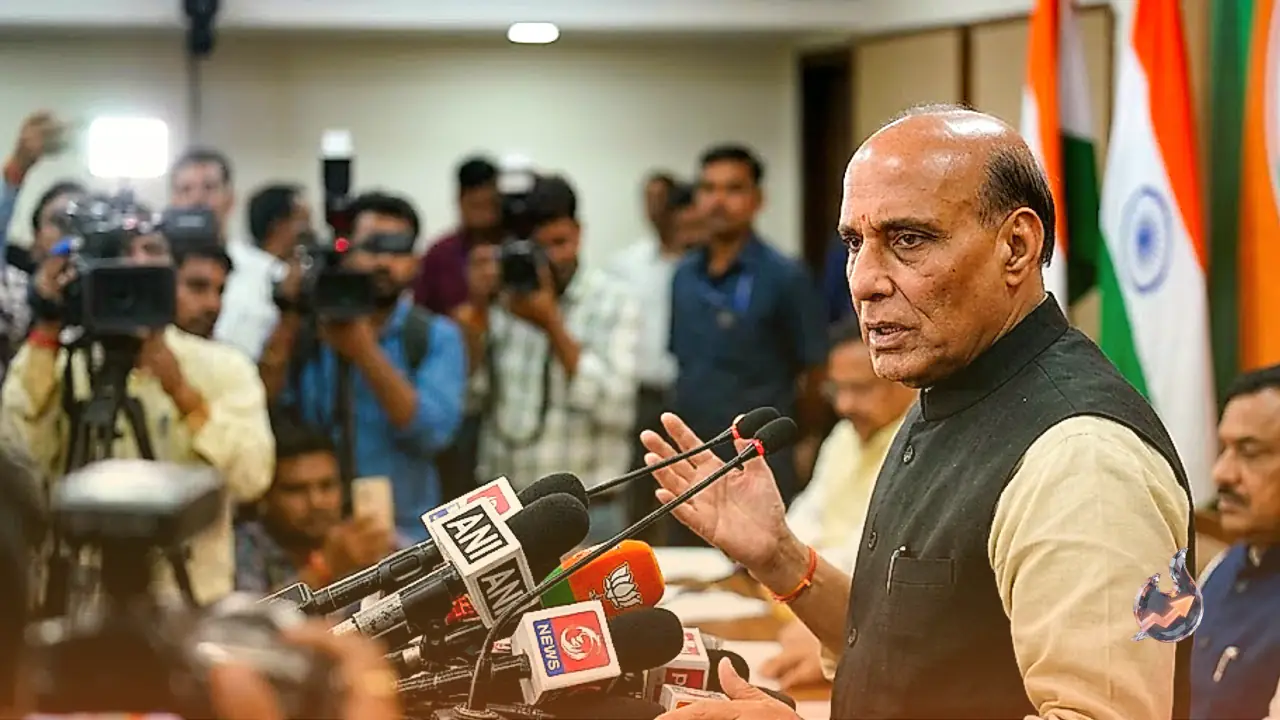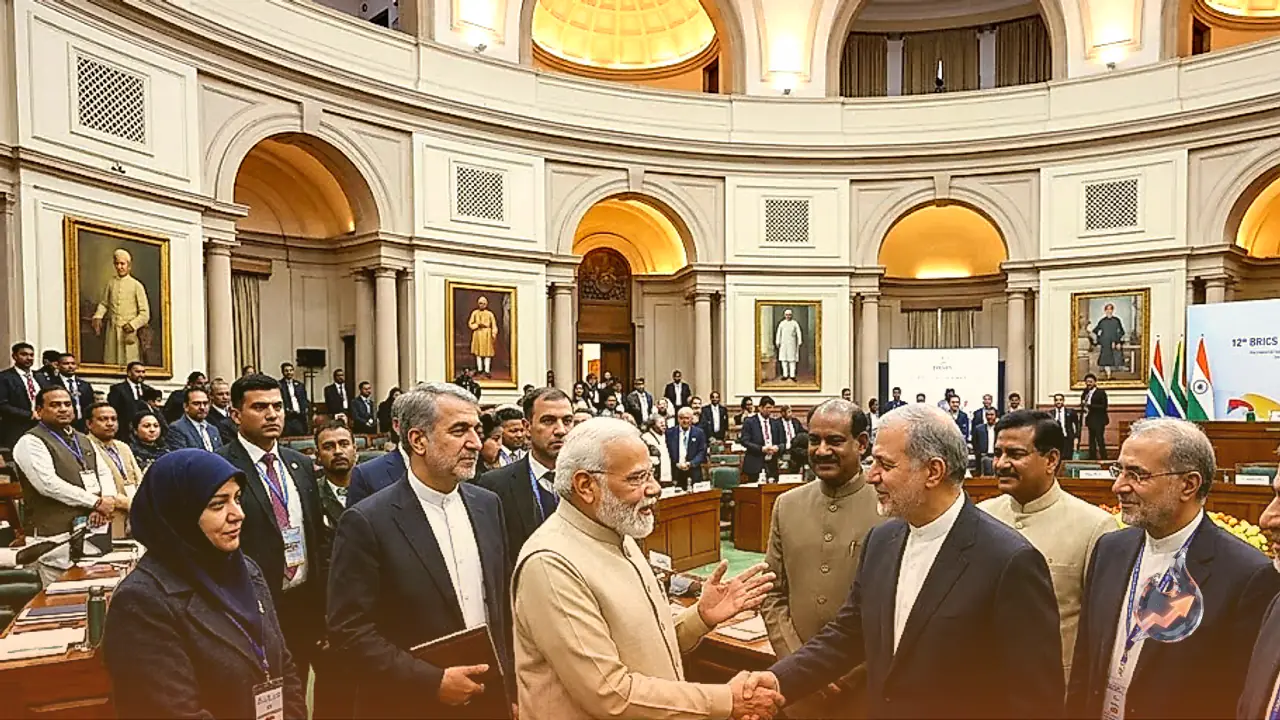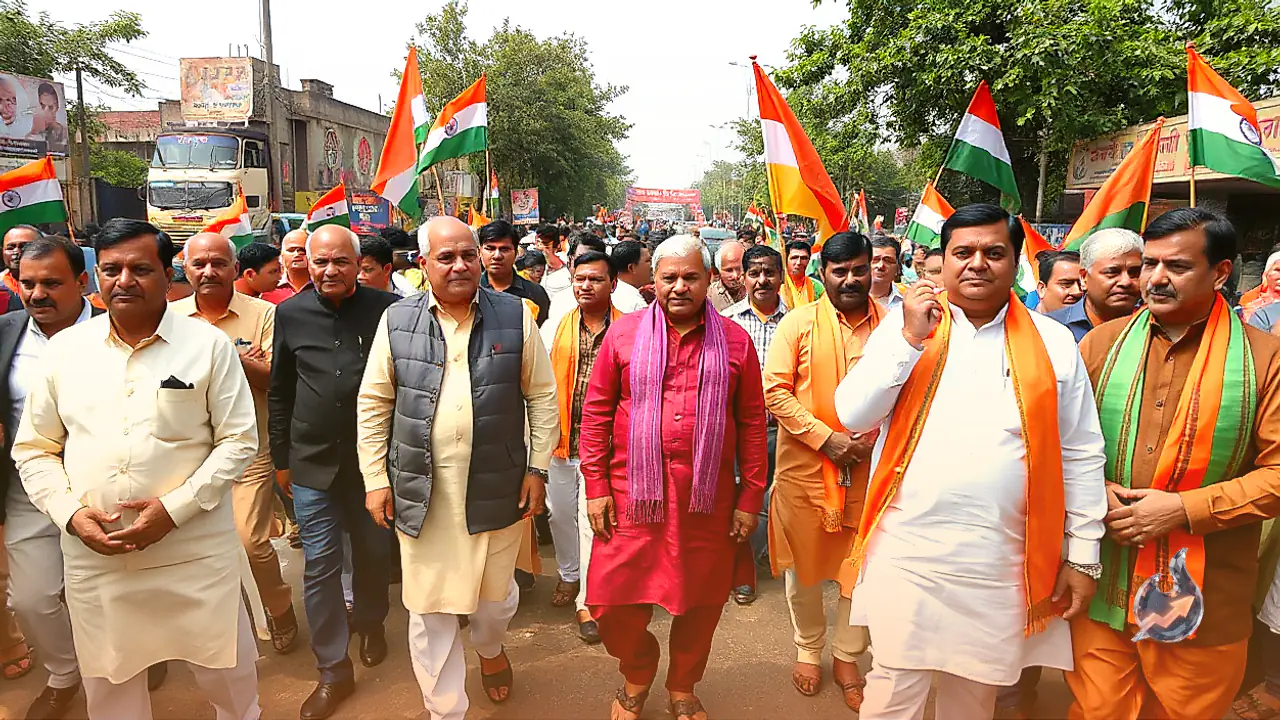



















Shiv Sena (UBT) has launched a sharp attack on Rashtriya Swayamsevak Sangh chief Mohan Bhagwat over his recent remarks, demanding that if the RSS leadership wants to give credibility to its global message of 'one humanity' abroad, those tolerant principles must first be actively practiced and implemented within India's domestic socio-political landscape.
The controversy stems from Bhagwat's recent address in New York, where the RSS chief invoked 'Vasudhaiva Kutumbakam' and declared that if any Hindu feels Muslims should not exist in India, that person is not a Hindu at all.
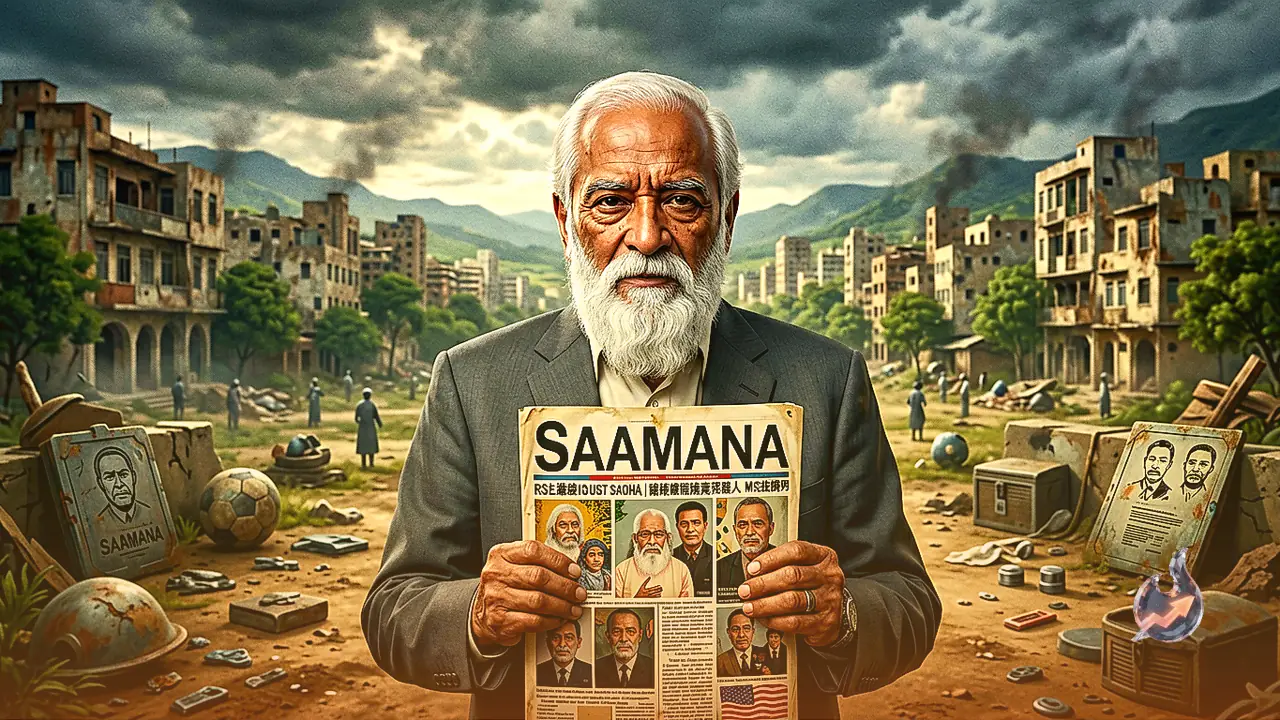
In an editorial published in the Shiv Sena (UBT) mouthpiece 'Saamana', the Thackeray camp described the restrained vocabulary used by Bhagwat in the United States as a calculated attempt tailored to align with Western democratic norms and global human rights frameworks, arguing that these statements stand in sharp contrast to ground-level developments within India.
The Thackeray faction accused leaders of the Bharatiya Janata Party at the centre and across various states of creating an environment of systemic exclusion of minority communities, claiming their actions directly contradict Bhagwat's public stance on Hindu-Muslim coexistence.
Citing an alleged purification ritual reportedly organized by local BJP workers in Haldwani, Uttarakhand, following a public address by Congress president Mallikarjun Kharge, the editorial pointed to it as evidence of a clearly polarized domestic environment driven by political motives.
The editorial also drew attention to what it termed the selective global stance of the RSS, criticizing its silence on major international humanitarian crises, including civilian casualties in Gaza, and suggesting it reflects shifting geopolitical calculations rather than universal human rights.
Targeting the ideological narratives presented during the US tour, the editorial alleged that the RSS chief deliberately shifted focus away from Lord Ram to evade uncomfortable questions related to domestic governance and financial accountability.
The Uddhav Thackeray-led party claimed that the political utility of the Ram temple movement has ended for the ruling establishment and accused supporters linked to the Sangh's sphere of influence of financial mismanagement concerning the Ayodhya temple project.
The editorial alleged that the Hindu community in America donated heavily for the construction of the Ram temple in Ayodhya, but neither Prime Minister Narendra Modi nor the Sarsanghchalak commented on this alleged misappropriation, asserting that Bhagwat avoided accountability on US soil by speaking about Krishna's thoughts instead of Lord Ram.
Highlighting parallels amidst ongoing global political developments, the faction noted that while Prime Minister Narendra Modi participated in high-level talks in Tashkent to elevate India-Uzbekistan ties to a comprehensive strategic partnership, Bhagwat's US tour, organized as part of RSS centenary events, drew active protests, political opposition, and intense scrutiny over the gap between international rhetoric and domestic reality.
Citing foundational principles of the Bhagavad Gita, the editorial concluded that true spiritual authority requires selflessness, equanimity, and the eradication of ego rather than social divisions or political posturing, urging the RSS leadership to align its global preachings with meaningful actions at home.