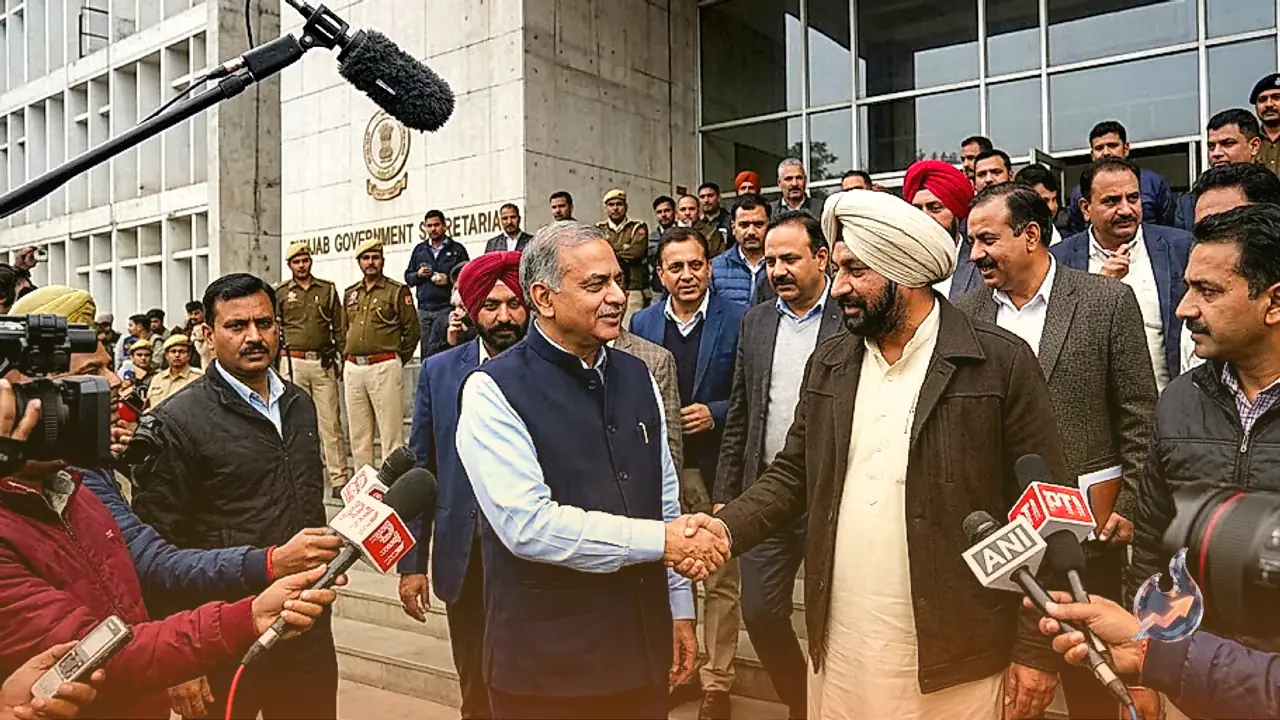

























The Punjab government, under the leadership of Chief Minister Bhagwant Mann, has taken a decisive step towards elevating mental healthcare standards across the state. By nominating 11 non-governmental members to the State Mental Health Authority (SMHA), the administration aims to inject professional expertise and citizen representation into its healthcare framework. This structural expansion is designed to safeguard the legal and human rights of individuals struggling with psychological ailments, ensuring a more transparent, compassionate, and highly accountable system of governance.
A New Era for the Mental Healthcare Act of 2017
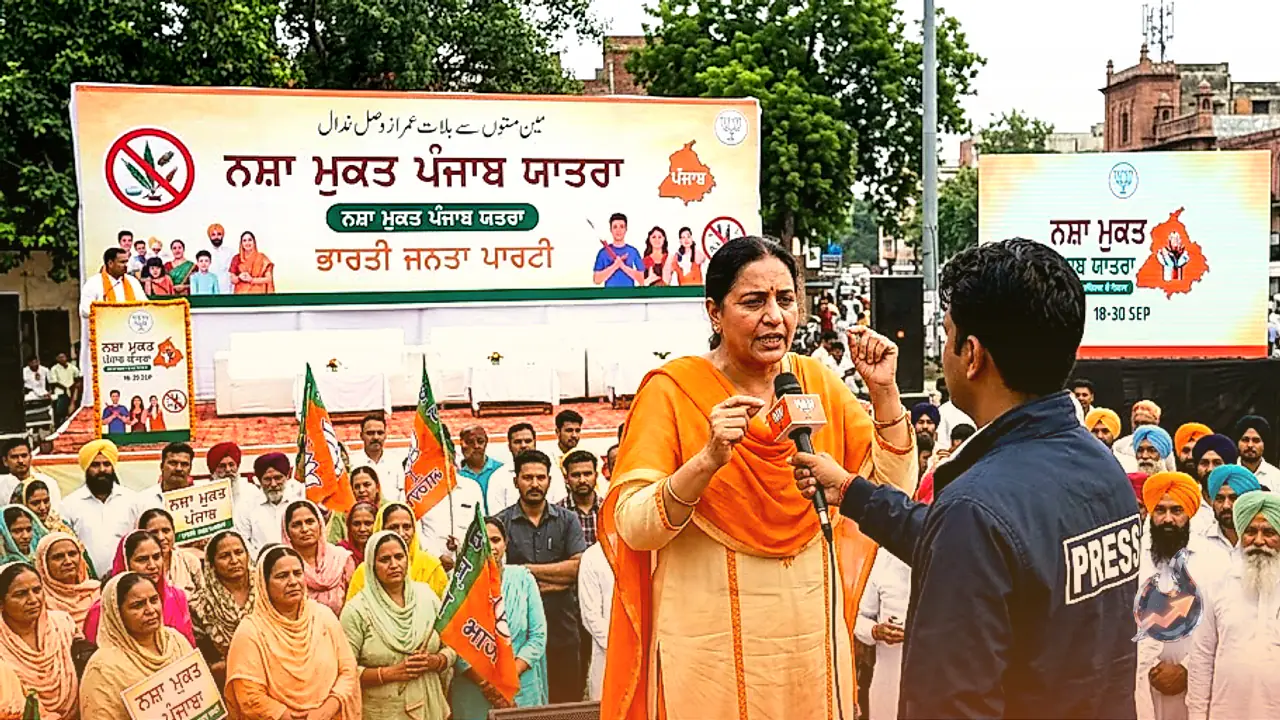
The newly fortified SMHA will take charge of overseeing the strict implementation of the Mental Healthcare Act of 2017. This statutory body serves as the state’s supreme authority for regulating psychiatric and psychological services. Its duties range from establishing rigorous operational standards for healthcare units to registering professional practitioners in the field. Additionally, it advises the state government on critical policy matters, ensuring that administrative decisions align with modern clinical practices. This development gains immense significance against the backdrop of Punjab's flagship anti-drug campaign, "Yuddh Nashean Viruddh" (War Against Drugs), which heavily relies on integrating mental health reforms with addiction recovery.
Diverse Representation: Bridging Administration and Empathy
To prevent policies from becoming overly bureaucratic, the government has created a balanced composition within the SMHA. While the official roster includes high-ranking bureaucrats from the departments of health, medical education, and social welfare, the 11 non-governmental nominations bring diverse real-world perspectives. These newly inducted members comprise professional psychiatrists, clinical psychologists, psychiatric social workers, specialized nurses, non-governmental organization (NGO) representatives, and most importantly, patients and their primary caregivers. Incorporating the lived experiences of patients and families ensures that the authority's policies address actual grassroots challenges rather than operating in an academic vacuum.
Ground-Level Monitoring via District Review Boards
Accountability is further decentralized through District Mental Health Review Boards, which work in tandem with the state authority. Led by district judges or highly qualified judicial officers, these boards act as independent legal watchdogs. They are empowered to review involuntary hospitalizations and treatment plans, ensuring no patient's liberty is compromised without due process. Furthermore, these local boards serve as a grievance redressal forum for rights violations, validate advance directives, evaluate appointed representatives of patients, and conduct surprise inspections of psychiatric facilities to ensure clinical and humanitarian standards are strictly maintained.
Expert Insights on the Policy Shift
The inclusion of seasoned experts has been widely welcomed by the medical fraternity. Dr. Satyen Sharma, a veteran psychiatrist from Patiala who is among the new nominees, emphasized the structural potential of this move. He remarked, "The establishment of the SMHA is a crucial step towards ensuring that the development of mental health services in Punjab is centered on quality and accountability." He explained that while the government has laid down a robust rights-based framework, the authority's primary task now is to translate these legal mandates into reliable, accessible, and community-trusted healthcare services. He stressed that rehabilitation, dignity, and caregiver support must remain at the core of these efforts, especially as services are now decentralizing from major cities to local community health centers.
Another prominent nominee, senior expert Dr. Satish K. Thapar, highlighted the unique socio-cultural challenges of the region. He stated, "Punjab faces unique mental health challenges, requiring solutions tailored to our communities' realities." According to Dr. Thapar, the government's simultaneous focus on strengthening de-addiction programs and empowering the SMHA represents a major positive trajectory. While acknowledging that there is a vast amount of work left to do, he believes this restructuring provides a solid foundation for bringing uniformity and high-level ethical standards to psychological treatments across the state.
A Holistic Approach to the War Against Drugs
The revamped SMHA is scheduled to convene its first official meeting with the newly nominated members in the coming week. This session will focus on drafting a unified regulatory template for psychiatric facilities and patient care across Punjab. The initiative heavily bolsters the "Yuddh Nashean Viruddh" campaign, reflecting a philosophical shift in how the state tackles substance abuse. Rather than relying solely on law enforcement and policing, the administration is prioritizing prevention, therapeutic intervention, psychiatric rehabilitation, and active community involvement to heal affected individuals and reintegrate them into society.