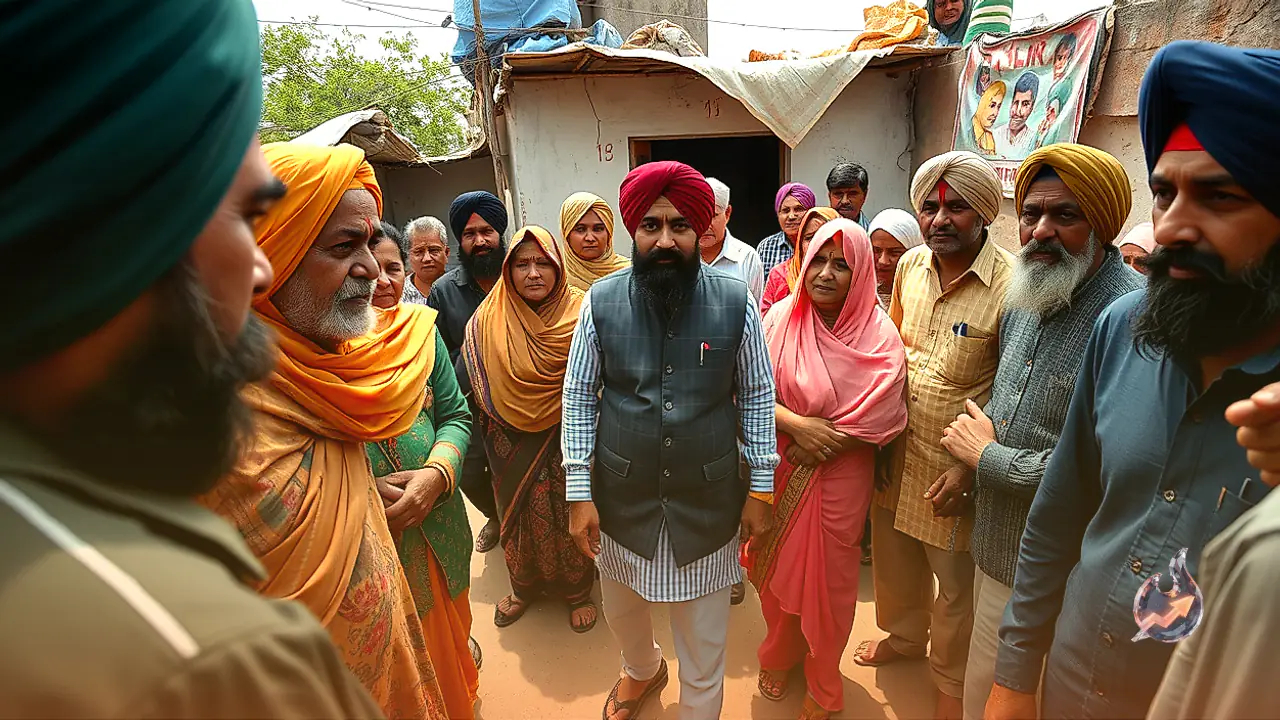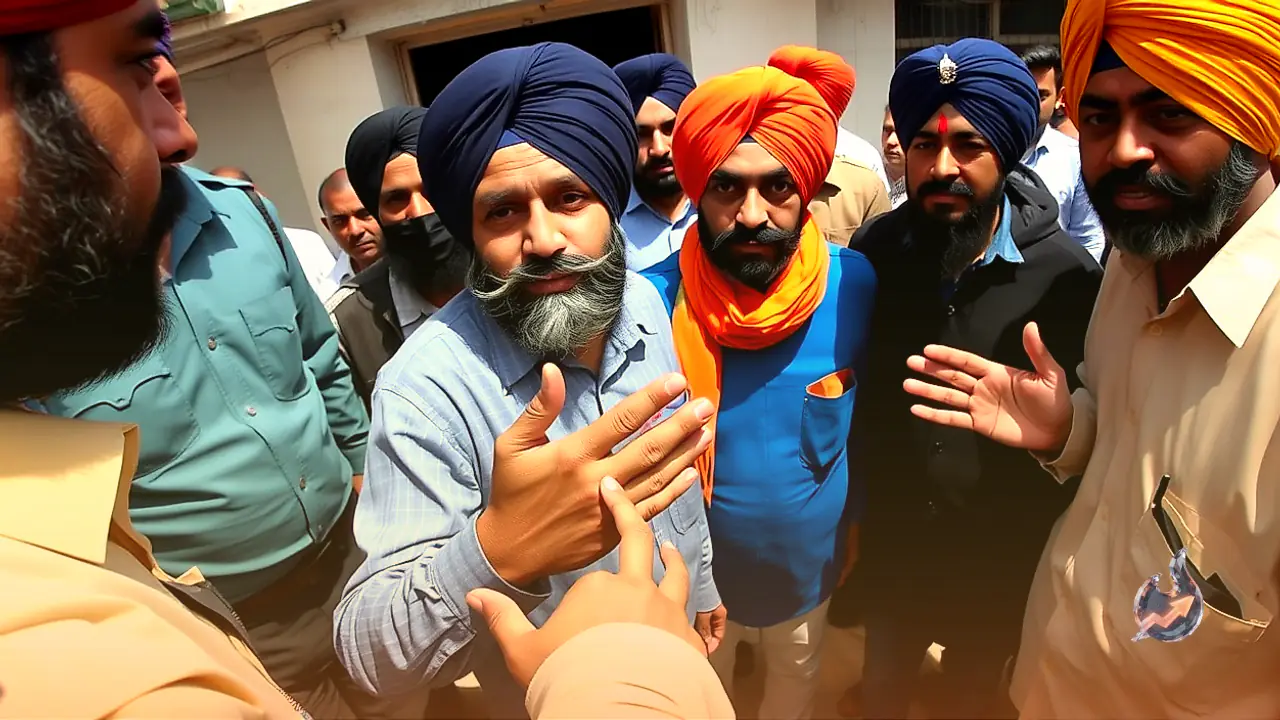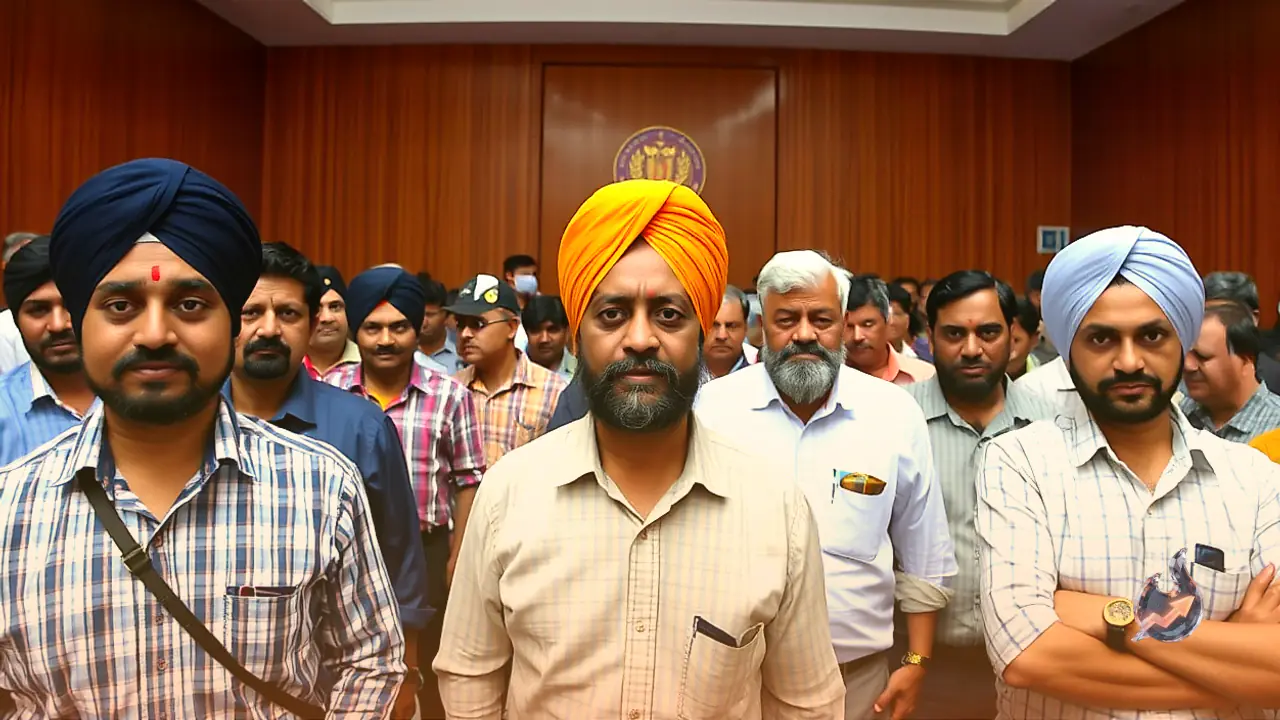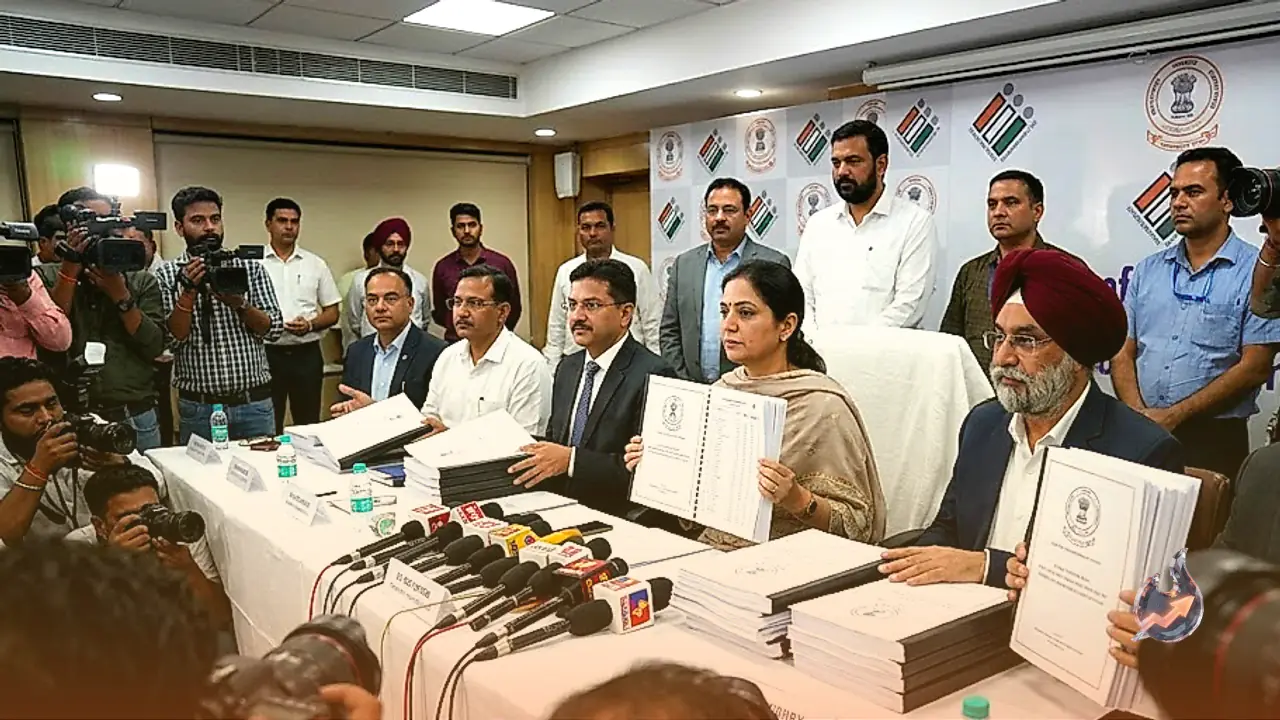




















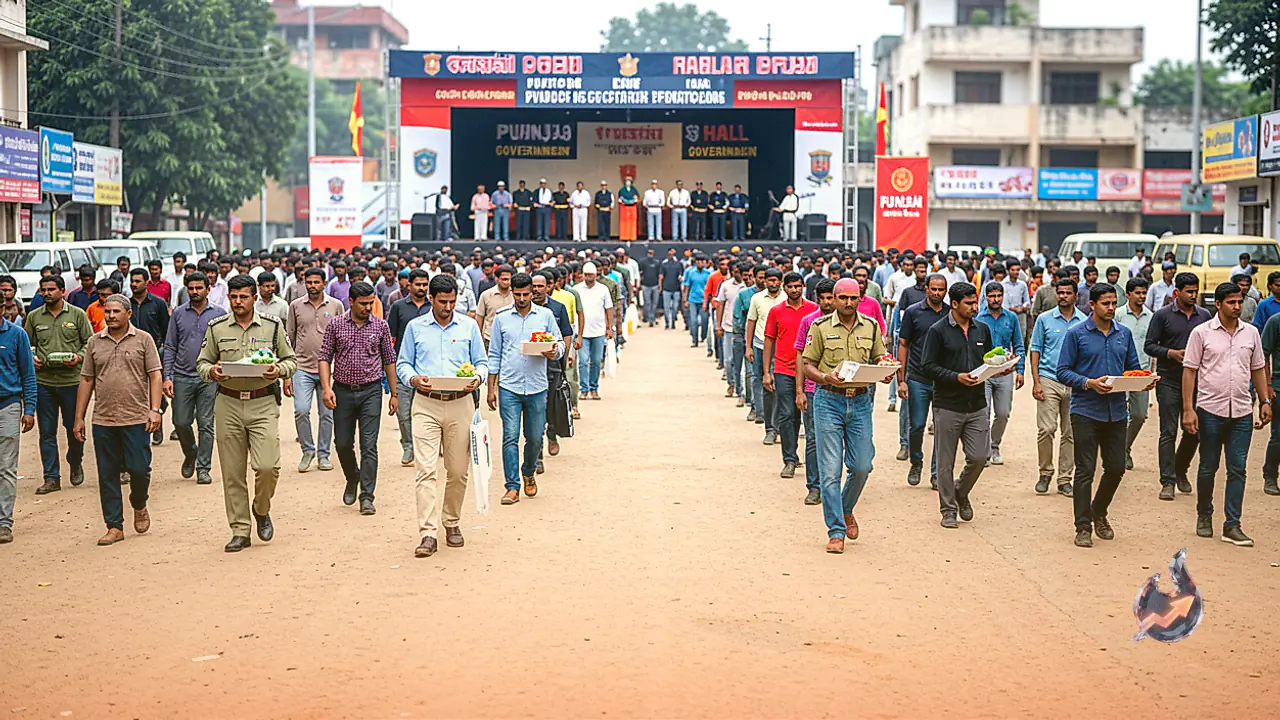

Daily administrative routines and public transport across Punjab have ground to a halt as nearly 300,000 state government employees initiated a two-day mass casual leave protest. The strike scheduled for Wednesday and Thursday threatens to shutter civic services across numerous government offices. Compounding the situation, contractual and outsourced transit personnel have begun an open-ended work stoppage, causing acute inconvenience to thousands of commuters across the state.
Administrative Work Disruptions Across State Offices
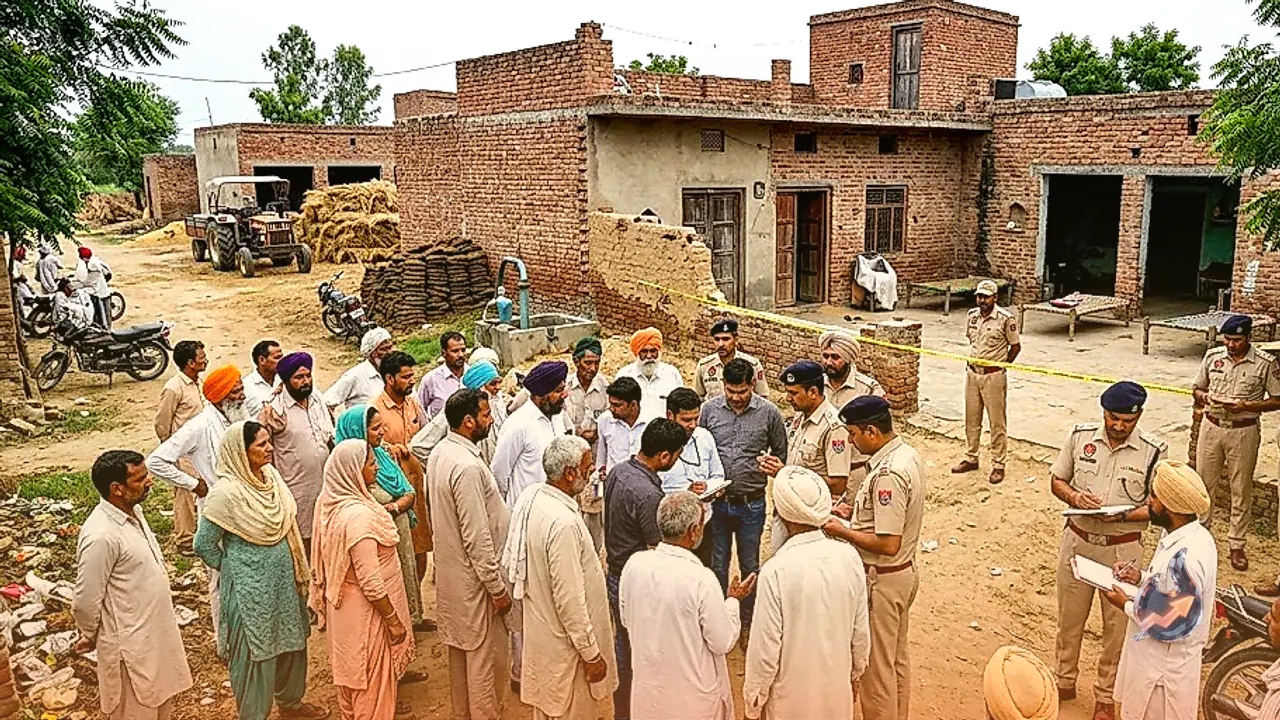
The intensifying dispute between state authorities and employee unions stems from unresolved service grievances. Worker associations stated that they were compelled to proceed with the mass casual leave after their long-pending demands received no timely administrative resolution. The walkout directly affects functioning at the Punjab Civil Secretariat in addition to district administrative complexes, revenue centers, and sub-divisional establishments. Daily citizen transactions including property registrations, certificate issuances, and official file processing have been heavily delayed, turning away visitors who traveled from distant areas.
More Than 3,000 State Buses Confined To Depots
The sharpest immediate disruption has fallen on state bus services. More than 3,000 state transport buses operated by Punjab Roadways, PUNBUS, and the PEPSU Road Transport Corporation (PRTC) have been taken off active routes. With contractual and outsourced staff launching an indefinite strike, scheduled transport within Punjab as well as connecting services to Chandigarh and neighboring territories have been crippled. The sudden suspension of routes has left interstate commuters, students, and office workers with limited public transit choices.
Depot Stoppages Began on Tuesday Evening
The ground effects of the transportation shutdown were noticeable well before the official strike days began. According to representatives of the Punjab Roadways, PUNBUS, and PRTC Contract Workers Union, drivers and conductors across different regional depots declined to operate overnight long-distance routes starting Tuesday afternoon. These buses were brought back and stationed inside depot lots. Union officials announced that no state-run vehicle would leave its depot starting from the very first shift on Wednesday morning.
Demands Focus on Job Regularisation and Direct Hiring
The core grievances of the transport workers revolve around stability and operational governance. Union bodies have demanded that long-serving contractual drivers, conductors, and workshop mechanics be formally regularized under departmental service regulations. Furthermore, they are demanding the immediate abolition of private recruitment intermediaries, urging that outsourced personnel be brought under direct contracts with the transport department. Union leaders affirmed that their agitation will continue until formal official notifications fulfilling their key demands are signed and issued by the state administration.