
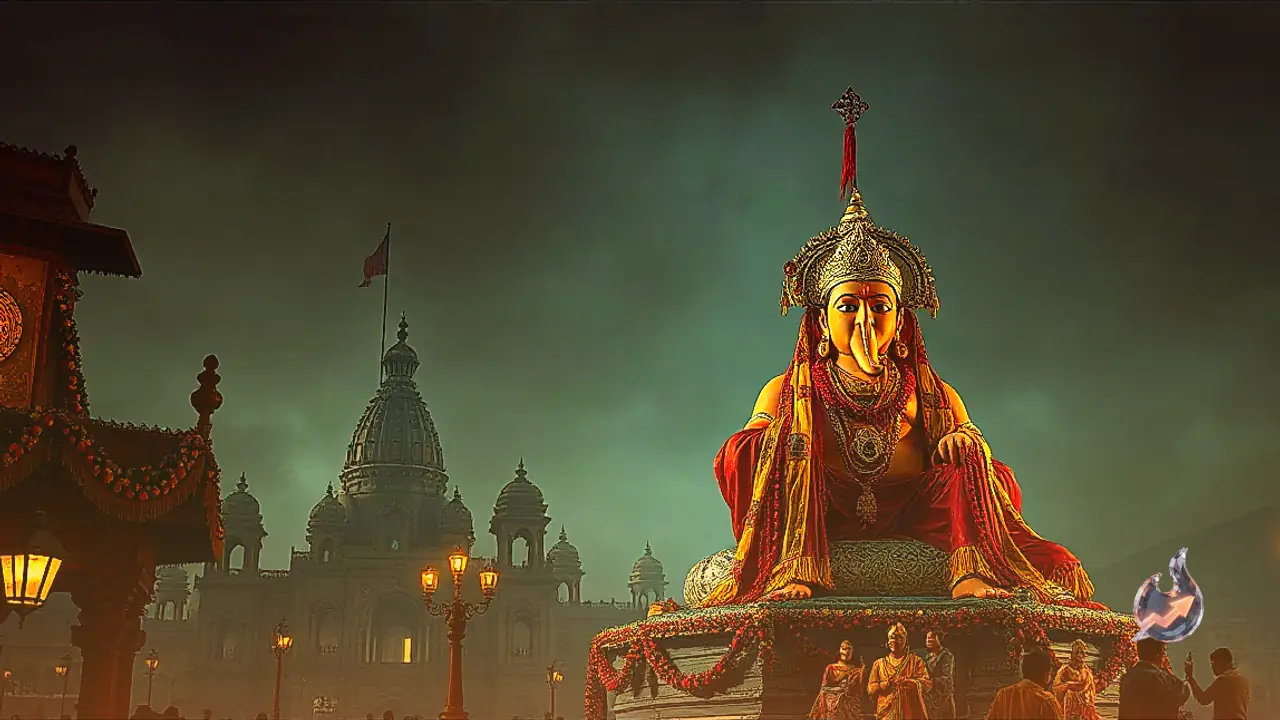
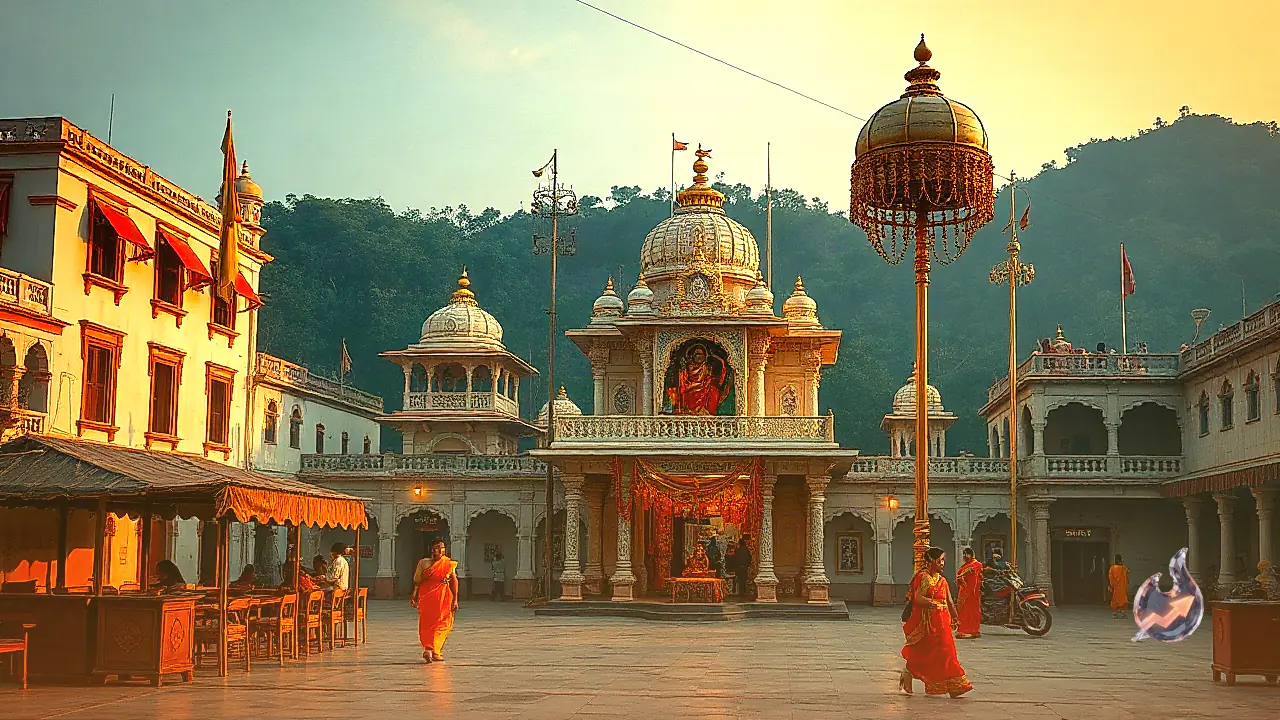














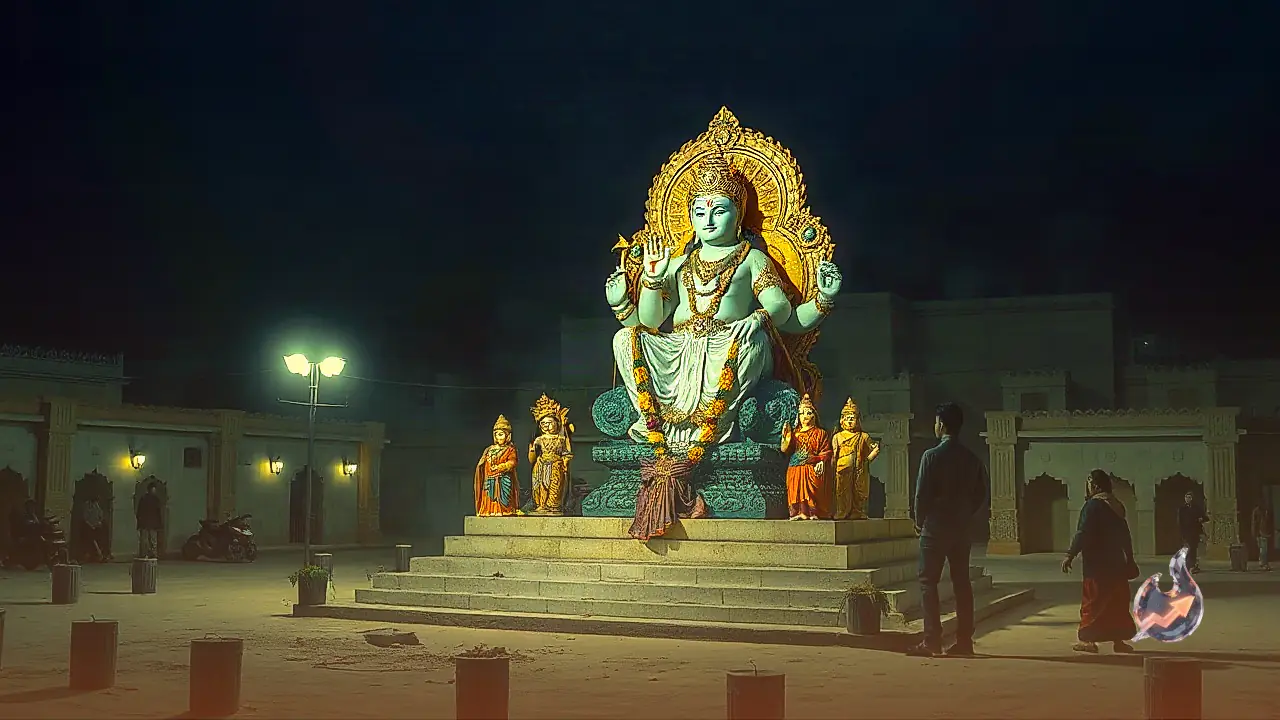

A unique Ganesh Chaturthi celebration is drawing crowds in Barmer, Rajasthan, where local organizers have successfully merged spiritual devotion with environmental responsibility. The Azad Yuva Group, stationed in the Juni Chowki Pada area, has set up a unique pandal that serves a dual purpose: educating visitors through a rich visual museum of Sanatan culture and protecting the ecosystem by hosting a massive stone deity instead of a soluble idol.
The Poster Museum: A Gateway to Ancient Lore
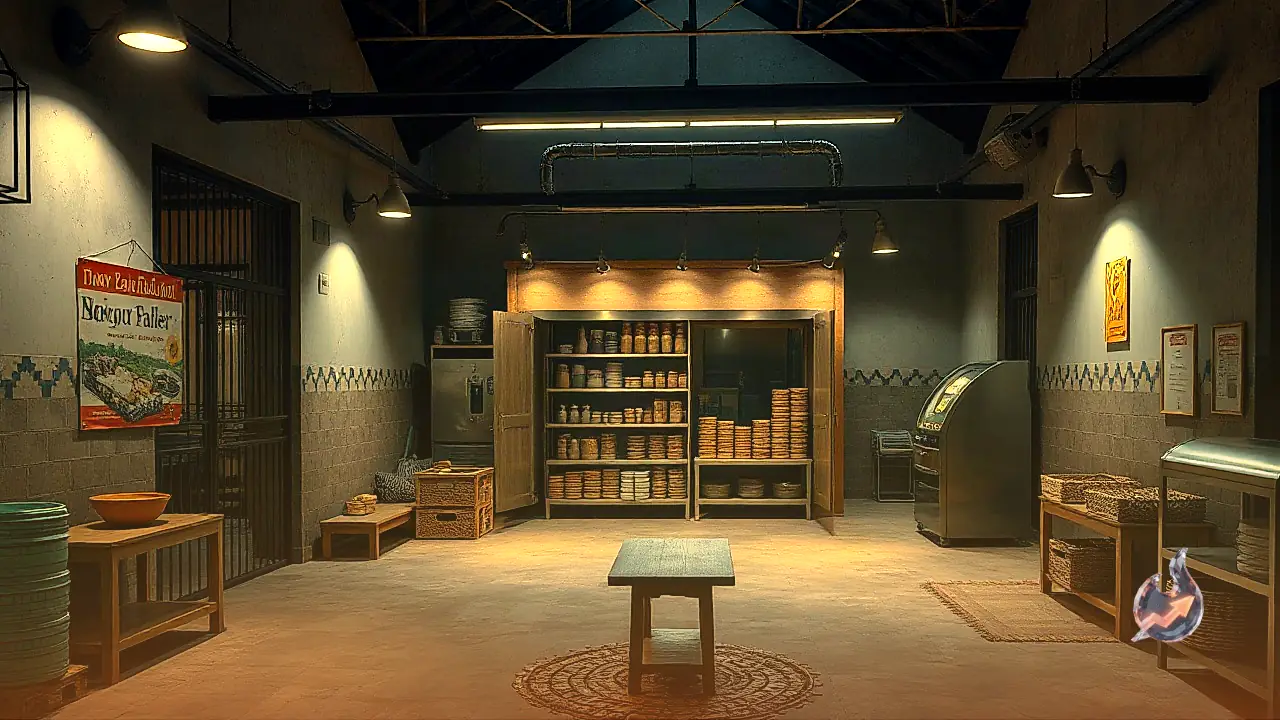
Rather than opting for standard decorations, the organizers converted the entire pandal into an educational poster museum. The venue is adorned with detailed, illustrated posters showcasing India's spiritual heritage, including the twelve Jyotirlingas, the fifty-two Shaktipeethas, the divine family of Lord Shiva, and various incarnations of the almighty. This creative display allows young people and devotees to learn about ancient scriptures, traditional values, and mythological history while they stand in line for prayers. The illustrated charts are designed to be highly engaging, featuring vibrant colors and simplified texts so that children can easily comprehend the complex stories of the scriptures.
The Magnificent 520 kg Stone Ganesha
At the center of this cultural hub sits a majestic idol of Lord Ganesha carved entirely out of solid stone, weighing an astounding 520 kilograms. The history of this idol dates back to 2013, when the group decided to bring the heavy stone sculpture from Sangli, a village located close to Jodhpur. While the group has been organizing the festival since 2005, they initially used traditional clay idols. The shift to stone has now become a permanent feature, making the celebration stand out across the region. The weekly schedule at the pandal includes a grand aarti and special offerings every Wednesday, alongside a spectacular evening festival of lights that attracts large gatherings daily.
Redefining Immersion for Water Conservation
The decision to install a heavy stone deity is deeply rooted in environmental concerns. Traditional idols made of Plaster of Paris (PoP) often pollute local water bodies and damage aquatic life during the immersion process. To combat this issue, the Azad Yuva Group pioneered an eco-friendly alternative. According to group member Ravi Soni, the toxic chemicals in PoP idols pose a major threat to nature, which is why they chose stone. Instead of immersing the massive 520 kg idol in a lake or river, the organizers perform a ritualistic bath on-site at the end of the festival. Following the ceremony, the idol is carefully transported and stored with full respect at the Purane Sunaron Ke Vas area, ready to be worshipped again the following year.