




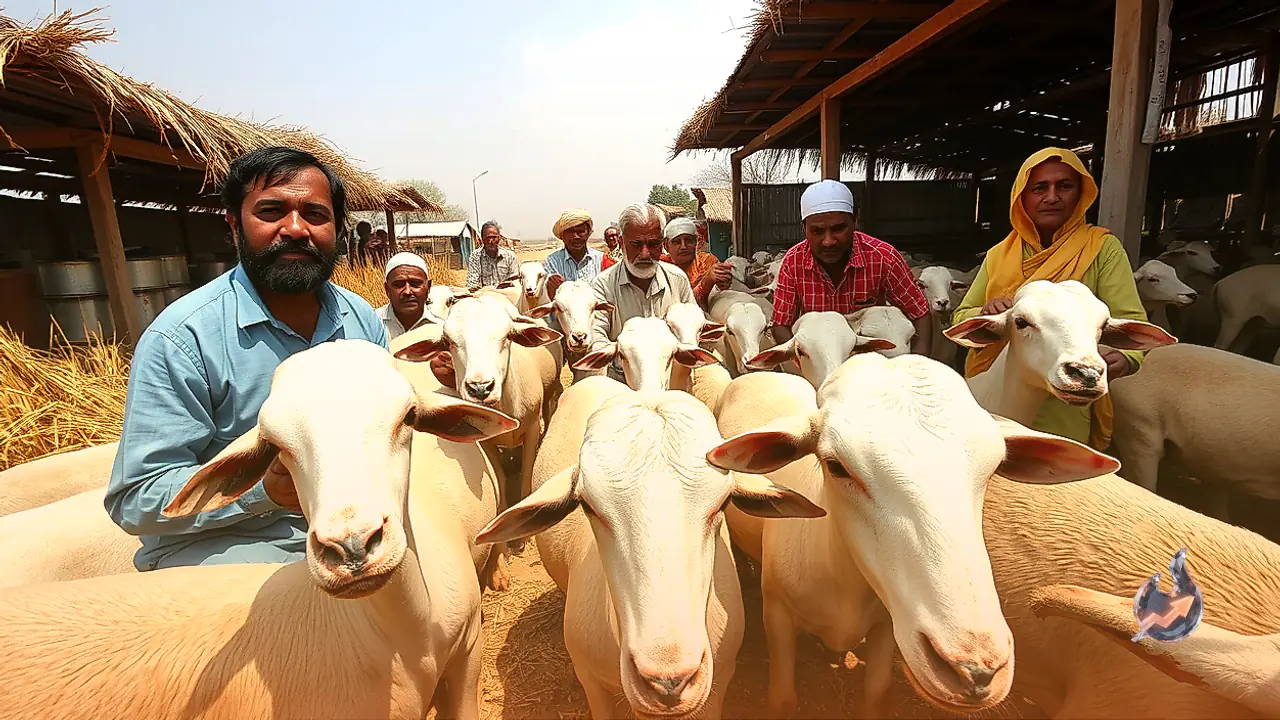

















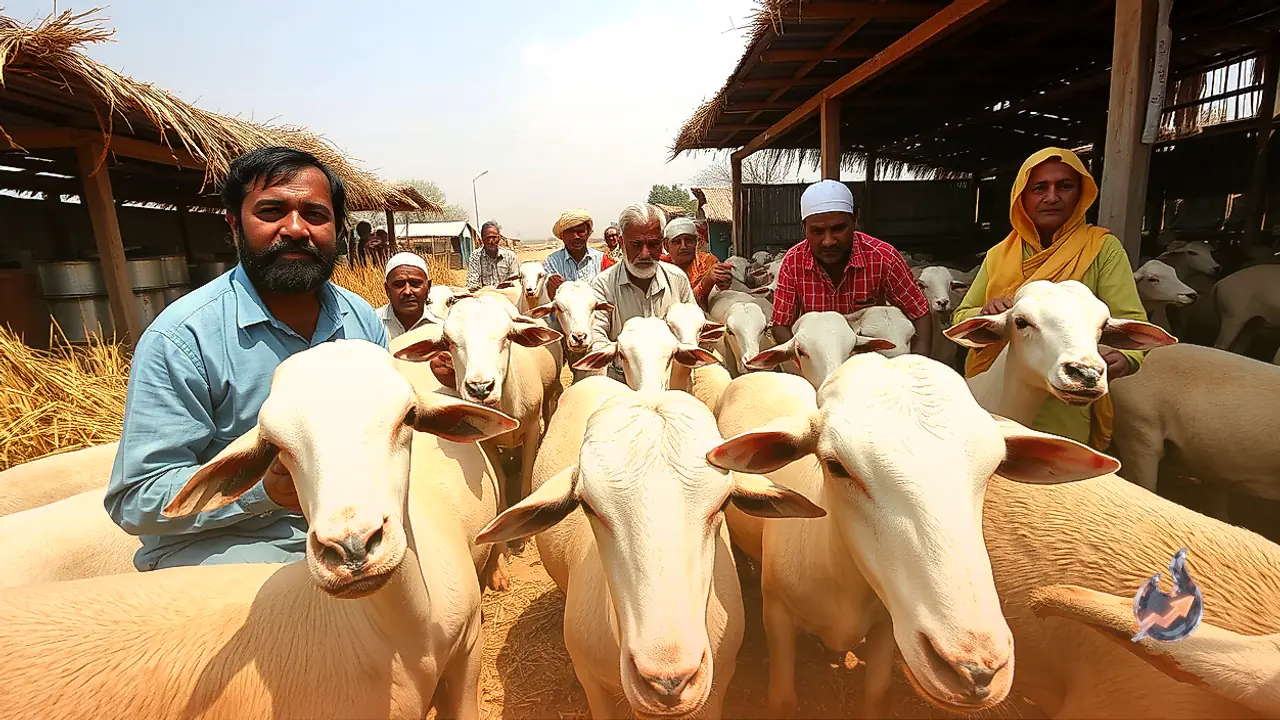

In the rural pockets of Rajasthan's Bharatpur district, animal husbandry serves as a primary pillar of the village economy alongside seasonal agriculture. Livestock keepers throughout the region routinely adjust their animals' diets based on agricultural cycles and the availability of newly harvested crop residues. The most prominent shift occurs following the harvest of the Kharif crop, when traditional wheat straw is substituted with finely chopped dry stalks of pearl millet, known locally as bajra karbi. Rural dairy farmers find that this seasonal forage maintains cattle vitality and delivers balanced sustenance to encourage steady milk production.
Repurposing Harvest Residues into Nutritious Feed
Farmers across the villages of Bharatpur cultivate pearl millet on an extensive scale during the Kharif farming season. Once the harvesting is concluded and grains are separated, the remaining dried stalks are carefully collected and stockpiled. These preserved stalks are subsequently processed through specialized cutting machines to produce fine chaff. To make the dry fodder palatable and nourishing, farmers mix the chopped stalks with porridge before offering it to their livestock. This systematic reuse ensures that agricultural byproducts do not go to waste while providing livestock keepers with an accessible, homegrown feed reserve.
An Annual Dietary Transition for Rural Dairy Herds
This particular dietary substitution takes place only once every twelve months, aligning strictly with the post-harvest availability of pearl millet stalks. During the remaining months of the year, cattle are typically fed wheat straw, freshly gathered green fodder, and standard rations. As soon as the millet stalks become abundant in the fields, they take center stage in the feeding mangers. Transitioning to home-harvested fodder eases financial burdens on rural households by reducing dependence on external feed purchases and simplifying daily management.
Comprehensive Care and Nutritional Balance Boost Yields
Livestock owners and agricultural specialists emphasize that switching the base fodder is only one component of boosting milk output. For optimal results, feeding chopped millet stover must be supported by an ample supply of clean drinking water, fresh green forage, and supplemental nutritious feed to ensure animals absorb every essential nutrient. In the rural landscape of Bharatpur, this practical integration of pearl millet stover into herd management continues to provide reliable economic stability to dairy-dependent households.