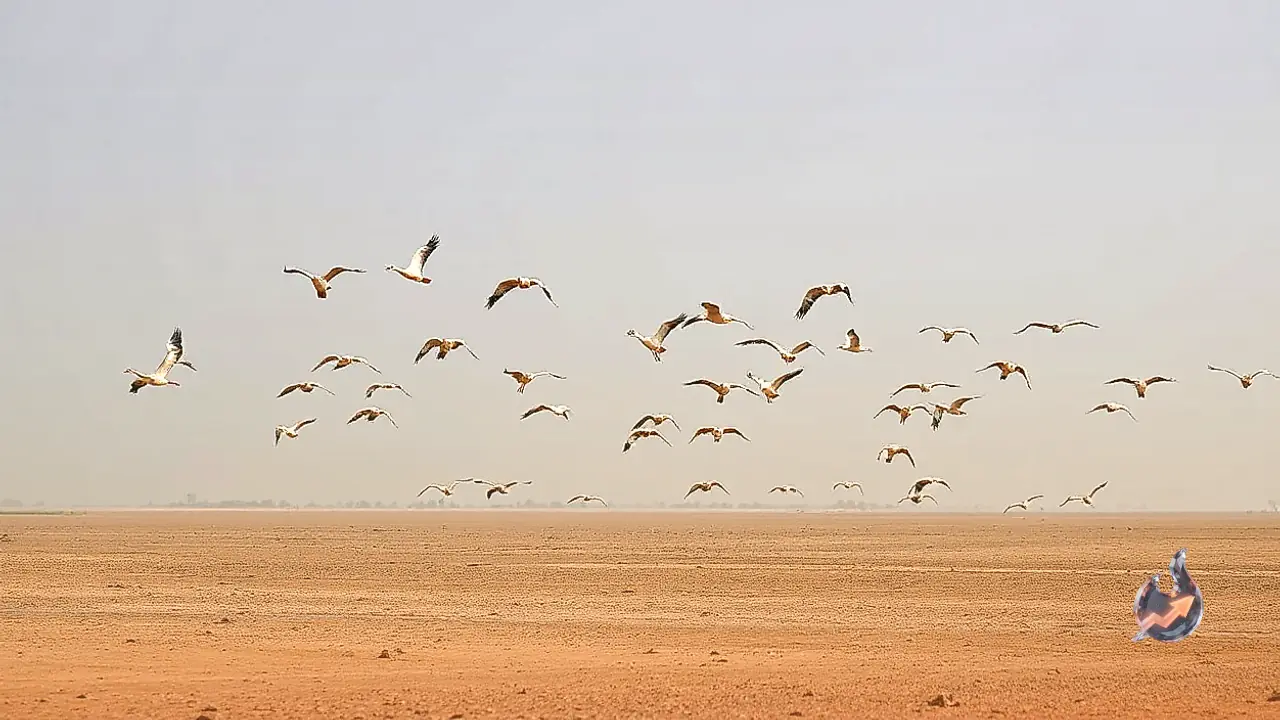

A stunning natural spectacle has unfolded in the Lunkaransar region of Bikaner as tens of thousands of migratory birds have made local water bodies their temporary home. More than twenty thousand demoiselle cranes have completed an arduous long-distance journey from the freezing, snow-covered expanses of Russia and Central Asia to settle here for the winter. During sunrise and sunset, massive flocks take to the sky in unison, creating breathtaking views that pull in travelers and wildlife enthusiasts alike. The ringing calls and synchronized airborne displays of these visitors have brought tremendous vitality to the arid landscape, turning the desert wetland into a lively hub of seasonal activity.
The Long Migration Route and Seasonal Journeys
The life cycle of these cranes remains deeply tied to seasonal shifts, as they spend the bulk of the year in northern cold zones before heavy snowfalls and plunging temperatures force them toward warmer climates. Ornithological experts note that these birds can alter their migratory paths yearly depending on prevailing weather and natural conditions, logging thousands of kilometers in search of adequate sustenance and water. This season, the flocks traveled southward through Russia, Kazakhstan, Kyrgyzstan, Jammu and Kashmir, Himachal Pradesh, and Punjab before finally reaching Rajasthan. Scientifically identified as demoiselle cranes, their true native habitats span the chilly territories of Russia, Mongolia, Kazakhstan, and Siberia.
Why Lunkaransar Lake Provides Ideal Winter Habitat
In their northern breeding grounds, winter temperatures routinely plummet to minus fifty degrees Celsius, severely limiting food availability as ice blankets the terrain. The birds initiate their southward journey between August and September, arriving in Rajasthan by late October and staying until March before heading back north. The saline water bodies of Lunkaransar offer an exceptionally hospitable environment, featuring shallow waters, wide-open surroundings, and abundant food sources that make extended stays manageable. Microscopic aquatic organisms, algae, and insects thriving in the saline waters form the core of their diet, while local deposits of selenite ore are also considered a factor in drawing them in. Locals note that these feathered visitors have maintained a steady migratory pattern to this zone for roughly four decades.