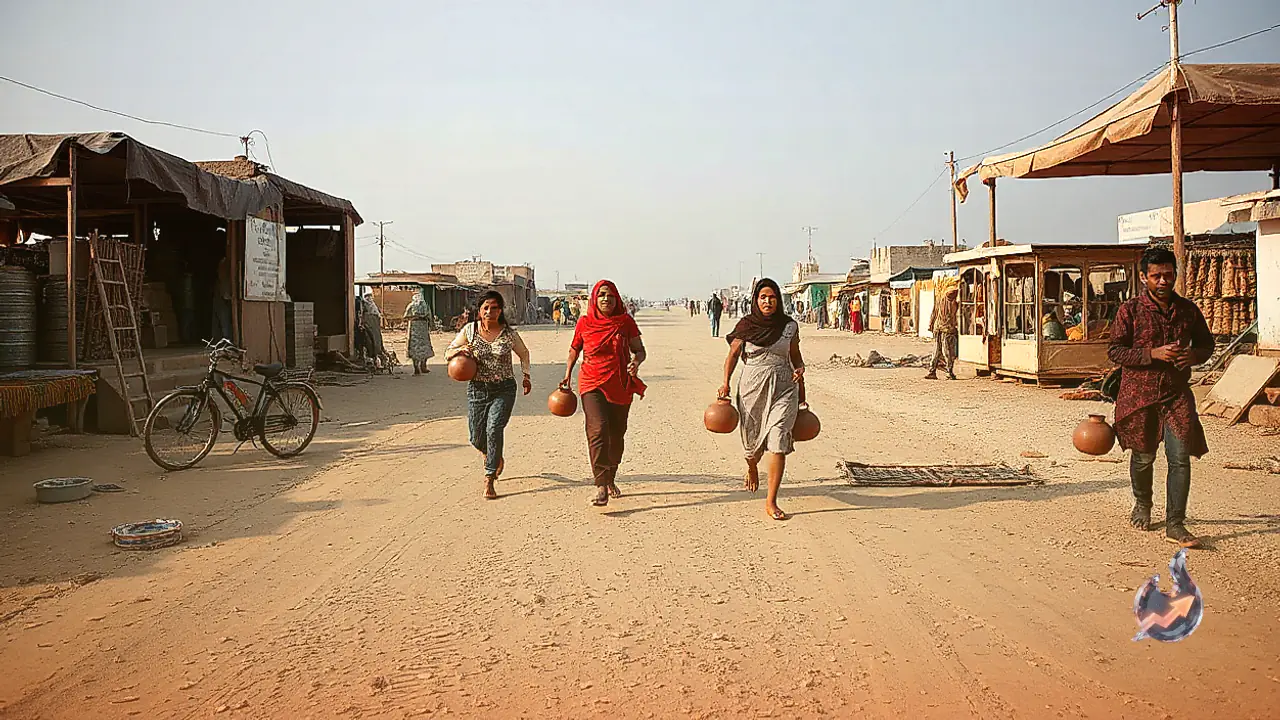

Amid the thrilling landscape of leopard safaris in the Jawai region of Pali, a traditional cup of tea has captured the attention of travelers from across the globe. Far away from the expensive coffee and stylish cafes of five-star hotels, a simple tea stall run by a rural family on the rocky terrain of Marwar has become a major talking point among both domestic and international visitors. Tourists exploring the wilderness of Jawai now line up for a single sip of this rustic brew, with the demand growing so high that visitors often need to secure advance bookings just to enjoy a cup.
A Unique Rural Tea Experience by a Rabari Family
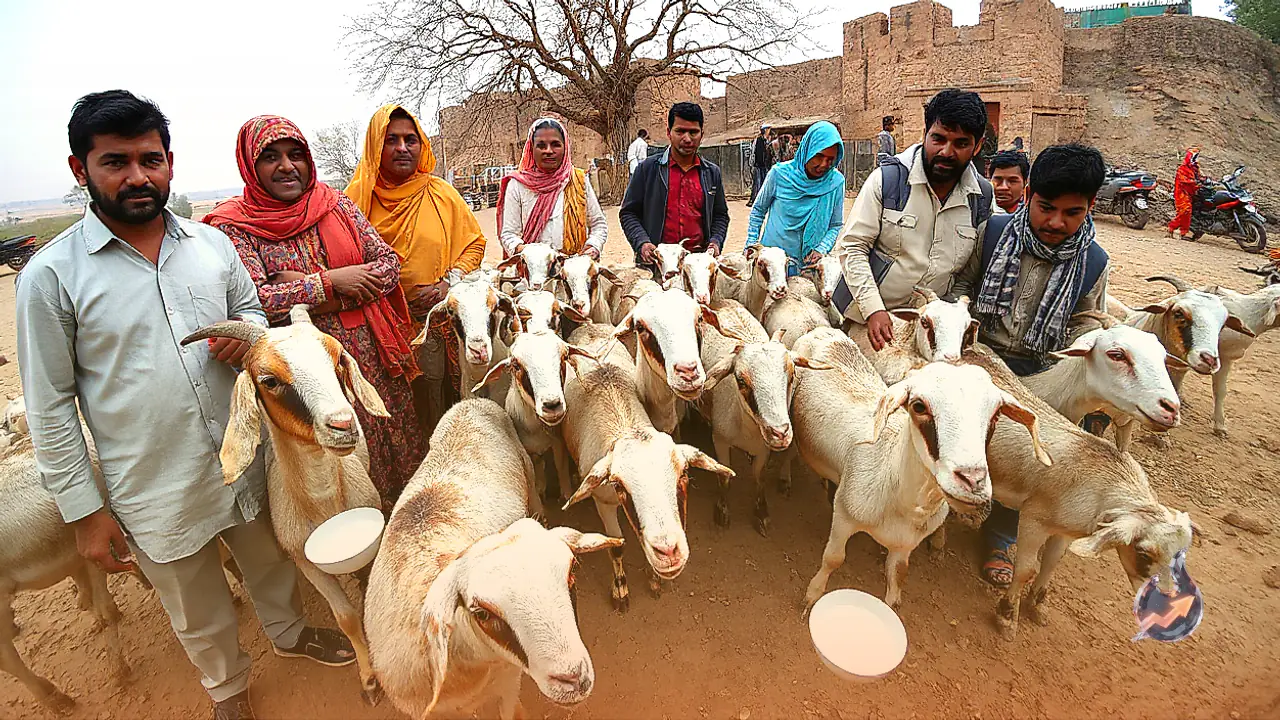
Travelers arriving for the Jawai Leopard Safari frequently visit the village of Kala Kolar, where this unique experience unfolds. Run by a family belonging to the Rabari community living in traditional huts, the setup features no menu cards, glass cups, or high-end storefronts. Instead, tea is prepared under the shade of massive trees using stone stoves, offering visitors a glimpse into rural simplicity. Videos of foreign tourists enjoying this traditional beverage have also been widely circulated on social media platforms.
Freshly Brewed Using Goat Milk
The primary attraction of this rustic tea lies in its preparation method and exceptional freshness. Rather than storing tea in thermoses or kettles beforehand, the brew is prepared right in front of the guests using fresh goat milk. According to locals and visitors, the distinct aroma of fresh goat milk combined with the balanced blend of tea leaves and spices sets this beverage apart from standard commercial tea. When foreign visitors taste this local delicacy, they routinely become devoted fans of the flavor.
Stone Stoves and Traditional Marwari Bowls
While urban centers rely on gas burners and induction cooktops, this village in Jawai continues to use traditional stone stoves fueled by wood with a slow-burning flame. The experience of drinking tea amidst the subtle scent of woodsmoke while seated under the dense canopy of a large tree creates a unique atmosphere. Embracing Marwari heritage instead of modern disposable or glass cups, the family serves the hot tea inside traditional bowls. Holding these bowls beneath the trees has proven immensely popular with international guests, who often capture the moments on their cameras.
Surging Crowds Requiring Advance Bookings
Due to the steadily increasing influx of tourists arriving in Jawai for safaris, this humble tea spot experiences significant crowds on a daily basis. Anyone visiting wishes to partake in the rural atmosphere and distinctive flavor profile. Consequently, the demand has grown to the point where visitors must make reservations in advance to secure their serving. The simplicity, hospitality, and traditional approach of the Rabari family demonstrate how deeply rooted cultural practices continue to captivate travelers from around the world.