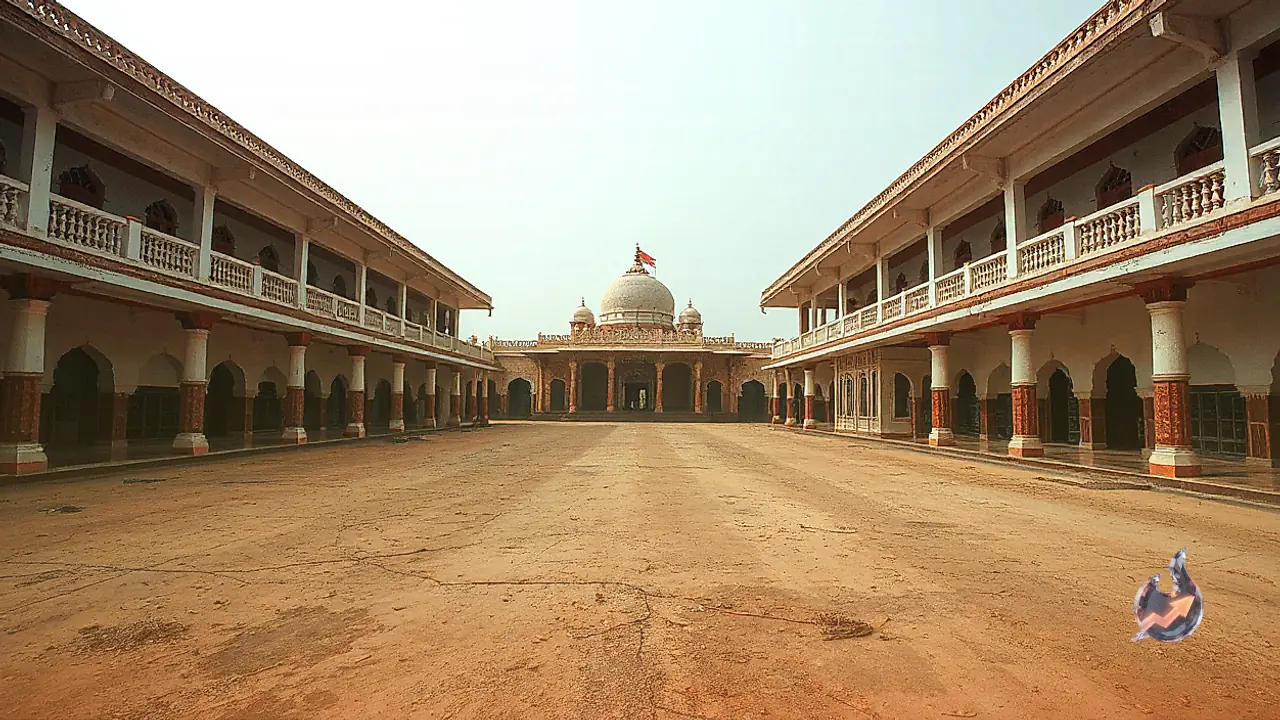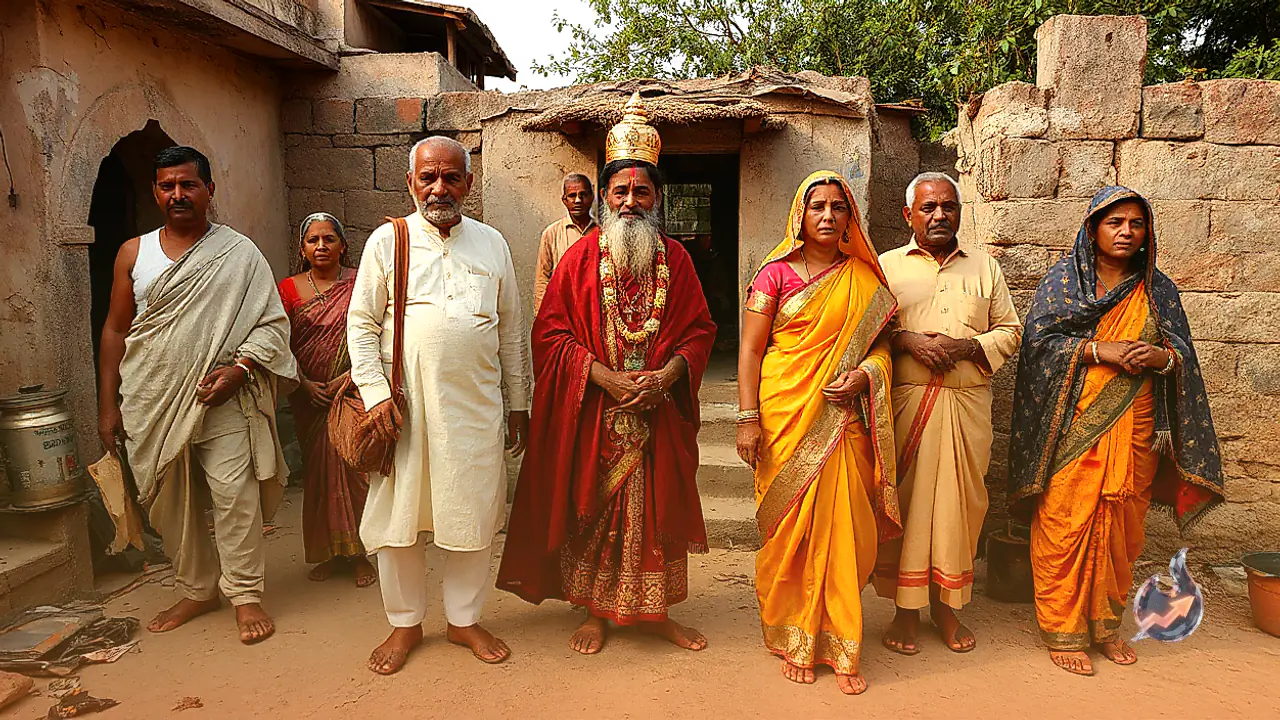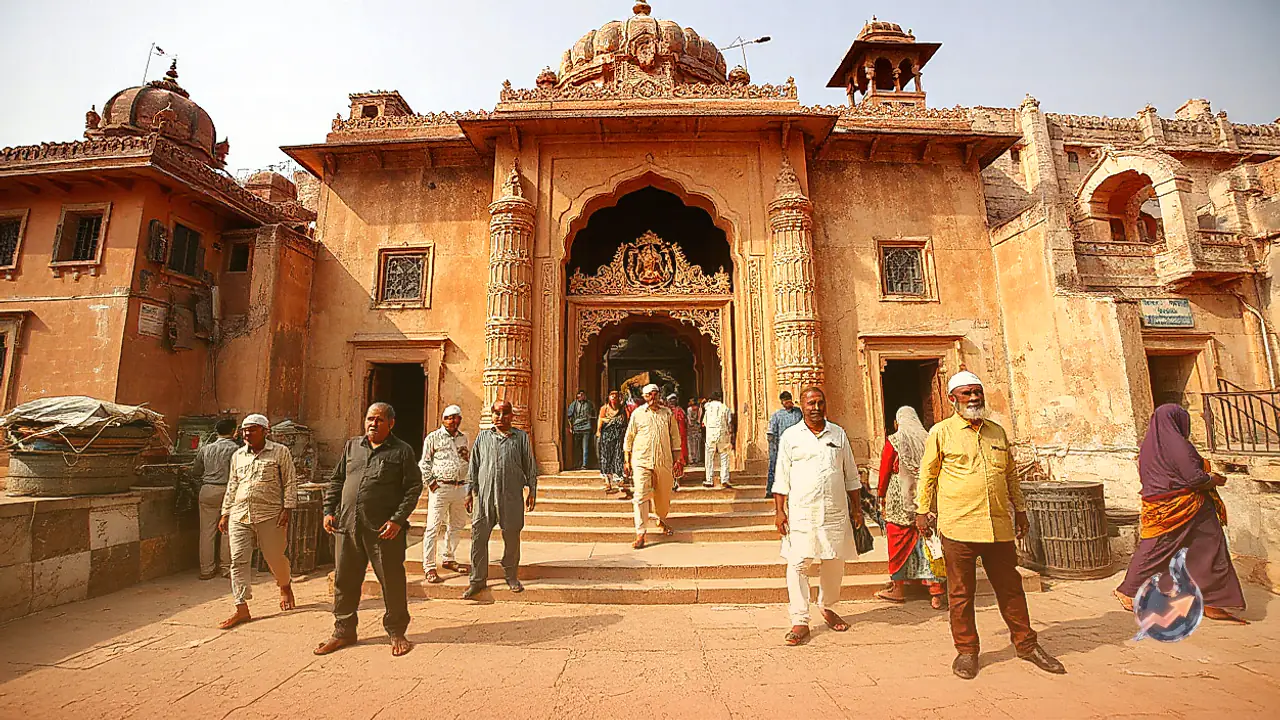

An ancient and revered temple dedicated to Lord Mahadev stands in the village of Soyla in Nagaur. According to religious beliefs and local traditions passed down through generations, thousands of years ago this village was known by the name of Shivpuri. A magnificent temple of Lord Shiva was established here, serving as a major center of faith and devotion for people living in the surrounding region. Elders and ancestors have preserved numerous fascinating stories associated with this sacred site, reflecting its deep roots in the region.
Attacks During the Mughal Era
Local villagers believe that during the Mughal rule, around the same era when the famous Somnath temple was targeted by invaders, the ancient Mahadev temple in Soyla was also attacked. The attackers carried out looting inside the temple premises and desecrated the idols of various deities. Due to safety concerns and widespread fear at the time, several families were forced to abandon the village and relocate elsewhere. Eventually, when conditions returned to normal, people came back and resettlement began. As time progressed, the original name of the village, Shivpuri, gradually transformed into the commonly used name Soyla.
Built in the Nagara Style of Architecture
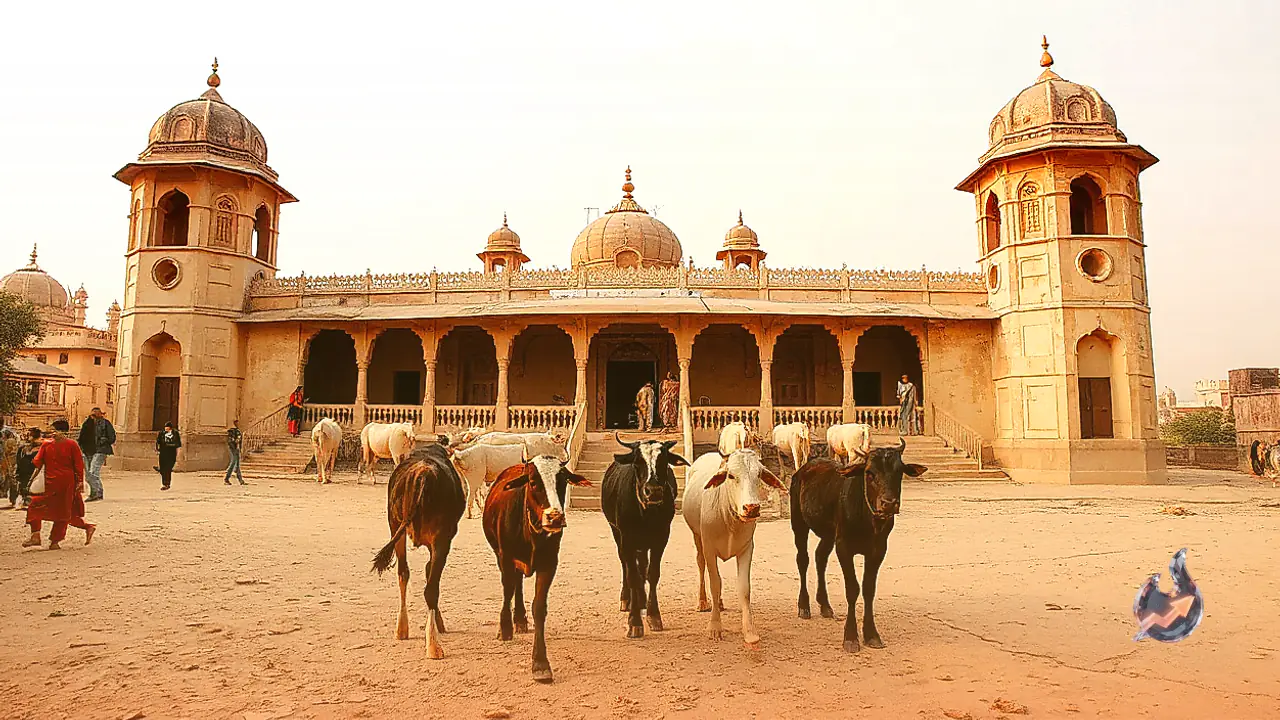
From an architectural standpoint, this ancient temple holds special significance. It is believed to have been constructed in the middle of the 10th century. The temple was built in the Nagara style, representing a unique example of the architectural craftsmanship of that era. The sanctum sanctorum of the temple features a ceiling that is approximately 9 feet high. Several ancient idols, including Nandi and a Shivling, are installed here. Carvings of Lord Shiva and the Saptamatrikas have also been etched onto the stones of the temple, highlighting its profound religious and historical importance.
Temple Spire and Stone Carvings
According to the villagers, the spire of the temple rises to a height of about 10 feet. Intricate and attractive stone carvings have been meticulously crafted across this structure. Small decorative apertures built into the spire further enhance its beauty. Although the passage of time has caused damage to several old inscriptions and sculptures at the site, the enduring ancient architecture still stands as a testament to history today.
Fairs on Mahashivratri and Devotees in Shravan
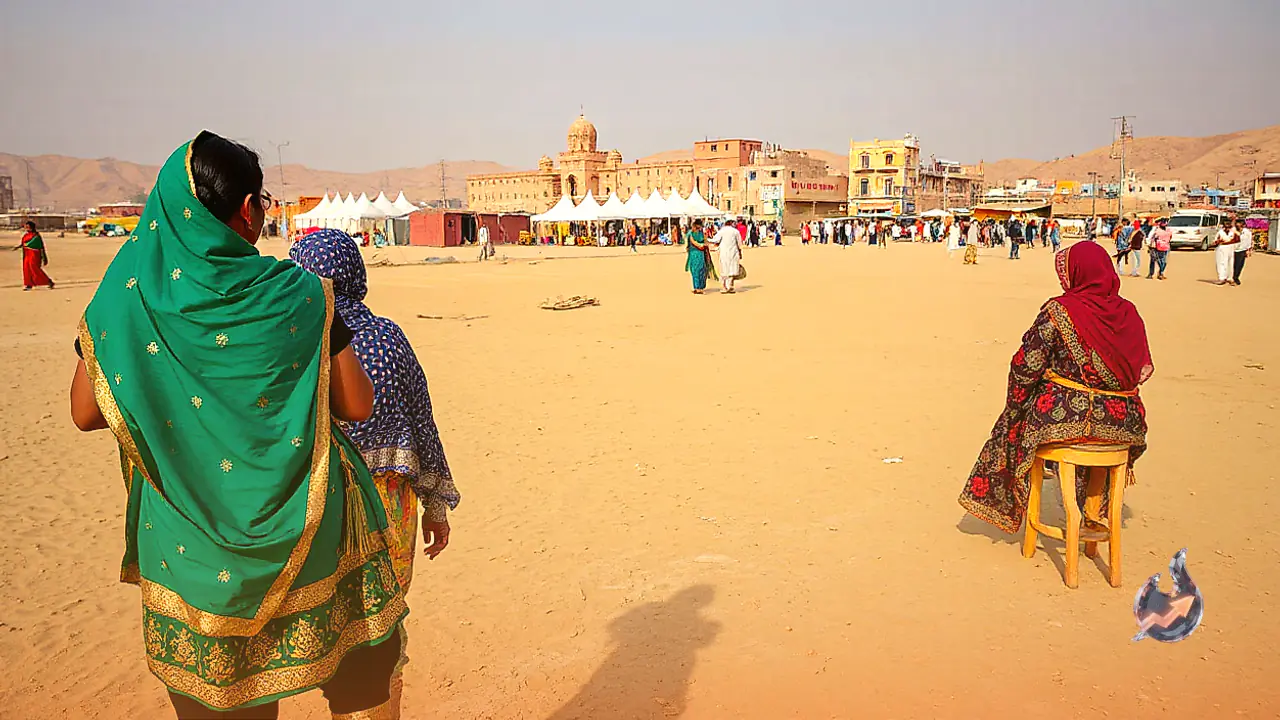
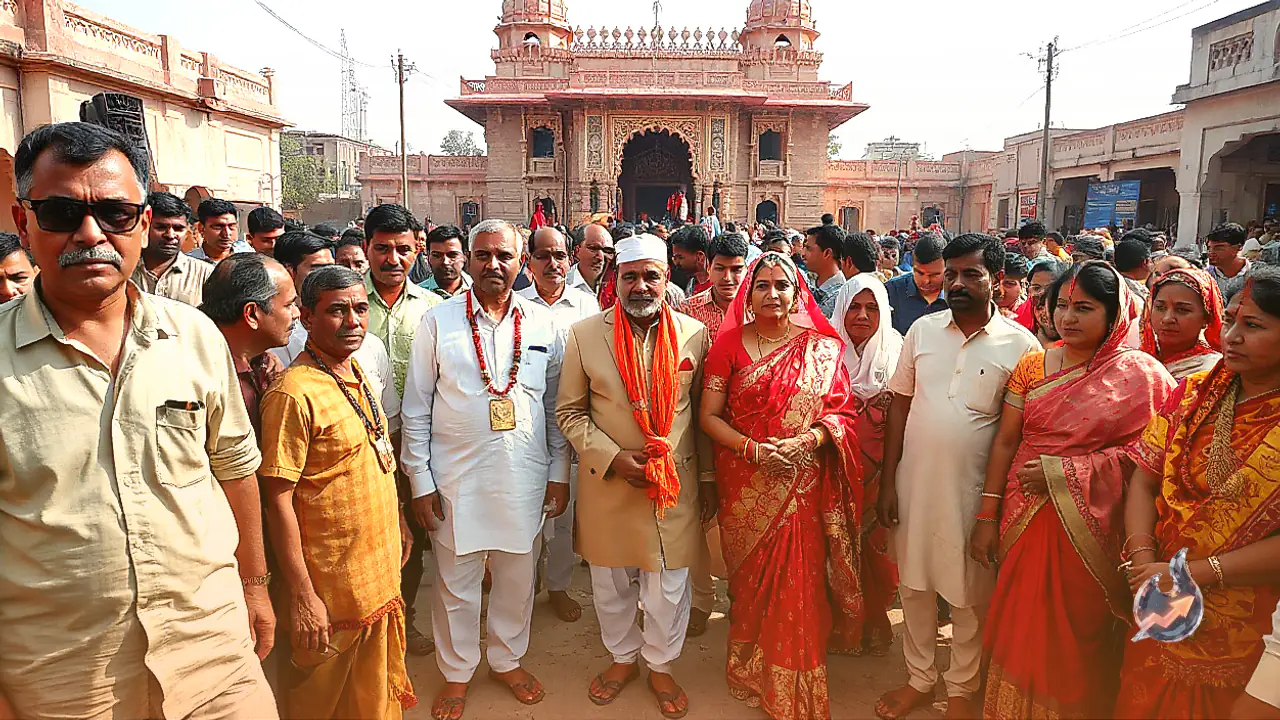
Even today, this temple remains a central pillar of faith for residents of Soyla and dozens of neighboring villages. A grand fair is organized here every year on Mahashivratri. Additionally, devotees arrive in large numbers on every Monday of the Shravan month to seek blessings from Lord Mahadev. Followers perform the ritualistic Abhishek of the Shivling, offer prayers, and circumambulate the shrine to pray for the peace and prosperity of their families. Through these traditions, the ancient temple preserves both its religious devotion and the historical identity of Soyla village.